LiA Midway Reflections: Learning to Lead a Vulnerable Workforce
For my LiA this summer, I have had the opportunity to serve as a summer law clerk intern at Centro de los Derechos del Migrante (CDM) in Mexico City. CDM is a binational organization operating in both the United States and Mexico to help migrant workers attain justice and the protection of their rights at no cost as they navigate the complexities and inequities resulting from the U.S.-Mexico border.
Just last year, over 300,000 people came to the US on H-2 visas issued by employers, a process that legally permits them to work for that employer for a specified period. The H-2 visa program essentially gives employers the power to gain higher profits and productivity from their workers while preventing them from organizing or having the legal ability to file complaints over working conditions or pay, for instance.
Essentially, the H-2 visa program ties workers to their employer for legal immigration status, limiting their ability to voice concerns about injustice and to assert their dignity as workers. Thus, being able to communicate with workers through CDM has brought many insights into how these workers are treated unequally compared to much of the rest of the American workforce. It is always extremely rewarding when a worker voices how grateful they are to be heard and to have a team that will support them in finding a better employer in the US or in seeking legal justice.
As an intern, I assist heavily with responding to and documenting intake calls on CDM’s hotline from temporary workers, largely from Mexico, who communicate experiences of abuse and systematic exploitation from their employers. Furthermore, I help with tasks such as communicating with legal aid organizations in the US on transferring settlement funds to workers in Mexico and drafting reports to legislators on the growth and implications of temporary work programs. I am also excited to begin translating blog posts on CDM’s “Contratados” website to provide accessible materials and guides that can directly assist workers and personally assist crab workers in Maryland with filing applications for Social Security benefits.
Days in the office start around 9:00 AM and consist of an array of team meetings and calls with migrant workers. However, the office is extremely collaborative, where all of us interns work within an open floor plan but have the option to use private conference rooms and desks when needed. The culture at the office is also conducive to lots of outings to local cafes and office potlucks featuring watching documentaries and interacting with interns from other organizations in Mexico City. Listening to everyone’s story has been super informative and inspiring. I am extremely grateful for all the advice I have received from my colleagues and for how willing they are to help me navigate life internationally and my future path.
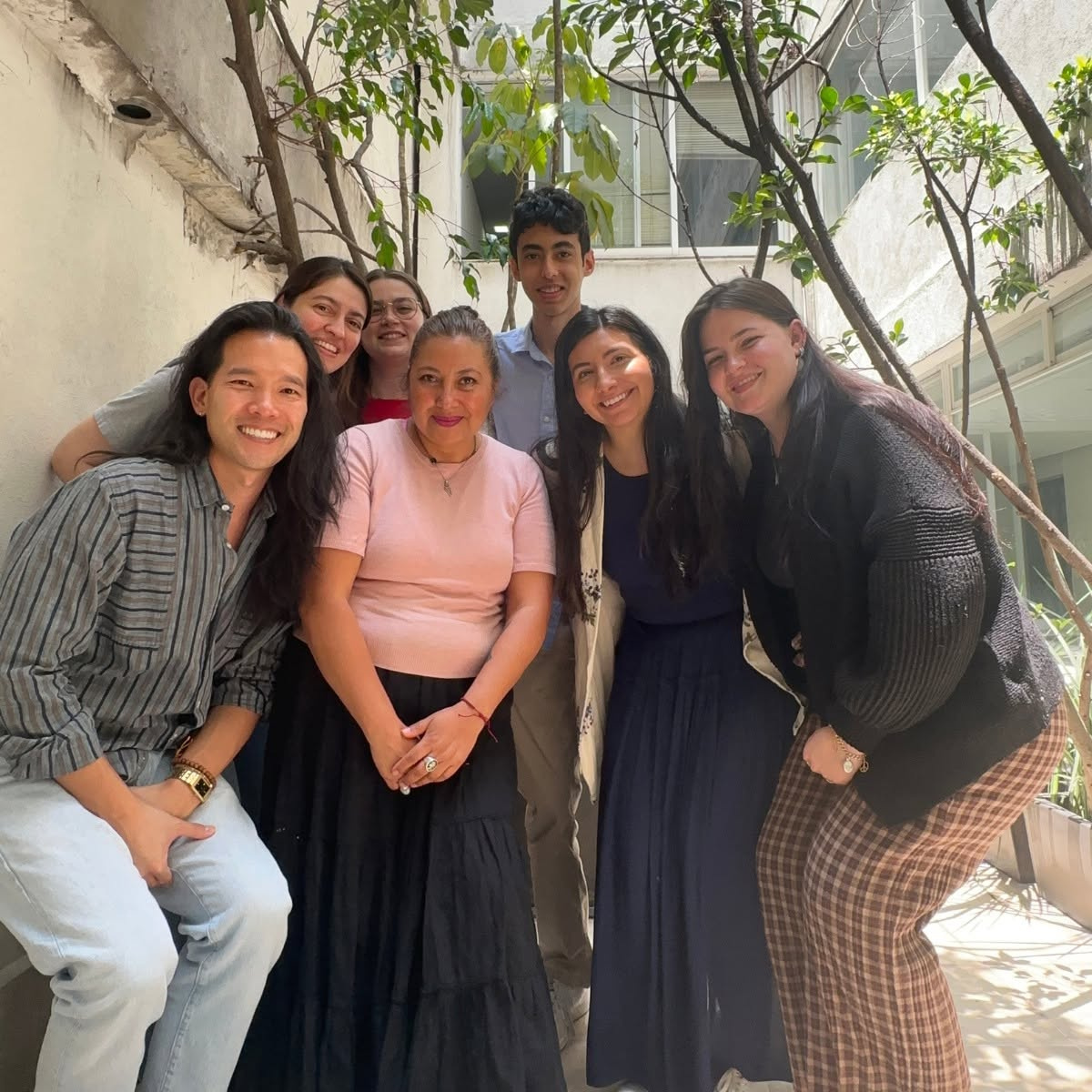
Meeting my fellow interns and some of CDM’s staff on my first day!
Working with the organization has been super transformative, allowing me to better understand how much these temporary work programs have grown and the negative implications they have for the abuse of the migrant workforce. I have learned so much from my supervisors, colleagues, and from communicating directly with migrant workers about how much control employers have over workers on temporary visas, essentially creating a privatized system of recruitment that leaves workers powerless in a foreign country.
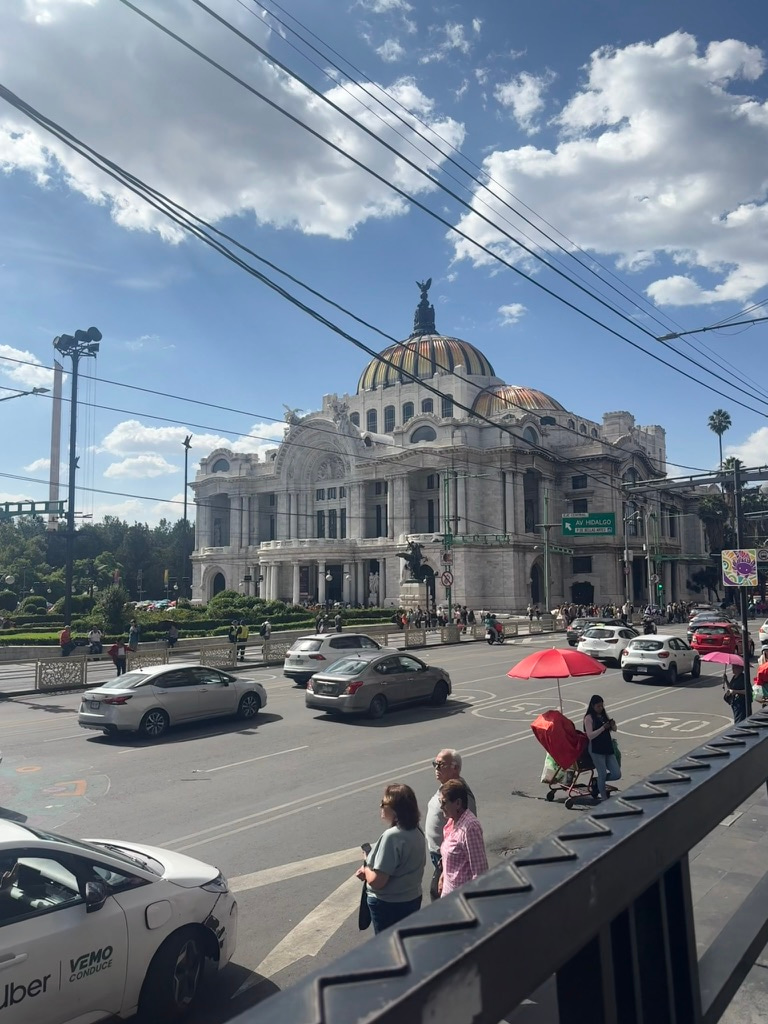
Being in Mexico City has allowed me to immerse myself in Spanish (something I have never done to this extent before) and enjoy the convenience of shops and restaurants right at my doorstep. The number of things to do here is daunting, but so far I have been able to explore local parks, the ornate Castillo de Chapultepec, and eat a wide variety of new foods. Mexico City is astonishingly diverse, and this has led me to interact with a variety of cultures through food, people, and architecture, among others, which has oddly brought me a sense of familiarity with my home in New York.
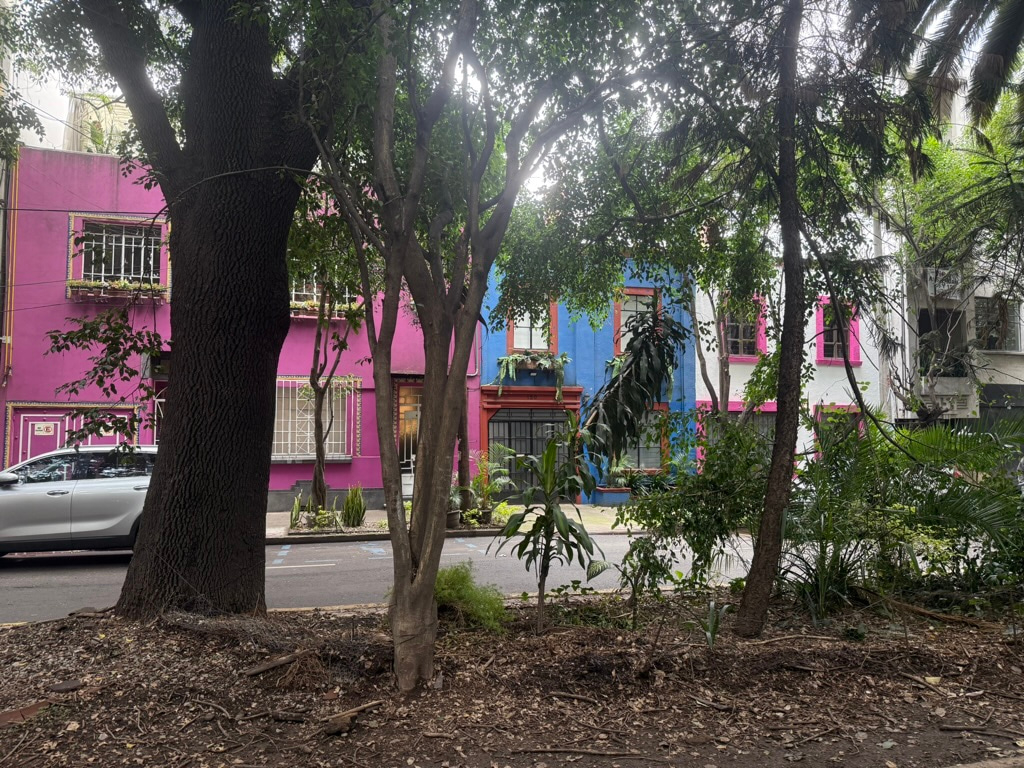
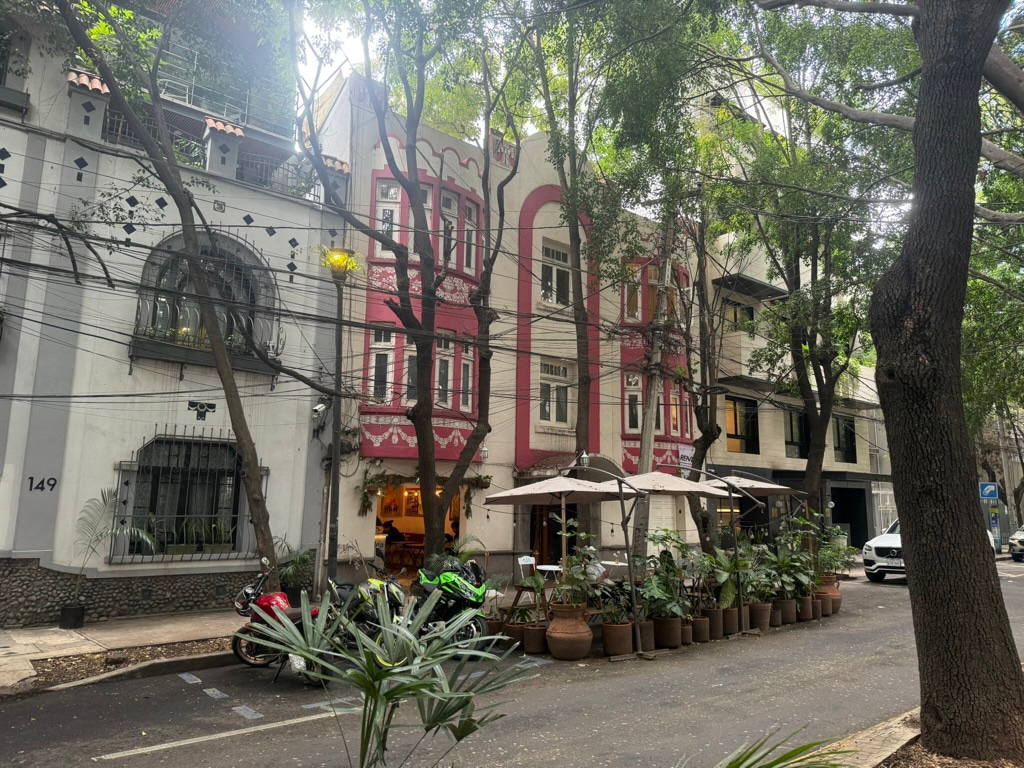
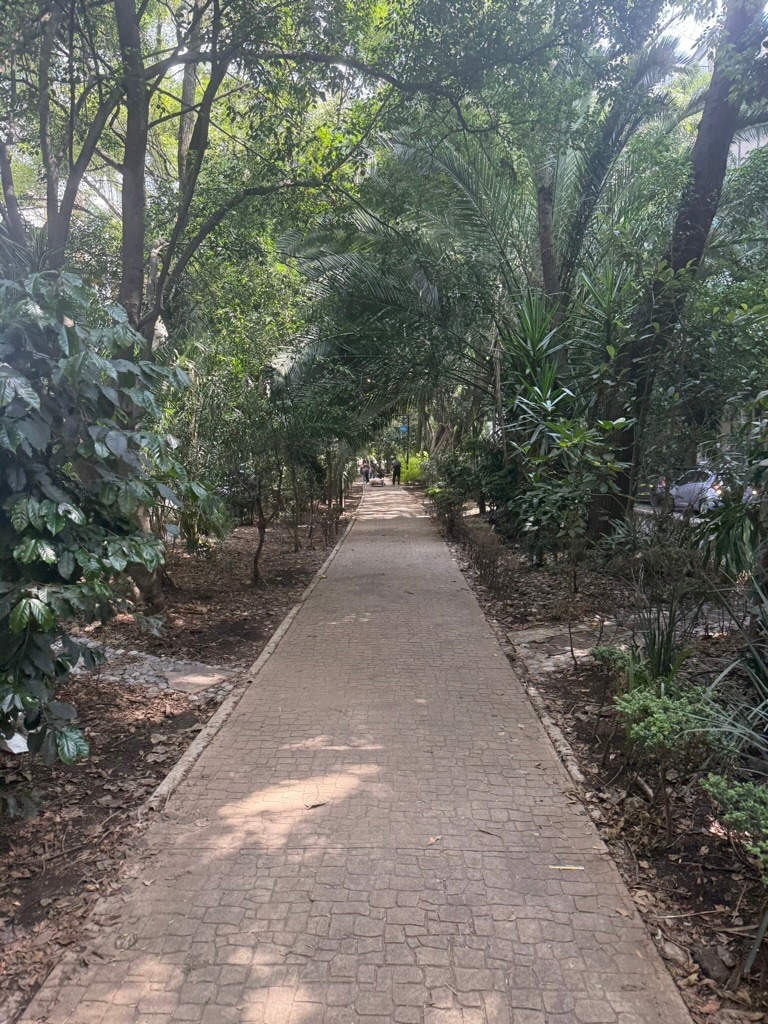
Naturally, living alone in Mexico City has been incredibly different. The city is endless, and I have barely scratched the surface of places to explore. Yet, the experience of living here has taught me much about dealing with celebratory noise after Mexico World Cup victories through the night and navigating the pouring rain and crowds every afternoon to make it back to my apartment. But being in Mexico City has often felt surprisingly tranquil, whether walking down lush, quaint streets or heading out to lunch with my fellow interns. Being in the city has slowly enabled me to comfortably interact with locals and be met with the sincere kindness of locals, who will always fondly greet you as you walk down the street.
Adapting to life here has been particularly difficult, especially given how close I am to the US and how often I work with my organization’s US-based team. However, struggles such as carrying massive water jugs back to my apartment and being extra cautious about where I eat have been better addressed by shifting my perspective to recognize that my lifestyle must align with the circumstances of my location.
Because my fellow interns here in Mexico City are all currently in law school and have much more work, educational, and international experiences than I do, learning to be confident and take advice from my colleagues has really helped me adjust and make meaningful contributions to the team. Learning to elucidate confidence in unfamiliar spaces has also really helped me outside of the office when speaking my rusty Spanish with locals, not letting the fear of failure or underperformance stop me from learning from others and forming deep connections.
Going forward, I’m excited to continue engaging with migrant workers, developing a greater sense of empathy and understanding to build trust and allow for more fluid communication. Moreover, I hope to become more adaptable and open-minded to leading with integrity and empowering migrant workers in any way I can. Through discovering and navigating a city so foreign to me, I have slowly recognized what it takes to move to a new location and adapt, allowing me to understand what migrant workers must experience with the added sense of exploitation and scrutiny. Thus, I hope to cultivate greater mindfulness and alternative perspectives to better engage with CDM’s mission and become an ethical and impactful leader for migrant workers.
 |
 |
 |




Please sign in
If you are a registered user on Laidlaw Scholars Network, please sign in