LIA A Cup of Pozol: Finding Community Through Tradition in Tabasco
Halfway through my Leadership-in-Action project
I have been living and working in Nacajuca, Tabasco, Mexico, where I am interning in the office of Juez Calificador (Municipal Administrative judge). Each day, I observe how local disputes are resolved through dialogue, mediation, and mutual agreement. Community members come to the office with issues ranging from family disagreements and neighborhood conflicts to unpaid debts, and rather than immediately turning to formal court proceedings, the judge works to help both sides reach a fair resolution.
While learning about Mexico’s legal system has been one of the highlights of my internship, one of the experiences that has impacted me the most happened outside of the courtroom.
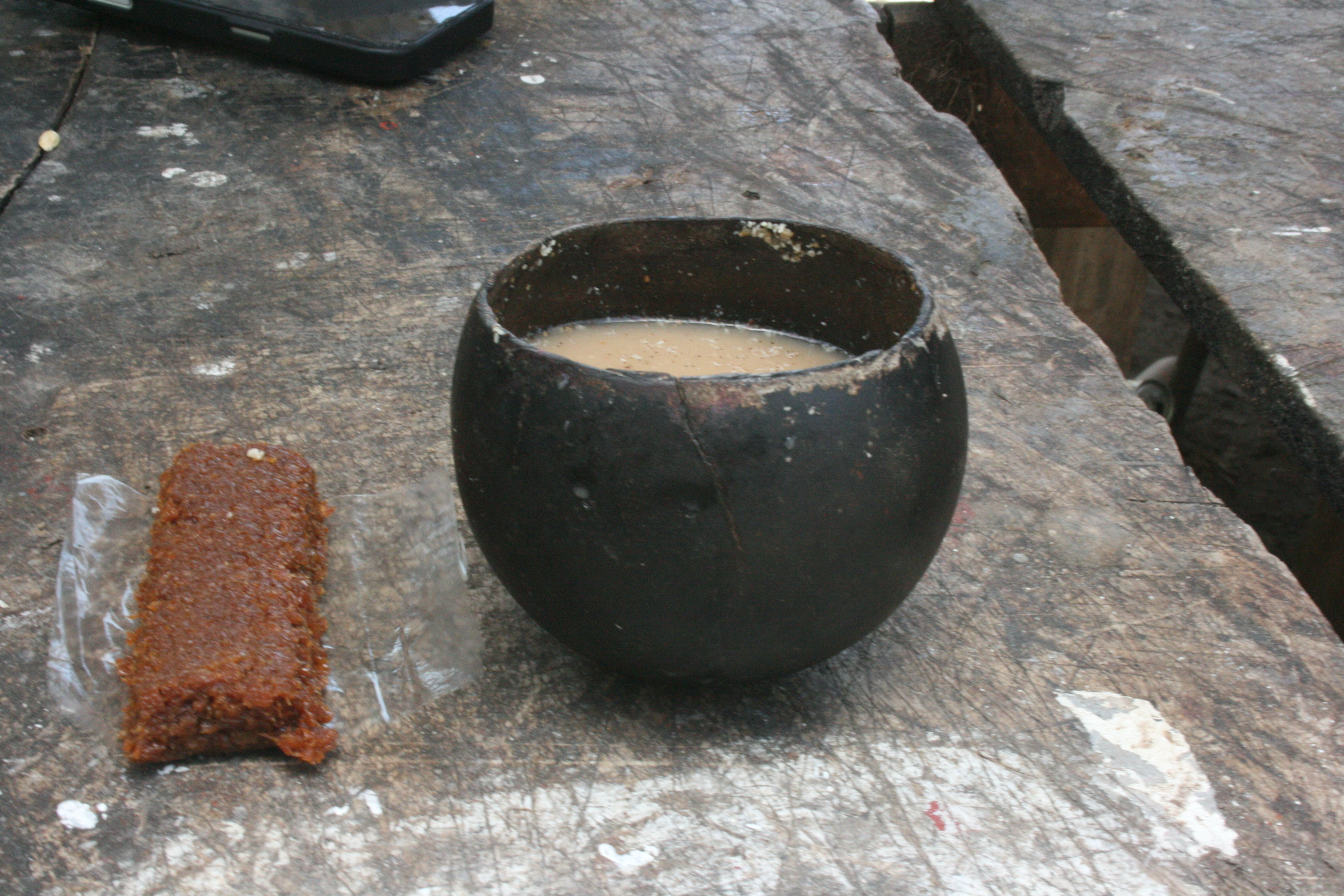
One afternoon, I brought Pozol, one of Tabasco’s most traditional drinks, to share with everyone in the office. What started as sharing a refreshing beverage quickly turned into an afternoon of conversation and storytelling. Sitting together over cups of Pozol gave me the opportunity to connect with my coworkers beyond our daily work. They shared stories about growing up in Tabasco and also shared the history of Pozol and how it’s a big part of their culture.
Before coming to Tabasco, I knew nothing about Pozol. Pozol dates back to the pre-hispanic times, it is made from corn dough (masa) and roasted cacao mixed with water to create a thick, refreshing drink. Because temperatures in Tabasco averages above 90°F during the summer, it's a way to stay hydrated and energized throughout the day.
Traditionally, it is served in a jícara, a cup made from the dried shell of a calabash fruit. While Pozol con cacao is the most common variety, many people also enjoy white Pozol, which is made without cacao and is often paired with traditional sweets such as coconut candy.
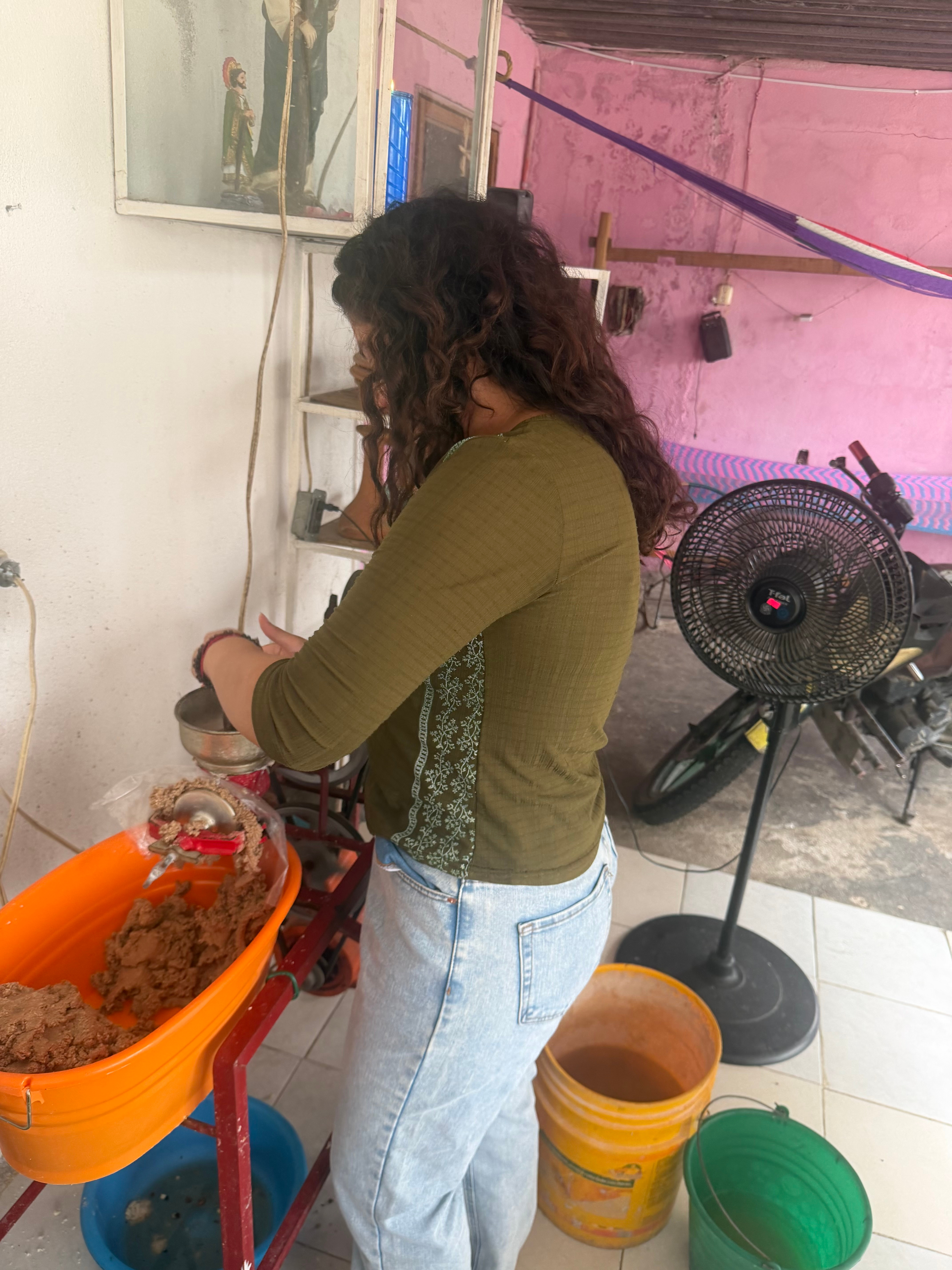
One of my favorite moments was learning how Pozol is made from scratch. I had the opportunity to prepare it myself by helping grind the corn, mix the ingredients, and shape the masa before it was blended with water. The process made me appreciate the time, care, and tradition behind something that many people in Tabasco enjoy every day.
This experience reminded me that cultural immersion extends far beyond observing. It also means participating in everyday traditions, sharing meals, asking questions, and building relationships with the people around you. Something as simple as sharing a cup of Pozol helped me feel more connected to my coworkers and to the community where I have been spending my summer. This experience has shown me that understanding another culture often begins with the small moments.

Hi, I'm Lorena Rodriguez, a sophomore at Cornell University studying Industrial and Labor Relations. I'm passionate about law, public service, and supporting communities that face barriers to accessing legal and educational resources.
Over the past year, I've sought out opportunities that align with those interests. I volunteer as an ESL tutor with Friends of Farmworkers, where I teach English to Spanish-speaking farmworkers in one-on-one virtual sessions. I also serve as the organization's Social Media Chair, creating content and outreach strategies to increase engagement and connect more students with our mission.
This summer, I'm completing my Leadership-in-Action project in Tabasco, Mexico, where I'm shadowing a Municipal Administrative Judge. Through this experience, I've observed how local disputes are resolved and gained insight into a different legal system while also learning about public service.




Please sign in
If you are a registered user on Laidlaw Scholars Network, please sign in