Leadership Lab - Melanie Woodin
Listen as a Podcast
 About This Episode
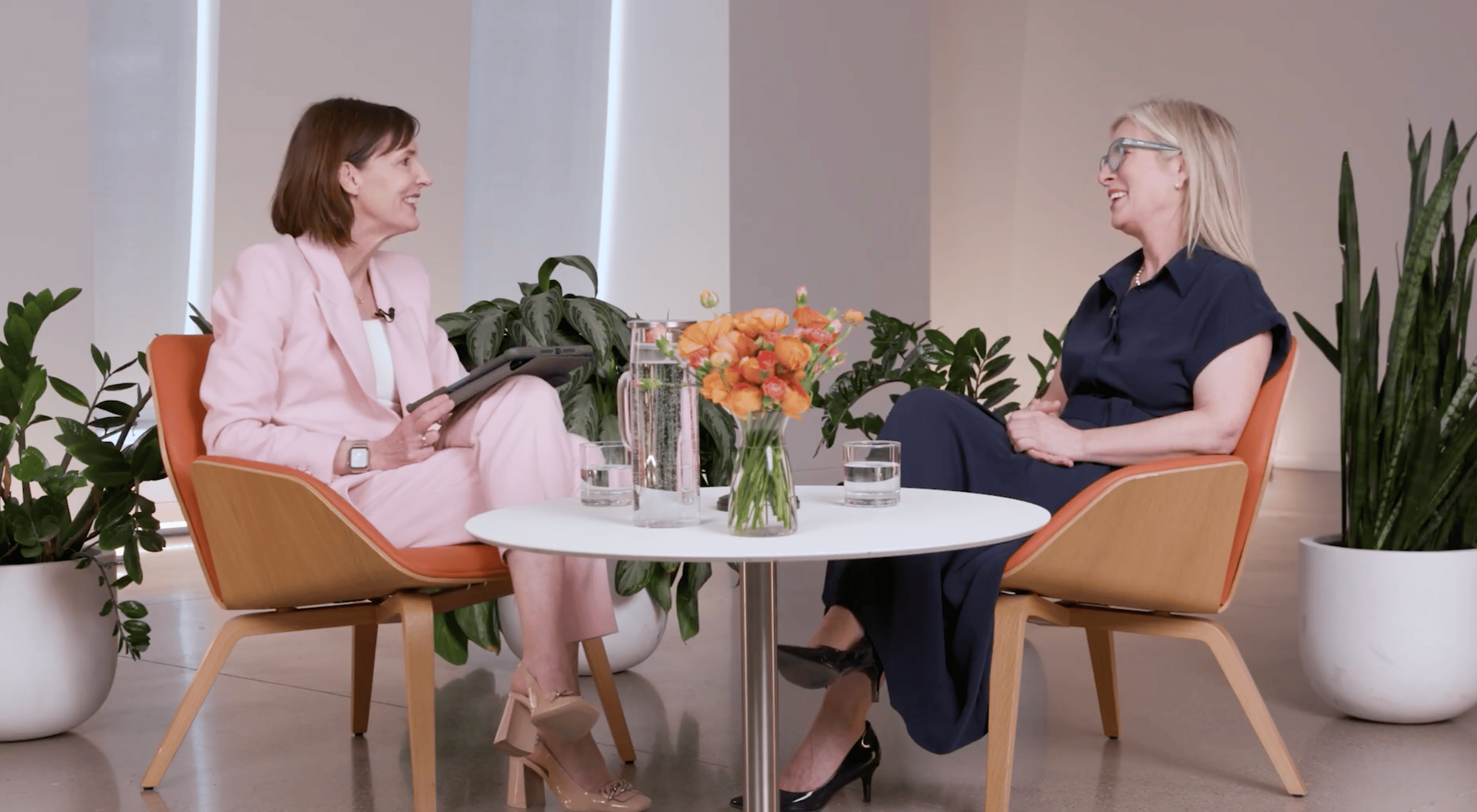
In this episode of the Leadership Lab series, Susanna Kempe, CEO of the Laidlaw Foundation, speaks with Professor Melanie Woodin, 17th President of the University of Toronto, internationally renowned neuroscientist, and the first woman to lead the institution in its almost 200-year history.
Woodin's leadership began long before she held any title. As a new faculty member, she noticed students losing interest in a departmental seminar and set about fixing it. She wasn't trying to lead, yet others saw leadership in what she had done, and their recognition gave her the confidence to find the next thing worth improving. The bigger turn came later, when she chose to leave her own research behind. Her discoveries, she reasoned, would be made by someone eventually, whereas her leadership could advance a thousand research programmes and change the experience of tens of thousands of students.
She is strikingly honest about the loneliness of the role, a truth she had read about but only understood when the pandemic arrived weeks into her deanship and the weight of decisions about students, budgets, and jobs came to rest with her. Out of that period came one of the most human moments of the conversation: the daily, unpolished emails she wrote to 35,000 students, which taught her that she leads best when she stays close to the community she serves. The same instinct still sends her, unannounced, to join a student-run club on a Wednesday night.
Throughout, Woodin keeps returning to the belief that universities exist to shape who someone becomes, and that leaders earn trust by making decisions guided openly by their values, even when the harder path carries a cost. She reflects on what it meant to be the first woman in the role and why representation came to matter more than she had anticipated, the responsibility her university carries as the birthplace of modern artificial intelligence and the home of Nobel laureate Geoffrey Hinton, and her conviction that the work which makes us distinctly human grows more valuable in an age of accelerating technology. For Laidlaw Scholars, her message is a generous one: leadership is available to them now, at whatever scale they have, and it begins the moment they notice something worth improving and choose to act.
Timecodes
00:34 We often tell our Scholars that leadership is a journey, not a destination. Where did that journey begin for you?
03:02 When did you start thinking about moving from being primarily a researcher and academic to becoming the leader of an institution?
07:10 Having such deep knowledge of the university, how has your experience across different roles shaped your perspective as President?
09:05 This is a critical moment for universities globally. In many ways, they are under attack, with their value increasingly being questioned. What does this moment mean to you?
11:58 Why do you think it took so long for the University of Toronto to appoint a woman as President? And what does it mean to you to be the first woman to hold the role?
16:37 You became Dean in 2019, just before the disruption of COVID-19. That must have been an extraordinarily challenging way to begin. What were the biggest obstacles you faced, and how did you navigate them?
19:47 I was struck by the fact that during lockdown you responded to student emails personally. How did you find the time to do that, and why was it so important to you?
23:57 What are some of the ways you stay connected to your community as a leader?
26:01 One thing that surprised me when I entered the world of academia was how much time university leaders spend fundraising. How did you develop that skill?
31:36 In your inaugural address, you spoke about living in a time of growing polarisation, increasing inequality, and the risk of the global order being disrupted. Do you still believe that is the case today?
34:10 What role do you think universities should play in shaping character and who a person becomes, not just what they know?
36:48 The University of Toronto is also a global leader in AI, which raises important questions about uniquely human qualities and how we integrate the two. How is the university helping to lead the conversation in this area?
40:53 It's inspiring to hear your optimism about AI. How would you summarise your vision of AI done right and its potential to benefit society?
44:44 Yet you've had the opportunity to meet many world leaders. Can you share examples of people who have remained fundamentally good while also achieving significant success?
47:00 With all the stresses, challenges, and pressures that come with your role, how do you make time to appreciate and celebrate its joys?
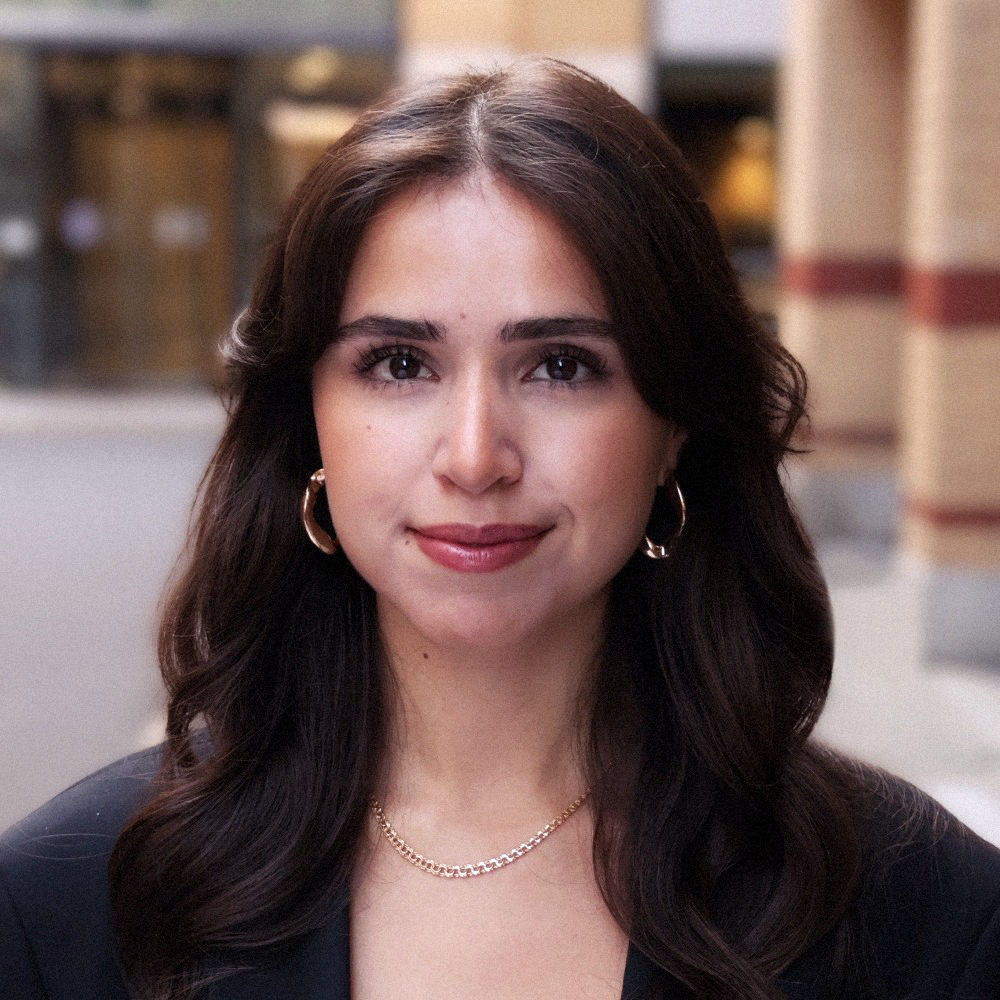
Hi! I'm Amanda, a third year Neuroscience student and Laidlaw alum from UCL. I'm Swedish-Persian and grew up in Sweden before moving to London for uni. These days, alongside my studies, I work for the Foundation as a Marketing Assistant.
For my first year research project, I worked on optimising alginate hydrogels for 3D astrocyte culture systems. In simpler terms, I was figuring out the best way to prepare a jelly-like scaffolds so that star-shaped brain cells called astrocytes could grow in three dimensions rather than flat on a dish. This matters because 3D environments mimic the brain more realistically, which could help researchers develop better treatments for neurological disorders!
For my Leadership-in-Action project, I co-created Beyond the Books, a resource designed to help students from underrepresented backgrounds navigate the unwritten rules of university life, from internships and networking to professional opportunities that aren't always obvious if you're the first in your family to go to uni.
Always happy to connect, whether you want to chat about neuroscience, widening access, the Laidlaw experience, or just say hello! One of my favourite things about this community is getting to meet people from different universities and backgrounds, so please do reach out! 🌟