Leadership in Action Blog : My first three weeks

I would like to begin the first blog post of my Leadership in Action project with the following quote: "Travel breaks the illusion that your current life is the only one possible." It was this quote that was rushing through my mind as I flew over the USA and envisioned myself in New York. It was this quote that I kept returning to as I immersed myself in and began learning about a bold and innovative school in Memphis, Tennessee: a school looking to transform the American high school education system through project-based learning, community partnerships and focusing on developing skills for the real world, in addition to learning content. It was this quote that sparked small bursts of joy as I began collaborating with the most incredible educators, community activists, and researchers to co-design an innovative pilot summer biology program for high school students, empowering them with the opportunity to engineer bio-solutions that tackle local and global health and environmental challenges.
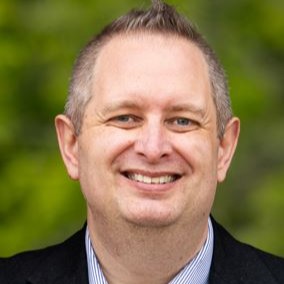
For anyone reading this who is hearing about me for the first time, hello! My name is Deep Thakkar, and I am a 3rd year undergraduate studying Biology at Pembroke College, the University of Oxford. I am also a Laidlaw Scholar at the Oxford Sustainable Development Goals Lab, part of a global community of students looking to help change the world for the better.
As part of the Laidlaw Foundation's Laidlaw Scholars Programme, I have been lucky enough to have the opportunity to actively develop my leadership skills and character and apply the lessons I've learned in local and global contexts. Last summer, I had the opportunity to work in an interdisciplinary team with other scholars to research which character strengths the University of Oxford should focus on cultivating in some new local school engagement programmes it is developing.
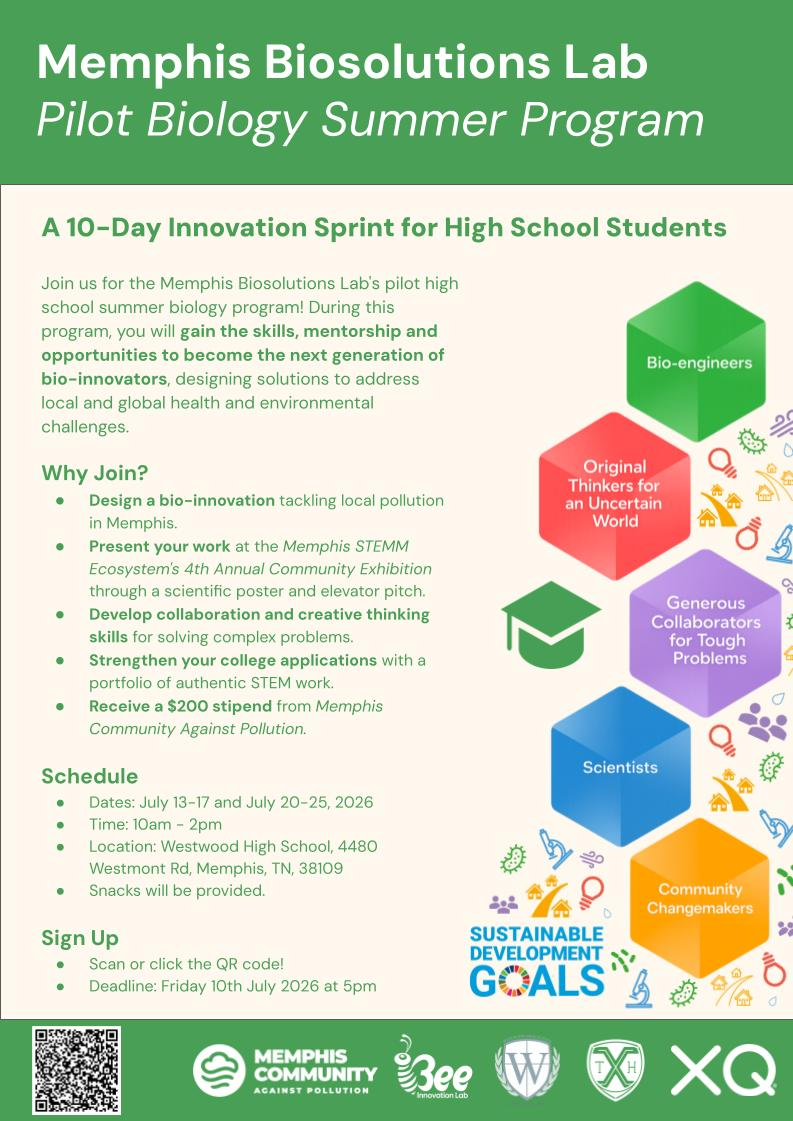
This summer, I am working together with Nikki Wallace of Cross Town High and Bee Innovation Lab, KeShaun Pearson and Ra'Kelle Lavon from Memphis Community Against Pollution, and Dr Andrea Jacobo from Protect Our Aquifer to create something I am so incredibly proud of: The Memphis Biosolutions Lab. Together, we are co-designing and delivering a pilot biology summer programme, providing students from historically underrepresented backgrounds with the opportunity to design bio-innovations tackling local pollution in Memphis. We believe that every young person has the potential to use science to drive meaningful, positive change. So, we wanted to create a programme that provides high school students with the skills, mentorship, and opportunities to become the next generation of bio-innovators, designing solutions to local and global health and environmental challenges.
In the space of just one week and with the help of pre-existing resources such as those created by XQ, Nikki Wallace, CrossTown High and Bee Innovation Lab, we were able to turn the Memphis Biosolutions Lab from idea to reality. At the time of writing this, we have just finished the first week of our two-week pilot programme! I am so excited to share more about what we are building together soon!
For the rest of this blog post, I want to take the time to reflect on the first three weeks of my Leadership in Action project.
Something that really inspired me during the first three weeks of my time in Memphis has been the incredible sense of community. From friendly conversations with uber drivers and people working at the local gym, cafes and restaurants; to working with Memphis Community against Pollution; and being in spaces like Crosstown High and the incredible hub that is the Crosstown Concourse, which celebrate community partnerships, I have been inspired by how open, welcoming and kind the people I met have been, and how passionate they are in nurturing and fighting for their communities. However, I appreciate that my experience of Memphis has been one of privilege. I am only here for a few short weeks and am staying in a relatively safe and affluent neighbourhood. I understand that I will not be able to truly experience some of the deep-seated issues that Memphians have been facing for a long time, such as systemic inequality, the lasting effects of segregation, and disparities in access to opportunity. Despite this, it has warmed my heart and moved me to see glimmers of hope and empowerment in the spaces that I have entered and the people I have met so far.
Over my first three weeks here, I have been actively practising the Laidlaw Change-maker values (Ambitious, Brave, Curious, Determined, Extra-ordinary, Fast and Good).
During my first week exploring Memphis and beginning to create routines, I pushed myself out of my comfort zone to be brave and start conversations with new people that I met whilst going about my days. Doing so helped me feel a sense of belonging and welcome, instead of isolation. I also let loose my inner child and embraced my curiosity, asking any and all the questions I had about the education system in the US and how XQ and Crosstown High are rethinking it.
During week 2, we began properly collaborating to turn the Memphis Biosolutions Lab from an idea that is ambitious and good to a reality. During this week, I found myself awestruck at the extra-ordinary power of blending together diverse experiences, talents and perspectives. We would not have been able to turn our idea into reality so fast were it not for our unique skill sets, perspectives and connections. For instance, Nikki Wallace brings years of experience in facilitating project-based and skills-driven learning; KeShaun Pearson and Ra'Kelle Lavon have a deep understanding of local pollution in Memphis; and Dr Andrea Jacobo is an expert in problem mapping and behavioural research. I helped bring this project to life by contributing my project management and organisational skills, digital design experience, and my ability to empathise with the young scientists participating in our programme. Additionally, I was able to dedicate the time and energy needed to develop a detailed plan of activities and the evaluation tools needed to assess the programme's success. This week affirmed to me how creating fast, positive change is indeed possible with the right group of people working together. This week also taught me the power of shooting your shot and networking! Towards the end of the week, we realised we would really appreciate the help of a researcher to develop effective materials and methods to evaluate our programme's success. By just being brave enough to reach out and call them on LinkedIn, we were able to bring the amazing Dr Andrea Jacobo onto the team!
At the start of week 3, we launched our pilot program! It has been wonderful to see the results of our hard work and the positive impact of the Memphis Biosolutions Lab so far. This week challenged our determination. For instance, we faced and overcame technical difficulties on the first day. I also had to step up and take on the responsibility of leading most of the activities this week, which allowed me to develop my skills in mentorship, public speaking, facilitating learning and creating uplifting and empowering spaces.
On Thursday of week 3, we had a team debrief and realised that we were falling behind schedule. As a result, we pivoted and adjusted the schedule of activities to give our young scientists enough time to design their bio-innovations and create a scientific poster and an elevator pitch for their work by next Friday.
One thing I created this week that I am particularly proud of is an Innovation Workbook that guides young scientists through the biodesign process with a series of questions to help them move from problem to solution, along with exemplars and success criteria. Today, our young scientists formed three teams with different focuses: Team Blu, which is addressing excess water consumption by XAI data centres; Team Airbenders, which is tackling nitrogen oxide pollution in Memphis; and Team Toxic Waste, which is focusing on soil pollution caused by lead, chromium, and arsenic. Today, the teams began working through the Innovation Workbook. I am so proud of all the great ideas they have come up with so far and the progress they have made! And I cannot wait to see their final solutions and hear their reflections on how they've grown during the showcase next week.
Looking ahead, my main goal is to return to healthier routines and a better work-life balance. Since the beginning of summer vacation, I have noticed that, without the external pressure of university assessments, I have slipped back into some of my old bad habits. I have been spending too much time scrolling on my phone and defaulting to it, which has impacted my time management. Because the creation of this program was a one-week sprint, my excessive screen time resulted in my not managing my time effectively and, in turn, needing to spend a few late nights completing the work that needed to be done. This has also resulted in me not dedicating enough time to exercise, eat well and take care of my health. Moving forward, I aim to reduce my screen time and return to healthier routines and sleep schedules so that I can show up as my brightest, kindest, and most effective self.
But that is all from me for now! I hope you all have a wonderful rest of your day and week :D
Sending you all lots of love and light,
Deep :)
p.s. special shout out to Lia Kirsten and Dr Kimberly Owens Pearson for helping out during week 1! And to Dr Jasmin Jeffery for giving an amazing guest talk for our Meet the Scientist series! We appreciate y'all so much! :D
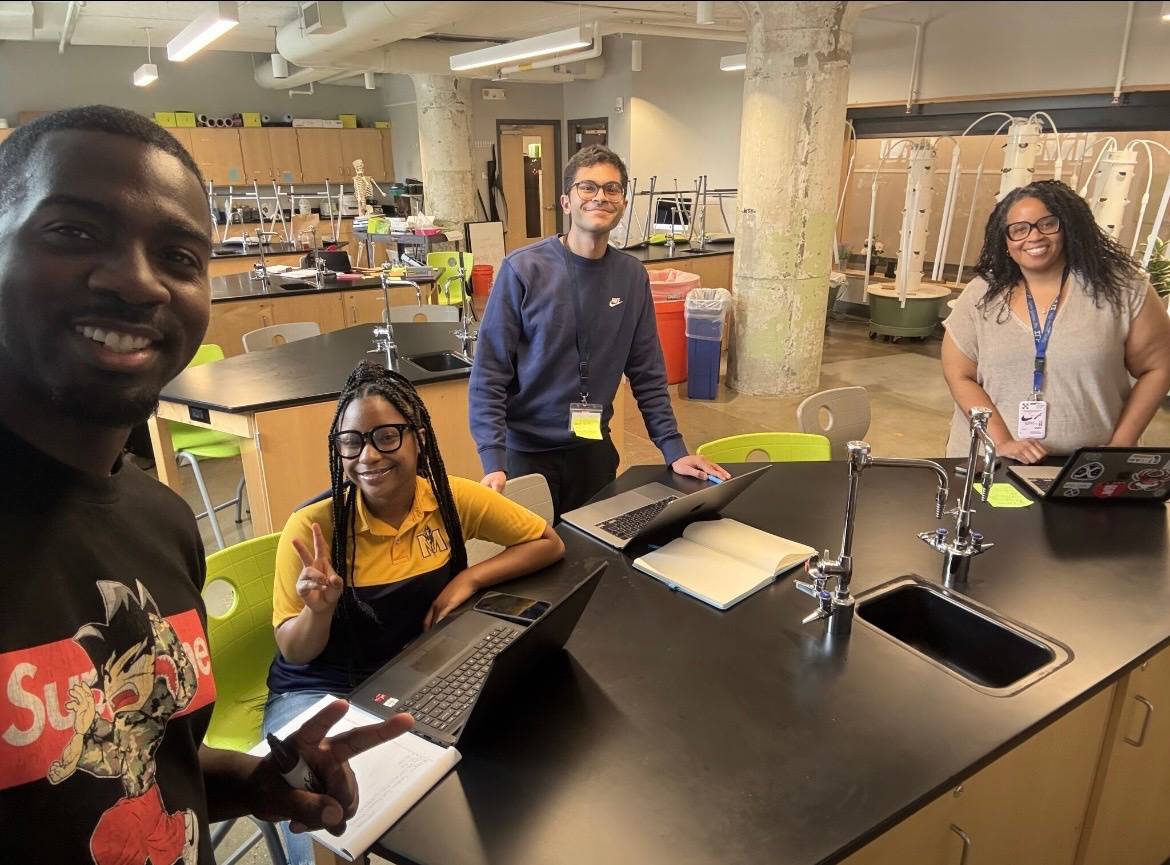
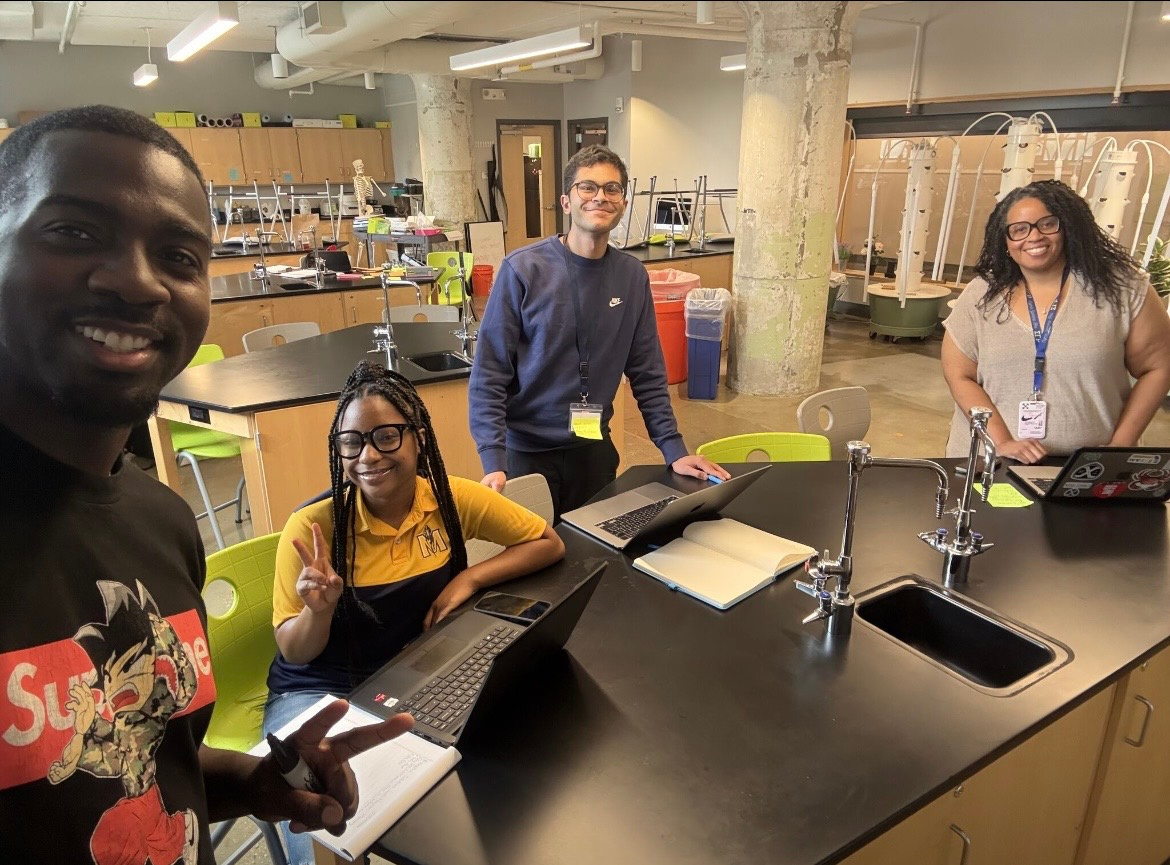
in the Crosstown High Biology Lab
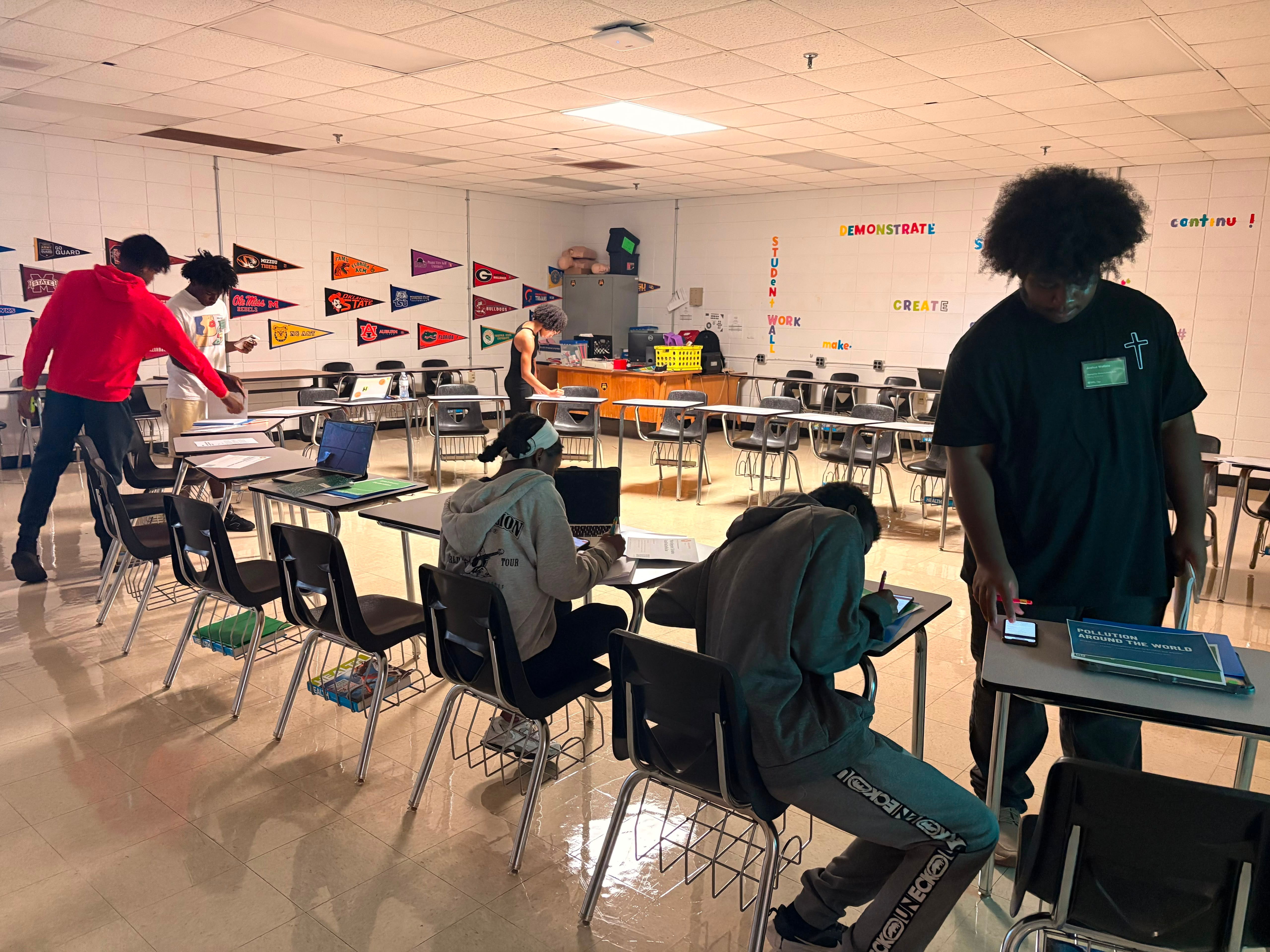
the world through a "Notice and Wonder" activity
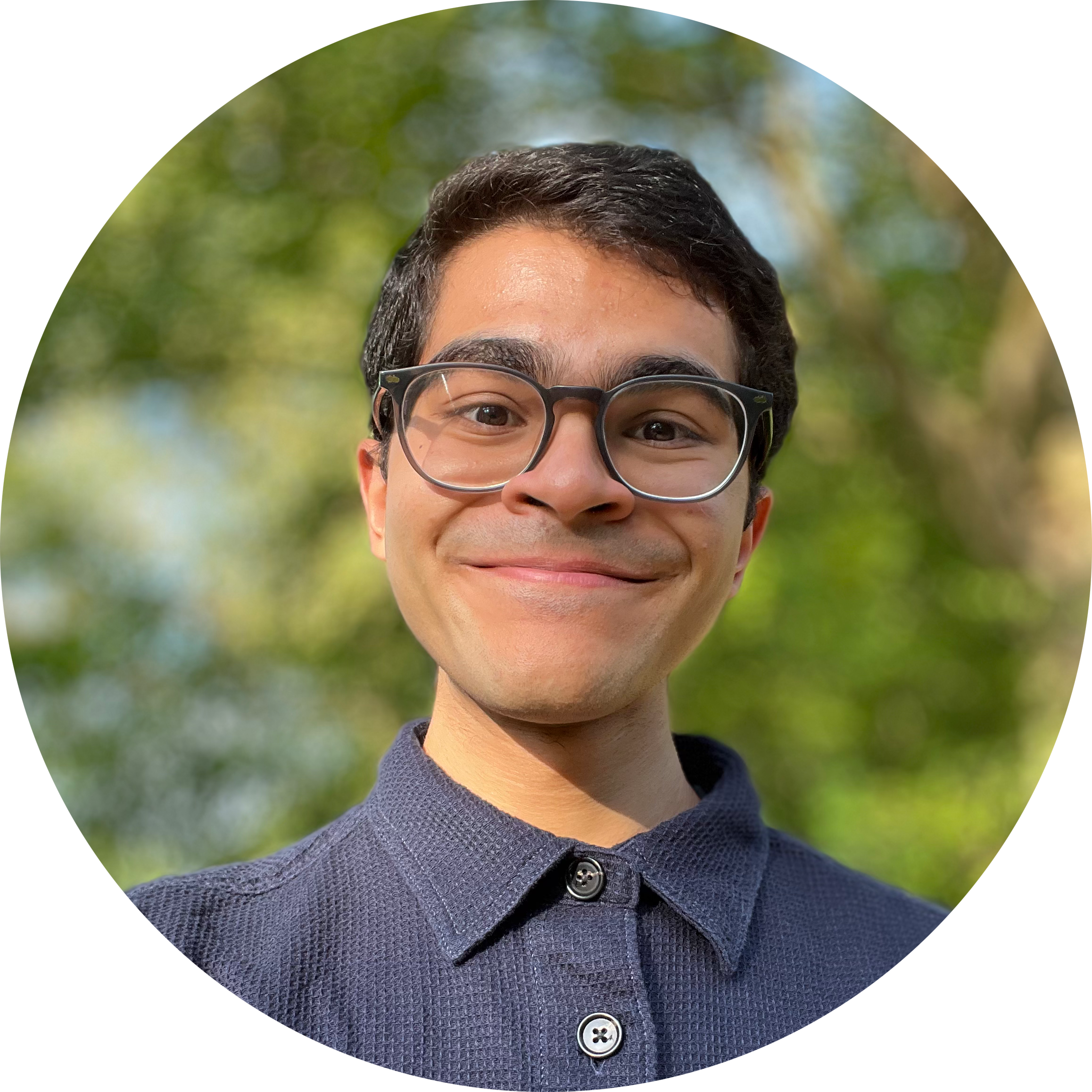
Hello wonderful people :D
My name is Deep and I am a first-year undergraduate studying Biology at Pembroke College, the University of Oxford.
I am also proud to be part of the 2025-2026 Laidlaw Scholars Cohort at the Oxford SDG Impact Lab!
I'm excited to learn about and get experience in using biology to create a meaningful impact in the world, particularly in the fields of conservation, climate change, ecology and sustainability.
I am also passionate about learning science and student empowerment! I hope to help build a world in which every child and student has the resources, support, guidance and opportunities to dream big; turn their dreams into goals; and turn their goals into reality. I hope to help build a world that is brighter, kinder and more loving, in which more people reach their full, golden glowing potential.
So far in my leadership journey, I have been creating meaningful impact on a small scale, through volunteering as a tutor and at my high school's pupil support centre; my current role as a student mentor at Biology By Clare; and more recently starting an online academic empowerment project! Over the years, I have become fascinated with ways we could empower more students using larger-scale initiatives, at the levels of education policy, charities and other organisations. Hence, I am very excited about my Laidlaw research project!
For my research project, I am going to be working in a group with some of my Laidlaw Scholar friends at the Oxford SDG Impact Lab. We are going to be researching how we can use co-curricular programmes to improve student well-being and educational outcomes, particularly with the hope of helping solve educational inequity in Oxfordshire.
Outside of Biology and academic empowerment, I love English Literature; Drama, Theatre and Film (I'm currently obsessed with the Wicked!). I am also a big Taylor Swift fan :)
Feel free to reach out if you have any questions, want to work on a meaningful project together, or just want to have a good conversation :)
(I prefer email or Instagram)
I am immensely grateful for this opportunity and for being part of this incredible global community. Wishing and sending everyone here so much joy, light and happiness! I'm rooting for you!
Here is a link to my YouTube channel by the way, in case you want to check it out :D
A link to my YouTube channel, in case you want to check it out :D
A link to my empowerment Instagram channel
A link to my personal Instagram account
My email: deep.thakkar.world@gmail.com