Field Journal - Week 3 🌎
Here are some key highlights of my research progress throughout Week 3 of my first summer as a Laidlaw scholar:
1. Solidified my coding framework across not only individual level variables, but also systemic variables to capture the sociopolitical dynamics and structural determinants that may interact to yield poor immigrant health outcomes.
2. Coded through about a third of the postmortem reports, learning about the stories behind each and every death in detention. It remains difficult for me to read all of these reports in full without having an emotional response to the difficulties and tragedies faced by these individuals. As such, my coding process has continued to be motivated by my ethos of capturing these stories with empathy through a holistic and ethical approach.
3. I read a couple articles and book chapters from collections I checked out form Stanford's libraries that really bring the migrant story perspective to life in my research process.
4. I've secured meetings with authors, professors, and practicing physicians to gather multiple perspectives on my framework so that I can situate the trends I have identified already within the broader interdisciplinary conversation of immigrant and minority health as it relates to policy in the United States of America.
This week, I also attended a leadership workshop which I will reflect on below:
1. How have the workshops and discussions on leadership this week changed your understanding of what leadership means?
The workshop and discussions on leadership this week fortified my understanding of leadership as a collaborative and synergistic mechanism for growth, development, and success. By amplifying the voices of those around in a team dynamic with open communication and a true value for the passions and talents of the individuals one is surrounded by, true leadership can be embodied. It is important not only to understand the tangible stakes at hand including deadlines, deliverables, and other factors where hard-skills can be applied, but also to understand the social dynamics of a team to achieve a sort of flow. Just "getting it done" isn't leadership, and neither is pure efficiency if it costs the feelings and unused passions of those around you.
2. How might you imagine applying one model of leadership during your Laidlaw summer on campus—either within the Laidlaw cohort or beyond this community? While we often associate leadership and leaders with seniority, how might leadership be modeled among individuals who are among the youngest people on campus (i.e. you!)?
During my Laidlaw summer on campus, I will apply my model of empathetic, yet analytical and relational leadership by serving as a helping hand in whatever capacity is needed. When peers in my cohort have communicated obstacles in their research journeys, I have made it a priority to share ideas to overcome them especially if I have experience with a similar situation. Beyond this community, I serve in multiple leadership positions that I look forward to applying the lessons I learned thus far towards. Whether it be in my political science organizations, or my dance team, I will channel ambition with a priority to communicate.
The status quo of leadership and leaders being associated with seniority is one that my experience in student government has helped me break down very quickly. Coming into college, I understood leadership among the youngest people on campus to be modeled through a genuine passion and dedication to collaborative endeavors. As first year (and rising second-year) students, it is important to understand that leadership among our age group is about the willingness to put others before ourselves and being genuinely excited about our peers' success. A step further would be helping our peers get ahead without operating in fear that one person's win is our own loss. It's all about building community and valuing those within it for who they really are.
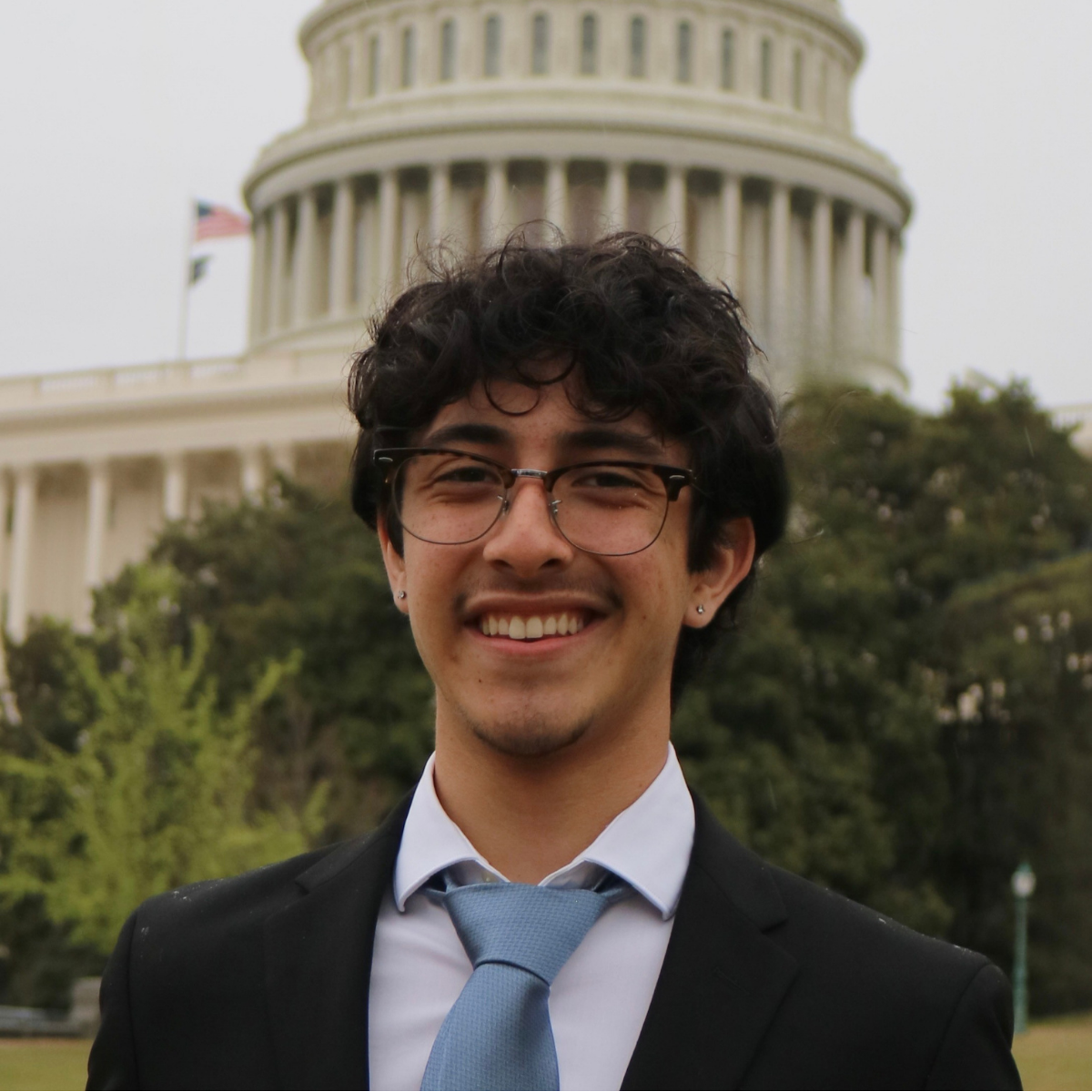
Hello! My name is Christian Rebolledo, a rising sophomore in Columbia College at Columbia University studying Political Science and Medical Humanities with a Special Concentration in Public Health. I am passionate about intersecting the worlds of public health with political advocacy: people are social, and thus political. I am passionate about community building, civic engagement, and building systems for the next generation of leaders across disciplines.
For my first summer as a Laidlaw scholar in the 2026 cohort, I will be characterizing postmortem data from ICE detention centers to identify trends across factors relatd to social determinants of health. I look forward to uncovering the quantitative facets of qualitative reporting currently populating the literature on carceral justice and public health.
![[LiA Poster] The Human Cost of the Green Transition: Indigenous communities and the Critical Minerals Rush in Australia](https://images.zapnito.com/cdn-cgi/image/metadata=copyright,fit=scale-down,format=auto,quality=95,width=256,height=256/https://images.zapnito.com/users/877945/documents/326599/53035ac0-e8bb-4695-bcc0-db0d93e2dad9-med.jpg)