Design and Optimisation of Ion-exchange Technology for Defluoridation of High-Fluoride Groundwater in Tanzania

Supervised by: Dr Thomas Robshaw, Nuclear Engineering Group, University of Leeds
Background
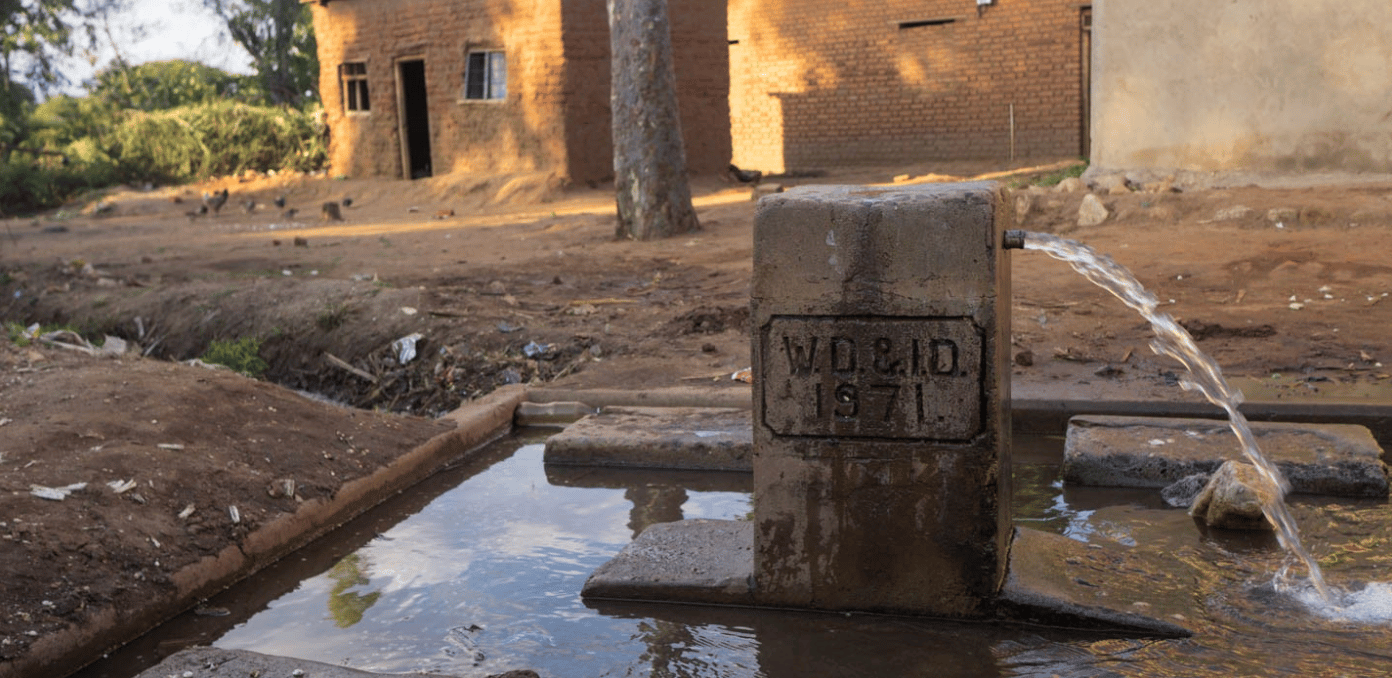
In Tanzania, groundwater serves as the primary water source for 75% of the country’s population. This same water exceeds the WHO’s safe level of fluoride concentration of 1.5 mg/L by up to a factor of almost 50 in certain areas due to the presence of volcanic rock that releases fluoride ions into the water through mineral dissolution. This summer, I will be working on optimising a way of removing fluoride ions from water in a sustainable manner that can provide people in Tanzania with a safe and renewable water source.
Objectives
The work of previous Laidlaw scholars has identified the IDA-Al3+complex as the most effective resin for fluoride capture at high and low concentrations. I will aim to confirm these results through further testing and the use of isotherm modelling. However, my work will be primarily focused on improving the regeneration process that removes the fluoride ions from the resin allowing it to be reused. I will investigate how using different eluents and changing the flow rate of the eluent through the resin will affect the fluoride recovery, in order to identify the eluent that is most effective at fluoride recovery. Finally, I will also be conducting a technoeconomic analysis where I will research the cost of the resin system and the cost per volume of treated water, and compare these to the costs of existing methods. This will allow us to propose our system to NGOs and local water authorities with the goal of implementing the system as a sustainable, clean water source.
Impact
This project could significantly improve public health in Tanzania: excessive intake of highly fluorinated water results in dental fluorosis, leading to tooth discoloration and enamel damage, and skeletal fluorosis, which can cause joint pain, chronic pain, and an increased risk of fractures. Providing an effective and affordable method for the defluoridation of groundwater would help mitigate these issues and improve the well-being of communities in affected areas.
Motivation
The humanitarian aspect of this project is what appealed to me the most: having spent a lot of time in labs as an undergraduate in a BSc degree, I was excited by the prospect of participating in research that can actually result in tangible change. I hope that by participating in this project, I will have the opportunity to use lab work to tackle a real world problem.
Hello everyone!
I am a first year Natural Sciences student at the University of Leeds, and I am interested in pursuing a career in research. I'm currently studying Physics, Chemistry and Maths and am fascinated by the practical applications of sciences and how they can help others.
My Laidlaw research project is focused on the defluoridation of groundwater via an ion exchange process. I hope to be able to take my research and implement it in Tanzania to provide a sustainable water source for people in Arusha.
