CraftHER Week 2 LiA Reflection


Week Two in India marked the beginning of our first mini-consulting project of the CraftHER programme. From Monday to Friday we were based at Forest Post, an eco-conscious brand which sells products hand-made by the indigenous women of six different tribes in Kerala’s forest region.
Across the week we had the pleasure of meeting a plethora of the awe-inspiring women who create the products for the brand. As well as assisting them in the production and packing process for the skincare products (including hair oil, beeswax soap and balms) and attending various craft-workshops (including bamboo mat weaving) our primary focus was shooting B-Roll content and interviewing the women to create three promotional videos for the brand’s instagram, as per the brief given to us by founder Manju at the beginning of the week. This was in addition to 6 blogs (1 per scholar) to be written for the Forest Post website.
At first, I think we were all a little uncertain of what we ought to ask the women and what would be appropriate to film for the interviews. Our reluctancy was exacerbated by the matter of the language barrier: the women could not speak English and we cannot speak Malayalam. However, with some encouragement from Preetha, who acted as translator, we started off with simple, informal conversation topics such as questions about their family, and this often led directly into a wider discussion of their experience of living in the forest.
For instance, the first woman that I started a conversation with shared that her father had been killed by an elephant stampede. This came as a shock as I didn’t know that elephants could be aggressive and kill humans. When my fellow scholars and I inquired why the elephants had stampeded she explained that habitat destruction and invasive tourism were causing these gentle giants to fear humans and retaliate by showing aggression to any that they came across even if those individuals were tribal people who meant them no harm. The anecdote shed light on how outside interference in the forest could destabilise the fragile harmony of co-existence that the indigenous people had cultivated with nature. In this way, by being curious I was able to gain insight into some of the challenges that the indigenous forest communities face. Moreover, what I had gleaned from this conversation was not merely useful in providing content for a promotional video but also in reconfiguring my perception of what it would be like to live among wild animals, like elephants, in the forest.
Another anecdote which had a similar impact, of dismantling my preconceptions about forest living was that of the bathing tigers. Chandrika, one of the women that we spoke to at Forest Post’s manufacturing unit, told us about a time when her and her husband were walking through the forest and came upon two tigers. One tiger was bathing and the other was watching from the edge of the water. When the tiger caught sight of the couple it raised its hackles, taking up a threatening stance. Naturally, Chandrika was frightened by this but her husband told her not to be afraid and said he would just go and tell the tiger that they meant it no harm and just wanted to pass by. After he did so, Chandrika told us, the tiger settled and laid down to rest once more allowing the couple safe passage past. This story was absolutely incredible and left all of us in an initial state of surprise. Our one-dimensional view of about tigers being dangerous predators, heartless killing-machines, had been entirely dismantled. Instead, we learned, that through humility and respect the indigenous people seem to be able to live in perfect harmony with wildlife in the forest, including tigers.
I’ve learned so much this week, having come into it with little to no understanding of indigenous ways of life. The brief, which required us to spend lots of time talking to and working with the women, had the effect of allowing me to understand just how much wisdom the women have. Their understanding of the forest and how to use but not over-use its resources for food and everyday utilities is second-to-none. Indeed, many of the Forest Post edible products are based off of the ancestral recipes and blends of the indigenous people.
Later in the week, having gained more courage to be curious and ask deeper questions, paired with the humility to accept that I was entirely ignorant of their life experiences, I learned that their ability to survive displacement (due to the construction of damns), abandonment by their husbands, derived from a resilience which came first from accepting things as they are, not fighting or denying it and then moving forward and finding solutions.
Another key facet of the community that I observed was the systemic attitude of women being supportive of other women. Being a staunch feminist, this trend struck me more than anything else and compelled me to have it as the focus of the blog that I wrote for Forest Post, as per the guidelines of our brief.
The challenge for us this week then was to convey in three short promotional videos, the brilliance of these women who work at Forest Post and so how worthwhile it was to buy the brand’s products. In this aim, I think we as a consulting team were very successful. The three videos that we presented to Manju on Friday were authentic yet purposeful in trying to market Forest Post’s products and Manju seemed pleased with the content that we had created and eager to use it on the brand’s social media.
My own personal challenge this week was being a successful group leader. I had the tasks of ensuring that: everyone was on-time for sessions and fully informed of admin details or scheduling changes; everyone was working collaboratively towards our mini-consulting project outputs; keeping the CraftHER social media up-to-date and generally making sure that everyone in the team felt supported throughout the week. Throughout the week everyone was pretty much self-sufficient in terms of being on-task with the work as each of us are industrious people who want to give our all to each task that we’re given. However, given that Friday was our first end-of-week presentation, the team needed more guidance and support than usual with the presenting element, due to nerves. I feel that here I really came into my own in giving directions on how the presentation should be delivered, who would be best placed to speak when and what were the main points to be conveyed. Everyone did incredibly well and I was really proud to have led the team through such a successful presentation and week.

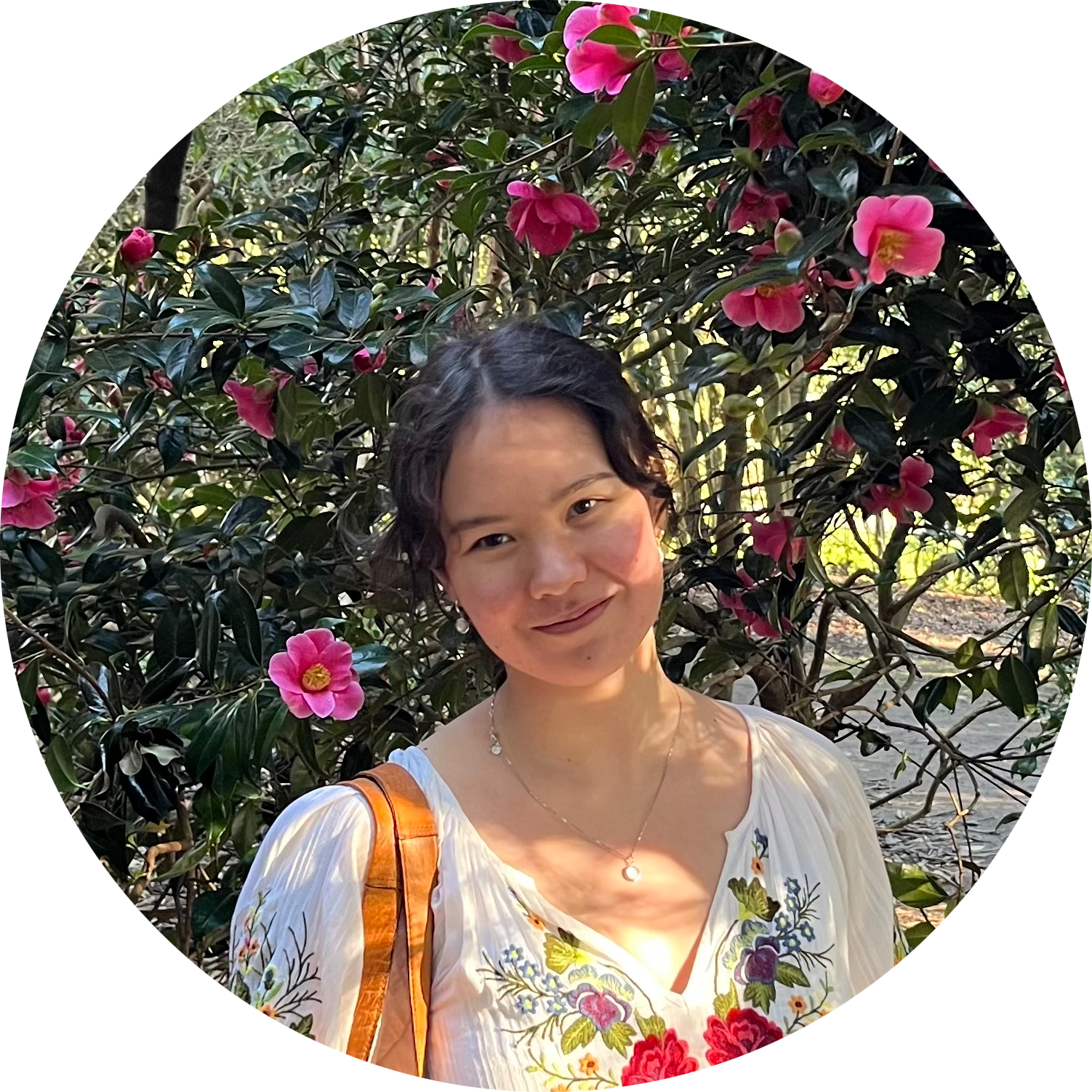
Hello, my name is Erin and I am a third year Classics student at Durham University. I am thrilled to have been accepted onto the Laidlaw Leadership and Research Programme as part of the 2025 cohort.
I have always been what I consider to be academically curious but what is more colloquially termed as nerdy - especially in regards to Classics (I just love learning new things!). I also have aspirations to undertake a career in humanitarian work, driven by my desire to fight for social justice and empower others to do so.
In this way, the remit of the Leadership and Research programme, to cultivate leaders whose actions are both ethical and data-driven, appeared to me to be perfectly aligned with my own interests.
I have had previous experience in the various domains of the programme: in terms of leadership, I was Head Student at my Secondary School in my final year; in terms of research, I completed a 5000 word EPQ research paper in Year 12; and, in terms of social impact, I have had some volunteering experience at a local food-bank.
However, I am both aware of and looking forward to the fact that this programme is going to really challenge me mentally, emotionally and physically when it comes to the research project, the Oxford Character Project and the LiA, respectively. I am hopeful that the programme will lead to lots of personal growth and assist, alongside my degree and other uni experiences, in equipping me with the tools I need to be the driving force behind the change I want to see in the world after graduation!