Research Proposal: The Deinfluencing Paradox: When Anti-Consumption Becomesa Marketing Strategy in Toronto’s Direct-to-Consumer Brand Landscape
Preview
In early 2023, a wave of TikTok creators started telling their audiences to stop buying things. The movement felt genuinely radical: young people pushing back against overconsumption, viral hauls, and the relentless churn of influencer culture. Within months, brands had absorbed it. They began commissioning deinfluencing content, paying creators to perform skepticism toward products while quietly driving purchase intent. The resistance had become the strategy.
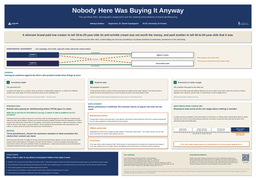
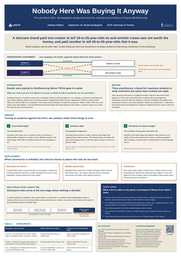
My research investigates exactly how that absorption happens. Working under Professor Dan Guadagnolo at the University of Toronto, I'm conducting semi-structured interviews with marketing leaders at six Toronto-based direct-to-consumer brands to understand how they think about deinfluencing partnerships: what they commission, what they expect, and where their intent diverges from how creators actually interpret and execute the work.
The project sits at the intersection of critical marketing theory, media studies, and platform economics. Drawing on scholars like Sarah Banet-Weiser, Mark Fisher, and Brooke Erin Duffy, I'm building toward an Authenticity Spectrum Framework that maps deinfluencing campaigns along a continuum from genuine brand-creator alignment to cynical co-optation: a tool that will be useful for consumers, brands, and eventually, regulators thinking about disclosure in branded anti-consumption content.
What excites me most about this research is the paradox at its core. Deinfluencing works as marketing precisely because it looks like it isn't marketing. Understanding the mechanisms behind that illusion is important to me and for anyone trying to consume thoughtfully, advocate authentically, or simply understand how dissent gets priced and packaged in digital culture.