
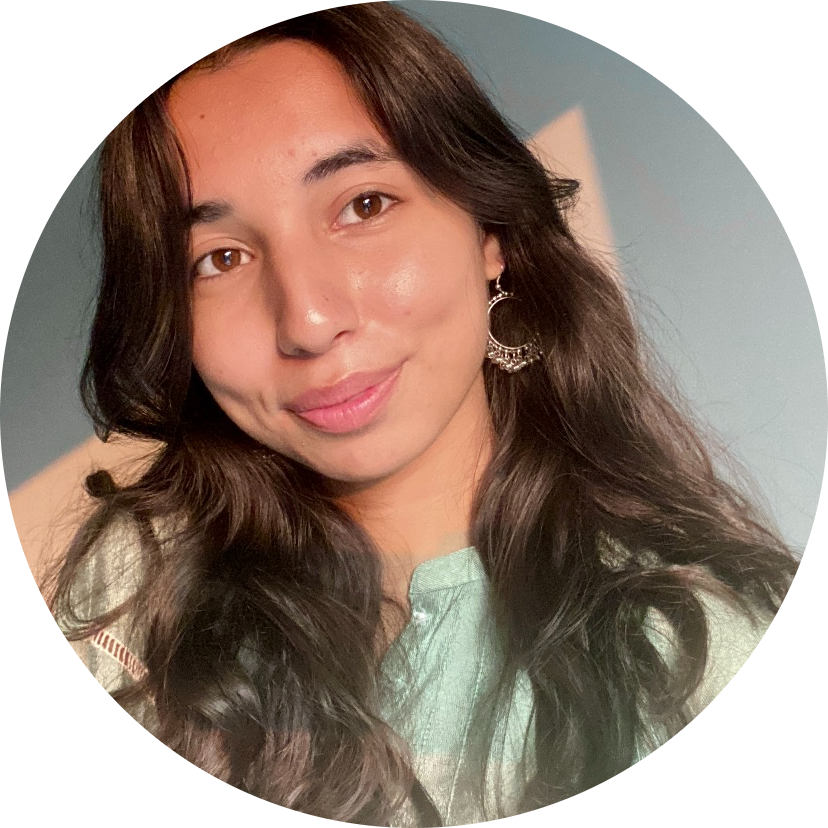
Hi! I'm Humna, a third-year Geology student at Imperial College London. I'm originally from Pakistan and moved to London for university. After three years exploring everything from volcanoes to critical minerals, I'm now starting my master's, specialising in Mining Engineering and Design.
For my first-year research project, I looked at whether we could store large amounts of carbon dioxide in saline aquifers beneath the North Sea. It brought together geology, sustainability, policy, economics, and infrastructure planning to explore one big question: how can we safely lock away the carbon we've already emitted? As we work towards net zero, reducing emissions is only part of the solution—we also need ways to deal with the CO₂ that's already in the atmosphere.
This summer, I'll be heading to the Pilbara region of Western Australia for my Leadership-in-Action project, where I'll be working with Indigenous communities and researchers at ANU's Rio Tinto Centre for Future Materials. I'll be diving into Native Title and UNDRIP, helping facilitate community workshops, and co-producing a short documentary to support research that's genuinely informed by First Nations voices as demand for critical minerals continues to grow. It's a mix of mining, policy, storytelling, and spending a lot of time listening (which is probably the most important part).
Outside of geology, I'm always up for conversations about climate, science communication, widening participation, the Laidlaw experience—or anything you're passionate about. One of my favourite things about this community is getting to meet people with completely different interests and backgrounds, so if you'd like to chat, collaborate, or just say hello, I'd love to hear from you!

Hello everyone!
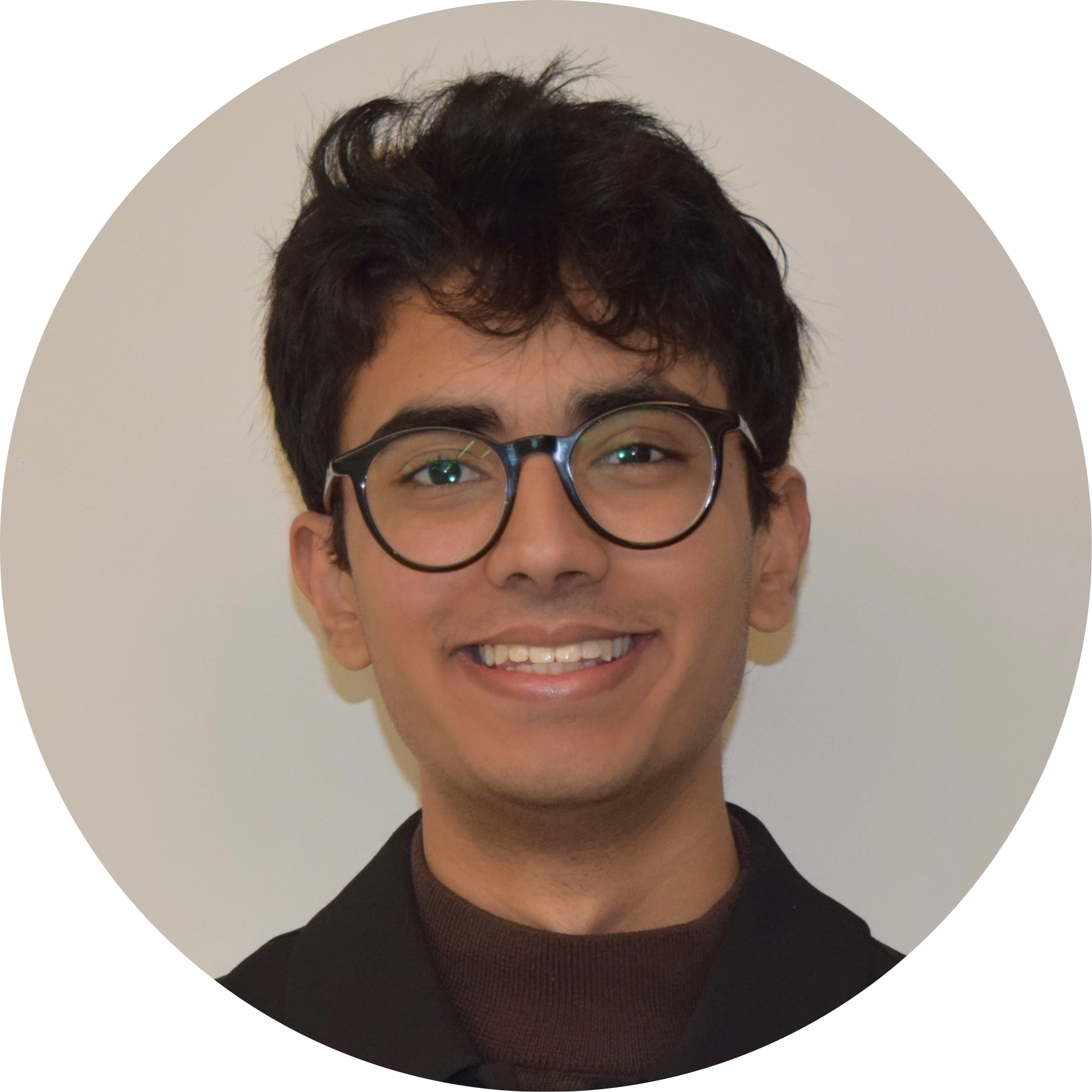
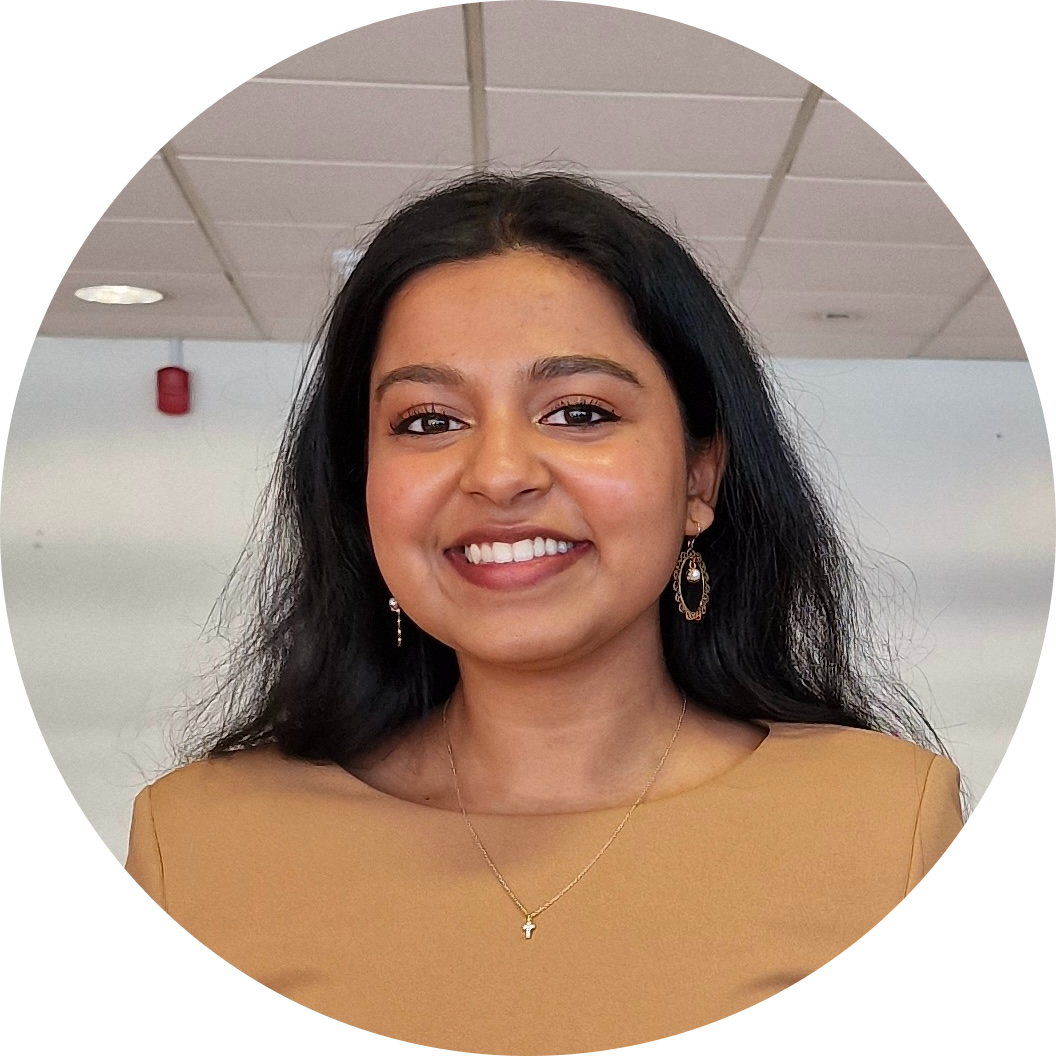
My name is Abi and I am a second year Geology student at Imperial College.
As someone who is passionate about sustainable energy and the preservation of our environment, my research project centres on how to make decarbonisation solutions economically viable - so that clean energy can be attained by all.
I believe that money should never be a restriction - especially towards climate action, so I aim for my research to make decarbonisation a feasible target for everyone!
My hobbies include all things outdoors - hiking, travelling and climbing to mention a few - as well as crafty activities such as crochet and knitting!
I would like my Leadership in Action project to focus on my hobbies - using craft activities to help rebuild and give independence to a local community abroad, with an emphasis on sustainability. Perhaps using locally sourced material to produce goods which can be sold to help with living costs?
If any of this sounds interesting, or if you’d simply like to chat, please feel free to reach out and connect! :)
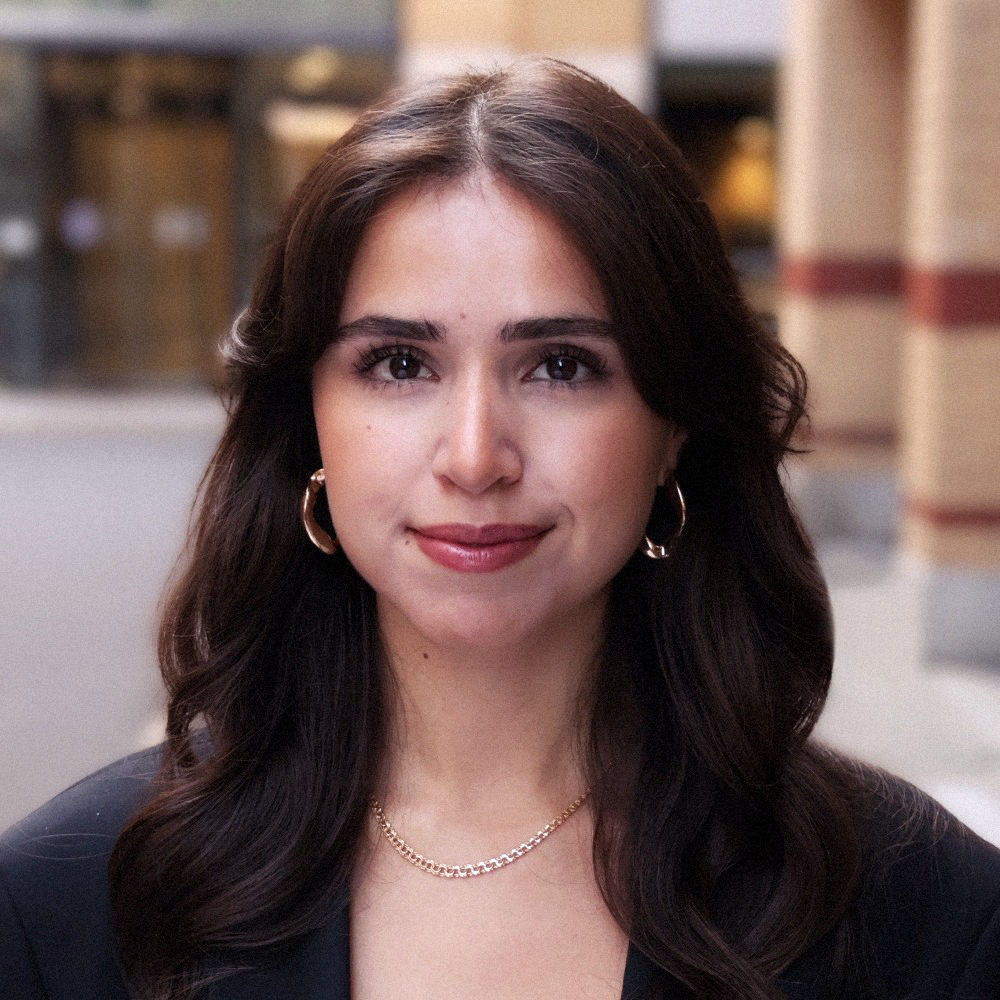
Hi! I'm Amanda, a third year Neuroscience student and Laidlaw alum from UCL. I'm Swedish-Persian and grew up in Sweden before moving to London for uni. These days, alongside my studies, I work for the Foundation as a Marketing Assistant.
For my first year research project, I worked on optimising alginate hydrogels for 3D astrocyte culture systems. In simpler terms, I was figuring out the best way to prepare a jelly-like scaffolds so that star-shaped brain cells called astrocytes could grow in three dimensions rather than flat on a dish. This matters because 3D environments mimic the brain more realistically, which could help researchers develop better treatments for neurological disorders!
For my Leadership-in-Action project, I co-created Beyond the Books, a resource designed to help students from underrepresented backgrounds navigate the unwritten rules of university life, from internships and networking to professional opportunities that aren't always obvious if you're the first in your family to go to uni.
Always happy to connect, whether you want to chat about neuroscience, widening access, the Laidlaw experience, or just say hello! One of my favourite things about this community is getting to meet people from different universities and backgrounds, so please do reach out! 🌟
Interested in Alzheimer's Disease, my research focuses on determining whether human induced pluripotent stem cell (hiPSC)-derived cerebral organoids could serve to accurately and efficiently model Alzheimer's Disease pathobiology.
My involvement with dementia patients as a volunteer has deepened my awareness of the lifestyles of not only the patients but also their caregivers, family, and friends. Witnessing the widespread impact of Alzheimer's Disease, I aspire to contribute meaningfully to our understanding of this affliction. I am driven by a passionate commitment to pave the way toward the development of superior care strategies, innovative treatments, and, ultimately, a definitive cure.

Hi! I'm Sophia, an aspiring scientist and philomath. I love learning about everything and anything and delight in spending time with people who are passionate about the things they love!
I am really interested and curious about how we can use chemistry to improve processes and products to help society. For example, my research project is looking into the possibility of turning struvite, a mineral which is a by-product of waste-water treatment processes into slow-release nitrogen and phosphorous fertilisers, which would be a green source nitrogen and phosphorous fertilisers and help achieve goals of zero-waste.
If you are researching something similar or are interested in learning more about the project, please reach out! I am super happy to talk about the project and meet other who are doing something similar and possibly collaborate!
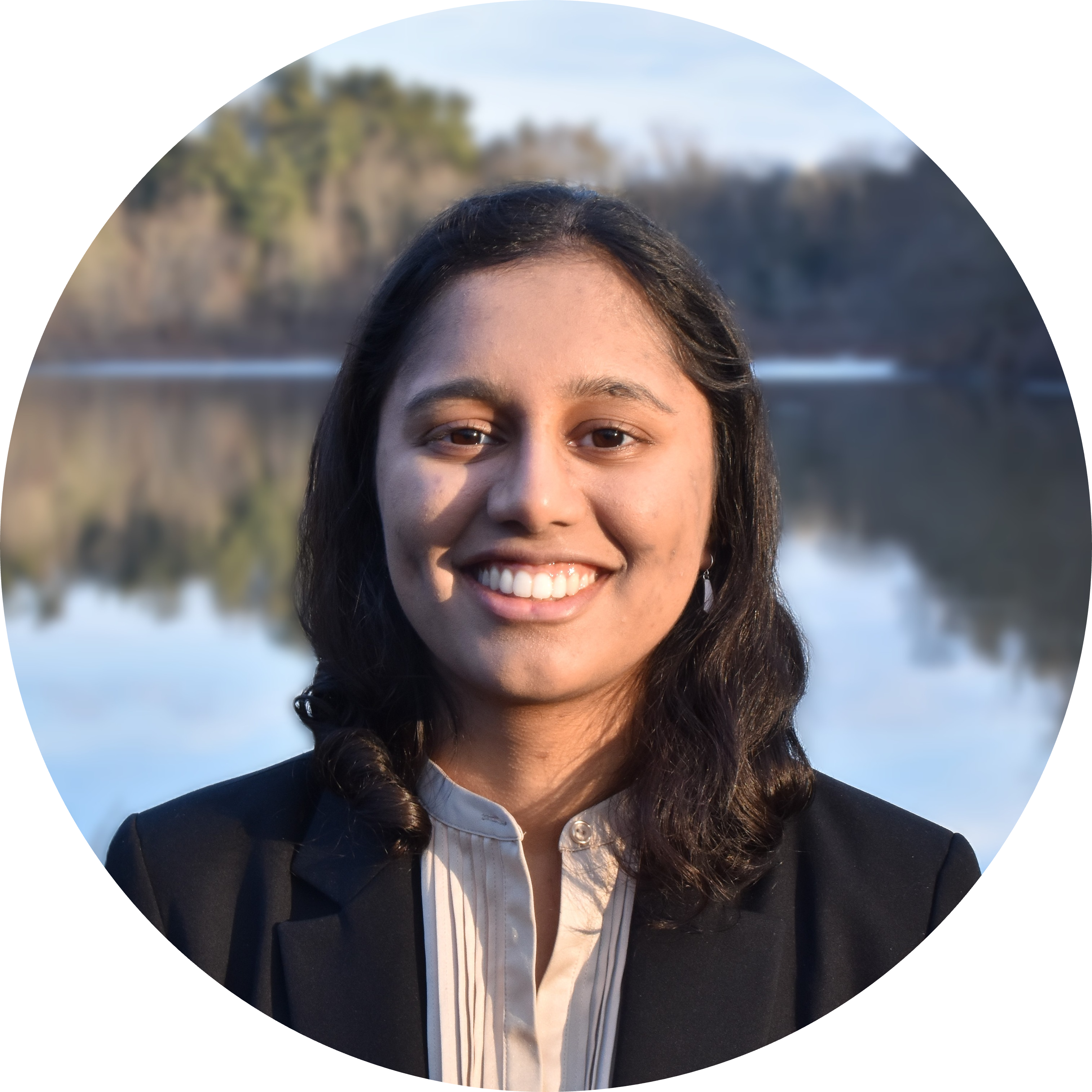
Trisha Bhujle
Laidlaw Scholar Alumna & Former Laidlaw Scholars Advisory Board Member, Laidlaw Foundation
Hello! I’m Trisha, a graduate of Cornell University from Texas, USA. I majored in Environment and Sustainability with a dual focus on food systems and wildlife conservation, and minored in International Relations. My interests in combining my enduring passions for writing and wildlife conservation have driven me to explore multiple perspectives on highly-controversial issues such as trophy hunting, retaliatory animal killings, and illegal wildlife crime. Thus, during my first summer as a Laidlaw Scholar and as a member of the Morally Contested Conservation team, I wrote a literature review on the interconnectedness of climate change and human-wildlife conflicts in East and southern Africa. In June and July 2024, I furthered this research by traveling to the University of Oxford and to the Burunge Wildlife Management Area in Tanzania, and returned to Oxford and Burunge in June and July 2025 to report my results.
As an aspiring conservationist, I am passionate about making technical scientific information more accessible to the general public. I speak Marathi, Spanish, and Swahili at varying levels of fluency and plan to continue to grow my language skills to communicate conservation challenges across continents and cultures.
The Laidlaw Scholars Program was an invaluable component of my undergraduate experience. The friendships I made, as well as the research and language skills I began to develop, encouraged me to continue to ask and seek answers to complicated questions about global affairs and environmental science. If anyone has questions about the Laidlaw Program, is interested in collaborating, or just wants to say hello, please feel free to email me at trisha.bhujle@gmail.com!
Chemist and active volunteer. I love embarking new projects, learning new things, and meeting new people!

Hello, I'm Rashed.
A Chemist at Imperial College London, born and raised in Jeddah, Saudi Arabia🇸🇦
My Laidlaw research explored ionic liquid-based biomass fractionation in the Hallett research group as a joint study between my home department and the department of Chemical Engineering. Since then, my interests have shifted toward solid-state physics and materials science, and I'm currently a Visiting Student Researcher at KAUST in Professor Osman Bakr's group, working on colloidal quantum dot synthesis and fabrication of shortwave infrared photodetector devices.
For my LiA, I worked with KAUST Beacon Development as an Environmental Consultant to address UN SDGs 6 and 11 by helping remote communities in extreme environments without access to urban infrastructure in Saudi Arabia to develop water treatment facilities. The work involved analysing data from KAUST's scientists, proposing novel solutions for water treatment while building the complementary policy and regulatory frameworks which was presented to the primary stakeholders.
My academic interests are not particularly confined to a particular discipline since they're very interconnected and interdependent in the grand pursuit of technologies to sustain people and the planet. However, I aim to use my knowledge to drive advances in materials, energy, electronics and automotive sectors.
Happy to discuss ideas and collaborate!

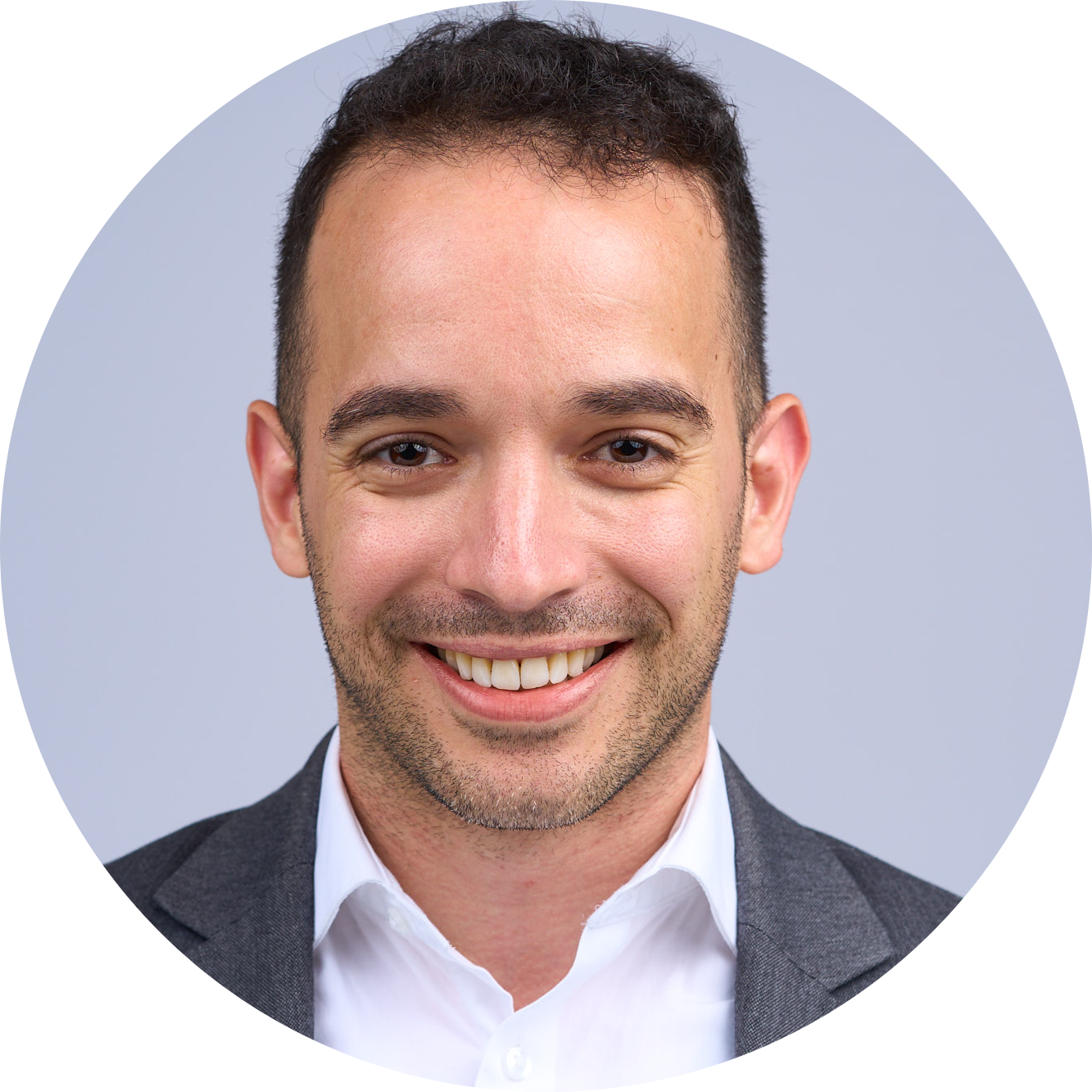
Youness Robert-Tahiri
Founder, HaHaHelps & MSocSci Psychology Candidate, University of Cape Town
Hello! I’m a psychology researcher and the founder of HaHaHelps, a nonprofit organisation developing and delivering a comedy-based psychosocial programme designed to support young people in residential care.
I am currently completing an MSocSci in Psychology at the University of Cape Town, where my dissertation examines the feasibility of HaHaHelps programme with adolescents in South African child and youth care centres. My broader interests include youth mental health, psychosocial intervention development, implementation, participatory approaches, and the use of humour and play to support connection, emotional expression, self-efficacy, and coping with uncertainty.
HaHaHelps grew out of my Laidlaw Leadership-in-Action project at SOS Children’s Villages in Cape Town, where I designed and facilitated an improv-comedy programme for adolescents. Since then, I have continued developing and delivering the programme with young people in residential care and am now studying how it can be refined, evaluated, and ultimately adapted for use in other communities and settings.
Before this, my Laidlaw research at the University of Toronto examined relationships between childhood adversity, aggression, and self-regulation.
I’d love to connect with other Laidlaw Scholars and alumni interested in youth mental health, social impact, intervention development, social entrepreneurship, or simply finding creative ways to turn research into something useful in the world.