
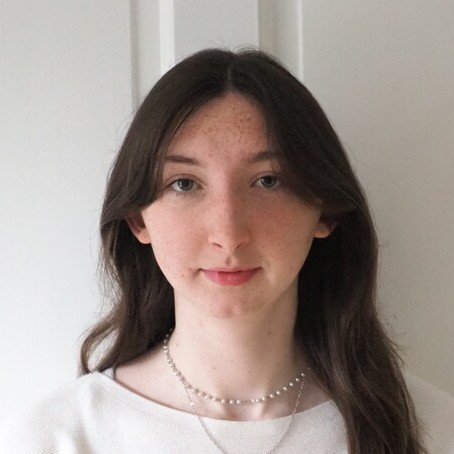
Hello! My name is Anna Halvey, and I am an undergraduate student of Philosophy, Political Science, Economics and Sociology (PPES) at Trinity College Dublin and a member of the Laidlaw Leadership and Research Scholars 2026 cohort.
I am broadly interested in political behaviour, public discourse, and the ways technology shapes how we understand and engage with the world.
As such, my summer research project, Delegated Citizenship in the New Public Sphere, explores the growing role of social media influencers in shaping political understanding and behaviour in an Irish context. Rather than relying primarily on traditional political institutions or mainstream news media, many citizens now engage with digital intermediaries who frame, simplify, and interpret political information on their behalf. Drawing on survey data and semi-structured interviews, I will examine whether Irish citizens are increasingly outsourcing political judgement to these actors, how this shapes political behaviour, and what implications this may have for the public sphere. In light of ongoing policy debates around democratic protection, the era of misinformation, and the rise of populism and post-truth politics, I believe this is a particularly important moment to study how political understanding is formed in digitally mediated environments.
My interests outside academia reflect these themes. I have a history of environmental, gender equality, and mental health activism at a local and national level. I am particularly interested in policy addressing climate (in)justice and the protection of human rights. Beyond this, I love being out in nature, learning about subjects outside my discipline, and trying a different genre of music every week.
Feel free to reach out if you have questions, want to discuss research, or simply chat about your niche interests - I would love to hear from you!
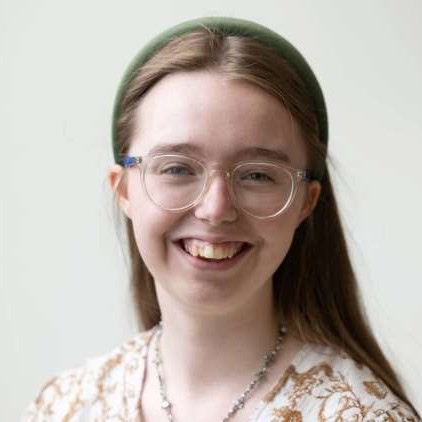
Hi, my name is Sarah McGuire! I am currently studying History and English at Trinity College Dublin and am a member of the 2026 Trinity Laidlaw Scholars cohort.
I am interested in the ways in which literature can be used to construct and convey identity, and in finding ways to interrogate limiting beliefs that influence how we engage with national and cultural identity, gender, and class. With my own background from the North East of Ireland, I believe that it is essential to question the roots of our identities, and more important than ever to push back against exclusionary and arbitrary definitions of who ‘gets’ to identity as Irish.
My Summer 1 research project is entitled ‘This is Your Magazine: Literary Periodicals and Identity in Mid-twentieth century Ireland’, and will focus on short stories published in The Bell Magazine (1940-1954) and what they can tell us about the complexity of Irish identity in this period. This study aims to explore the ways in which people engaged with the literary periodical and short story form as a crucial means of self expression in a period of censorship, and how they wrote back against the dominant ideology which created narrow parameters surrounding the normative portrayal of Irish identity post-partition.
Beyond my research, I love to write short fiction of my own, contribute to college publications as a writer and editor, and read widely on literary, art, and music history.
I would love to connect with fellow scholars, feel free to reach out to discuss research or similar interests!

Hey! My name is Leah Carroll, I am a current 3rd year student of English Studies at Trinity College Dublin and a member of the 2026 Laidlaw Leadership & Research Scholars cohort. After an unconventional path as an early school-leaver, I found my way to higher education through the Trinity Access Programme’s Foundation Course for Young Adults to pursue my lifelong passion for literature. While curious for all facets of the field, I have keen interest in women’s issues and feminist theory.
My research project, entitled ‘"Girls Who Say Nothing and Wear Black": Women of the Beat Generation’, aims to address an important critical gap by examining the continued marginalisation of women Beat poets despite their acknowledged literary and cultural influence. The study aims to contribute a more equitable understanding of the Beat generation as well as a broader appreciation of their influence outside the United States with particular reference to their importance to contemporary Irish women’s poetry.
Outside my studies and research, I love writing both prose and poetry, working on my own creative projects, going hiking with friends, and indulging in sports such as horse-riding and figure skating.
Please feel free to reach out and connect!

I'm an incoming 3rd year Law and German student in Trinity College Dublin.
My research centres on how the criminal justice systems responds to abused women who kill their abusive partners. The defences to a charge of killing are usually provocation, self-defence, and diminished responsibility/insanity. However, feminist legal theorists argue that these defences arise out of a typical male rather than female experience. Victims of domestic abuse who kill typically lack an obvious imminent threat of violence, which is required to use the legal defences, and instead are responding to a cycle of violent behaviour.
I want to understand how these women are treated in criminal justice systems, and how we can improve the law in this area.
I am passionate about improving equality and fair treatment in the legal system, as well as gender studies and criminology. I would love to get in touch if you are interested in any of these areas!
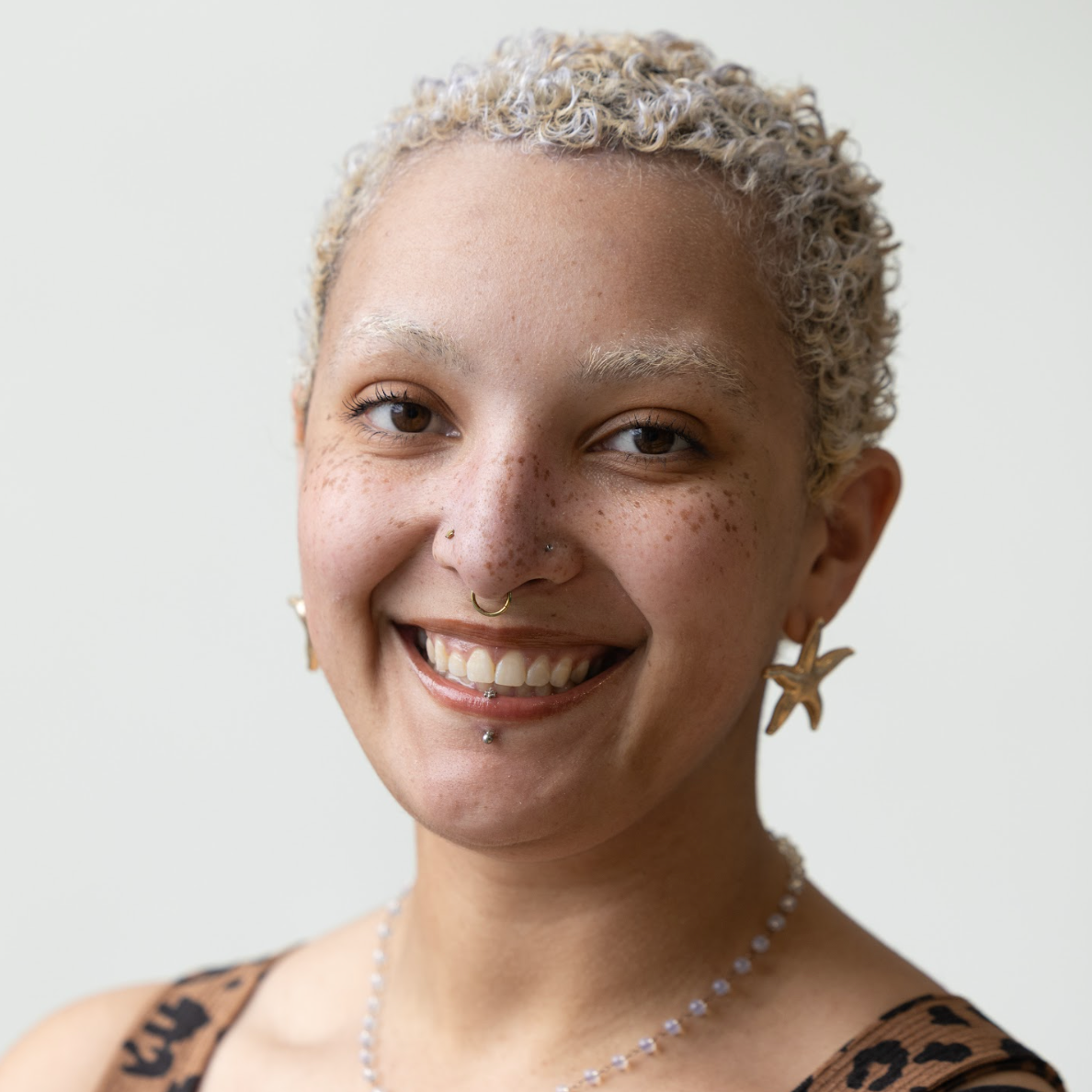
I’m a Speech and Language Therapy student at Trinity College Dublin and a member of the 2026 Laidlaw Scholars cohort. I returned to education as a mature student and single parent after experiencing firsthand the impact that Speech and Language Therapists can have on people’s lives, which inspired me to pursue the profession myself.
My research interests focus on socioeconomic inequality, access to education, inclusion, and student belonging within higher education. Through the Laidlaw Programme, I’m exploring how historically elite institutions such as Trinity engage with class and socioeconomic diversity, and how universities can move beyond widening access towards creating genuinely inclusive environments for students from all backgrounds.
Alongside my studies, I’m involved in student representation work as the TAP representative on the Students’ Union Equality and Welfare Committee, where I advocate for equity and inclusion within university life.
Outside of academia, I’m also a DJ with a love for garage and jungle music, and a very dedicated bird mother 🐥