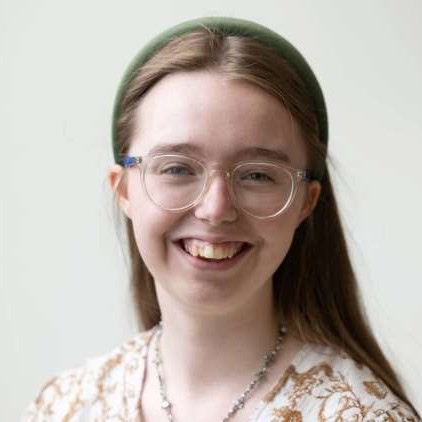
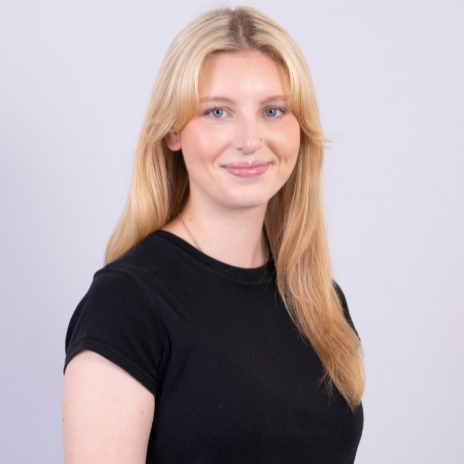
Hi! I'm Emma and I'm a second year undergraduate student at the University of Leeds studying French and Italian.
This summer I will undertake research for the project 'Listening to Feminist Art Histories: Researching and Sharing Voices from the FAMH Oral History Archive'. The Feminist Art Making Histories digital archive consists of interviews with artists, curators, and writers in the UK and Ireland from the 1970s onwards, exploring the relation between feminism and art. My findings will form part of Dr Elspeth Mitchell and the FAMH team's wider work of foregrounding the experiences of women artists in an engaging and accessible way to the public. My interest in intersectional feminism and of the importance of representation drew me towards this project, and I'm looking forward to engaging with feminst art histories with the FAMH.
As a Modern Languages student and a native Welsh speaker, I'm passionate about languages and cross-cultural communication. I'm particularly interested in the way languages shape identities and build communities. Outside of my studies I enjoy reading, running, baking and travelling.
I'm excited to begin my journey of research and leadership as a Laidlaw Scholar as well as connecting with other Scholars across the Global Network!
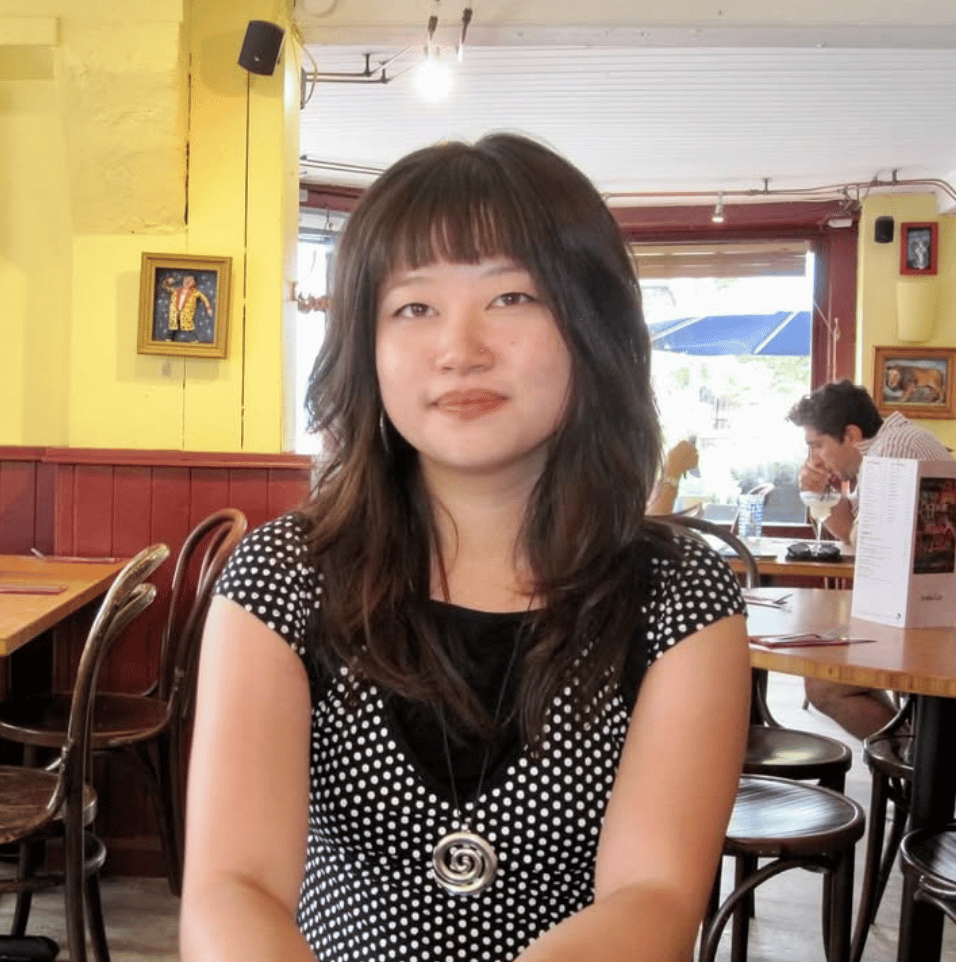
Hello! My name is Lilly Heffernan and I'm a 2026 Laidlaw Scholar from Trinity College Dublin. I'm interested in the way in which human effects on animal behaviour influence their disease spread. 75% of emerging diseases are coming from animals, and I believe that we can manage this in an effective and humane way.
I'm exploring this topic by investigating how artificial light changes how bats use space, and stresses their immune systems. I suspect that artificial light negatively impacts bat immunity, making them more likely to spread disease. This may be a reason we are seeing more human pathogens which originate from bats, such as SARS-CoV-2, and Ebola virus.
I strongly believe that we can curb the spread of these diseases by understanding how our behaviour is affecting our ecosystem. We cannot have healthy humans without healthy animals. This approach targets new pathogens before they spread to humans. If we focus on this angle, we can prevent the inefficient and cruel practice of culling sick animals for our own benefit.

I'm a third year medical student at Trinity College Dublin with a particular interest in neuro-oncology. I'm particularly interested in 'recycling' existing drugs and discovering synergistic drug combinations to treat tumours. I love all things neuroscience, please reach out if you have any questions :)
Dia dhuit! My name is Seán Radcliffe and I am an Economics student at Trinity College Dublin. Outside of my studies, I am a political campaigner, pro-Palestine activist, and the Housing Rights Officer of my student union. I love to sing, travel, and have a laugh!
This summer, under the academic supervision of Trinity Fellow and Associate Professor Dr. Davide Romelli, I will be conducting research at Trinity College Dublin on the effects of economic conditions, shocks, and crises on cocaine-related harm and deaths in Ireland between 2004 and 2024;
"Reading Between the White Lines: An Investigation into Cocaine-Related Harm in Ireland During Periods of Economic Change and Crisis, 2004-2024."
Using statistical analysis and interviews with experts, policymakers, and activists, my project aims to challenge damaging assumptions around drug addiction and harm in Ireland, particularly narratives that simplistically link economic growth and employment with reduced harm.
Grateful for this opportunity and excited for what lies ahead.

Hi! My name is Stephanie, and I am a medical student from Trinity College Dublin. I am drawn to how medicine helps us understand our brains, people, society, and systems to improve health and well-being.
My research project examines the intersection of climate change and brain health from a policy perspective. Climate change is often framed as an environmental emergency. However, its consequences such as extreme heat, disaster-related trauma, and air pollution have an indispensable toll on brain and general health. Yet, global frameworks and mitigation strategies continue to treat health and neurological wellbeing as an afterthought.
My project will uncover how current policy guidelines and interventions lack investment in population wellbeing and health. I aim to work with experts in the field and together build a framework to help countries tailor their climate-health responses with an emphasis on brain and general health. With this interdisciplinary and international approach, I hope to expose and close the gap between policy and wellbeing, translating scientific discovery to real-life health and comfort.
Outside of classes and placements, you can find me outdoors pretending to study in the sun or travelling. I also enjoy Olympic target shooting and hiking.
Very grateful and excited for the Laidlaw journey ahead, feel free to reach out and connect!
Hi everyone! My name is Anna and I'm part of the 2026 Laidlaw Scholars cohort at Trinity College Dublin, where I study Mathematics with a minor in Statistics.
For my research project, I'll be exploring a question that is becoming more important as AI develops: who is better at predicting the future, humans or algorithms? I'll be comparing forecasts from machine learning models with those from prediction markets, where collective human judgement is turned into live probabilities. After the 2024 US elections, prediction markets rapidly gained attention for correctly predicting the outcome before many traditional forecasts. At the same time, AI is making data-driven forecasting more powerful than ever. Through quantitative analysis, I'm curious to see whether the best predictions come from human insight, algorithmic pattern recognition, or perhaps a combination of both.
More broadly, I am interested in using mathematics to better understand and solve real-world problems like this one. I'm especially drawn to the way it combines logic with creativity, allowing us to approach challenges from different angles and develop efficient and innovative solutions.
Feel free to reach out if you want to discuss research or simply chat!

Hi! My name is Emma and I'm a third year geography student at Trinity College Dublin.
I've been involved in activism for about 5 years now and I'm extremely passionate about education and climate change. My research project will analyse how my university engages with class and socioeconomic status, focusing in particular on progression from post-primary school to higher education.
Hello! My name is Lochlann, and I am a student at Trinity College Dublin and part of the 2026 cohort of Laidlaw Scholars.
My Summer 1 research project focuses on the role of private supplementary tuition (“grinds”) in the academic achievement gap between public and private schools in Ireland. Using quantitative analysis of Irish educational data, I aim to investigate whether access to grinds contributes to differences in examination performance and broader educational inequality.
Through this research, my overarching goal is to contribute to conversations surrounding fairness, access to opportunity and educational policy. By examining how socio-economic advantage may shape educational outcomes, I hope to better understand the structures that influence inequality within education systems.
If you have any questions or would like to connect, please feel free to reach out!

A graduate of Cambridge University, Susanna’s professional experience includes over 15 years in senior leadership roles in international B2B and learning businesses. Susanna began her career at the Institute for International Research (IIR) where she first worked with Lord Laidlaw, rising to Chief Marketing Officer (CMO). When IIR, which was the world’s largest organiser of commercial conferences, was acquired by Informa plc in 2005 Susanna was appointed CMO of the enlarged group and also led the public company’s investor relations programmes. She subsequently joined Emap Ltd as Chief Marketing & Strategy Officer and CEO of Emap Networks, that group’s conferences business. Later she became CEO of the fashion industry forecaster WGSN and was latterly Group Content and Marketing Partner of the leading strategy consultancy Brunswick Group. A German-American raised and educated in the UK and a committed internationalist, Susanna has been involved in globally trading businesses throughout her career, directing activity in the Americas, across continental Europe, and the Asia Pacific. Susanna has been extensively involved with education and professional development over many years. She was Head of Group Training and led the commercial acquisition and integration of a portfolio of corporate training businesses whilst at IIR; and created learning academies at both Informa and Emap. She believes experiencing and appreciating different cultures promotes better global understanding, creativity and leadership. She is passionate about the power of education to transform lives; and believes that we need to develop a new generation of diverse leaders who are curious, bold and devoted to decency, truthfulness, and innovation. Susanna is committed to diversity not only as a societal imperative but as a critical component of commercial success. As an advisor to the trustees of the Foundation, Susanna first learnt about its purpose and programmes before becoming its Chief Executive responsible for the Laidlaw Schools Trust, the Laidlaw Scholars and its other education programmes. Susanna read English and Philosophy at Newnham College, University of Cambridge. She has five half blues in swimming and water polo; and played netball and rowed for Newnham.
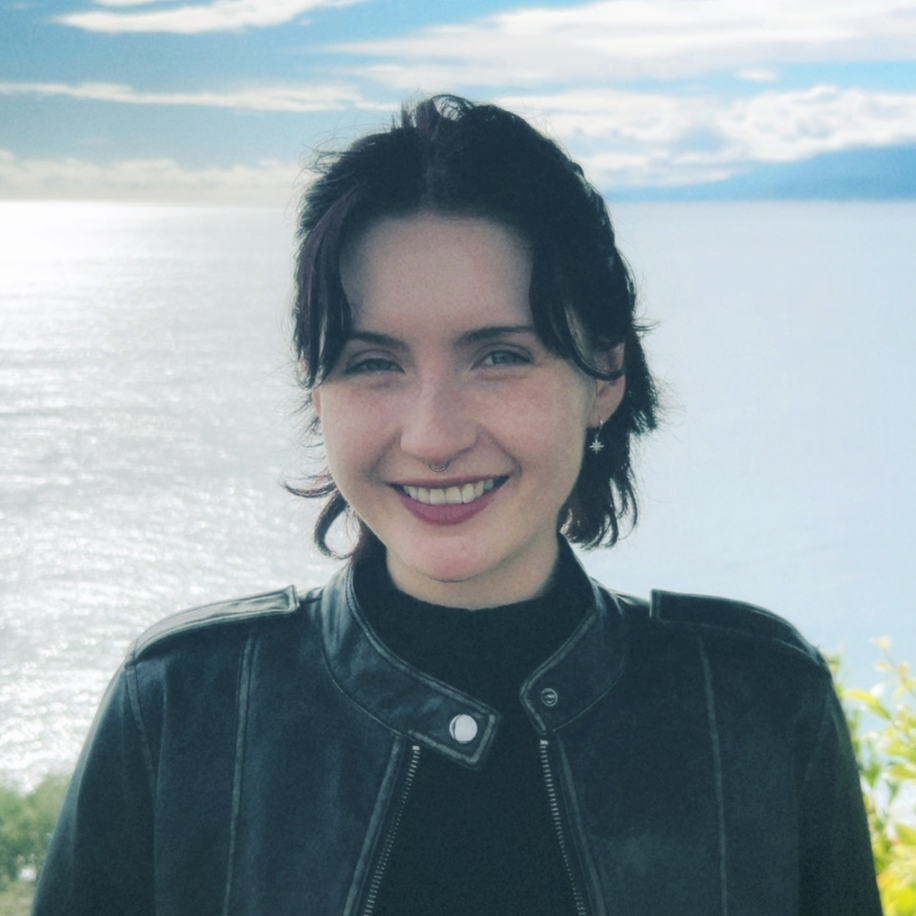
Hello! I am a multidisciplinary designer and have been with the Laidlaw Foundation for over five years, working to strengthen our global Scholar community and amplify the impact of our programmes.
My work lives somewhere between design, education, and anthropology, usually with sticky notes involved. I studied Human Sciences as an undergrad and recently finished a Master’s in Anthropology, both at UCL.
I am your go-to person for questions regarding alumni engagement and the Laidlaw Scholars Advisory Board.
Born and raised in Kazakhstan 🇰🇿 Outside of work? Probably in the ceramics studio or a yoga class. Big fan of nature and very small bugs.
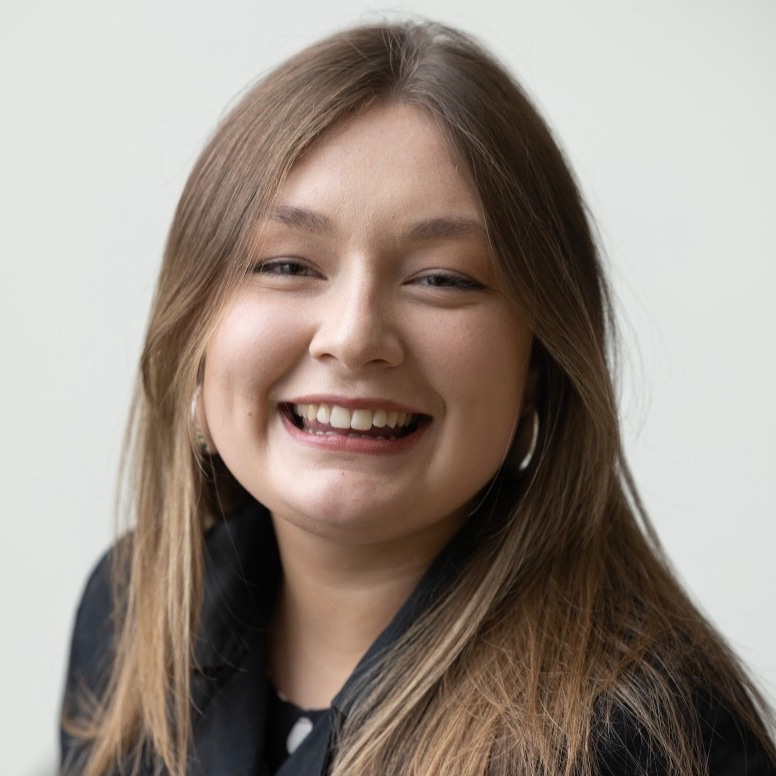
Hello! My name is Lily and I am a 2nd year Psychology student at Trinity College Dublin, and a member of the Laidlaw Leadership and Research Scholars 2026 Cohort.
I'm interested in all things early adversity; who experiences it, what it looks like, how it affects people and what can be done to help those who have lived through it. More specifically, my research project in Summer 1 will focus on Environmental Sensitivity theory in a cohort of Syrian refugee children in Jordan. My goal with this research is to identify whether interventions may uplift children who have experienced adversity, and actually help them to thrive above and beyond their peers!
I am especially interested in connecting with anyone involved in research into early adversity, Environmental Sensitivity theory or any related topics. I would also love to explore volunteering opportunities in this space!
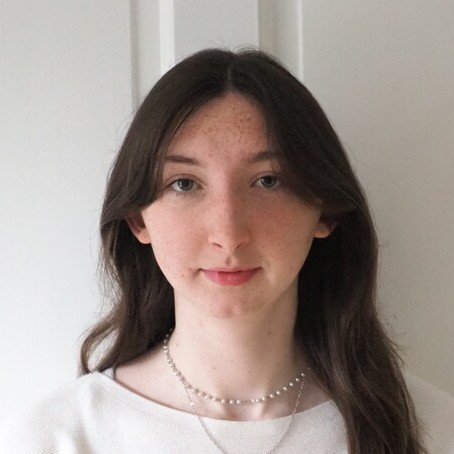
Hello! My name is Anna Halvey, and I am an undergraduate student of Philosophy, Political Science, Economics and Sociology (PPES) at Trinity College Dublin and a member of the Laidlaw Leadership and Research Scholars 2026 cohort.
I am broadly interested in political behaviour, public discourse, and the ways technology shapes how we understand and engage with the world.
As such, my summer research project, Delegated Citizenship in the New Public Sphere, explores the growing role of social media influencers in shaping political understanding and behaviour in an Irish context. Rather than relying primarily on traditional political institutions or mainstream news media, many citizens now engage with digital intermediaries who frame, simplify, and interpret political information on their behalf. Drawing on survey data and semi-structured interviews, I will examine whether Irish citizens are increasingly outsourcing political judgement to these actors, how this shapes political behaviour, and what implications this may have for the public sphere. In light of ongoing policy debates around democratic protection, the era of misinformation, and the rise of populism and post-truth politics, I believe this is a particularly important moment to study how political understanding is formed in digitally mediated environments.
My interests outside academia reflect these themes. I have a history of environmental, gender equality, and mental health activism at a local and national level. I am particularly interested in policy addressing climate (in)justice and the protection of human rights. Beyond this, I love being out in nature, learning about subjects outside my discipline, and trying a different genre of music every week.
Feel free to reach out if you have questions, want to discuss research, or simply chat about your niche interests - I would love to hear from you!

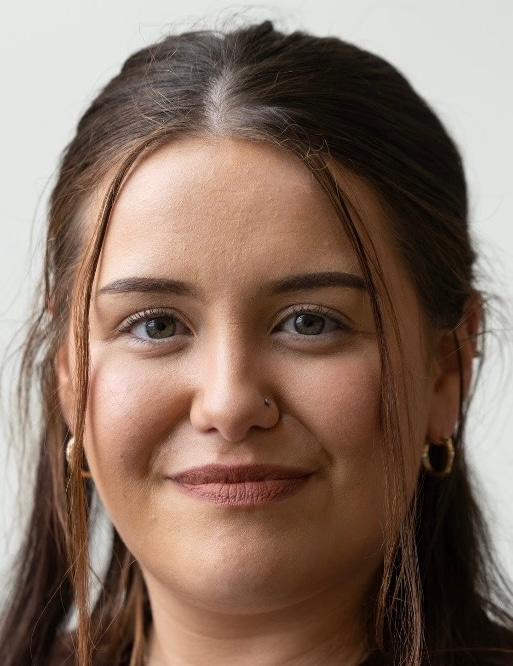
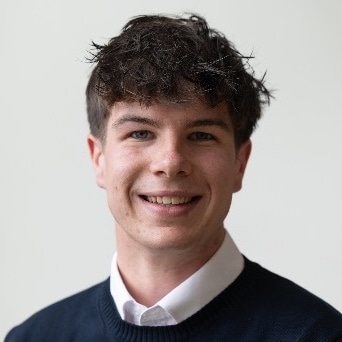
Hi, my name is Peter McNulty. I am an Undergraduate Leadership & Research Scholar at Trinity College Dublin.
For my research project, I will be "Pricing the environmental impact of AI-related data centre energy consumption in Ireland" as I think that it is important to balance AI's economic benefits with the growing emissions and energy consumption burden that Ireland faces. This will involve a literature review of EU Carbon Policy, research into carbon market trends and computation of AI-specific consumption costs using EU ETS pricing frameworks.
Outside of my studies, I play guitar, piano and sing in pubs! I also enjoy running long distances for charity.

Kate Ivanchenko
Student Employability Officer, Laidlaw Programme Coordinator, Trinity College Dublin
I am the Programme Manager for the Laidlaw Scholars Leadership & Research Programme at Trinity College Dublin. Before joining the Careers and Development Service at Trinity College Dublin, I have been looking after a portfolio of open enrolment short executive education courses at Trinity and have over 10 years of experience in admissions, event coordination and higher education management across Ireland, United Kingdom and Ukraine.
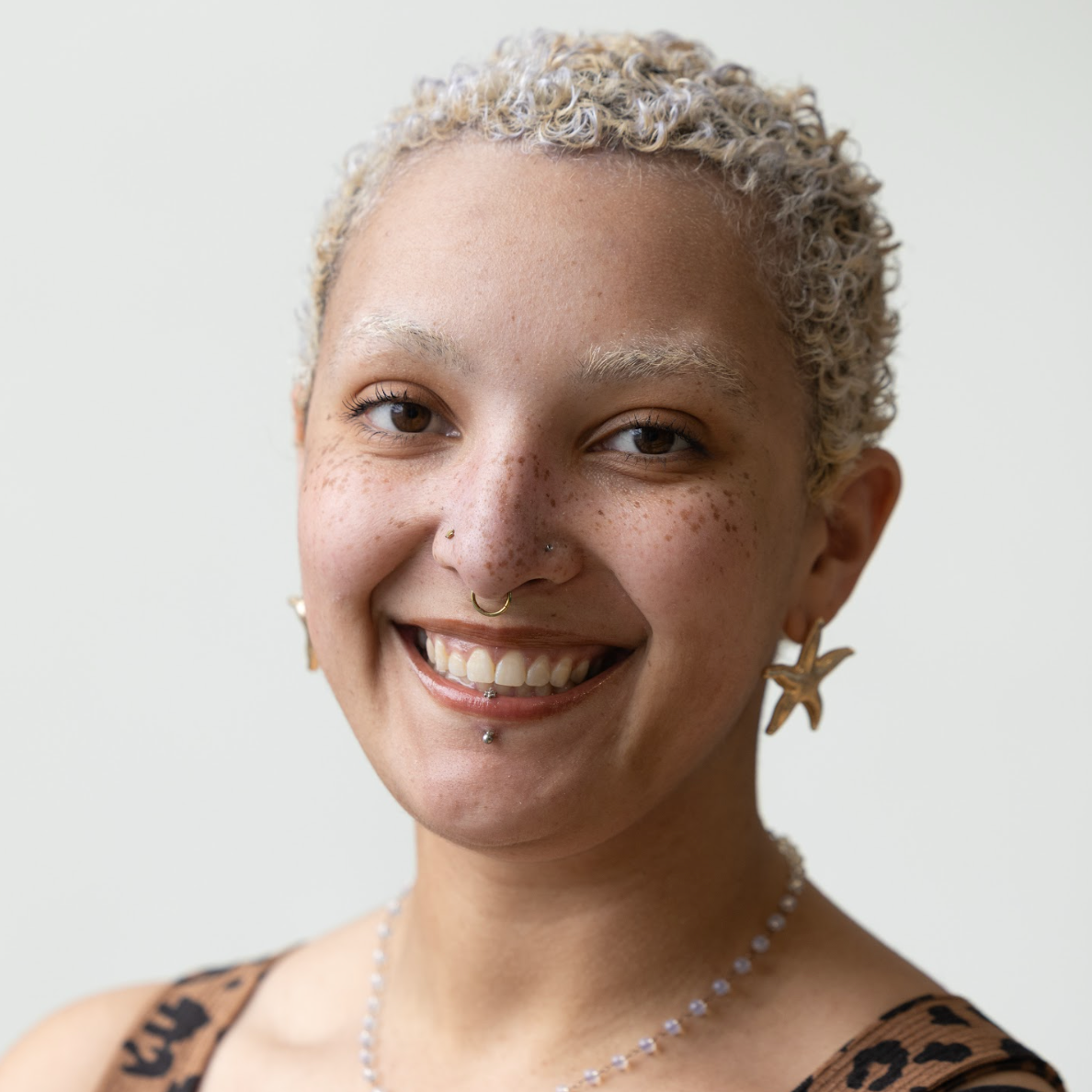
I’m a Speech and Language Therapy student at Trinity College Dublin and a member of the 2026 Laidlaw Scholars cohort. I returned to education as a mature student and single parent after experiencing firsthand the impact that Speech and Language Therapists can have on people’s lives, which inspired me to pursue the profession myself.
My research interests focus on socioeconomic inequality, access to education, inclusion, and student belonging within higher education. Through the Laidlaw Programme, I’m exploring how historically elite institutions such as Trinity engage with class and socioeconomic diversity, and how universities can move beyond widening access towards creating genuinely inclusive environments for students from all backgrounds.
Alongside my studies, I’m involved in student representation work as the Student Parent Officer in the Students’ Union Equality, where I advocate for equity and inclusion for student parents within university life.
Outside of academia, I’m also a DJ (briongloid on instagram and soundcloud x) with a love for garage and jungle music, and a very dedicated bird mother 🐥