

I am a Career Development Fellow in the Psychology Department at Durham University, where I research the psychological processes that enable people to adapt, remain motivated, and flourish in challenging environments.
My research sits at the intersection of resilience science, Self-Determination Theory, and well-being. I am particularly interested in understanding how individual, social, and environmental resources interact to support resilient well-being across diverse contexts. My doctoral research examined these processes among polar expeditioners living and working in isolated, confined, and extreme environments, using mixed methods to explore how basic psychological needs underpin resilient functioning.
I am now extending this work beyond polar environments to investigate resilient well-being in higher education, sport, and other high-challenge settings. My research adopts a socioecological perspective, recognising that resilience emerges through the dynamic interaction between people and their environments rather than residing solely within the individual.
Alongside research, I teach quantitative and qualitative research methods, statistics, and psychology at undergraduate level, supervise student research, and enjoy translating psychological science into practical applications for education, sport, organisations, and communities.
Before entering academia, I spent over two decades working in community development and youth work, founding and leading a social enterprise supporting children, young people, and disadvantaged communities. These experiences continue to shape my research philosophy: I believe the best psychological science should not only advance theory but also improve people's lives.
My work combines rigorous empirical research with a strong commitment to real-world impact, and I am always interested in collaborating with researchers and practitioners working in resilience, motivation, well-being, Self-Determination Theory, higher education, sport psychology, extreme environments, and community-based research.

Hi, my name is Karen and I am a first-year Philosophy, Politics and Economics student at Durham University. My research project aims to examine the American and Japanese bilateral relationship through analysing the impacts of US military bases in Okinawa. I am excited to be part of the 2026 Laidlaw cohort!

I am currently a first-year student at Durham University studying Philosophy and Politics.
My research project investigates how social spaces can be created, allowing for state-sanctioned violence to take place alongside a spiritual/religious practice preaching non-violence. To bring an original angle to this question, I will be taking the case study of Thailand, a country with Muay Thai as its national sport and Buddhism as its national religion, and with many practitioners of the former also practicing the latter.
My research topic connects with my interest in martial arts, particularly Brazilian Jiu-Jitsu, albeit more focused on avoiding violent conflict than Muay Thai. I also enjoy challenging myself in many other sports, such as rowing, basketball, tennis, skiing/snowboarding, and having recently started yoga (one which I find uniquely challenging). And when my body becomes too exhausted for these, I like to read, bake, and attempt to learn basic Mandarin.

Hi! My name is Daohui and I am a first-year Mathematics and Physics student at Durham University (2026). I look forward to being part of the 2026 cohort with my project about prevention and mitigation strategies of future global outbreaks by simulating and analysing the effects of COVID-19! I am particularly interested in applied mathematics and I believe that as the world becomes more and more interconnected, simulatory data will become increasingly important and impactful on global health. After the recent pandemic, there is undoubtedly still work to do in field of epidemiology, which is what I hope to contribute to.
Youness Robert-Tahiri
Founder, HaHaHelps & MSocSci Psychology Candidate, University of Cape Town
Hello! I’m a psychology researcher and the founder of HaHaHelps, a nonprofit organisation developing and delivering a comedy-based psychosocial programme designed to support young people in residential care.
I am currently completing an MSocSci in Psychology at the University of Cape Town, where my dissertation examines the feasibility of HaHaHelps programme with adolescents in South African child and youth care centres. My broader interests include youth mental health, psychosocial intervention development, implementation, participatory approaches, and the use of humour and play to support connection, emotional expression, self-efficacy, and coping with uncertainty.
HaHaHelps grew out of my Laidlaw Leadership-in-Action project at SOS Children’s Villages in Cape Town, where I designed and facilitated an improv-comedy programme for adolescents. Since then, I have continued developing and delivering the programme with young people in residential care and am now studying how it can be refined, evaluated, and ultimately adapted for use in other communities and settings.
Before this, my Laidlaw research at the University of Toronto examined relationships between childhood adversity, aggression, and self-regulation.
I’d love to connect with other Laidlaw Scholars and alumni interested in youth mental health, social impact, intervention development, social entrepreneurship, or simply finding creative ways to turn research into something useful in the world.

Hello! My name is Lochlann, and I am a student at Trinity College Dublin and part of the 2026 cohort of Laidlaw Scholars.
My Summer 1 research project focuses on the role of private supplementary tuition (“grinds”) in the academic achievement gap between public and private schools in Ireland. Using quantitative analysis of Irish educational data, I aim to investigate whether access to grinds contributes to differences in examination performance and broader educational inequality.
Through this research, my overarching goal is to contribute to conversations surrounding fairness, access to opportunity and educational policy. By examining how socio-economic advantage may shape educational outcomes, I hope to better understand the structures that influence inequality within education systems.
If you have any questions or would like to connect, please feel free to reach out!
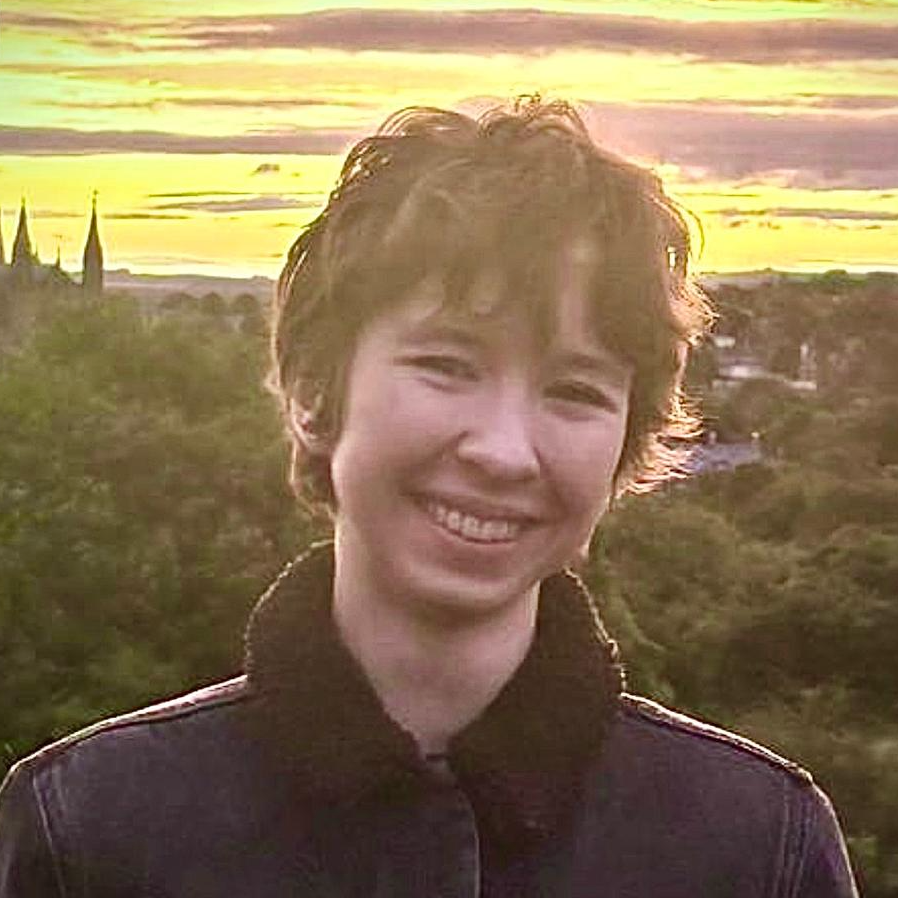
Hi! My name is Katya and I am a BSc Biosciences student at Durham University.
This summer I am excited to be completing my project on the effect of dopamine transport on the memory of fruit flies. I will be looking at how removing the dopamine transporter from a memory relevant area of the brain has an effect on the ability of the flies to form and retain associative memories.
When I’m not researching, I enjoy playing sports such as tennis, table tennis, netball, and running, and I also love playing music on piano, guitar and flute. I’m really excited to be part of the 2026 Laidlaw Cohort, so feel free to reach out to me with any questions or if you just fancy a chat!
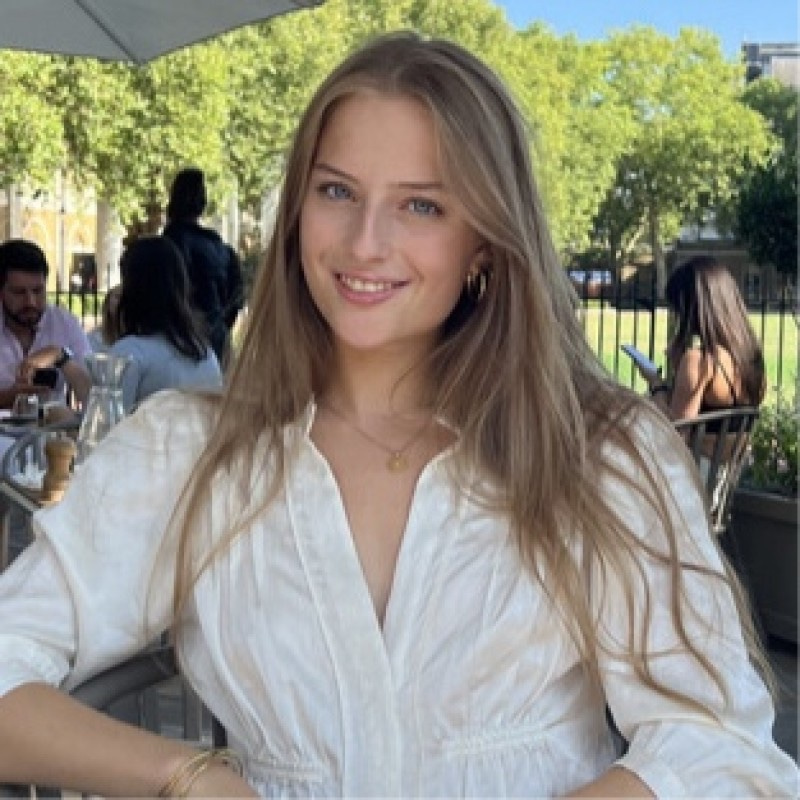
Hi! My name is Judit, and I'm a second-year History and Politics student at Durham University. This summer, I am excited to embark on my research project: an investigation of how young adults use AI for emotional support and companionship.
Like many students, I have witnessed the widespread integration of AI into young people's lives. Yet, there is a lack of AI safety initiatives that address this increase and, in particular, the growing use of AI to meet emotional needs. By conducting a large online survey, my project aims to inform policymakers on the use, causes, and consequences of AI emotional support.
I am really looking forward to starting this research and all the accompanying opportunities as a Laidlaw scholar. Stay tuned for updates!
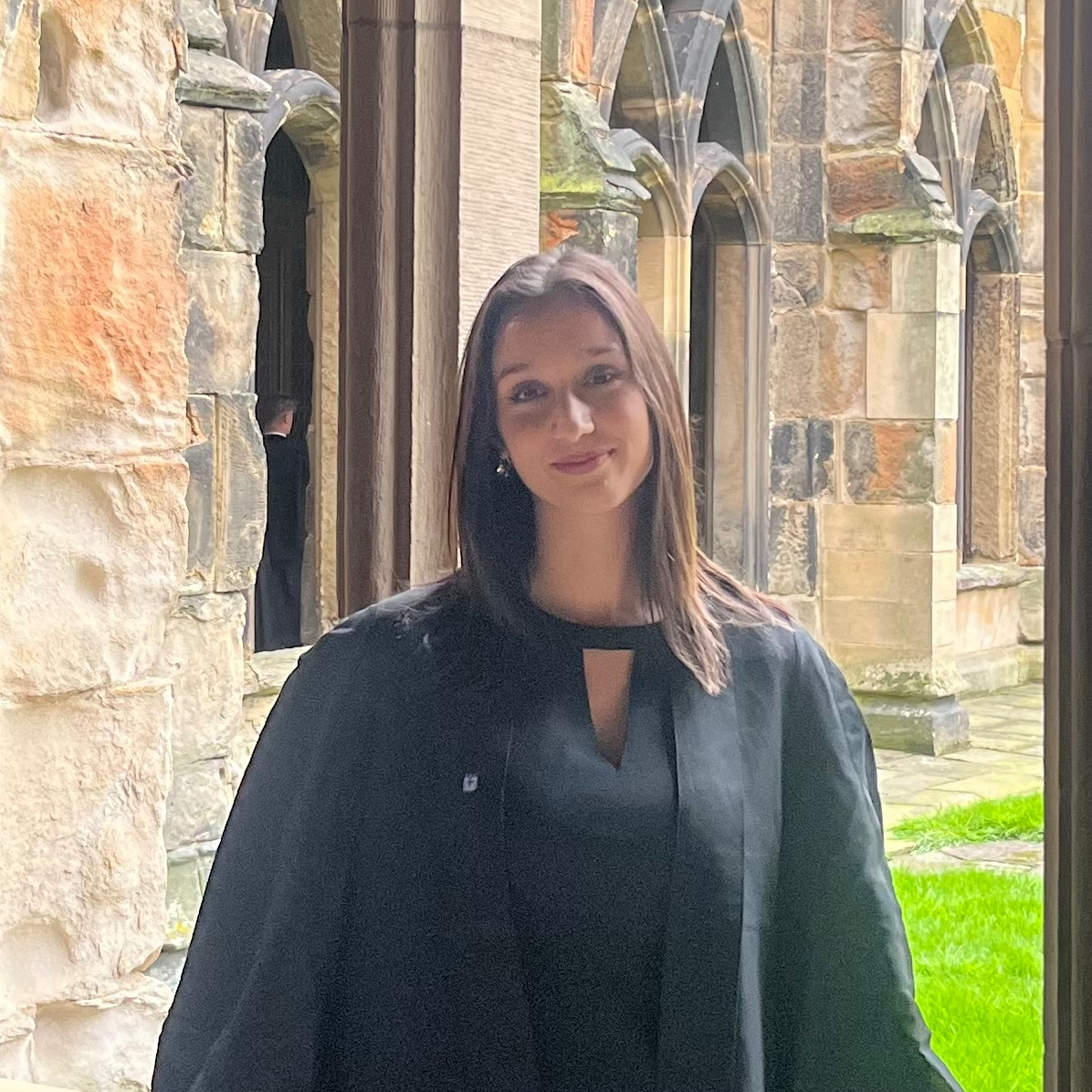
Hi, I'm Asli, a first-year Computer Science student at Durham University. I'm excited to be spending this summer working on my research project and further developing my skills. I look forward to progressing through the programme, meeting new people, and learning from the experience along the way.

Hi! My name is Imogen, and I am currently a first-year studying Psychology at Durham University. I am passionate about understanding the psychological mechanisms underlying everyday behaviour, which is why my research project is focussing on empathy development in children. My experience working with children from range of backgrounds as a volunteer tutor and a lifeguard have emphasised my interest in human behaviour, and the study of psychology constantly questions the classic nature vs nurture debate, as I intend to do. A key skill for leaders in empathy, so my hope is that my research can support understanding into neurodiversity and other conditions that cause empathy to develop in different ways, so that these people can have the best opportunities to succeed!

I am Faiza Malak, currently a law student at Durham University. I am excited to be commencing my research this summer and look forward to sharing updates with the network on both the breadth and depth of my work and experiences. Stay tuned!
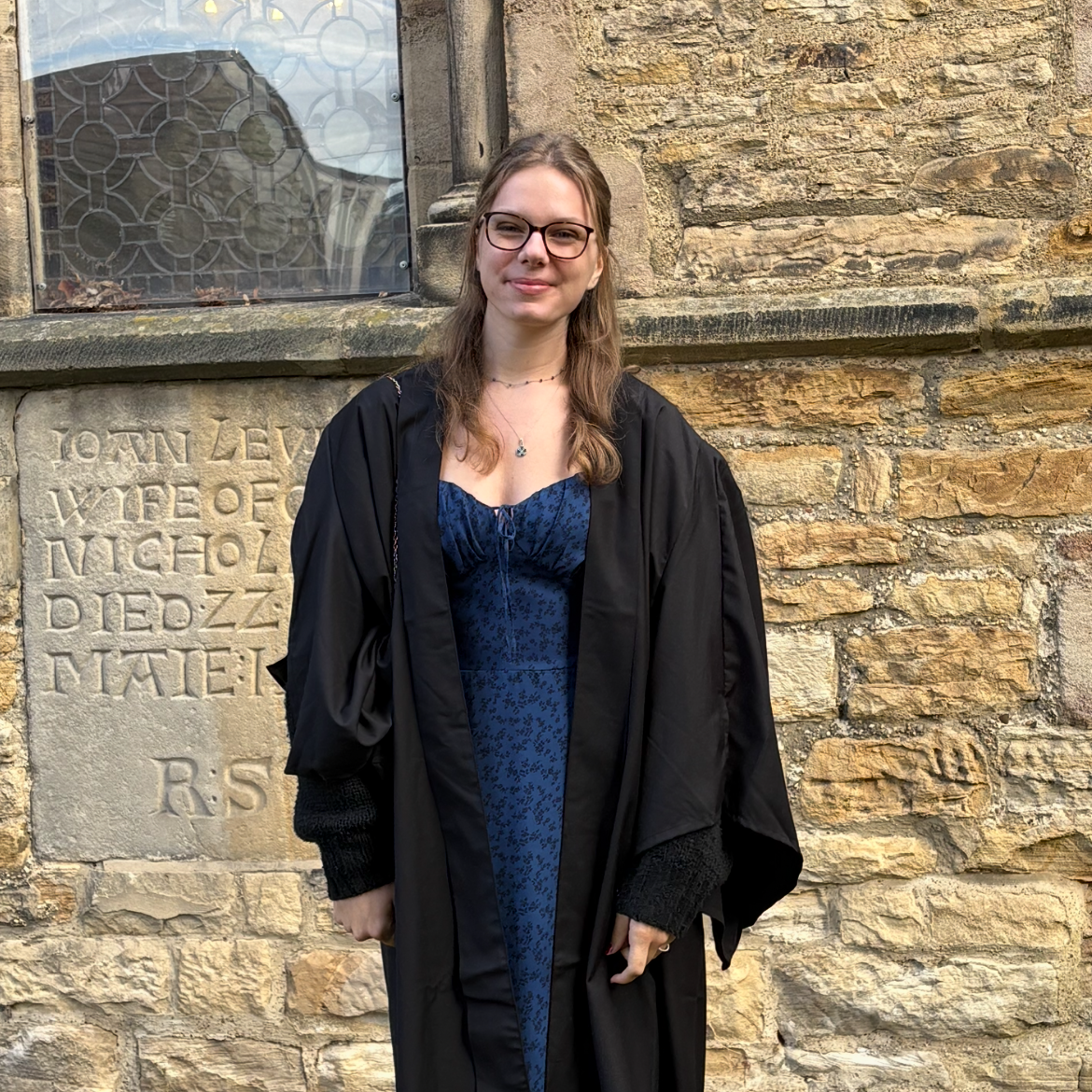
Hello! I am a first year undergraduate student at Durham University studying Modern European Languages and Cultures, including advanced Spanish and ab initio Italian.
I believe that the intersection between languages and culture, politics and peacebuilding is hugely important in a multicultural but increasingly divided world. I am therefore passionate about using my skills for good, especially through my research project into ethical and compassionate immigration policy.
I'm really excited to work alongside the 2026 scholars!

Hello, I'm Katarina, an incoming second year Physics student at Durham University. I've enjoyed my time so far in the 2026 cohort with my project about mitigating the effects of light pollution. My dream LiA placement would involve immersion in nature, traditional craftsmanship and driving sustainable fashion. I hope to find something like this!
I aim to continue studying Physics to PhD level, and am particularly interested in either researching sustainable technology or developing aviation systems. My passion for public speaking shapes my goal of driving scientific communication globally as a vessel for change.
My interests beyond academia include electric guitar, fashion and sewing, boxing, and reading, as I've been fortunate enough to study an English Literature module this year.
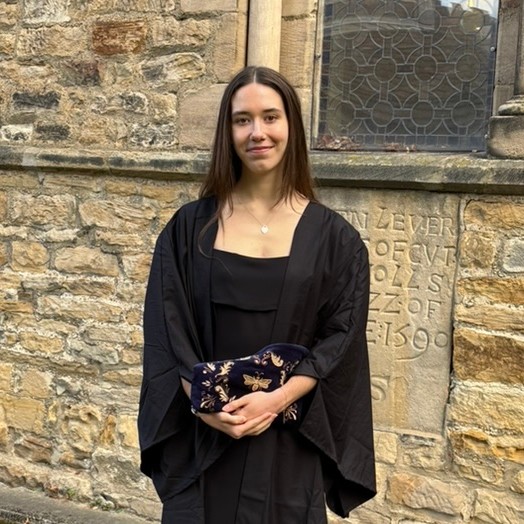
Hiya! I'm Thea, and I'm a second-year studying Classics at Durham University. Although Classics is a study of antiquity, I believe strongly in the real-world value of the skills and perspective it teaches. Because of this, I'm super excited to be a part of the 2026 Laidlaw cohort with my research on the importance of ancient Greek language and culture in the education system. I'm greatly interested in governance and public policy, so I'd love to see my project have a real influence on the presence of Classical education in a wider range of young people's lives.
Outside of academia, my hobbies include reading, film and video games, and I enjoy being active through going to the gym, yoga, and skiing!
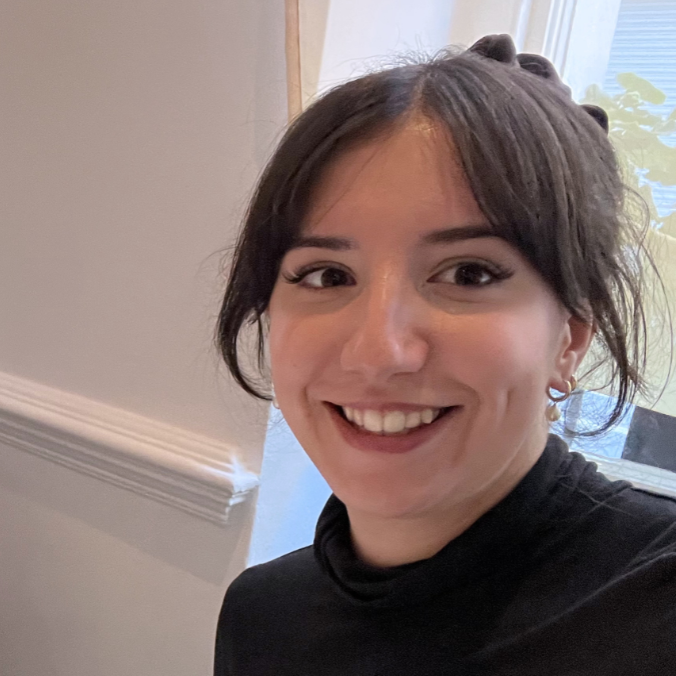
Hi! My name is Yanna, and I’m a second-year Psychology student at Durham University.
My research project (supervised by Professor Zanna Clay) explores how empathy emerges and matures in young children across cultures. I feel that today, empathy is more important than ever. In an increasingly digital world, social connections are changing and the erosion of deep passions, interests, and morals are leading to more individualistic societies. Understanding how empathy develops could help us to nurture its growth and contribute to more cohesive and compassionate communities.
Additionally, I hope to highlight the importance of recognising both the similarities and differences in psychological development across cultures. By doing so, I aim to promote greater inclusivity within the scientific community and support the development of culturally sensitive approaches to research and practice.
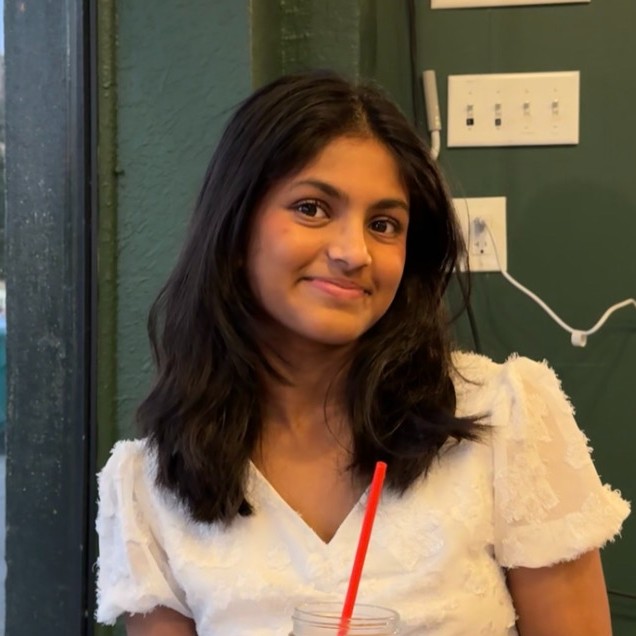
Anushka is a third-year student at Duke University in North Carolina, USA studying chemistry, medical sociology, and global health. She's passionate about leveraging scientific techniques in order to advance health equity, especially for rural and underserved populations.
Her 2026 Laidlaw research summer was at the University of Leeds' Department for Nuclear and Chemical Engineering and about addressing the public health challenge of fluoride-contaminated drinking water in Tanzania by developing a novel, sustainable ion-exchange model to selectively remove fluoride from groundwater.