
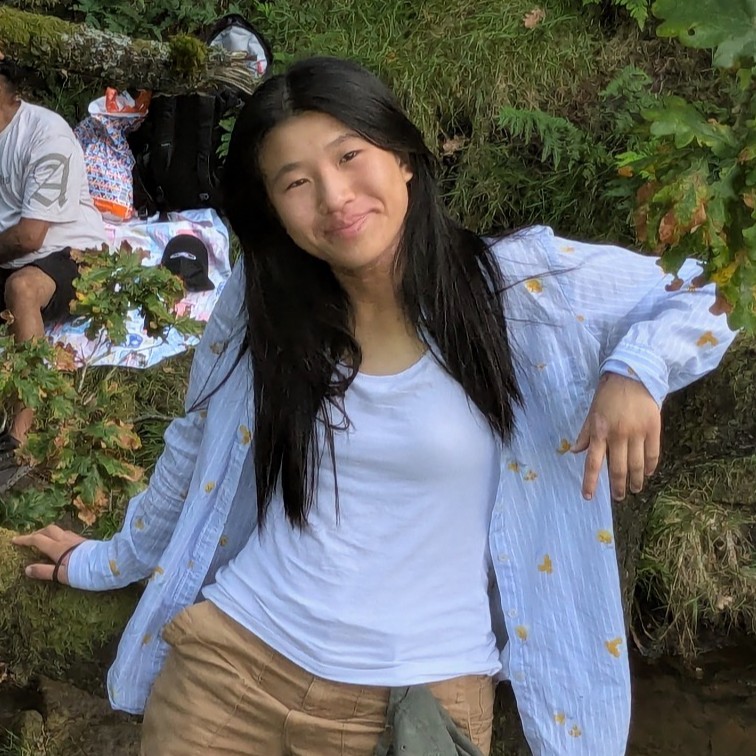
Hi! My name is Nicole and I'm a first year Biology & Geography student at Durham University.
I am particularly interested in restoration ecology, with a focus on rewilding which my research project is centred around. I aim to assess how rewilding of an upland mountain valley has increased forest structure and composition heterogeneity, which could lead to more stable microclimates. Subsequently, rewilding may be an approach to help improve the climate resilience of high biodiversity regions by providing increased microrefugia, lowering the risk of climate-induced extinction for species.
Outside of academia, I enjoy reading, gardening and yoga. I'm excited to be part of the 2026 Laidlaw cohort!

Hi, my name is Karen and I am a first-year Philosophy, Politics and Economics student at Durham University. My research project aims to examine the American and Japanese bilateral relationship through analysing the impacts of US military bases in Okinawa. I am excited to be part of the 2026 Laidlaw cohort!
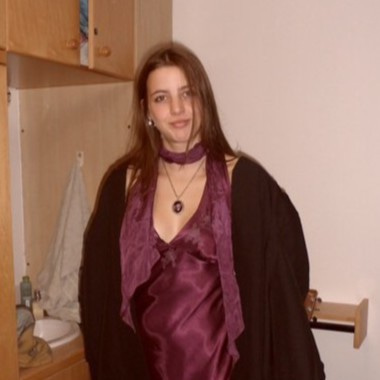
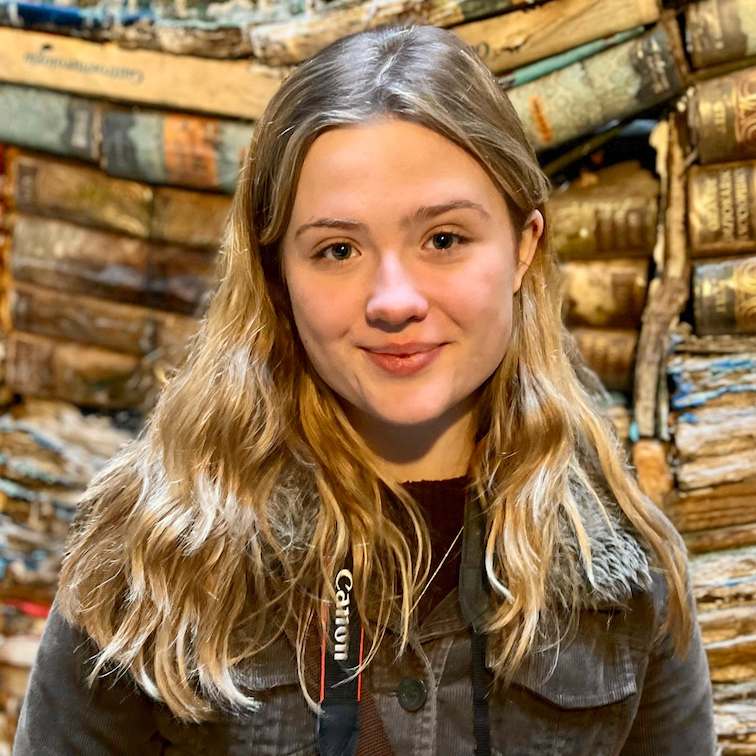

I am currently a first-year student at Durham University studying Philosophy and Politics.
My research project investigates how social spaces can be created, allowing for state-sanctioned violence to take place alongside a spiritual/religious practice preaching non-violence. To bring an original angle to this question, I will be taking the case study of Thailand, a country with Muay Thai as its national sport and Buddhism as its national religion, and with many practitioners of the former also practicing the latter.
My research topic connects with my interest in martial arts, particularly Brazilian Jiu-Jitsu, albeit more focused on avoiding violent conflict than Muay Thai. I also enjoy challenging myself in many other sports, such as rowing, basketball, tennis, skiing/snowboarding, and having recently started yoga (one which I find uniquely challenging). And when my body becomes too exhausted for these, I like to read, bake, and attempt to learn basic Mandarin.
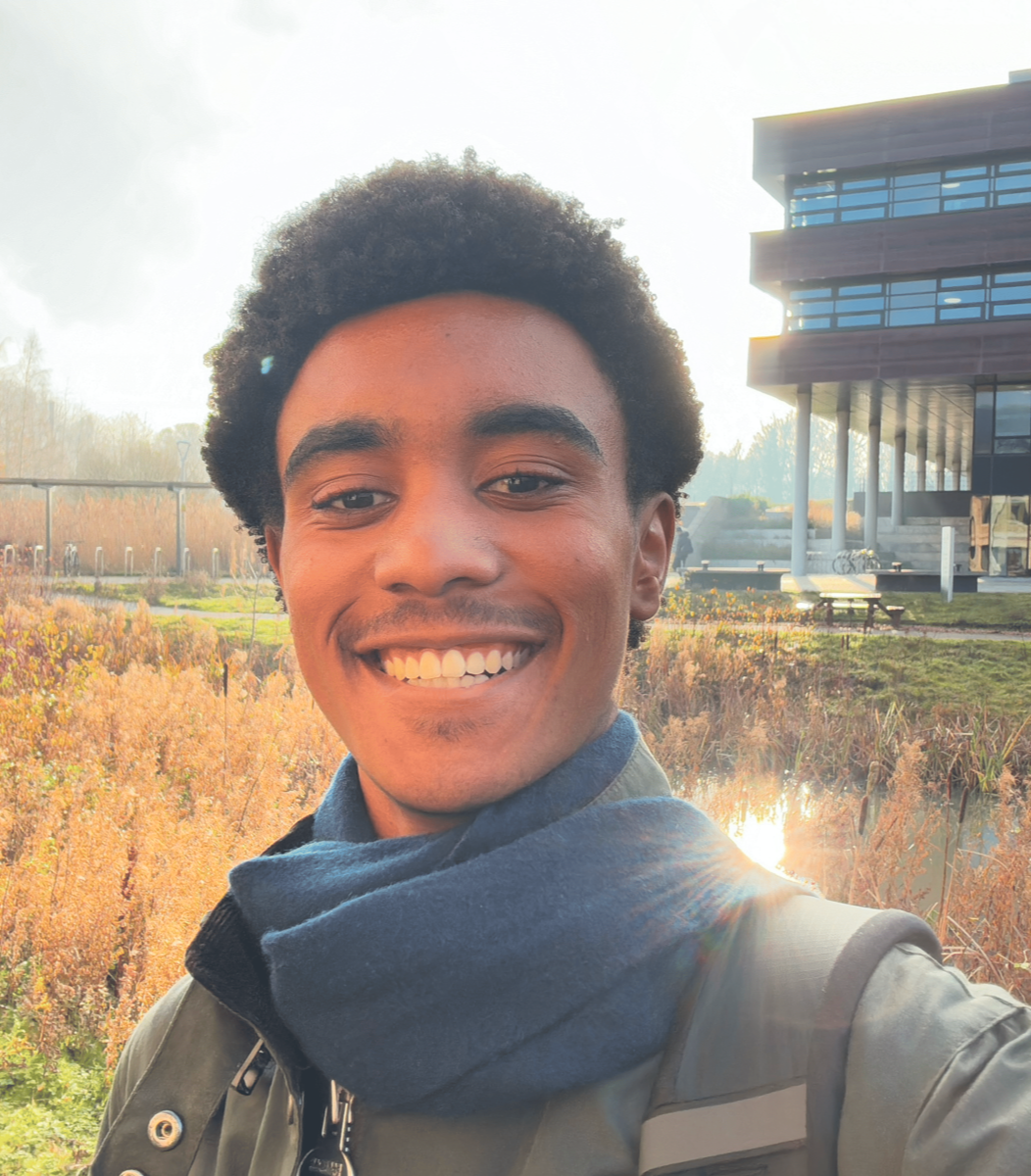
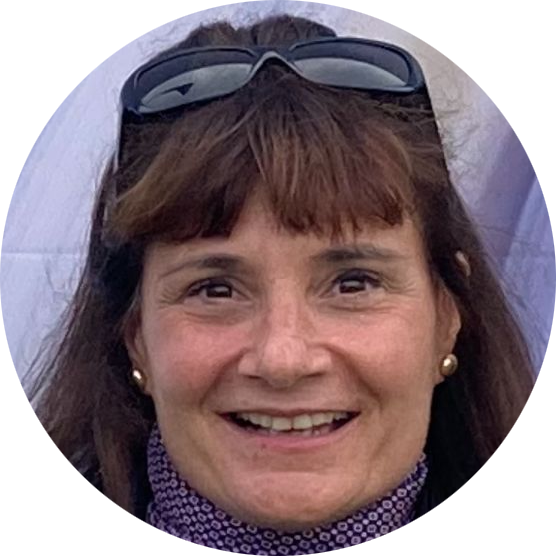
Hi, Laidlaw Family. I am the Senior Manager for the Leadership Framework at Durham University, UK. Part of my role is to oversee the Laidlaw Leadership and Research Programme, with particular responsibility for the partnership management. This involves identifying key stakeholders, soliciting and stewarding these relationships while offering a platform for collaborative work.
Networking and managing relationships is a key component of successful leadership. I would urge all future leaders to have a mentor to support them on their leadership journey.
I am also a qualified Family and work place mediator, offering training in mediation and conflict resolution skills. I have also, written and published mentoring guidelines and toolkits. I would be happy to assist any students on the Laidlaw programme.
Prior to this post I have worked as a Director of a Hospice, I have lectured in South African Dramatic Literature, set up several NGO's in South Africa and Zambia.
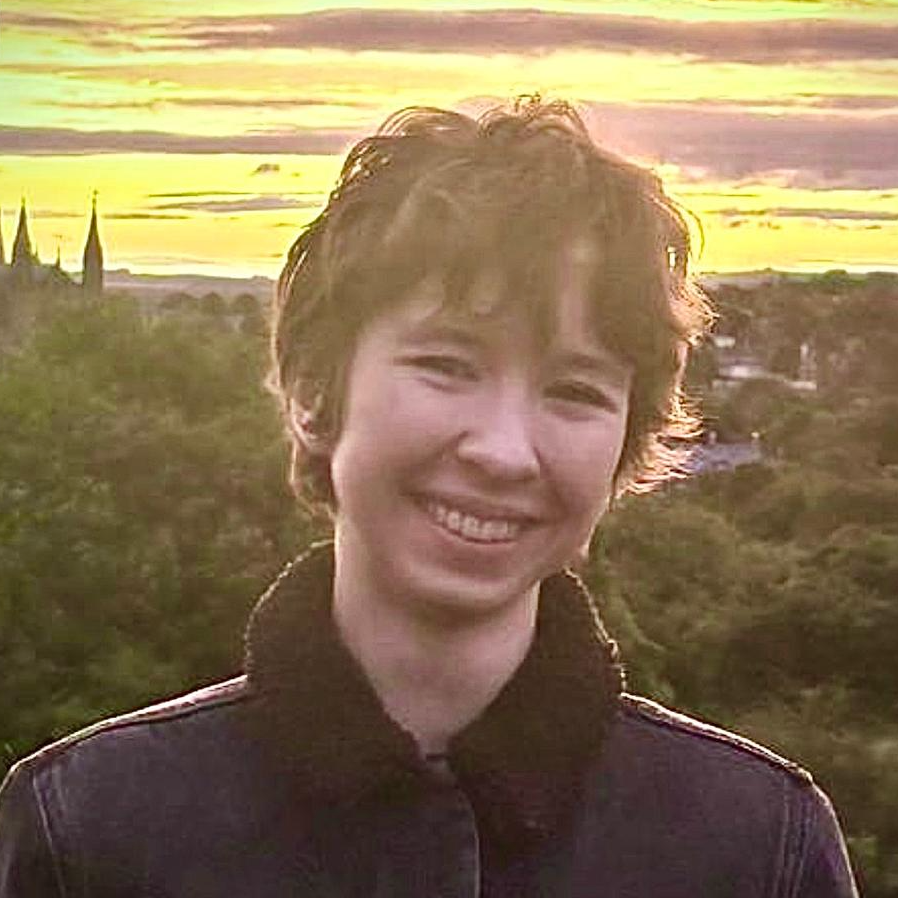
Hi! My name is Katya and I am a BSc Biosciences student at Durham University.
This summer I am excited to be completing my project on the effect of dopamine transport on the memory of fruit flies. I will be looking at how removing the dopamine transporter from a memory relevant area of the brain has an effect on the ability of the flies to form and retain associative memories.
When I’m not researching, I enjoy playing sports such as tennis, table tennis, netball, and running, and I also love playing music on piano, guitar and flute. I’m really excited to be part of the 2026 Laidlaw Cohort, so feel free to reach out to me with any questions or if you just fancy a chat!
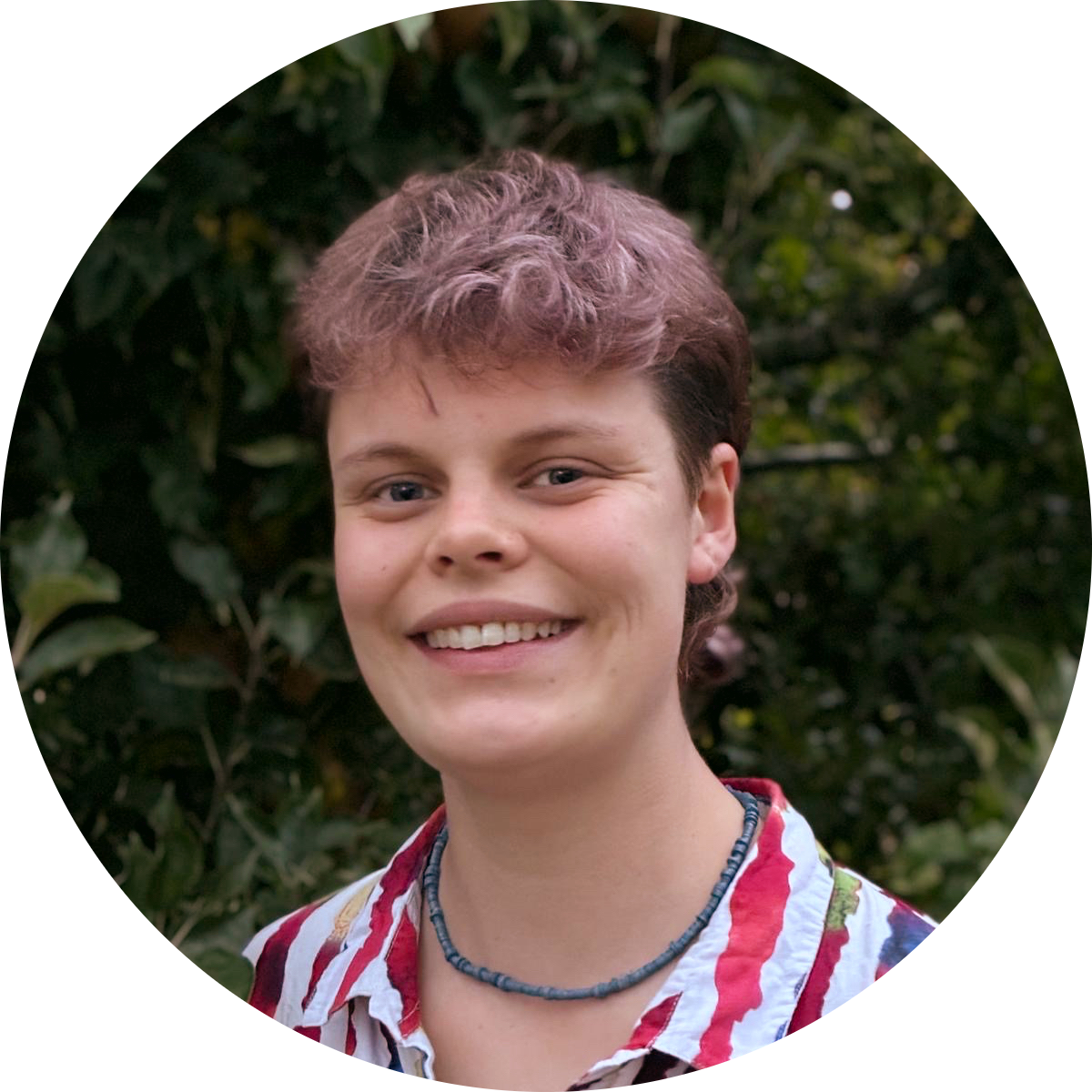
I am a Mathematics student at Durham University, passionate about maths, music and the environment.
My research project was titled "Listening to mangroves: Using Autonomous Recording Units and Machine Learning tools to assess avian biodiversity in the mangroves of coastal Suriname", where I developed skills in Data Science and R (statistical programming language), and provided new information on the ecology of these critical ecosystems. My LiA was based at the Wetlands International Global Office in the Netherlands, and used hydrological modelling and conversations with key stakeholders to identify the best Soil and Water Conservation (SWC) strategies, and locations for them, for reducing sedimentation in Lake Ziway and the Meki catchment, Ethiopia. I'm interested in a career in maths modelling for environmental issues, and am particularly interested in science communication. I have graduated from the Arete fellowship in Effective Altruism, where I considered how my career can have the most positive impact on society.
I am also a woodwind player (clarinet, saxophones, flute) and play music in a range of styles from orchestral to jazz to musical theatre. This year I am the President of Durham University Big Band, and last year I was the Treasurer of Durham Student Music, which involved advising the treasurers of our ~30 groups, facilitating collaborative projects and charity fundraising, as well as running a series of grants for individuals and societies to improve access to participation in music.
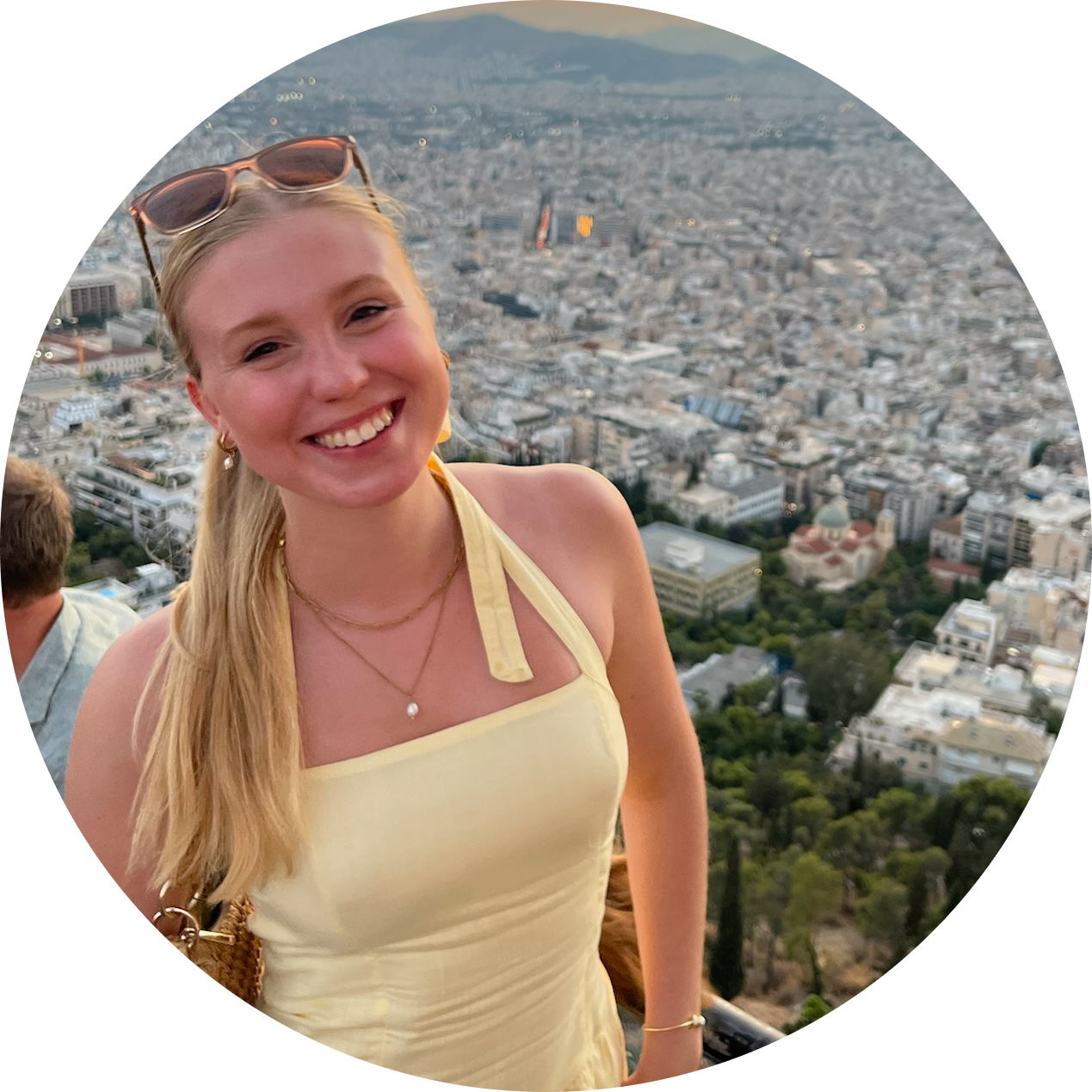
Hi! I'm Lexie, an undergraduate psychology student at Durham University. I'm an aspiring clinical psychologist, with a particular interest in eating disorders, body image, and neurodivergence.

I am a Career Development Fellow in the Psychology Department at Durham University, where I research the psychological processes that enable people to adapt, remain motivated, and flourish in challenging environments.
My research sits at the intersection of resilience science, Self-Determination Theory, and well-being. I am particularly interested in understanding how individual, social, and environmental resources interact to support resilient well-being across diverse contexts. My doctoral research examined these processes among polar expeditioners living and working in isolated, confined, and extreme environments, using mixed methods to explore how basic psychological needs underpin resilient functioning.
I am now extending this work beyond polar environments to investigate resilient well-being in higher education, sport, and other high-challenge settings. My research adopts a socioecological perspective, recognising that resilience emerges through the dynamic interaction between people and their environments rather than residing solely within the individual.
Alongside research, I teach quantitative and qualitative research methods, statistics, and psychology at undergraduate level, supervise student research, and enjoy translating psychological science into practical applications for education, sport, organisations, and communities.
Before entering academia, I spent over two decades working in community development and youth work, founding and leading a social enterprise supporting children, young people, and disadvantaged communities. These experiences continue to shape my research philosophy: I believe the best psychological science should not only advance theory but also improve people's lives.
My work combines rigorous empirical research with a strong commitment to real-world impact, and I am always interested in collaborating with researchers and practitioners working in resilience, motivation, well-being, Self-Determination Theory, higher education, sport psychology, extreme environments, and community-based research.

Hello, I'm Katarina, an incoming second year Physics student at Durham University. I've enjoyed my time so far in the 2026 cohort with my project about mitigating the effects of light pollution. My dream LiA placement would involve immersion in nature, traditional craftsmanship and driving sustainable fashion. I hope to find something like this!
I aim to continue studying Physics to PhD level, and am particularly interested in either researching sustainable technology or developing aviation systems. My passion for public speaking shapes my goal of driving scientific communication globally as a vessel for change.
My interests beyond academia include electric guitar, fashion and sewing, boxing, and reading, as I've been fortunate enough to study an English Literature module this year.
Hello! I’m Astra, a student at Durham University studying BSc Psychology and Anthropology, and part of the 2026 cohort of Laidlaw Research and Leadership Scholars.
My research project this summer will seek to compare social tolerance behaviours in children and vervet monkeys. I will be creating a quantitative dataset by applying an ethogram to 17.5 hours of experimental footage, and subsequently analysing it in R. At the end, I hope to deliver both a research paper and research poster with my findings.
Through this research and in my future career, I hope to investigate the overlap between psychology and anthropology in order to apply the different approaches for a more holistic understanding of how people work.
If you have any questions or would just like to chat, please feel free to reach out!

I am Faiza Malak, currently a law student at Durham University. I am excited to be commencing my research this summer and look forward to sharing updates with the network on both the breadth and depth of my work and experiences. Stay tuned!

Hi! My name is Daohui and I am a first-year Mathematics and Physics student at Durham University (2026). I look forward to being part of the 2026 cohort with my project about prevention and mitigation strategies of future global outbreaks by simulating and analysing the effects of COVID-19! I am particularly interested in applied mathematics and I believe that as the world becomes more and more interconnected, simulatory data will become increasingly important and impactful on global health. After the recent pandemic, there is undoubtedly still work to do in field of epidemiology, which is what I hope to contribute to.

Hi! My name's Charlie, I'm doing a research project on surrogate functions for solar panel optimisation on tall vertical facades. I'll be comparing optimisation methods between surrogate functions, particle swarm optimisation and genetic optimisation.
I'm studying Engineering, but when I'm not working I am a part of DU Solarcar (looking forward to the European Solar Challenge 2026!), as well as going to church and running in my free time. I'm always up for a game of chess or a chat about science. I'm also learning French and Spanish in my free time. Fun fact: I'm also enrolled on a Welsh language course at Prifysgol Bangor!

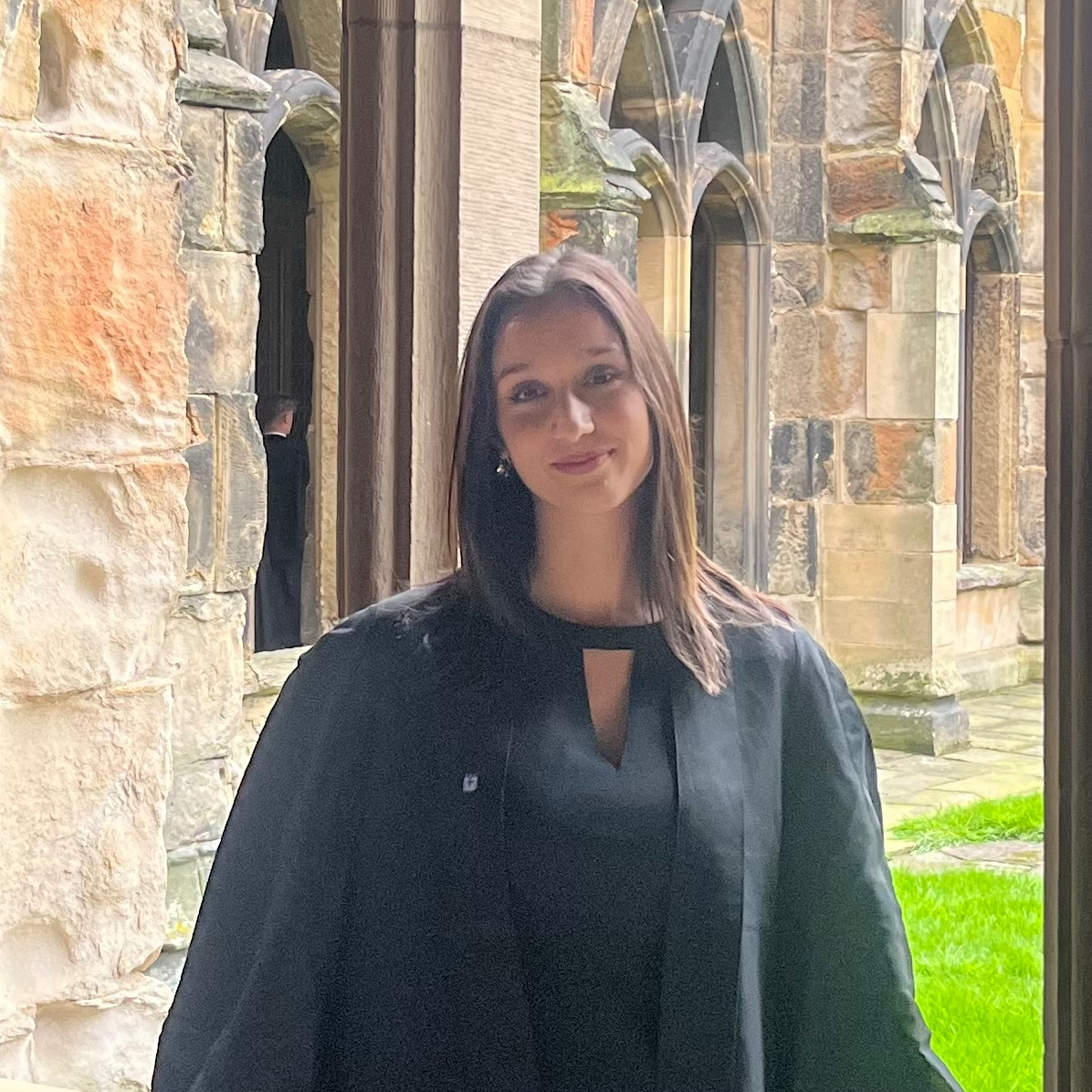
Hi, I'm Asli, a first-year Computer Science student at Durham University. I'm excited to be spending this summer working on my research project and further developing my skills. I look forward to progressing through the programme, meeting new people, and learning from the experience along the way.
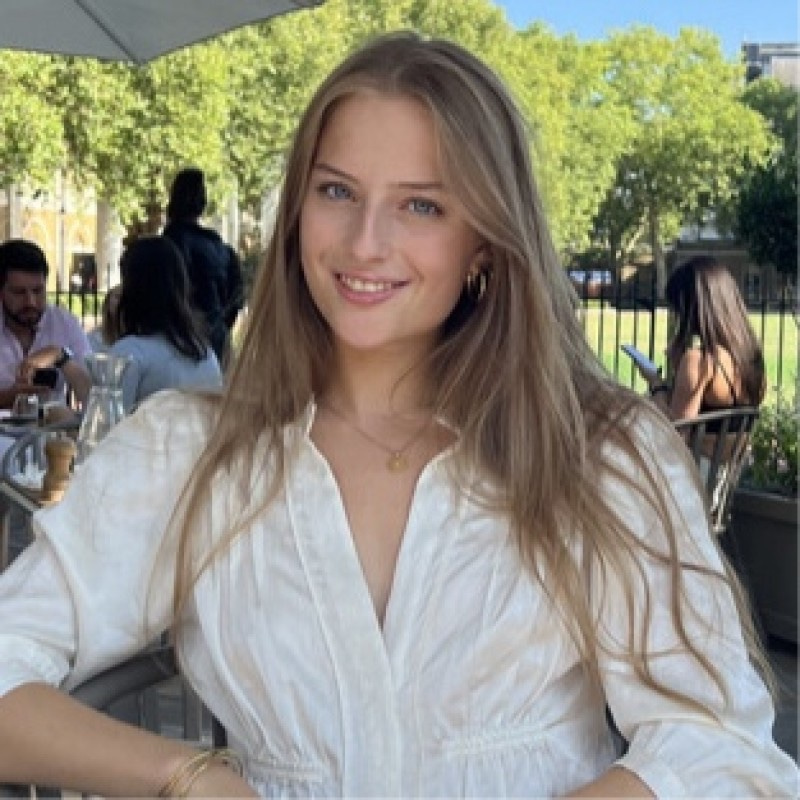
Hi! My name is Judit, and I'm a second-year History and Politics student at Durham University. This summer, I am excited to embark on my research project: an investigation of how young adults use AI for emotional support and companionship.
Like many students, I have witnessed the widespread integration of AI into young people's lives. Yet, there is a lack of AI safety initiatives that address this increase and, in particular, the growing use of AI to meet emotional needs. By conducting a large online survey, my project aims to inform policymakers on the use, causes, and consequences of AI emotional support.
I am really looking forward to starting this research and all the accompanying opportunities as a Laidlaw scholar. Stay tuned for updates!