

I am a Career Development Fellow in the Psychology Department at Durham University, where I research the psychological processes that enable people to adapt, remain motivated, and flourish in challenging environments.
My research sits at the intersection of resilience science, Self-Determination Theory, and well-being. I am particularly interested in understanding how individual, social, and environmental resources interact to support resilient well-being across diverse contexts. My doctoral research examined these processes among polar expeditioners living and working in isolated, confined, and extreme environments, using mixed methods to explore how basic psychological needs underpin resilient functioning.
I am now extending this work beyond polar environments to investigate resilient well-being in higher education, sport, and other high-challenge settings. My research adopts a socioecological perspective, recognising that resilience emerges through the dynamic interaction between people and their environments rather than residing solely within the individual.
Alongside research, I teach quantitative and qualitative research methods, statistics, and psychology at undergraduate level, supervise student research, and enjoy translating psychological science into practical applications for education, sport, organisations, and communities.
Before entering academia, I spent over two decades working in community development and youth work, founding and leading a social enterprise supporting children, young people, and disadvantaged communities. These experiences continue to shape my research philosophy: I believe the best psychological science should not only advance theory but also improve people's lives.
My work combines rigorous empirical research with a strong commitment to real-world impact, and I am always interested in collaborating with researchers and practitioners working in resilience, motivation, well-being, Self-Determination Theory, higher education, sport psychology, extreme environments, and community-based research.
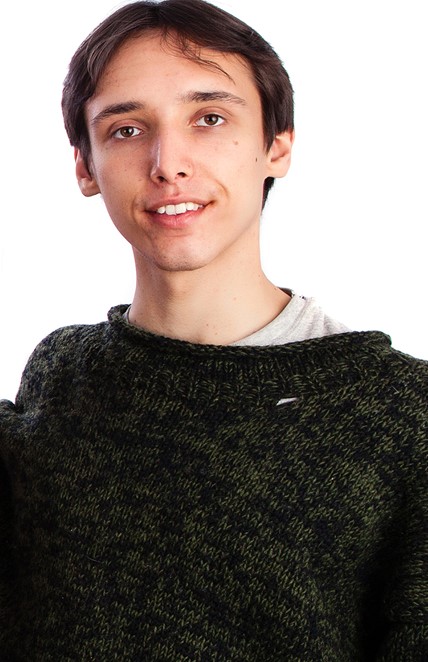
Graduate in Philosophy, Politics, and Economics (PPE) from Durham University. Have conducted research on climate security in the Israeli-Palestinian context. Experience in public speaking in an academic context, journalism, and journalistic editing.

Bethany is a practising screenwriter and film producer who was a Laidlaw Scholar in the University of York's first cohort in 2017-18. She set up a production company with her partner Patrick the Isle of Man, where they now produce films and write screenplays. Their first short documentary, MERA, premiered at Festival Interceltique de Lorient, Brittany in August 2019 and their short drama, The Lost Wife, is in postproduction. Their scripts have placed in multiple international screenwriting competitions. Bethany is passionate about helping others to develop, especially those considering writing or the film industry as a career path.
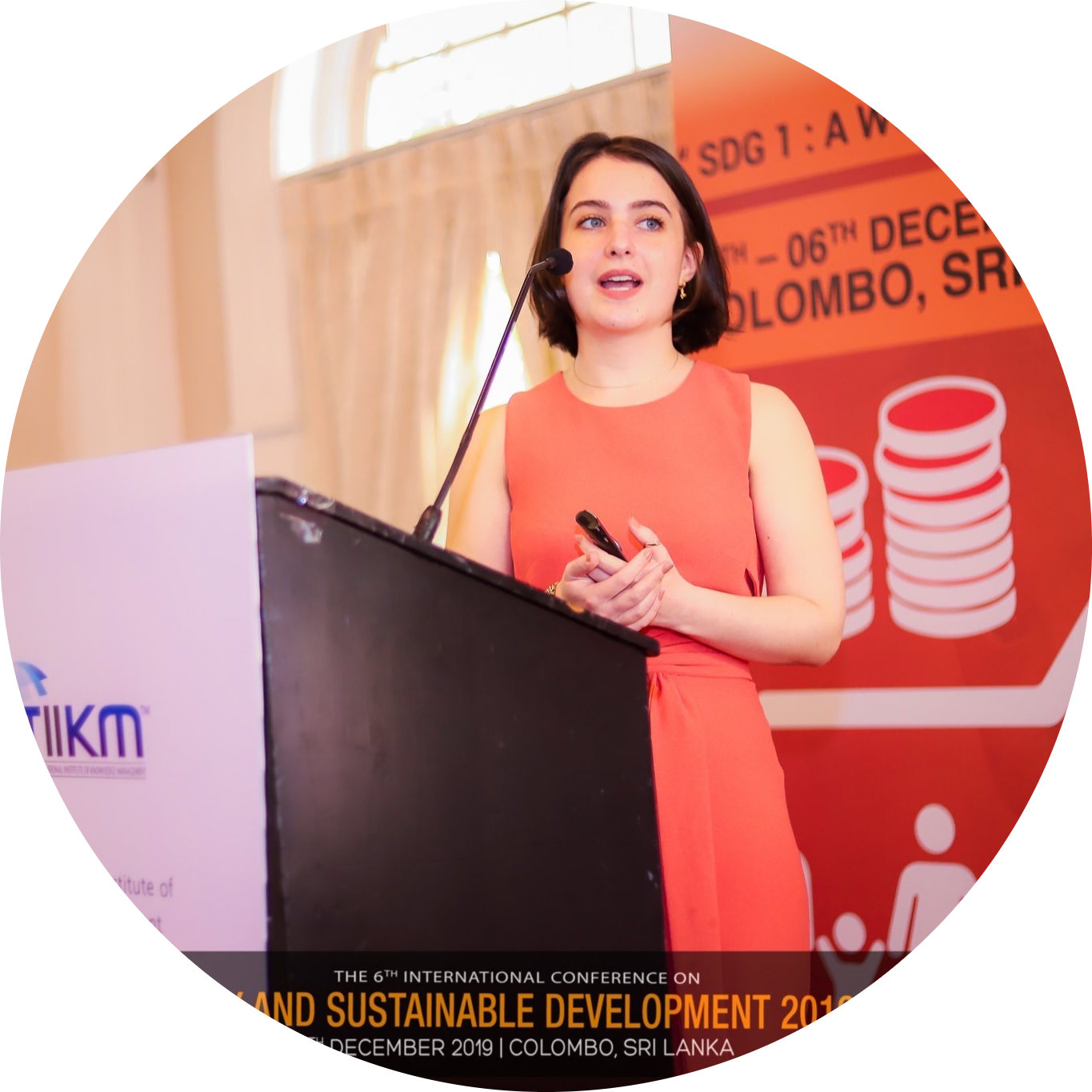
Since 2015, I have been passionate about ending poverty in the UK. I began my journey as a campaigner against poverty in my local area with Poverty Ends Now, a young person lead group ran by Children North East. Since then, I have represented the UK in the Commonwealth Heads of Government Meeting and other positions of influence with poverty as my main focus point. My Laidlaw Scholarship research project is all about the relationship between language, meaning and poverty. By understanding and changing unhelpful public discourse about poverty, we can start to shift power.

Final-year Durham student studying Politics; President of Durham Laidlaw Scholars' Organisation; Incoming ESRC-funded MA-PhD student in NINE DTP. My research so far has covered ideological identity in left-wing student activism, examining the interplay of social movement theory and the philosophy of identity, and my general research interests include citizenship education, democratic theory and the occasional bit of political anthropology. Outside of my studies it's mainly twentieth-century literature, cocktails and cooking!