There is a rhythm you reach when you’ve been in a role for a while. The morning greetings, the way you fidget with your lanyard in meetings, the chair you get in early to nab, and the way to jiggle the kettle just right so that it turns on without a fuss. Depending on how you approach it, this familiarity can breed complacency or creativity. During weeks five and six of my LiA I made it my mission to pursue the latter.
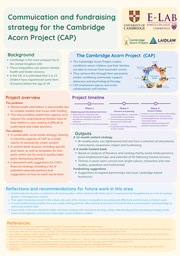
Working with social media became a lot easier during these final weeks. Translating the hodge-podge of media case studies and academic readings I had collected during research became second-nature. Drawing on resources from the Samaritans and Mind on how to effectively communicate mental health, as well as the childlike joy of the social media presence of Ceebeebies, a childrens broadcasting network in the UK, I finally cracked the code to communicating in the quirky, optimistic and yet still grounded tone CAP uses.
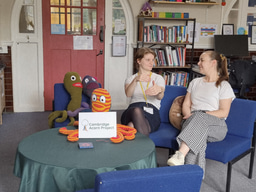
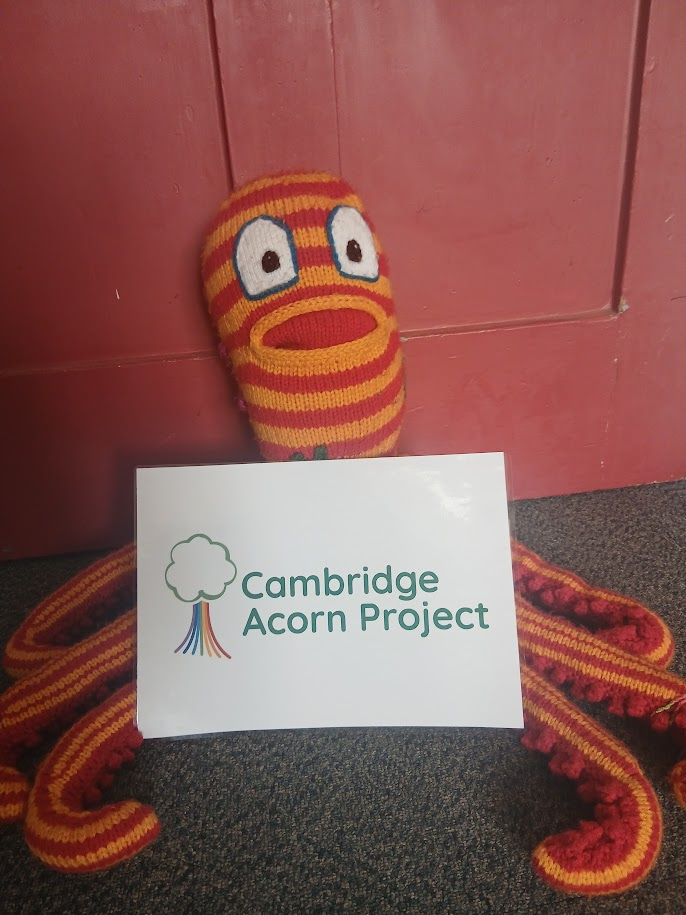
One of the key outcomes I devised was the creation of a social media mascot character- Hug-A-Lot the octopus, who is used by therapists in sessions to “eat” worries written out by children and keep them safe. Hug-A-Lot took inspiration from the characters of Ceebeebies, and how they’re used on social media to create familiarity with the audience, allowing us to bypass the issues of confidentiality and sharing student’s stories. Hug-a-lot was then used to make informational posts highlighting self-care activities or important mental health reminders based on research but communicated in a simple, effective way.
It was this style of iteration, building on previous work and creating stories that saved me from the stagnation that often comes with familiarity. Building out a world and communicating from a place of storytelling was important in preventing stagnation. When I focused on the tone of voice, characters and purpose I had developed, rather than sinking into a routine of outputting content, I found ideas flowed more easily, and my routine at the office gave me breathing room to fully explore these creative ideas, rather than constraining me.
Reaching this place of comfortability was welcome, and necessary, but had I approached my final weeks with a less creative mindset they would have been passable rather than the meaningful final fruition of everything I had learned. By checking in and staying true to the story, the mission and the values of CAP, I was able to finish my work satisfied that I had learned, and that I had truly made an impact on how CAP will communicate moving forward.
Stay tuned for some further reflections upon finishing my project, and to see how I’ve taken the lessons from CAP forward into future projects!
My name is Rosalind and I'm a first year student in psychology at the University of Cambridge. I am particularly interested in the interection between physical and mental health and how psychological and neurological processes can impact somatic functions. Another major interest of mine is the maintenance of mental health recovery, and how post-acute care in communities and systems can support the longevity of recovery and prevent relapse.