WEEK 2 OF LIA in MEDELLIN, COLOMBIA!
During Week 2 of my Leadership in Action project, Reaction for Impact 2026 with Corporación Platohedro, my role evolved from observing the organization to actively interpreting its work through a quantitative and impact lens. As a finance student interested in data-driven decision making, this week was about connecting my analytical skills to the realities of a grassroots cultural organization in Medellín.
My main focus was to systematically break down Platohedro’s existing programs and activities, especially the D-Formación education lines: Matinee, Ideatorio, Amapolas, and Jaguar Escool. I approached these as I would a portfolio of projects, identifying their target groups, core activities, and the specific outcomes they seek to generate for children, teenagers, mothers, and young adults. Using a simple impact logic (activities, outcomes, and longer-term impact), I began to structure scattered information into an internal “impact map”. Rather than relying on purely financial metrics, I had to think in terms of psychosocial wellbeing, safety, and the ability to imagine new futures, which pushed me to broaden my definition of value.
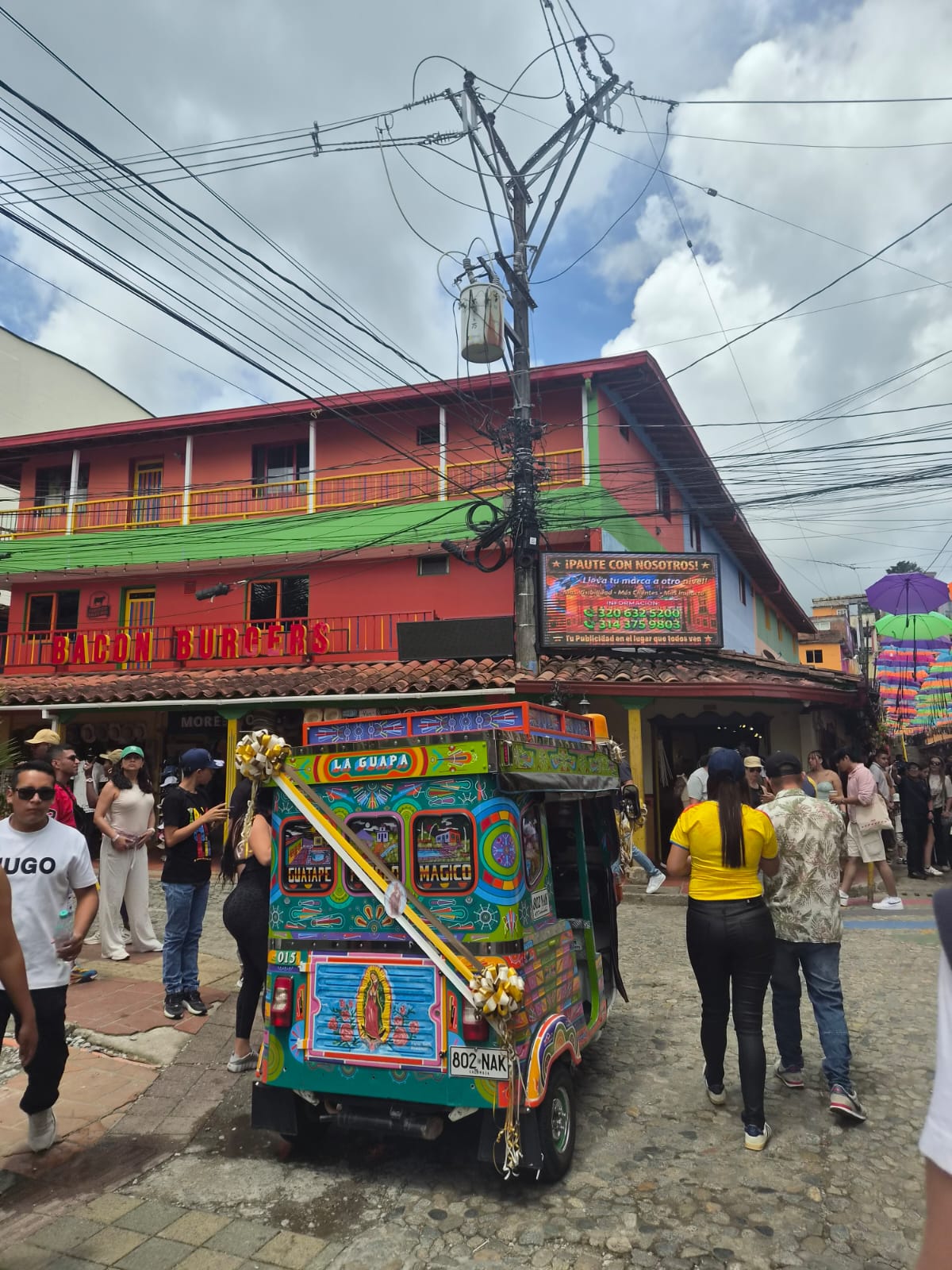
A turning point in the week was visiting and observing the physical spaces around the Platohedro house and nearby community areas. Seeing children, teenagers, and mothers interact with the space made the programs I had been analyzing feel less abstract, and the atmosphere of safety and creativity helped me understand what impact looks like on the ground. It reminded me that spreadsheets and program descriptions are only part of the story; to design meaningful interventions, I need to stay close to the people and environments these projects serve.
On a personal level, Week 2 encouraged me to integrate my quantitative mindset with more empathetic, context-aware leadership. I had to listen carefully, avoid overly technical or paternalistic language, and respect Platohedro’s emphasis on community autonomy. Instead of starting with optimization, I learned to begin with values and lived experience. Going forward, I feel better prepared to contribute to impact-focused communication materials and fundraising strategies that are analytically sound and aligned with Platohedro’s philosophy of Buen Vivir and Buen Conocer.