The Paradox of Leadership: Building Leaders in a Fragile World

Throughout this week's Leadership Development sessions, I kept returning to the same question: what does it mean to prepare future leaders in a world where the conditions for ethical leadership are becoming increasingly fragile?
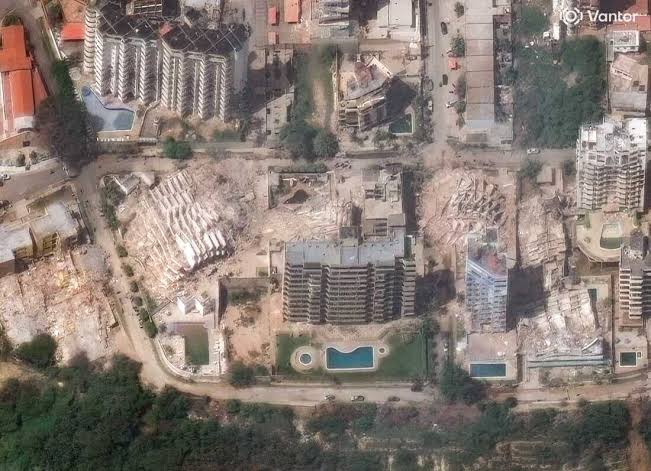
While our cohort explored curiosity, courage, compassion, integrity and purpose, I was following the aftermath of the earthquake in Venezuela. The contrast between those two realities became impossible for me to ignore. Inside the classroom, we were discussing how leaders build trust, empower others and create positive change. Outside it, entire communities were relying on leadership simply to endure uncertainty, coordinate recovery and preserve hope.
That tension became the starting point for my reflection.
The value I found myself returning to most was curiosity. Not curiosity as an intellectual exercise, but as a willingness to question assumptions I did not realise I held. As a Mexican woman studying at Durham University in England, I expected Laidlaw to bring together people from different countries. What surprised me was not our diversity of nationalities, but the diversity of our experiences with leadership. Some members of my cohort spoke about leadership through the lens of opportunity and innovation, while others described it through resilience, uncertainty or rebuilding after crisis. Those conversations reminded me that leadership is never developed independently of context. Integrity also became central to my reflection. Following events in Venezuela while discussing ethical leadership forced me to acknowledge that, although values may be universal, the opportunity to act upon them often depends on circumstances beyond an individual's control.
This challenged the capacities I relied on throughout the week. Listening became far more important than speaking. Rather than looking for similarities between our experiences, I tried to understand the realities that shaped each person's perspective. I also realised how easily humility can become hesitation. At times, I questioned whether my own perspective added enough value to conversations about instability and crisis. Looking back, I recognise that humility should encourage curiosity rather than silence. Asking thoughtful questions and being willing to learn from others is itself a leadership capacity that I want to continue developing.
Perhaps the greatest change happened in my understanding of character. Before this week, I saw leadership largely as the ability to create positive change. I now think character is revealed by how we choose to uphold our values when circumstances make doing so difficult. The conversations within our cohort, together with the events unfolding beyond our classroom, revealed what I now see as the paradox of leadership. Laidlaw prepares us to become leaders for the future while constantly reminding us to engage with the realities of the present. We are learning to lead through curiosity, courage, compassion, integrity and purpose in a world that is increasingly connected through technology, yet often fragmented by conflict, disasters and inequality. Ethical leadership has never been more necessary, yet for many people the conditions that make it possible have never felt more fragile.
This experience has also changed how I think about Global Networking. It is not simply about building an international network. It is about creating a community where different realities become sources of learning rather than barriers to collaboration. What unites us is not that we share the same experiences, but that we are committed to the same values despite experiencing the world differently.
As I move into my Research Project and Leadership in Action, I want to carry this perspective with me. I hope to become the kind of leader who creates spaces where different realities are acknowledged rather than overlooked, where curiosity comes before assumptions, where integrity is maintained even when it is difficult, and where leadership is measured not by influence alone but by the opportunities we create for others. If this week has taught me anything, it is that leadership is not only about preparing for the future—it is about responding to the present with the character, capacities and values that allow others to do the same.
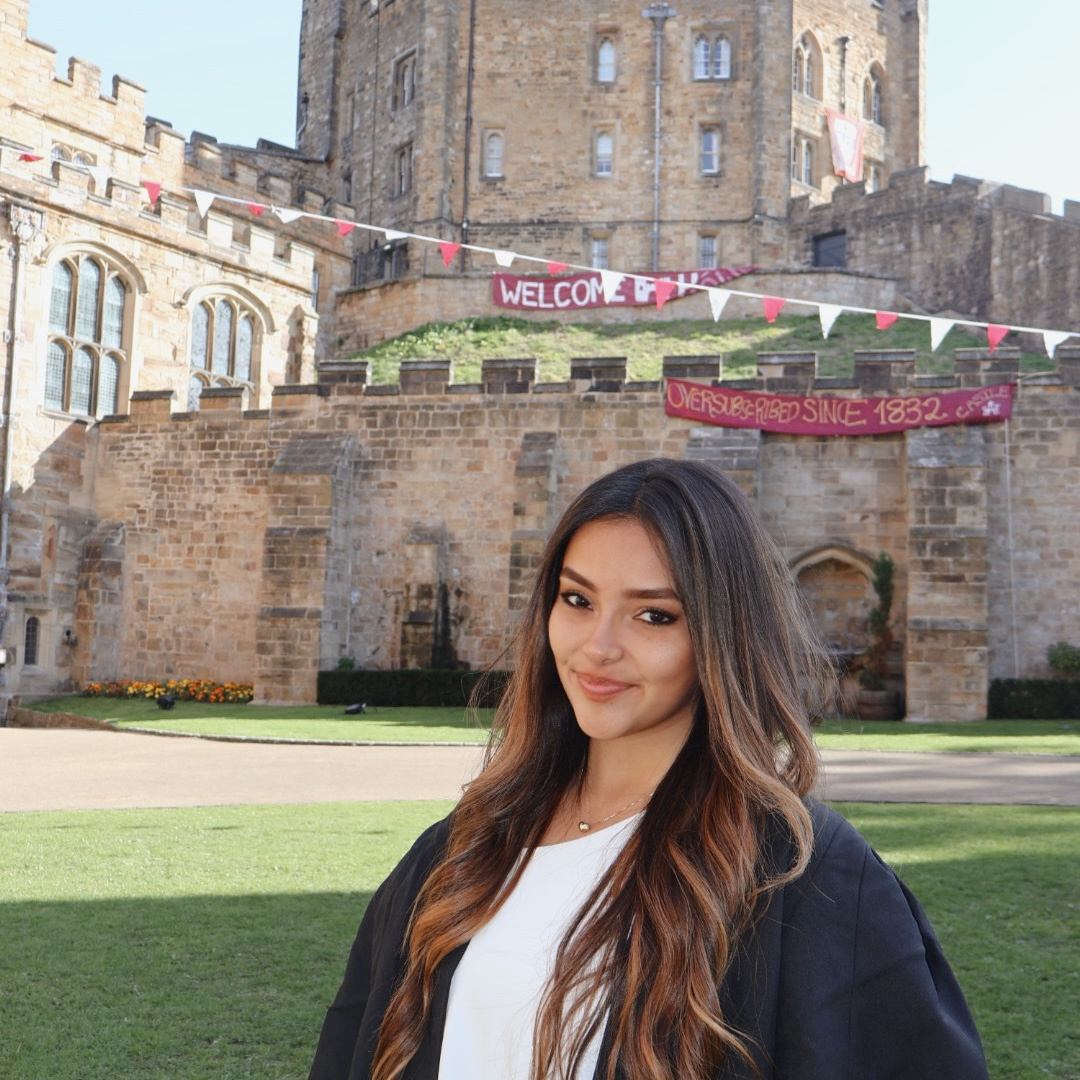
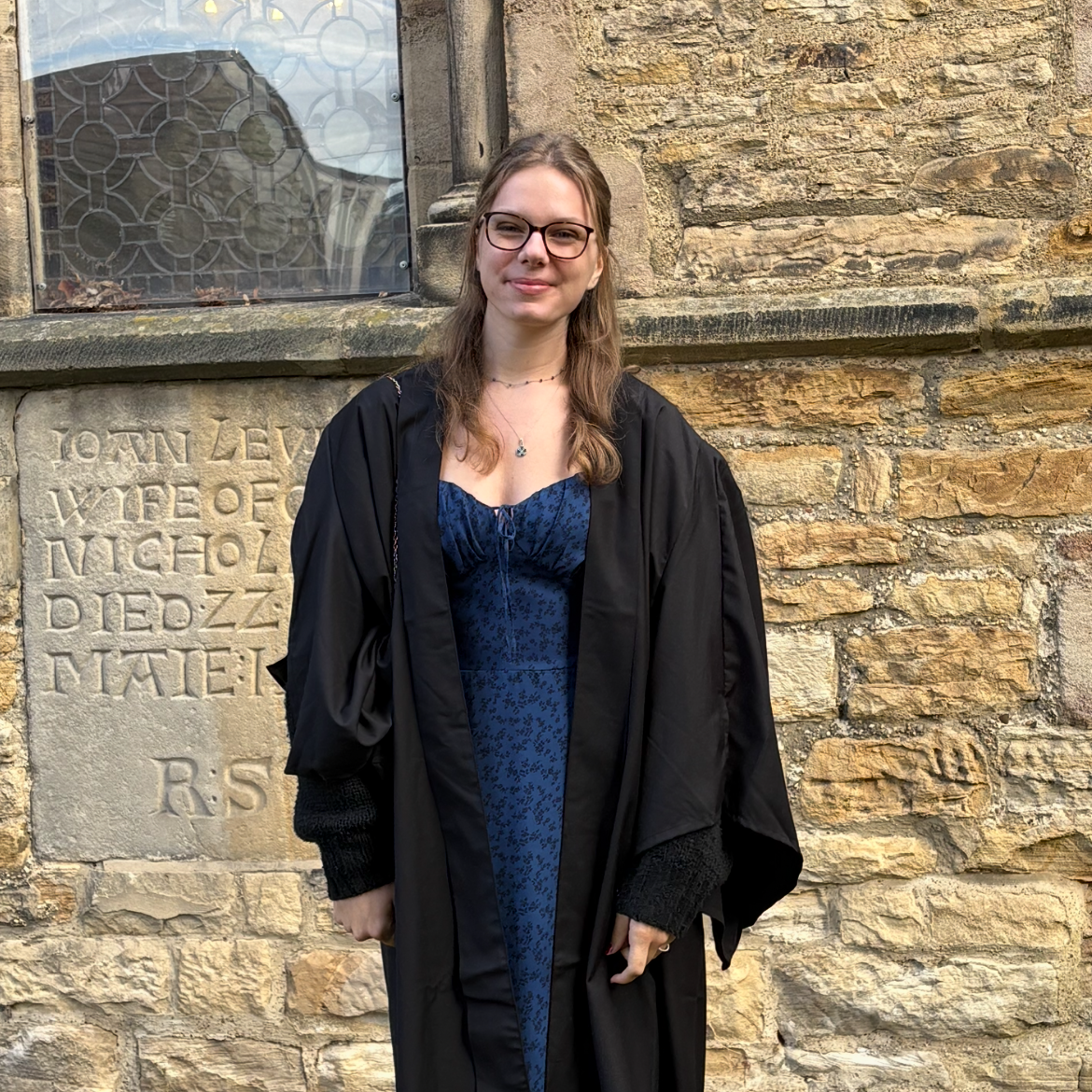
I’m Anette, a PPE student at Durham University and a Laidlaw Scholar from Querétaro, Mexico. I’m passionate about understanding how politics, society and education shape people’s opportunities, particularly questions around inclusion, representation and belonging.
My interest in social impact began through youth-led projects in Mexico, where I worked on initiatives focused on education, sustainability and creating opportunities for young people. I have also been involved in international youth initiatives, including work connected to the United Nations, which exposed me to perspectives and challenges from across the world.
At Durham, I enjoy combining my academic interests with practical action through research, student societies, sport and creative projects. Through Laidlaw, I am researching collaborative learning and how universities can better support students from diverse educational and cultural backgrounds. The experience has pushed me to become more comfortable with uncertainty, question my assumptions and think more critically about how research can translate into meaningful change.
Outside academics, I’m a competitive taekwondo athlete and love creating communities, bringing ideas to life and meeting people with completely different perspectives. I joined Laidlaw not only to develop as a researcher, but to grow as a leader and contribute to a community of curious, ambitious and impact-driven people.