The Leadership Journey of a Laidlaw Scholar
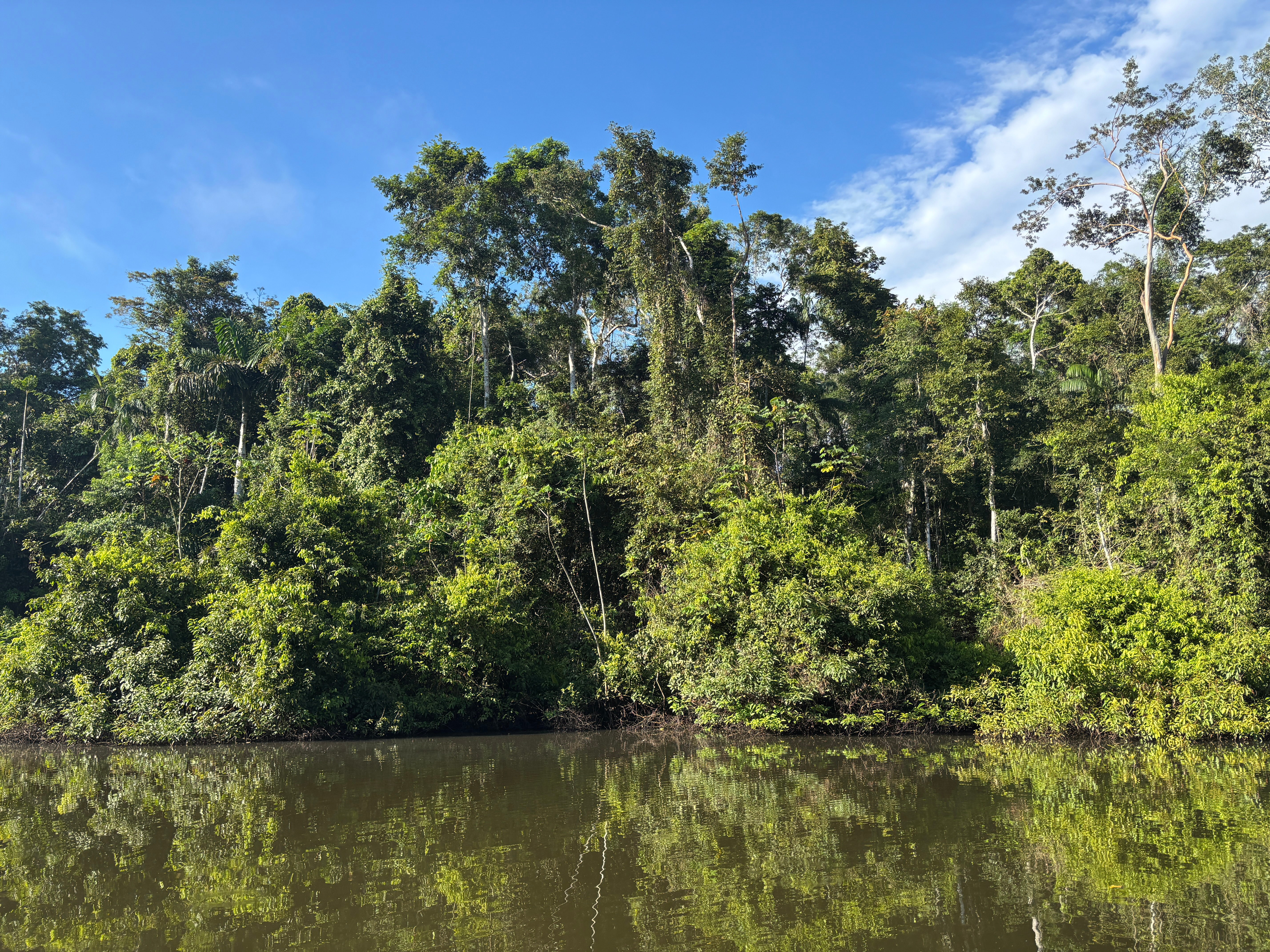
“If you can dream—and not make dreams your master;
If you can think—and not make thoughts your aim;
If you can meet with Triumph and Disaster
And treat those two impostors just the same;
…
If you can fill the unforgiving minute
With sixty seconds’ worth of distance run,
Yours is the Earth and everything that’s in it”
– Rudyard Kipling
Throughout the challenging parcourse of the Laidlaw Leadership and Research programme, I kept coming back to one of my favorite poems, “If” by Rudyard Kipling.
Although I have known this poem my whole life and have even meticulously analyzed it for an English class assignment in high school, I believe I only started to better grasp the meaning of some of these verses during my time as a Laidlaw Scholar.
If you can dream—and not make dreams your master
It is said that great leaders are visionaries. My experience has shown me that the ability to envision a goal is not enough in itself.
I entered both summers carrying heavy dreams that weighed me down more than they allowed me to go forwards. Whilst I dreamt of finding results worthy of publication during my first summer, I spent months envisioning the endless potential for personal transformation during the second summer. These masters of mine were fatiguing in their demands, cruel in their appearance, and unrealistic in their nature.
Though the time it took for the facade of grandeur to collapse differed for each summer, the outcome was the same: I had to face what the facade was masking.
I used to think that behind the wall there was emptiness, a hollow space with no heartbeat. However, I now see that there is much to gain and enjoy and learn from what was there. This realization dawned upon me before it was too late, and I found it quite liberating, allowing me to disentangle both the present and the future from the barbed wires I accidentally set in place in the pursuit of greatness.
To be less cryptic, both summers have challenged my mindset that for a long time was static. I was forced to stop the constant rumination on what I could make out of thin air and instead look at what I had directly in front of me.
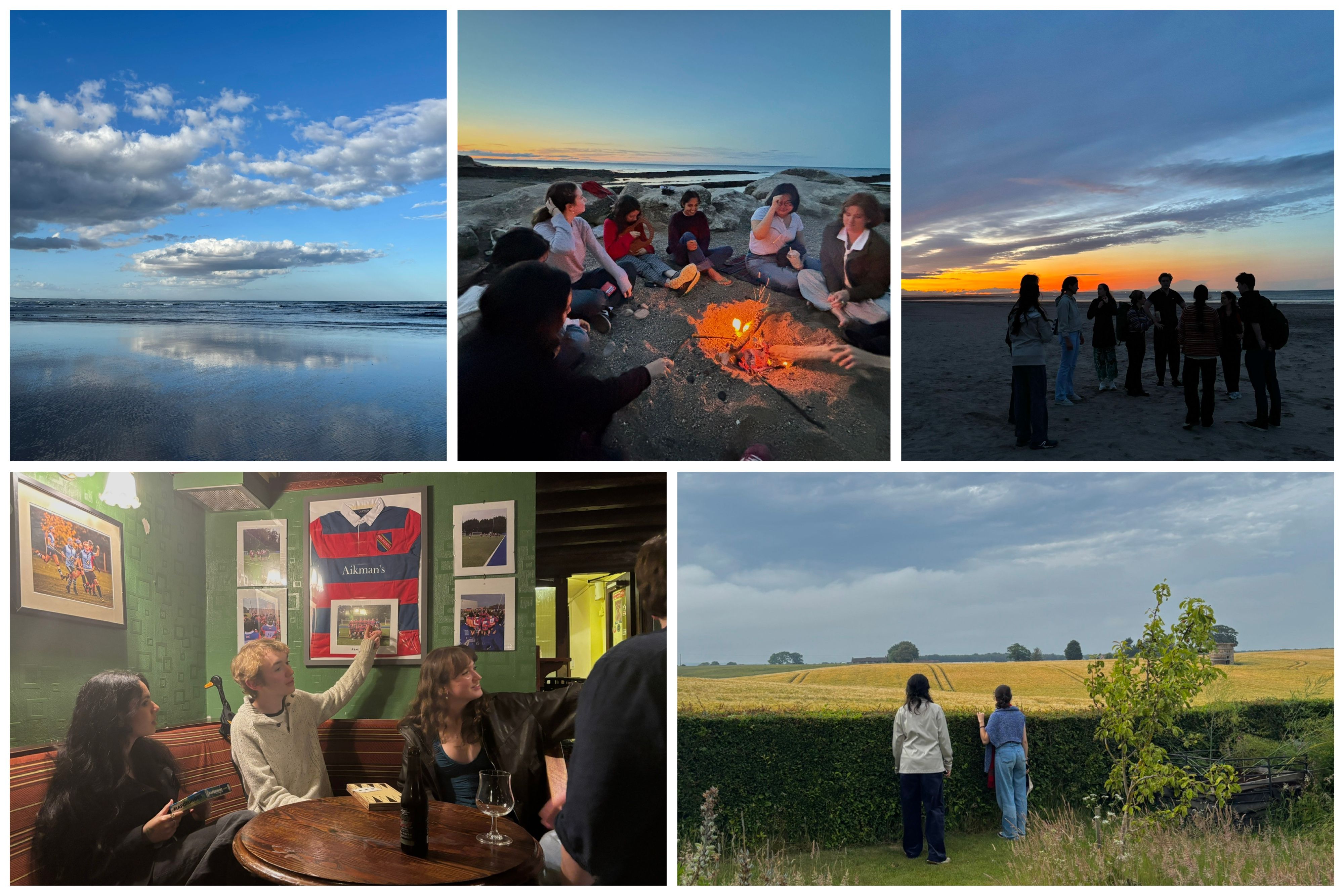
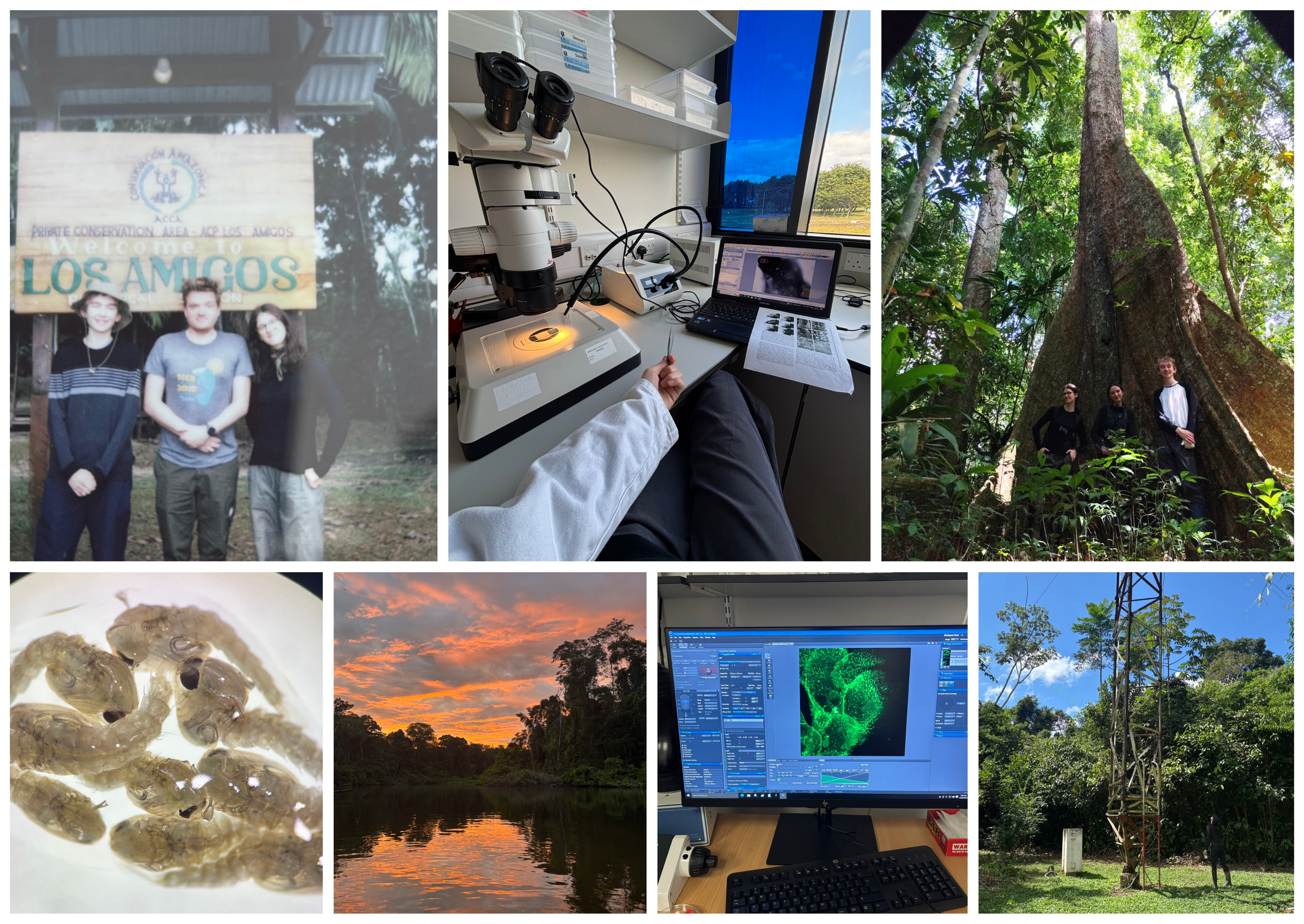
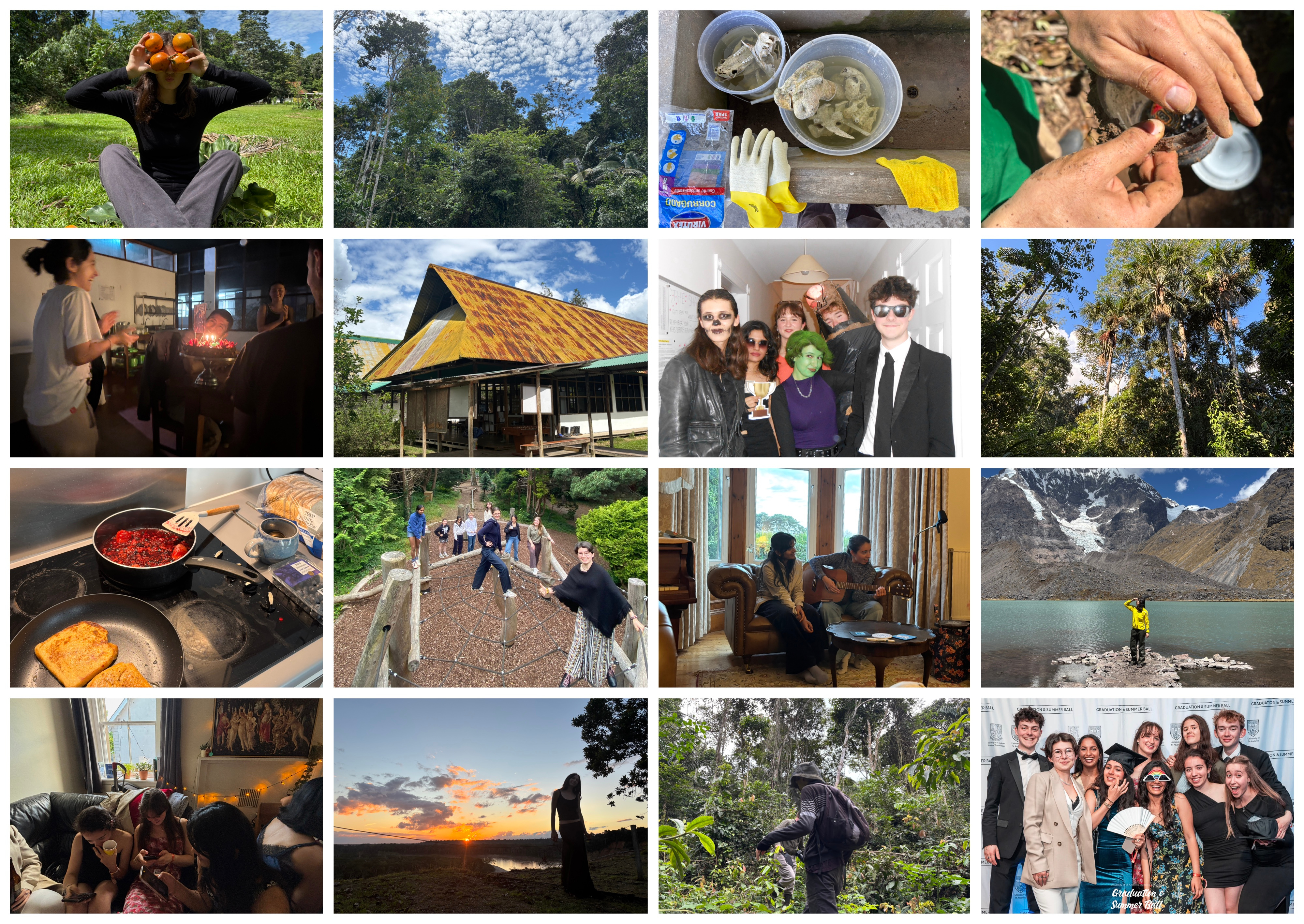
During the research summer, this signified that I started to focus on the work that I had in the lab. My hands started to shake less when I was doing my dissections, I gained more energy to go on with my daily business, and I began to better appreciate the small and the not so small joys of my life in the lab and outside of the lab. Having let go of optimization, I was able to be in the present moment, whether it was the philosophical conversations with kitchenmates that went late into the night, a social outing with friends in a pub, or a long walk to the end of West Sands as the sky admired its reflection in the tranquil North Sea.
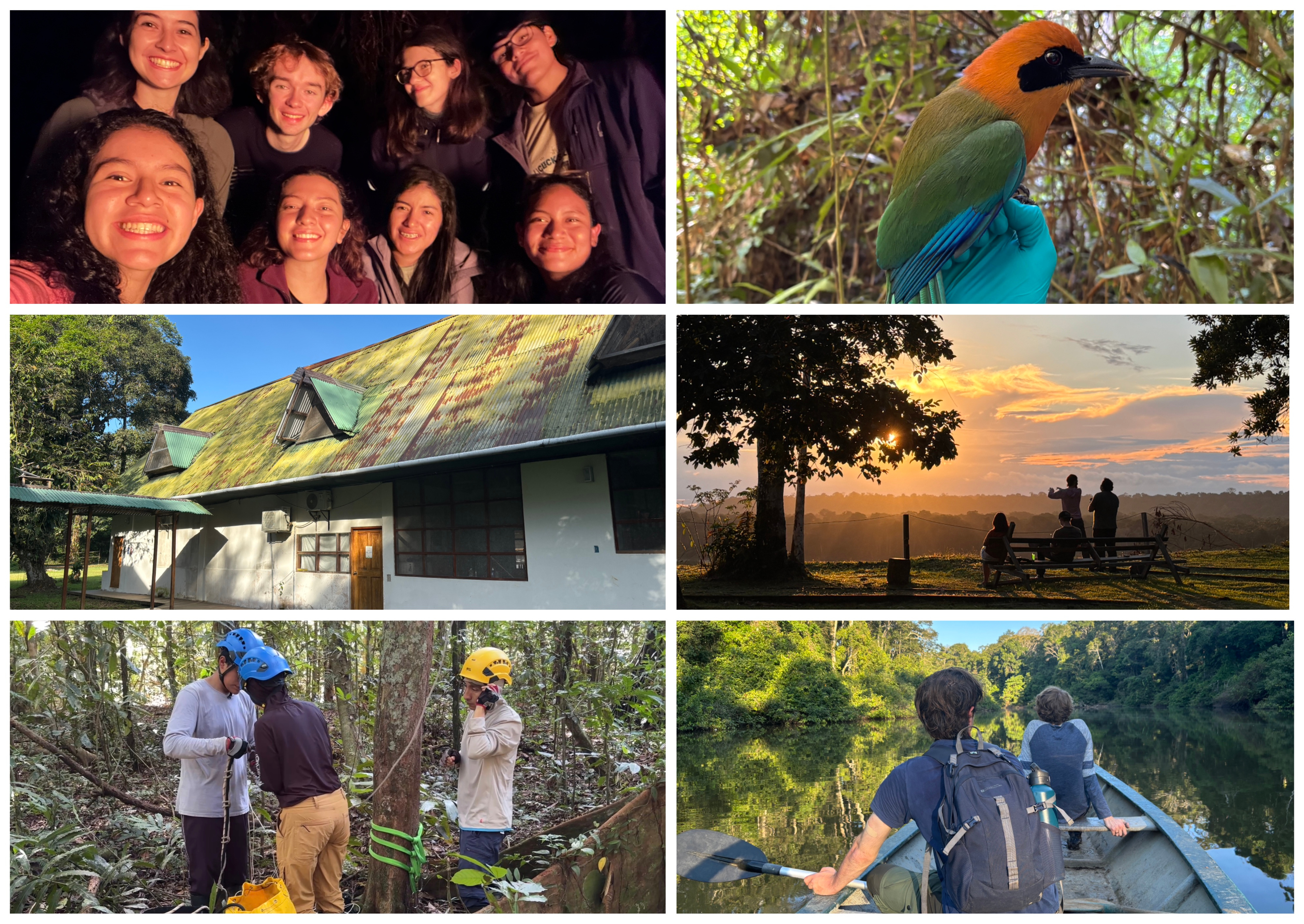
My belief that I had learned this lesson well was again tested during my leadership summer. Yet again, I hoped that going into the depths of the Peruvian Amazon would lead to the reinvention of self. I wanted to be as prepared as possible. Before coming there, I spent many hours spread over several months researching life in the jungle, from wildlife to indigenous communities to weather conditions to Peruvian culture to survival strategies. The latter was done after my mother’s wise decision to send me an article detailing a 1973 plane crash in the Peruvian Amazon a week before my departure. In hindsight, after having carried out in-depth research on these topics accompanied by many hand-written notes, I was still no closer to the reality of what life would be like.
Looking back at who I was on the first day climbing out of the boat that brought us to the station, I do think that the present version of me is more resilient, patient, and a lot more grounded. I say this because there were many moments where I felt unprepared, useless, and frankly, quite stupid. There were many brilliant people at the station, my LiA partner included, whom I am so grateful to have met because of their incredible character, and because they inadvertently showed me how much more there was to working in conservation than what I had previously thought.
Any change in my character happened unprompted and all the best moments came unanticipated, showing, to my surprise, that dreaming far in advance can actually limit more than it can free.
If you can think—and not make thoughts your aim
In Laidlaw, there is a strong emphasis on the 3Cs: Character, Change maker values, and Capacities.
Two years ago, I would have brushed off the 3Cs as an attempt to create artificial meaning and produce thought that has no substance to it. And yet, after having completed the Oxford Character Project and my LiA, I can actually grasp the tangible impacts of the 3Cs framework.
The main outcome of OCP was the nuance I gained in my perception of leadership, or, more specifically, the trait I value most: judgement. Initially, I saw this trait at its face-value: being decisive, analytical, critical, and cognitively complex.
I put all my efforts into embodying this trait. With the output requirements in mind, thoughts were my aim at the start of both summers. The outputs require a lot more work than pure cogitation, however, in essence, it is thought that is desired. I had elaborate plans for a variety of contingencies and I picked apart my projects in search of faults to gain a sense of security. The more I tried to come up with original ideas, whether it was for my poster design, social media content, protocols, or LiA goals, the less I had.
In their futility, these efforts showed me how judgement can be a vice, rendering my vision blurry. During the research summer, I spent every moment of every day scrutinizing what I can do to maximize my chances of publication during the research summer. During the LiA summer, I spent the same amount of energy trying to maximize my utility. Understanding that this was unproductive and soul sucking helped me in more ways than one.
This is what led to the development of both my change maker values and my capacities. Whilst independence, structure, and analytical thinking grew on me during the first summer spent in the lab, the second summer spent in the jungle required collaboration, pragmatism, and situational awareness. The difference in my exposure to these skills between a university setting and Laidlaw is comparable to doing snorkelling before a 100m free-dive with no oxygen tank or flippers.
By catapulting myself into the depths of microscopy image analysis and the jungle, I learned to get out of my head and into real life.
If you can meet with Triumph and Disaster
And treat those two impostors just the same
I used to think of the winner and the loser as two separate individuals on polar sides of the success spectrum. Who knew that you could be both simultaneously?
During Laidlaw, there were many moments where I felt like a two faced Jack. One face was celebrating my Triumphs, the other contemplating my Disasters. To date, each side has a good few to count on its list, but what I realized matters most is the union of the two.
You should treat those two impostors just the same. Why?
Upon meeting Triumph, you might be tempted to relax, to let go of your drive, and to acquire the illusion that you have made ‘it’.
Upon meeting Disaster, you might be tempted to lose hope, to release your ambition, and to adopt the mindset that you will never achieve what it is that you want.
It never was and never will be easy. In both summers I had just as many things that went wrong as the ones that went right.
In the lab, I failed to properly dissect many specimens that had to be binned, the lab-grown fly cultures for one of my two species never arrived, and I did not collect nearly enough data to prove a hypothesis.
In the field, I partially fell into an oxbow lake (and nearly got stuck in quicksand), I did not manage to properly learn Spanish, and I needed to completely change one of my LiA SMART goals to better suit the needs of the station.
But, at the end of the line, apart from official victories including my research poster receiving recognition from Taylor & Francis, everything else that was amazing about Laidlaw was nothing I can put on a CV.
If you can fill the unforgiving minute
With sixty seconds’ worth of distance run,
Yours is the Earth and everything that’s in it
Having attended many lessons in school and consumed many textbooks to learn history, my view was that humanity should fight for the greater good, a better tomorrow, a moral conviction, a lofty belief that even the leaders themselves cannot reach.
After two years of the Laidlaw Scholars programme, I now recognise that good leadership is holistic, practical, and, most importantly, centered around people rather than ideals.
Somewhere between getting onto the first of the several flights to get to my very remote LiA location and writing this final Laidlaw reflection, there was a pronounced change in my views on the importance of a global mindset. My LiA allowed me to observe a fraction of how different the fabric of reality is for local Peruvian communities, from the contrasting weather patterns to the tarp threads helping people make their livelihood through gold mining.
This experience has reinforced the notion that socioeconomic and cultural sensitivity needs to be one of, if not the central, foundations behind any initiative that intends to drive positive, meaningful, ethical, and long-lasting change. It also showed me that most problems do not have a clear-cut solution. Gold mining damages the environment and the people, and yet, fully enforcing a ban on it is difficult in practice and is inadequate to address the true roots of this problem, which extend beyond regional and national boundaries. Whilst my LiA work did not directly involve discussions with local communities due to a number of factors, it did help with research into the long-term measures that can be implemented to mitigate the negative impacts of gold mining on the ecosystem.
I was warned about this, and yet still nearly made the initial mistake of thinking that a new-comer with little experience can actually effect large-scale change within 6 weeks. Instead, my LiA partner and I assisted the knowledgeable scientists working at the biological station through acts of service targeting current needs, with the hope of having been a ripple in a future wave of change. Our 6 weeks passed as quickly as a minute, and I would like to think that in spite of hurdles, we sprinted a good distance run worthy of the sixty seconds we were given.
A summary of what was written below the author’s name
When I first started university, carrying out my own independent research and travelling to the other side of the world were two things I knew I wanted to do, and yet I had no idea how I would accomplish them. Laidlaw showed me that I will never know ahead of time how to fully do something, but it also showed me that I can and should do unfamiliar things even if I feel intimidated and nervous.
When I will be standing in November at the project showcase and celebration event, I will be carrying a lot more than the Laidlaw certificate.
I led independent research in a topic I had not heard of until the first meeting with my supervisor, I made friendships that I hope will last well into my adult life, I created memories bright enough to illuminate the darkest night, I overcame many fears by traveling somewhere so far from home to a place so unlike anything I have ever seen, and I learned a lot about the world that a classroom could never teach.
As if that is not already a long list of fantastic outcomes that stretch much further than what was originally advertised, I am leaving Laidlaw as a much more resilient person and a well-trained professional than when I started. I have a better sense of the direction I want to go in as a researcher and a young person who wants to be useful in resolving global-scale problems.
Going out into the dark Scottish night on that evening, and the world at large in seven months’ time, I know that I will be going out with the knowledge that my time at university was truly life-changing. What’s more, I will be a part of a larger community dedicated to creating a better future in today’s times that are growing more and more unpredictable.
From the bottom of my heart, I would like to thank Lord Laidlaw and the Laidlaw Foundation, the University of St Andrews Laidlaw team, and all the people who have and continue upholding, through their kind support and hard work, the development of the next generation of leaders.
To rephrase and add on to a famous saying about art, the Laidlaw programme disturbs the comfortable, gives confidence to the shy, supports the dreamers, and provides the tools to those who want to mold ideas into action with their own hands. There is no other programme quite like it, and for that I once again want to say thank you.
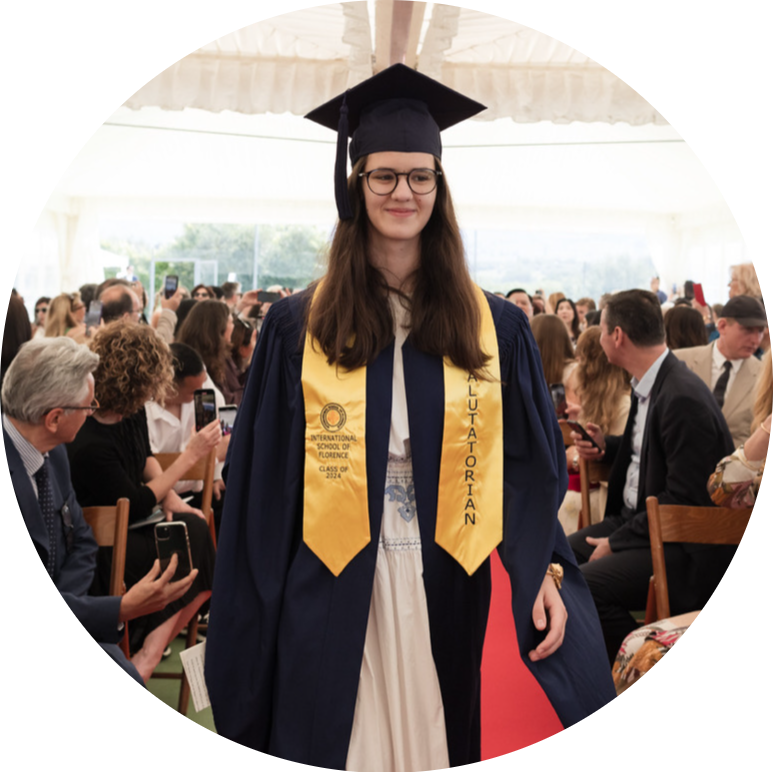
Hello hello! I am an incoming fourth-year student at the University of St Andrews pursuing a degree in biology. Originally from Kyiv, Ukraine, I moved to Italy in 2013 and have been living there ever since.
Over the course of my academic journey I have had the chance to explore numerous areas in biology, ranging from evolution to bacteriophage discovery to cell systems, out of which epigenetics and gene regulation during development have piqued my interest.
My primary research interest is developmental biology, which arose from my fascination with how multicellular organisms originate from a single cell. Therefore, my research focus for the first summer of the Laidlaw Scholars programme was the investigation of abdominal metamorphosis in Dipteran insects. To do so, I used fixation and Hoechst staining in addition to microscopy to study cell movement during several developmental stages in 2 species of flies.
As for my leadership in action (LiA) project, I decided to assist biodiversity monitoring and conservation efforts in the heart of the Amazon rainforest jungle in Peru.
If I am not in lectures or studying in the library, I can be found working on a short story, watching films (and logging them on Letterboxd), reading old science fiction, or on a hike capturing the nature around me through photography. Having grown up in a multicultural setting, I enjoy learning more about the different cultures that exist on our planet, whether it is through cuisine, music, travelling, or linguistics. The latter partially explains my grasp of nearly five languages, though I have to warn you that my fluency differs dramatically. Otherwise, I also love spending time with animals, playing board games, or just talking.
More than anything, I am always happy to meet like-minded individuals who are curious about the world. Thus, please feel free to reach out or connect with me on LinkedIn!
Recommended Content
Why Peace Now? Turning a Complex Argument into One Visual Story