The Friendly Islands: What Tonga Taught Me About Being a Global Citizen
Vincent Lin | Trinity College Dublin | Mathematics and Economics | Cohort LL25
On my first walk through Nuku'alofa, strangers kept crossing the road to ask my name and what had brought me to their country. By the end of the week, families I had known for an hour were feeding me before they thought to ask and I was offered to be taken on a tour of the island by half a dozen people. Tonga is called the Friendly Islands, and for once the name is no invention of a tourist board. I have been fortunate to travel a fair amount — across Europe, North America, East Asia and Australia — and I have never met a people as kind as the Tongans.
Nor was that warmth confined to one community. The Chinese immigrants who have settled there for work were every bit as quick to draw a stranger in. What struck me most was that the kindness was active — a curiosity that runs outward, toward the world, folding a foreigner in almost before he has set down his bags.
And yet, by most measures, Tonga has very little. It is a small developing nation that leans on imports, on aid, and on the wages its emigrants send home; Nuku'alofa, its most built-up town, is less developed than a quiet village in rural Ireland. Most Tongans know exactly how their lives compare with wealthier neighbours like Fiji and Samoa — many have lived abroad themselves, or have close family who do. One would expect a little envy, surely; some resentment at the lottery of geography? I found neither. I found people living deeply contented lives, generous with the little they had and entirely certain of who they were and the identity that they inherited from bygone eras. It is a humbling thing to witness, and it has quietly rearranged what I thought I knew about what a good life requires.
This scholarship began for me two summers ago in a library, alone with a research problem; it is ending on a rugby field on the far side of the world, and the distance between those two places is the truest measure of what it has made of me. At the outset I wrote down the leader — the character, really — I hoped to become: one who serves rather than presides, who keeps his competitive streak on a leash held by humility, and who counts success in other people's growth rather than his own. They were fine words on a page. Tonga is where they met the friction of the real world — and where I learned that most of becoming that leader is learning to listen.
Because the plain truth is that my project — launching the first girls' rugby programme in a Tongan state school — moved only as fast as my willingness to stop imposing and start paying attention. The pace of the islands is not the pace of my diary. Respect is owed differently to an elder than to a fourteen-year-old hiding at the back of a drill. And the surest way to sink a good idea was to present it as mine rather than ours. The teachers who now run the sessions, the vice-principal who brought the parents with her, the girls who coach one another in the minutes I made a point of not filling — little of that was my doing so much as my noticing. To be a global citizen, I have come to think, is less about carrying your answers into a place than about honouring the wisdom already alive within it.
What comes next then? I will keep helping the Tonga Rugby Union with the player database I built them because this summer has left me wary of building anything that cannot stand without me. The principle I am taking home is a simple one: build it so you can leave it. That, I have come to believe, is what it means to lead ethically. Leaving the people you serve needing you less, not more. My ambitions have not shrunk; In fact, I would say they have learned manners. I still want to do the largest and most lasting good I can. But now I simply understand that the most lasting good is the kind that keeps moving after you have gone.
I will carry the islands with me for a long while yet. The friendships I made there — with teachers, with players, with people who had no reason at all to take in a stranger — are what I will miss most. There is profound beauty in Tonga, in its landscapes but far more in its people and culture, and they taught me that nothing, not even material poverty, can touch a people who know their own worth. If I can one day lead with even a fraction of that grace — generous, patient, unhurried, and unbothered by what I lack — then the Friendly Islands will have given me the most valuable lesson of my entire scholarship.
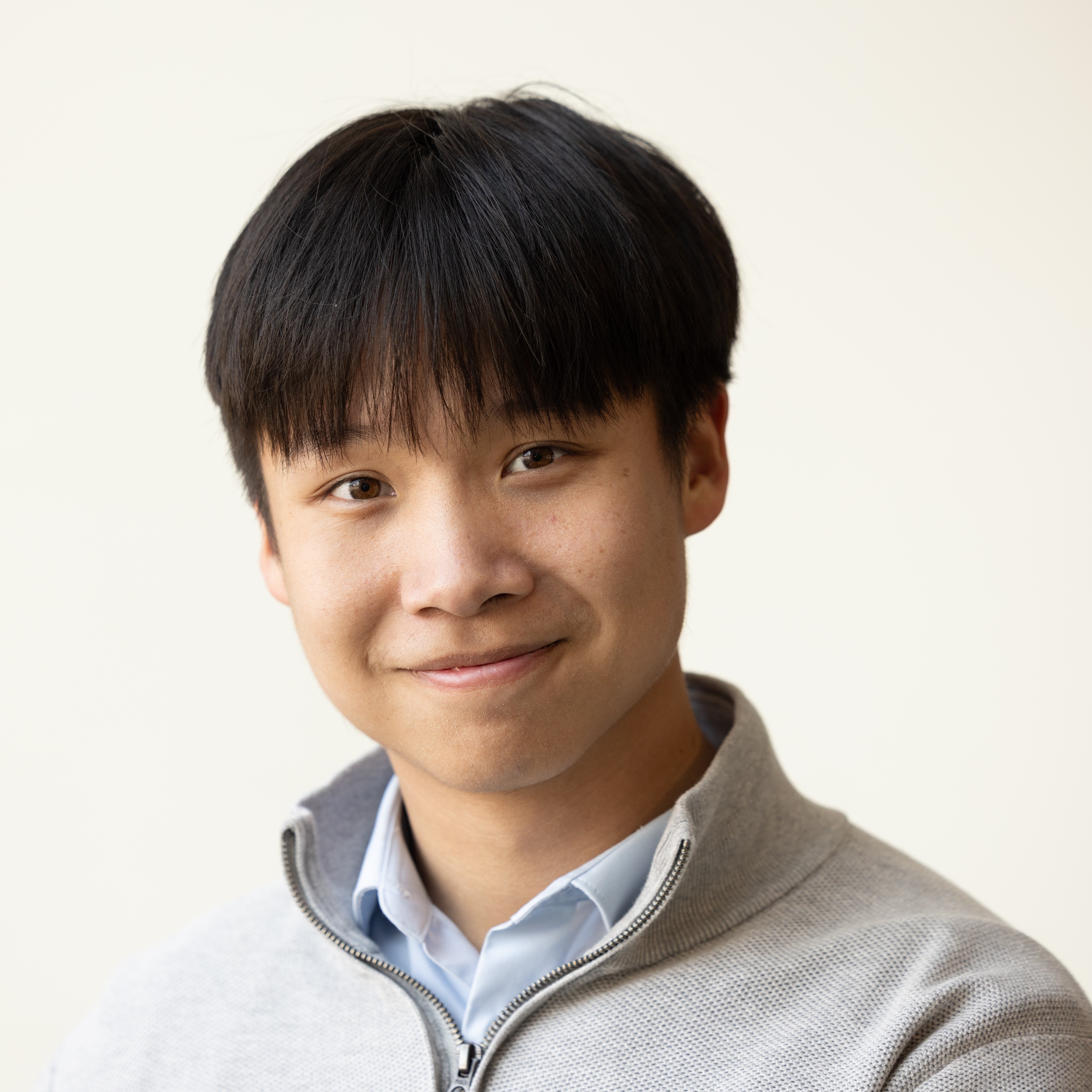
Hi! My name is Vincent and I'm a Maths/Economics student in Trinity College, Dublin.
My research interests lie in education (particularly the STEM side of things) and how to promote activities such as debating and public speaking to younger generations. As a former debater in secondary school and a massive maths nerd even now, I find that anything that combines these aspects endlessly fascinating and easy to be passionate about.
Moreover, I am a big believer in keeping up with current affairs and the state of technology in the world. I think markets and geopolitics are inextricably linked and at the centre of most meaningful things around the world such as the development of technologies like artificial intelligence.
In my spare time, I like playing rugby, going to the gym and playing card games like poker with my friends. During extended breaks, I love travelling to new places to experience different cultures and, above all, try new foods!