Scaling Coral Reef Restoration in Climate-Stressed Island Systems: Using Survival Data to Inform Community-Based Management Decisions

Supervised By: Dr. Ethan Deyle, Department of Biology, Tufts University
My research explores how coral reef restoration can be effectively scaled in climate-stressed small-island systems in the Western Indian Ocean, with a focus on restoration efforts in Mafia Island Marine Park, working alongside Ropes of Hope, a coral reef restoration and marine conservation initiative on Mafia Island, Tanzania. Some of the most innovative and adaptable coral restoration programs are rooted in locally driven conservation systems, where ecological restoration is closely tied to livelihoods, education, and long-term environmental stewardship.
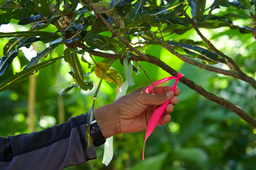
My project investigates whether reducing nursery recovery time after coral fragmentation can improve restoration efficiency without compromising early coral survival and attachment success. Coral reefs are increasingly threatened by climate change, coral bleaching, and environmental degradation, making restoration an important strategy for protecting biodiversity, fisheries, and coastal livelihoods. However, many restoration programs are difficult to expand because post-outplant stages are highly vulnerable and resource-intensive. During my fieldwork, I will compare multiple Acropora species across different nursery recovery treatments to examine how recovery time, fragment size, and attachment methods influence survival, attachment stability, and partial mortality following outplanting.
Alongside ecological monitoring, the research also examines the operational realities of restoration, including labor demands, nursery maintenance, and long-term practicality. By identifying which restoration approaches have strong survival outcomes while reducing time and resource requirements, the project will provide recommendations to optimize sustainable reef restoration management. More broadly, the research reflects my interest in applied environmental science that connects ecological research with conservation practice and collaborative environmental leadership in climate-vulnerable coastal systems.
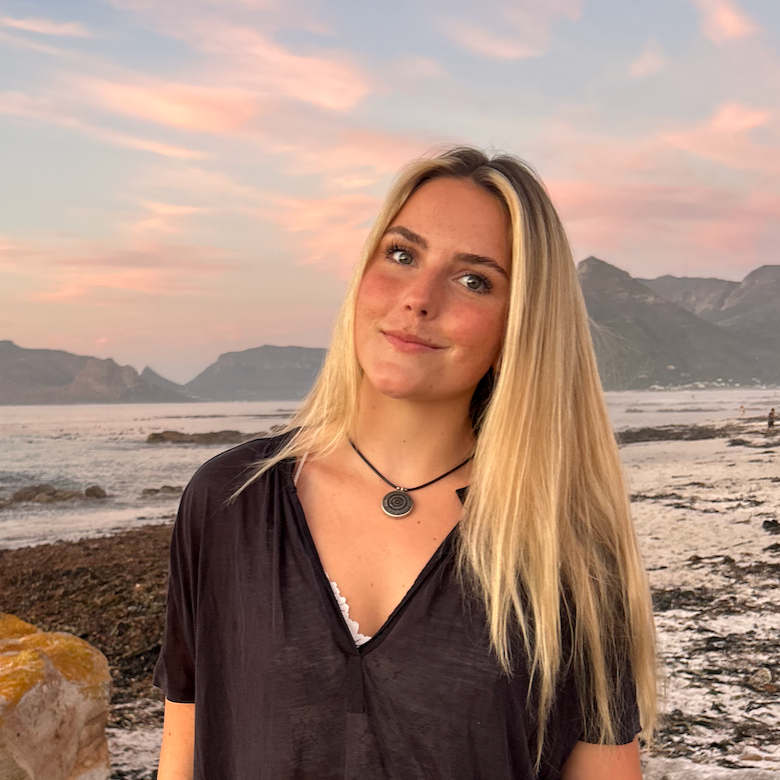
Hi everyone! I am a rising sophomore at Tufts University in Boston, studying biology and environmental science. I am originally from Cape Town, South Africa, and attended high school in Louisiana. For my research summer, I am working in Tanzania as a part of a coral restoration project, conducting my own experiment to identify which coral species will be most resilient during this year's upcoming El Niño event with rising sea temperatures. I will also be exploring how to make the coral gardening process more cost-effective and accessible to coastal East African fishing communities.