Saints Summer: Golf Links to Research Ruts



Saints Summer
St Andrews is an odd place to be in the Summer. Students flee far and wide as soon as exam season is over, and the few academic-aspiring (and a little nerdy) students — myself included — stay behind. Well, the nerds and the golfers. I am at the intersection of these stragglers, being a Laidlaw Scholar and also a keen golfer.
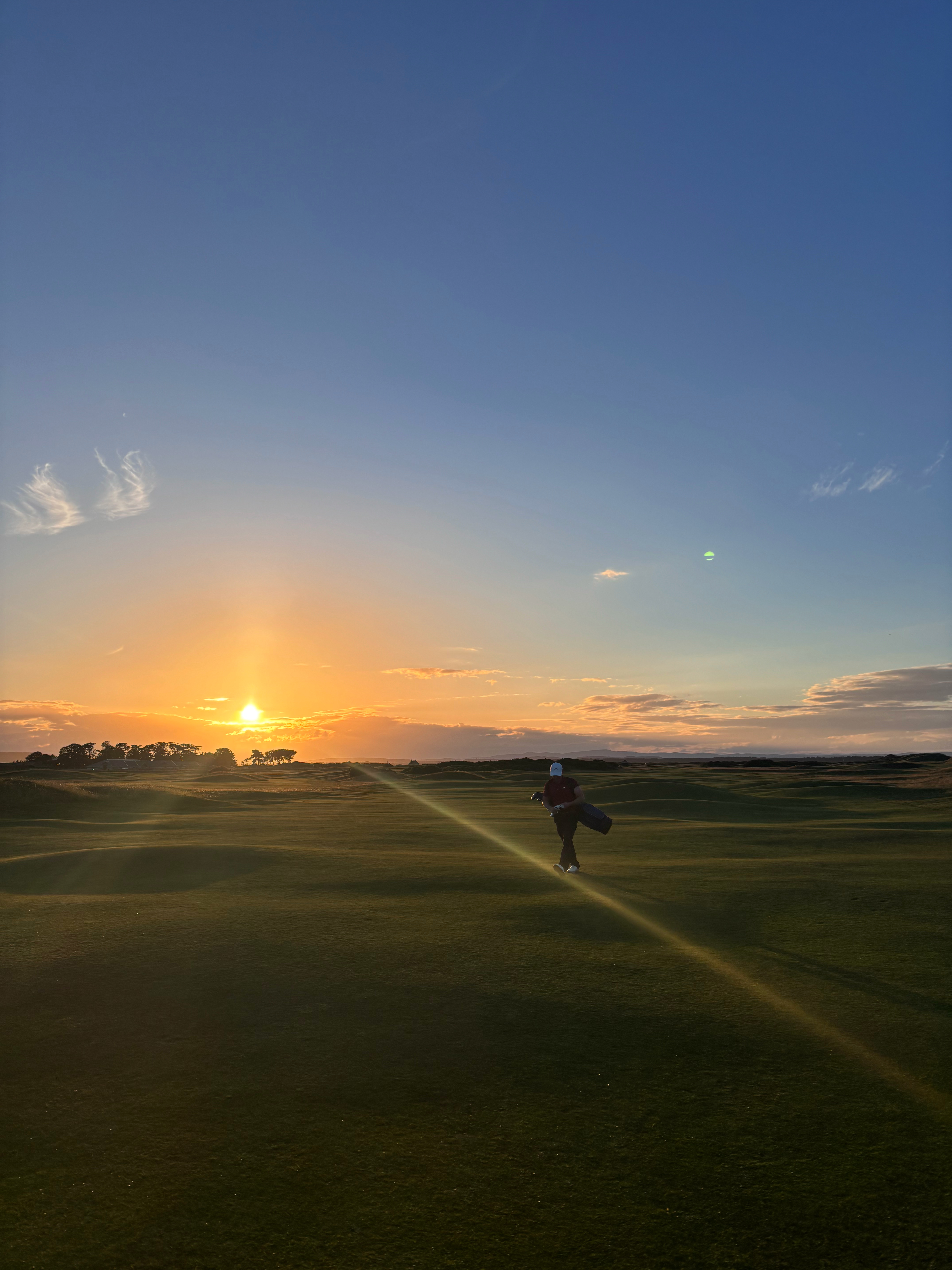
This is a unique place to be, and such a blessing. I can cherish the academic support of my amazing Laidlaw cohort, yet can pop the research bubble each day, enjoying golden hour on the links. Spending these evenings on the dunes has been beneficial beyond measure. While I walk, I have found myself digesting the day’s research, reflecting on the progress I’ve made and where to go next. Moreover, when reflecting I’ve found unexpected parallels between playing a round of golf and researching… who would’ve thought. Let me explain what I mean.
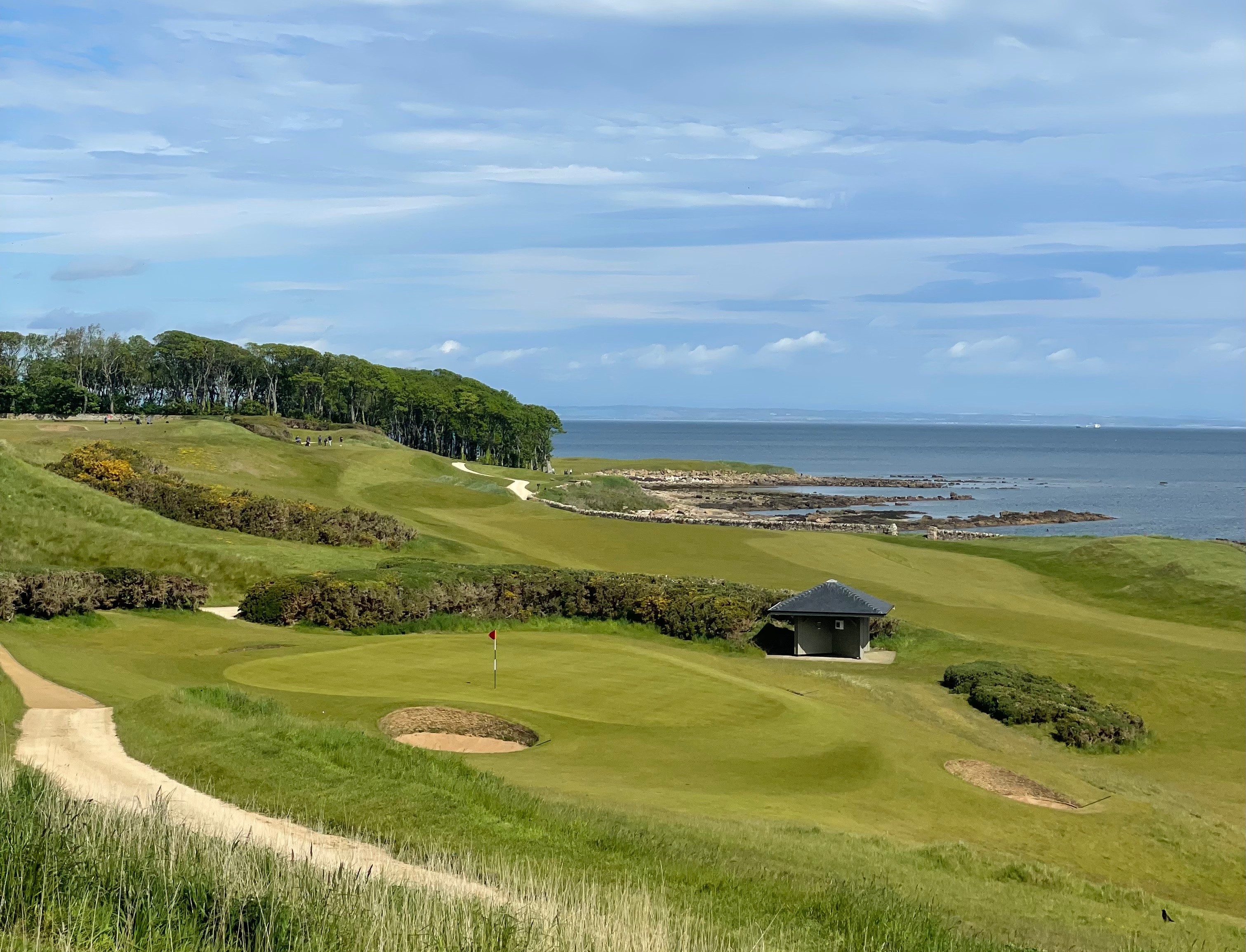
You don’t have to be an avid golfer to know what the aim of the game is: to get the ball in the hole. That’s how explicit the goal is. And the goal itself isn’t just clear, but the path is too. A clean-cut fairway lies between the tee box and the pin, a guiding path to get from beginning to end.
I thought this research period would be very much like that. Something with an obvious end goal, a defined path to get there, from a given starting point. In some respects, that holds true. My aim was always to research the long-term, gendered economic effects of dual caregiving. I know that the end looks like a research report, and the beginning looked like a meeting with my academic supervisor. However, what I didn’t realise, is that the fairway — that path in between — pretty much didn’t exist.
The course has also taught me to manage the unpredictable… the weather. When on the course, particularly in this part of the world we call Scotland, you can tee off in gorgeous sunshine, and two holes in, be greeted with incredible hail storms (as was the case last week… the course looked as if it were scattered in two inches of snow). In a nutshell, conditions can change in an instant.
My research has very much been the same. I teed off in bright sunshine, the fairway to the report illuminated. In my mind, I had a clear picture of the data set that I would use, the coding programmes that would help me tear apart the data, the supervisor who would answer my questions, as well as the best coffee shops to fuel me through the days. Then somebody turned on the rain.
Quickly, I realised that the data sets were far more complex than I’d realised. The specific factors I intended to investigate were too broad or too narrow or not enough data was there for them. I didn’t know where to hit the ball to, so to speak. The fairway had gone, and everywhere I looked was rough. Not to say that this is all bad — I was finding lots of exciting potential directions to go with my research. But the problem is that there were too many directions. Do I investigate the impact of social class? Or of marital status? Or of education level?
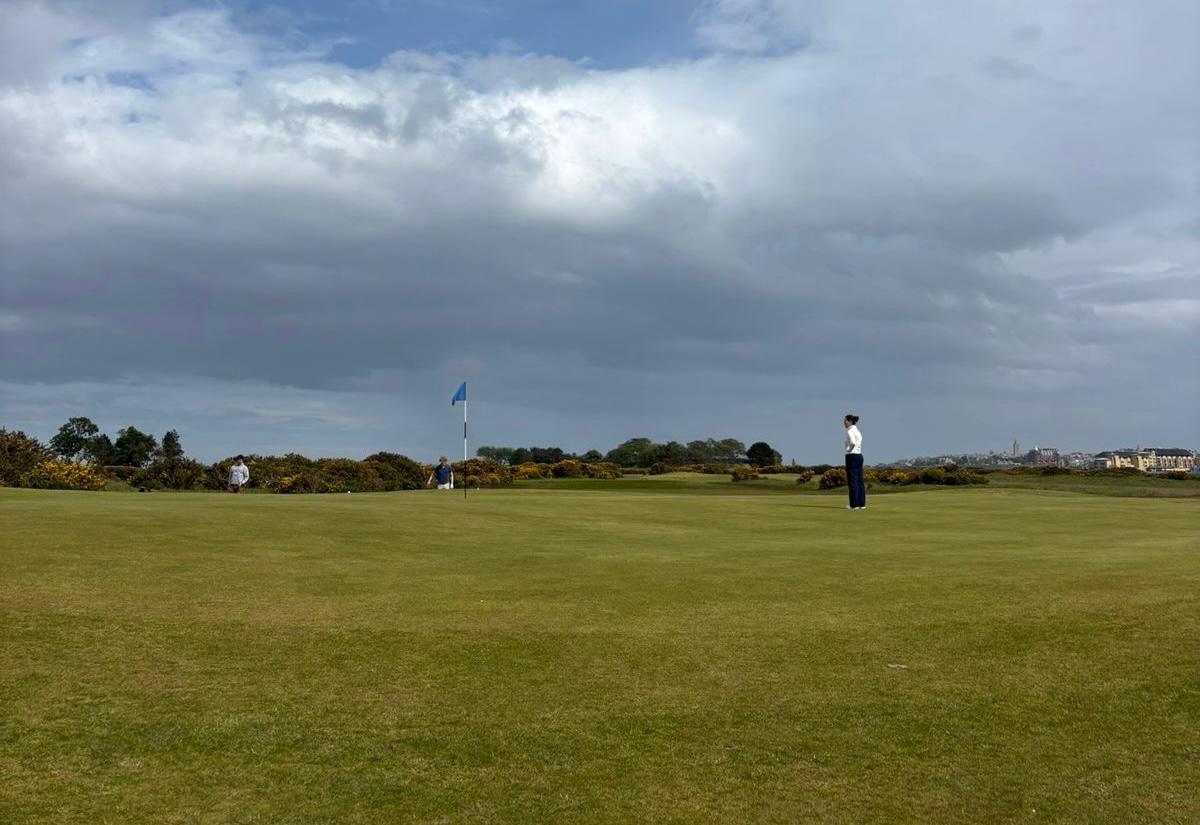
To be honest, I felt completely overwhelmed. But then, one evening, I thought about the process I take when I land my ball (more often than not) in the rough. The answer: I critically assess the situation. I make note of any obstacles ahead. Consider the direction and strength of the wind. Look at the yardage. Then, factoring these things, I select the club to use and the line to take. And — if I’m still not sure — ask a playing partner for their opinion. But most importantly, I simply trust the decision I come to, commit, and swing.
Was I doing the same when I found myself lost in the research rough? Well, yes, in part. When making choices, such as what factor to pursue, I was considering potential obstacles which could prove difficult. I’d been looking at the conditions — did I have enough time to research this factor well? But then I’d been staying at that point, overwhelmed and inconclusive about what I should do. And I definitely hadn’t been reaching out to those around me to help me make a decision. But worst of all, I just hadn’t been making a call, backing myself, and fully committing.
So, this week, I changed that. I carefully weighed my options of how best to reach my goal, talked to some friends, made a decision and committed. So now, I am looking at how social class specifically has gendered impacts within dual caregiving and thus retirement wealth. And I feel so much happier.
I am confidently going into the last three weeks of research with an unobstructed view from the tee box to the pin, and the goal feels within reach. I have a much clearer path to take, and feel better knowing that when I inevitably get lost again, I have a strategy to find the fairway again. So, my takeaway of all this? Playing more golf is key to escaping the research rut.
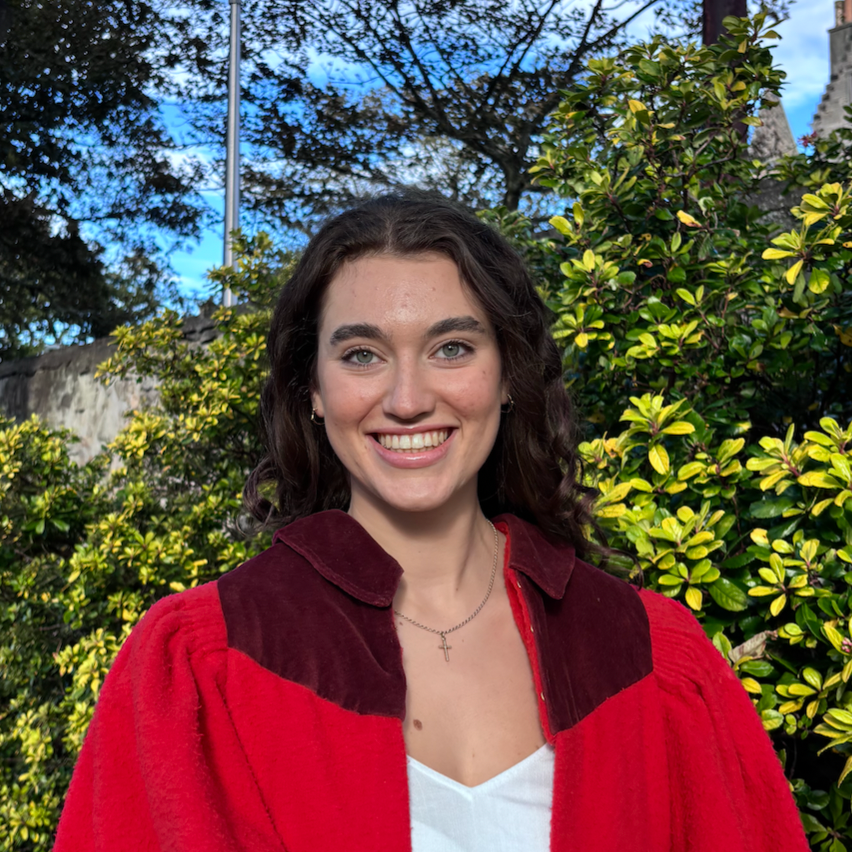
I am a second year Geography and International Relations student at the University of St Andrews and Laidlaw Scholar. My research focuses on the long-term, gendered economic effects of dual caregiving, specifically how social class origin shapes retirement wealth outcomes for the sandwich generation. Outside of research, you'll find me on the golf course or taking a walk along the beautiful beaches in this small town!

Please sign in
If you are a registered user on Laidlaw Scholars Network, please sign in