Research Summer - Week 1
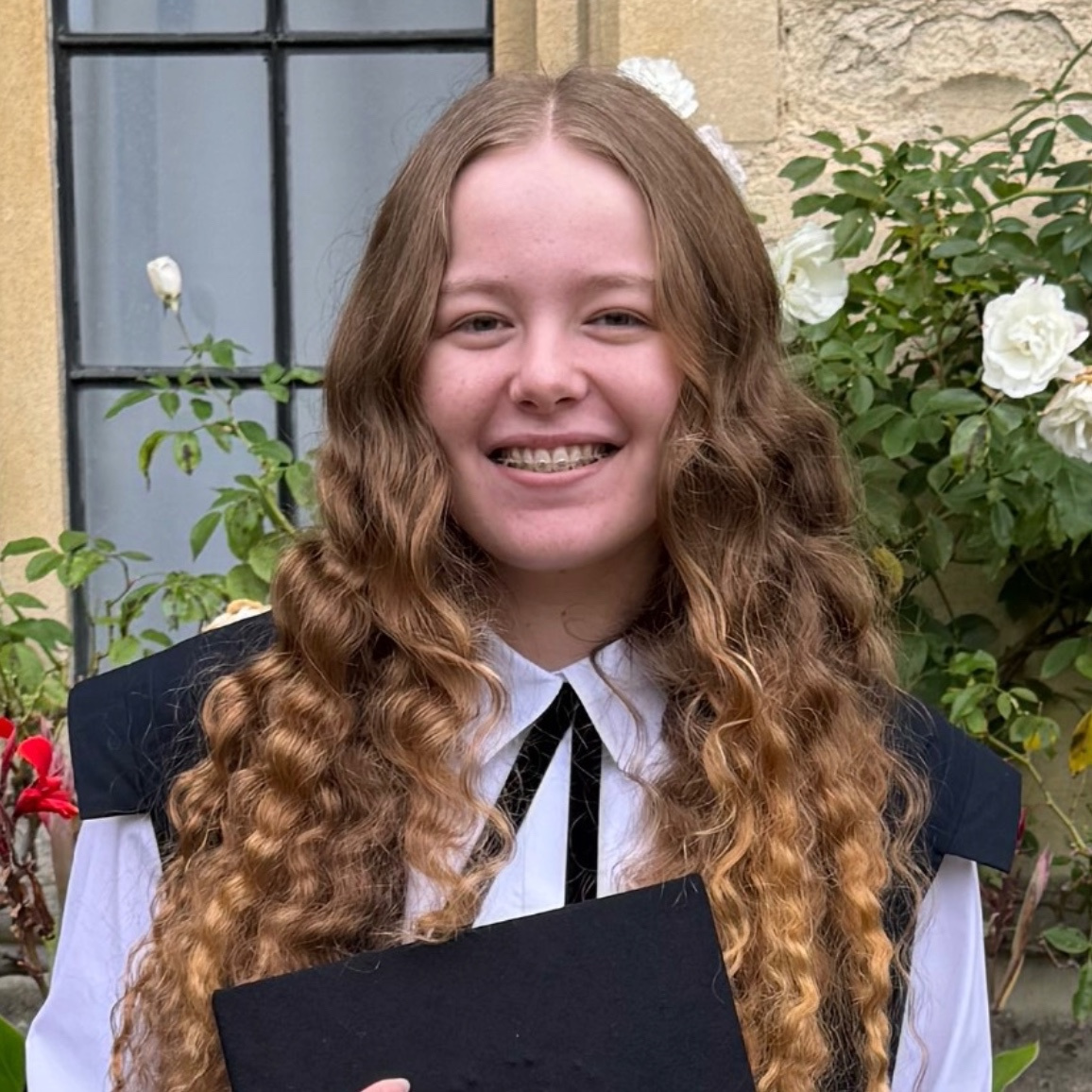
This week, I was introduced to my group, our Graduate Impact Advisor (GIA) and our assigned research brief. During a team meeting, we divided our brief into four distinct elements, and each compiled related existing research ahead of our next meeting; we identified a lack of research specific to our brief and clarified our unique publishable angle.
To support our research, we attended skills workshops on both Excel and NVivo. Having no prior experience with either of these softwares, these workshops were a great opportunity to develop my technical skills and learn to represent both quantitative and qualitative data.
Although there was initially some uncertainty regarding certain aspects of our project, we were able to clarify our direction thanks not only to the support of our GIA, but also the dedication and proactiveness of our team members.
Next week, we have arranged to meet with a stakeholder to discuss their expectations for the project, and the kinds of data with which they would be willing to provide us.
Please sign in
If you are a registered user on Laidlaw Scholars Network, please sign in
Amy, this is a good reflection on what has been a busy and productive opening week. It is particularly encouraging to see how quickly the team has moved from initial uncertainty towards a clearer understanding of both the research landscape and the project's potential contribution.
I was pleased to read about the systematic approach your group has taken in breaking the brief into manageable areas and reviewing the existing literature. One of the most interesting aspects of this project is precisely the gap you identify: while there is substantial research on educational inequality, parental engagement, and school–family relationships, there is far less that examines how under-resourced families themselves experience trust, belonging, inclusion, and partnership within educational systems. Keeping those lived experiences at the centre of your inquiry will be critical as the project develops.
Your engagement with the Excel and NVivo workshops is also commendable. Research is not only about generating ideas but also about developing the practical skills needed to collect, organise, analyse, and interpret evidence effectively. Building confidence with both quantitative and qualitative methods now will prove valuable as you move into the data-gathering and analysis stages.
I was also pleased to see you acknowledge the role of collaboration in overcoming early uncertainties. Research projects rarely begin with complete clarity, especially when working with complex social issues. The willingness of your team to engage constructively with one another, seek support when needed, and refine your thinking collaboratively is a significant strength.
As you prepare for your meeting with the stakeholder next week, I would encourage you to think carefully about how any available data or stakeholder priorities connect back to the key questions outlined in the brief. In particular, consider how the evidence might help illuminate experiences of trust, engagement, communication, belonging, and participation among under-resourced students and families, as well as the institutional practices that shape those experiences.
You have made an excellent start. The next stage will be moving from identifying research gaps to developing a focused and robust approach for exploring them. I look forward to seeing how your conversations with stakeholders help sharpen the project's direction and ensure that your eventual recommendations are both evidence-based and meaningful for the communities the Trust serves.