Project Outline: Investigating the Prison Autobiography
The Prison Autobiography: Literature as Resistance behind Bars
Supervised By: Prof. Shana L. Redmond, Department of English and Comparative Literature and the Center for the Study of Ethnicity & Race, Columbia University
Project Background
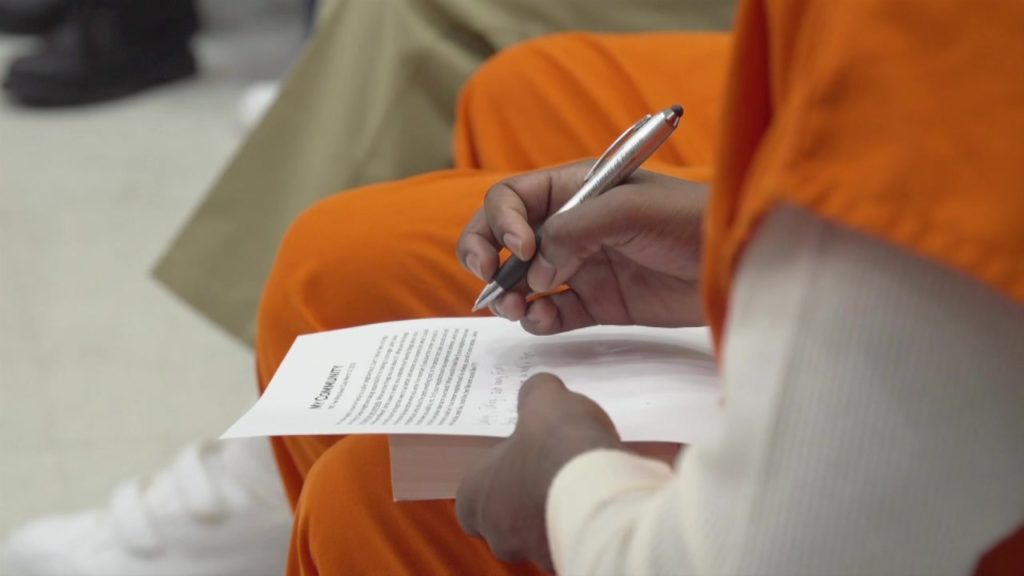
So much of the narrative of incarceration is by everyone, but the incarcerated, and so much of literature is dominated by the most privileged sectors of society. I am excited to bridge these blind spots to illuminate the incarcerated struggle and the political power of literature. In particular, prison writing stands out from traditional literature in its collective nature: rather than being considered discrete works, many scholars have identified a unified political message against the carceral state. The conditions of incarceration furnished the grounds for literary production, and the act of writing served as a politicizing force. This is significant given that the dialogue around incarceration often contains an individualistic accusation of blame against, rather than a recognition of the structural and systemic forces that disproportionately target certain groups. This problematic version of reality is challenged by prison literature that frames incarceration as a collective, oppressive condition.
Research Question
My specific research question is: How have the institutional, material, and social constraints of incarceration produced the accessible, anti-elite genre of the prison autobiography?
Objectives and Methodology
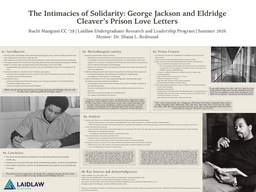
I envision pursuing this research through close textual analysis of seminal texts like The Autobiography of Malcolm X, Eldridge Cleaver's prison essays, and George Jackson's prison letters. I imagine conducting a comparative analysis between these prison writings and traditional autobiographies. I plan to examine these differences in the context of the repression incarcerated people have had to combat to ultimately form their own, distinct genre of writing, and the social movements simultaneously occurring on the outside in the 1960s. I will produce a research paper, abstract, poster, and presentation by the end of the first summer.
I am interested in the 1960s-70s prisoners' rights movement. In the past, I spent significant time researching the Attica Prison Uprising, the deadliest prison rebellion in the United States. Prison writing was a defining mobilizing force for the incarcerated people at Attica, and I am eager to delve into prison autobiographies in particular this summer as a progressive art form that has challenged literary expectations and engendered a collective voice of incarceration.
Outside of research, I am heavily involved in advocacy and volunteering related to criminal justice.