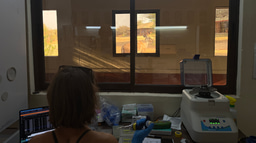
People and Landscapes: First Impressions from Mpala Research Centre, Kenya
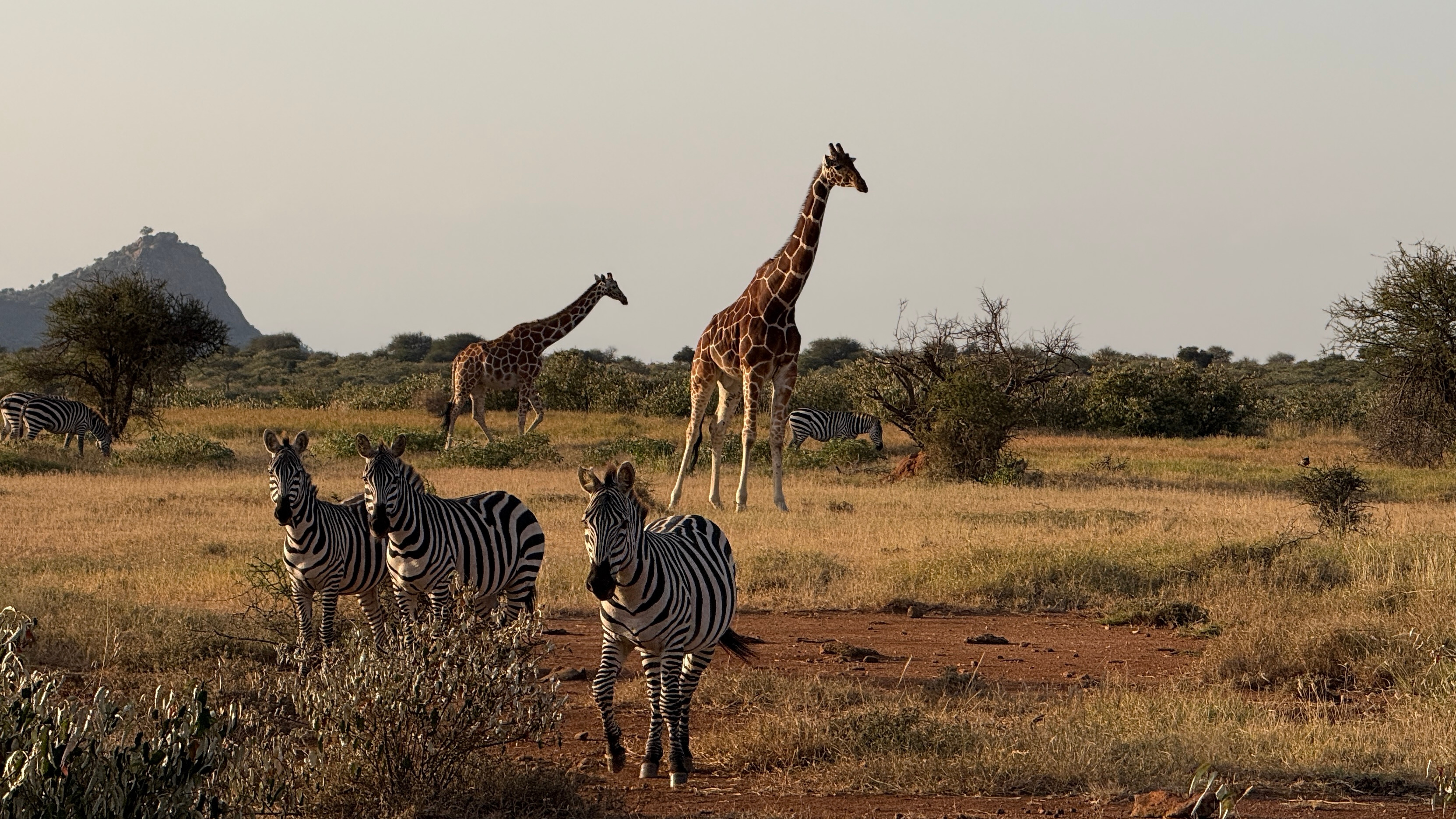
The first two weeks of my Leadership in Action placement at Mpala Research Centre in Laikipia County, Kenya, have provided incredible insight into the practical and interdisciplinary nature of conservation research at the crossroads of human and wildlife coexistence.
I have joined a team of four researchers and field staff from across Kenya, contributing to work within the Uhifadhi wa Chui (Leopard Conservation Programme) and Giraffe Guardian Projects, gaining first-hand experience of the interdisciplinary approaches required for wildlife conservation and human-wildlife coexistence.
Uhifadhi wa Chui takes a multidisciplinary approach to understanding and conserving leopard populations across Laikipia, combining ecological monitoring with community-based conservation through remote camera trap networks to assess leopard abundance, movement, and population status while also investigating patterns of human-wildlife conflict. In the past two weeks, I have been involved in field work from collecting SD cards from camera traps deployed around Mpala, setting camera systems, and data cleaning and organisation. Behind every wildlife statistic is a huge amount of work that often goes unseen - careful monitoring, image sorting, and building datasets that help create a clearer picture of species populations and behaviour.
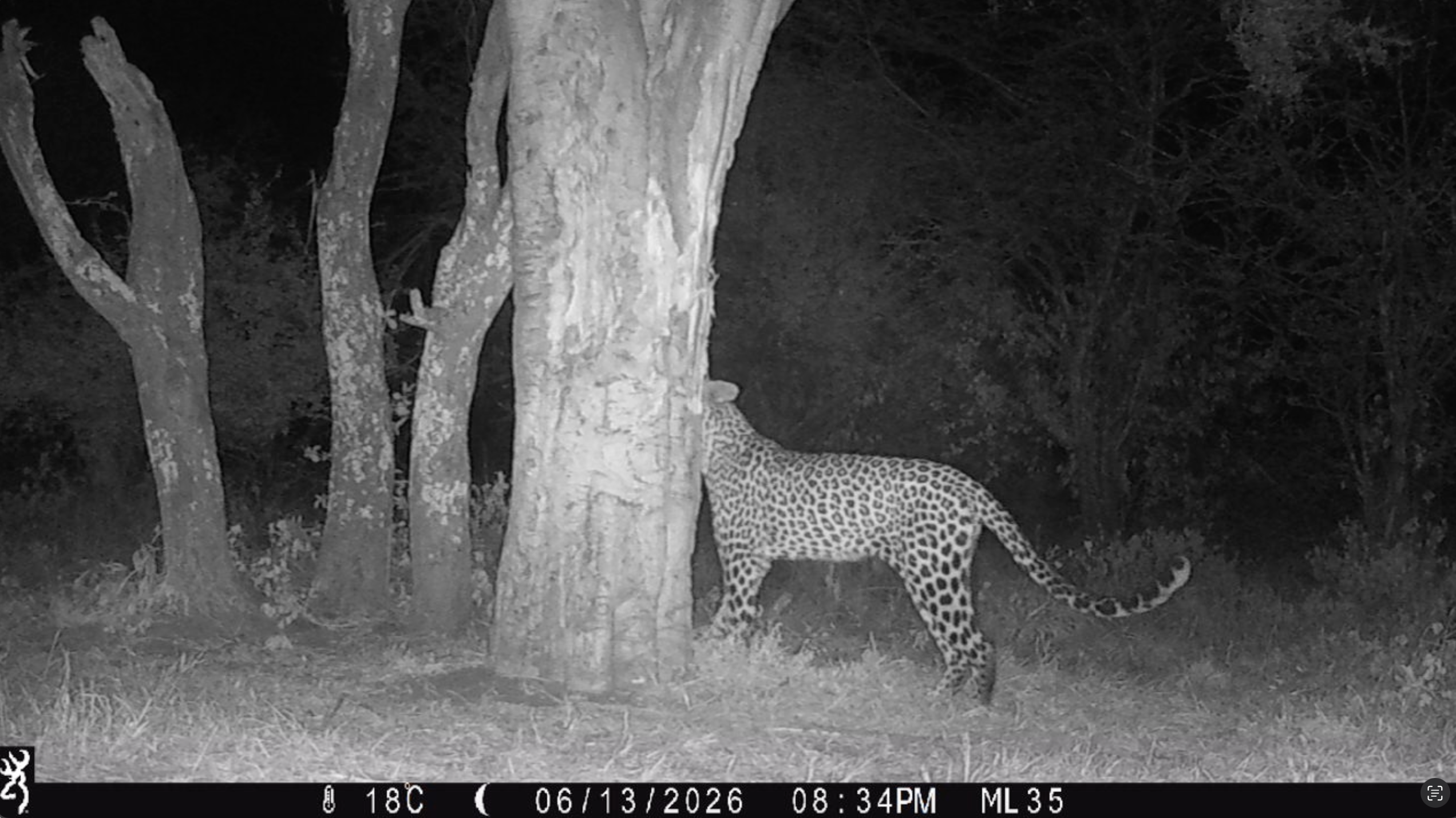
This project has highlighted the importance of understanding the complex interactions between wildlife, communities, livelihoods, and broader landscape processes. Alongside research into predator behaviour and landscape use, the programme works closely with local communities to understand perceptions of wildlife and develop practical coexistence strategies that support both conservation objectives and community wellbeing, recognising that long-term conservation outcomes depend on balancing ecological priorities with the needs of the communities living alongside wildlife.
I have also been involved with the Giraffe Guardian Project, focusing on monitoring giraffe populations across the conservancy. Fieldwork includes conducting population surveys (somewhat difficult as giraffes are surprisingly difficult to spot in the savannah), recording herd size and demographic information such as age and sex, and taking flank photos for identification. The unique coat patterns of giraffes (as with leopards) allow researchers to track and monitor individuals over time, providing valuable information on population dynamics, movement, and long-term conservation trends.
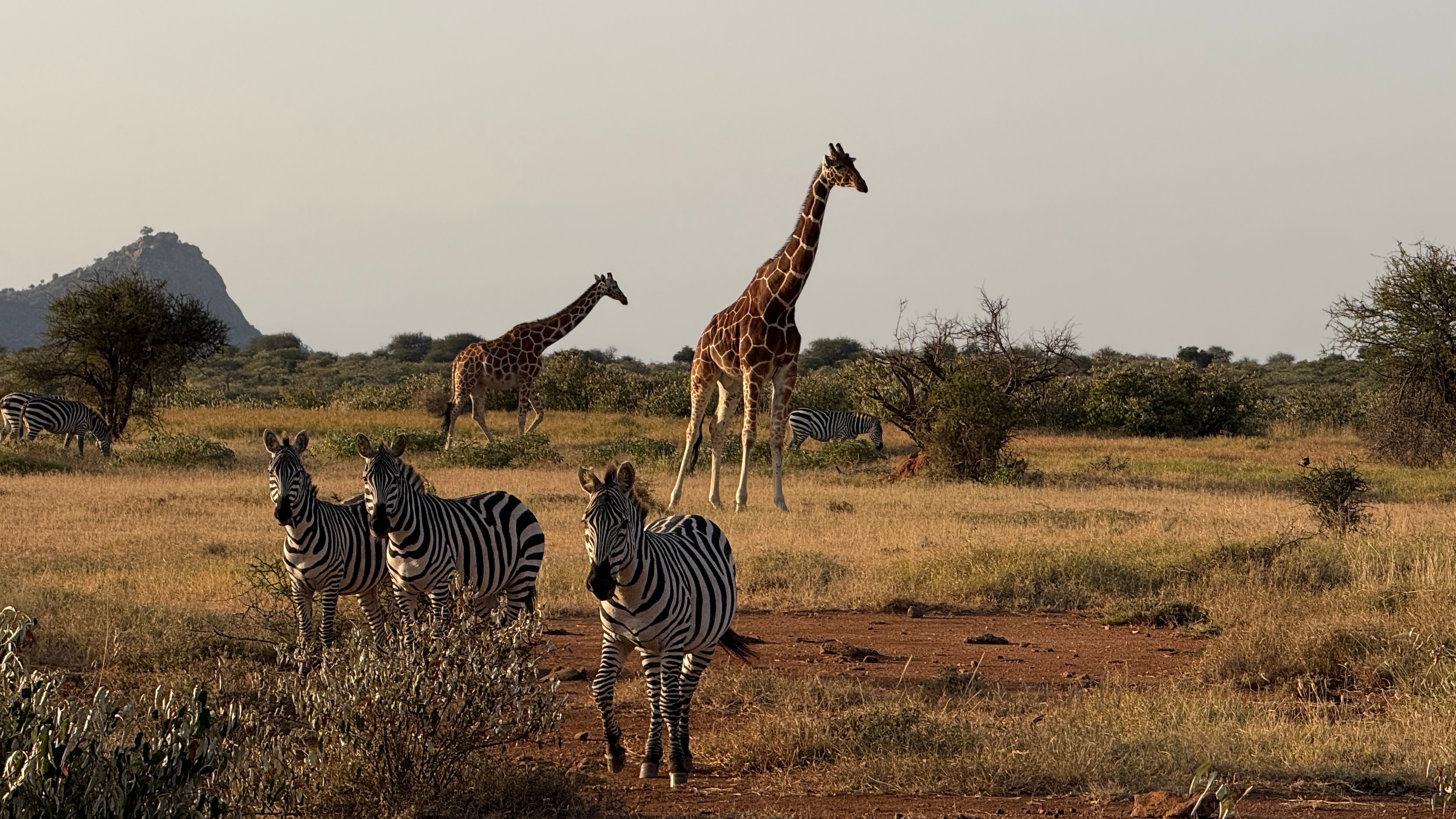
In a landscape influenced by environmental pressures, conservation becomes both an ecological and human challenge. Through supporting field activities and learning about approaches to human-wildlife coexistence, the contribution of research not only to understanding species populations and behaviour, but also in informing strategies that support communities has been shown as invaluable.
Alongside the fieldwork itself, I have been learning through everyday experiences. It has been wonderful meeting the students from Princeton University currently on placement here and learning about the breadth of work taking place across the centre. Getting to know the field team, learning Swahili, and adjusting to a landscape where even routine journeys can involve encounters with lions, as well as having the opportunity to explore the wider landscape - including hiking around the foothills of Mount Kenya - has provided me with such a wonderful and valuable experience beyond my research itself.
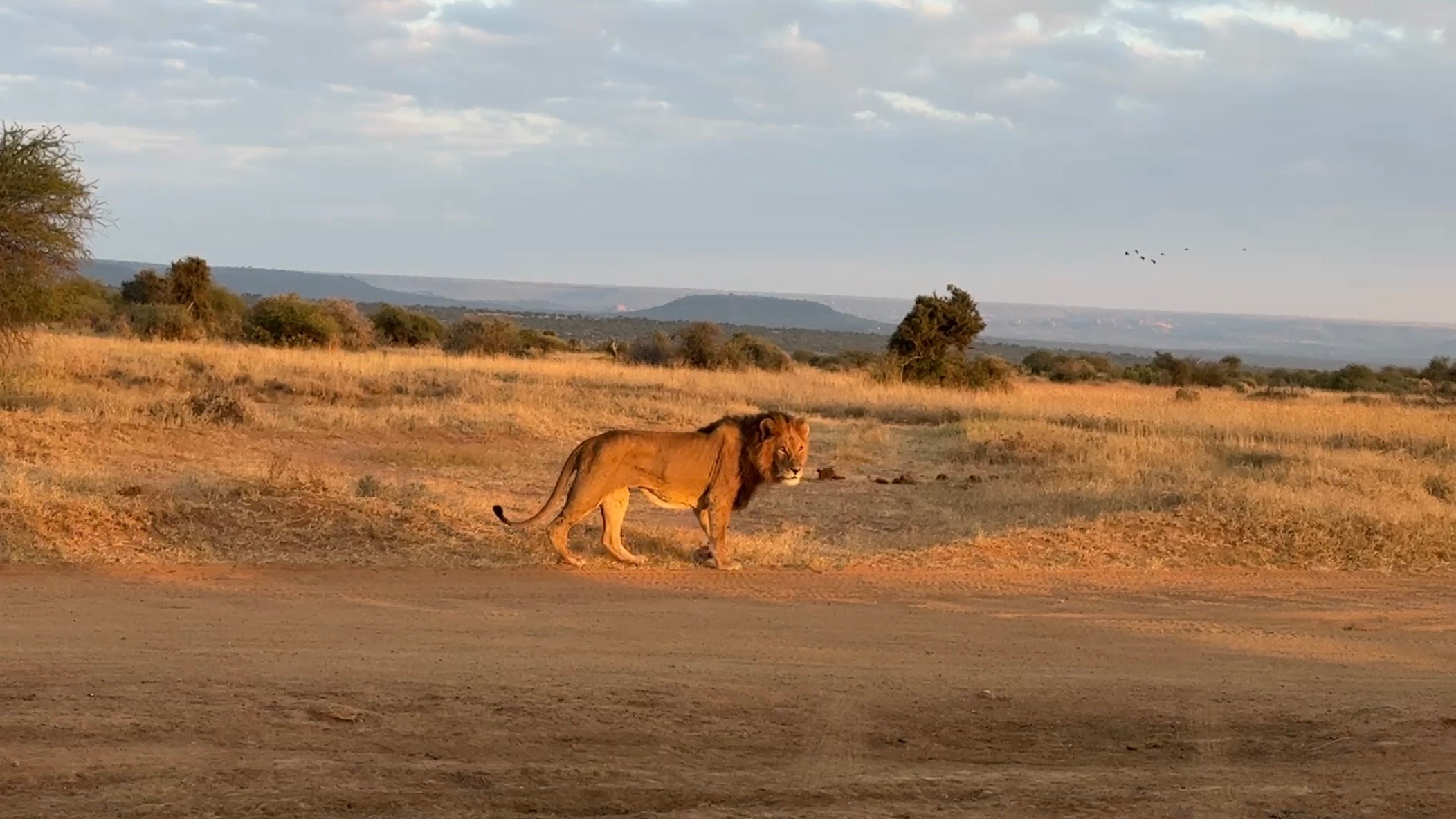
Experiencing the scale and diversity of the surrounding environment has reinforced how closely ecological systems, human activity, and conservation efforts are interconnected across the region. These first weeks have highlighted that landscapes are not simply physical spaces; they are dynamic systems shaped by ecological processes and by the people who live and work within them.
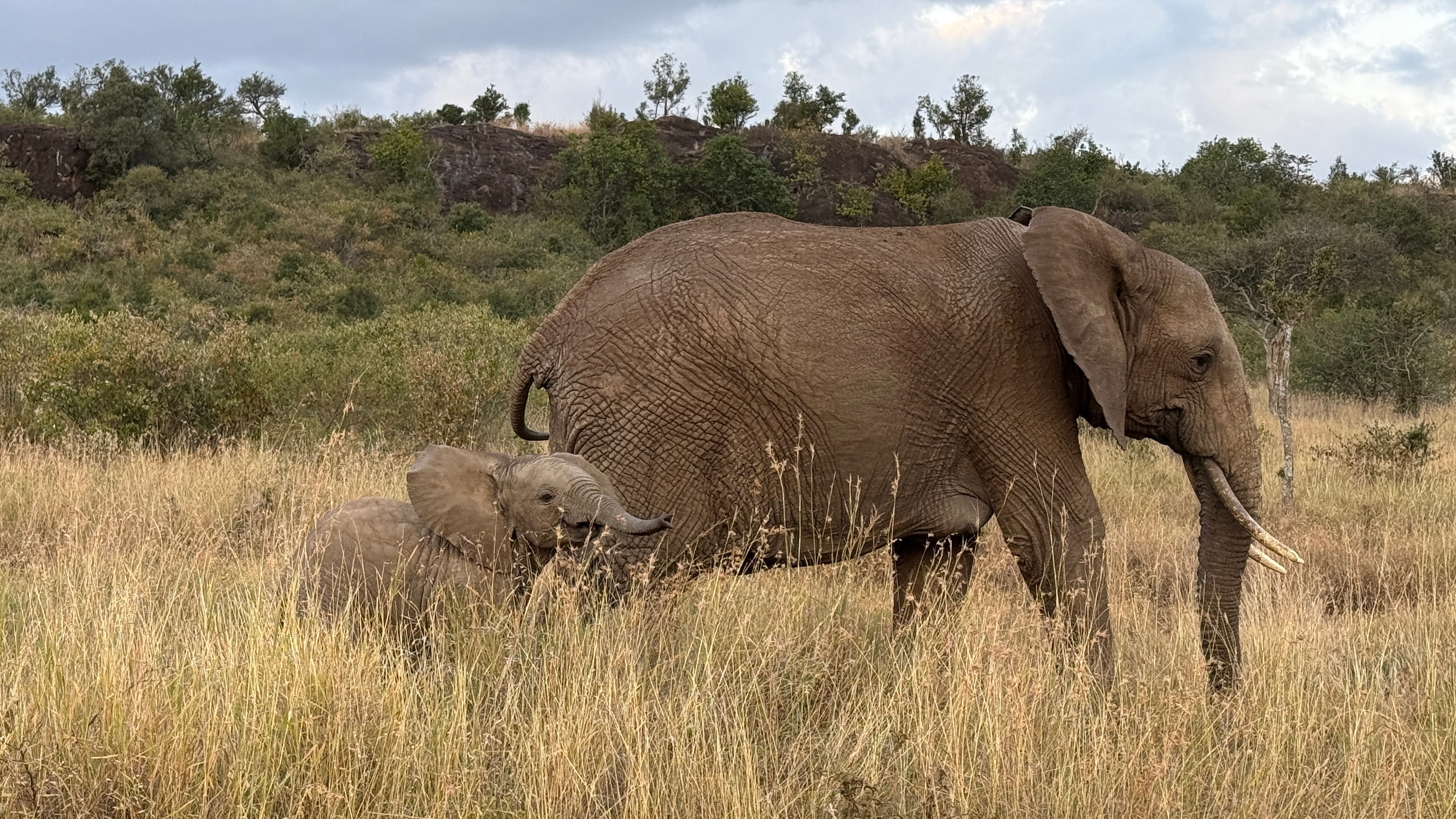
side note - baby elephants are my favourite