Week 5 marked the beginning of the final third of my LiA experience, which I am feeling incredibly sentimental about. As my placement enters its final stretch, I have found myself spending more time thinking not only about what Proximity Care has accomplished, but also about what happens after the project's current funding cycle concludes.
What went well this week was the opportunity to see the P4 Tele-Emergency line in action. Through discussions with emergency healthcare professionals after visiting the primary hospital in the Versilia region, I gained a better understanding of how technology can support healthcare delivery in geographically challenging areas. The core innovation of P4 is a wearable tele-emergency system that allows first responders and nurses to connect in real time with physicians through live video and audio, effectively bringing specialist support into situations where distance and terrain can create barriers to care. The technology is particularly relevant for time-sensitive emergencies, where rapid decision-making can significantly influence patient outcomes.
One of the most interesting aspects of the week was seeing how the tele-emergency system evolved through practical experience in the field. While the technology itself is impressive, I quickly learned that successful innovation depends just as much on usability as it does on technical capability.
For example, the initial wearable system was a helmet equipped with a camera and live video feed, but the device proved cumbersome and limiting for ambulance staff. Despite initial hesitation to redesign the equipment, extensive collaboration and communication ultimately led to the development of a more portable, lightweight system that more closely resembles a GoPro. Barring unavoidable connectivity issues, preliminary feedback has been much more positive, and the technology will hopefully continue to improve as providers become increasingly comfortable using it in practice.
Alongside these field experiences, much of my time was spent preparing my final presentation. My focus has shifted toward the long-term future of Proximity Care, particularly as the current funding cycle is scheduled to conclude in November 2026. This has challenged me to think beyond implementation and consider sustainability. Which elements of the project should be prioritized moving forward? How can successful pilot initiatives become embedded within existing healthcare systems? Most importantly, how can communities themselves be empowered to sustain and advocate for these programs long after the initial research funding has ended?
Working with others this week reinforced the importance of interdisciplinary thinking. Whether speaking with healthcare professionals, researchers, or engineers, I was reminded that complex challenges in rural healthcare rarely have solutions that emerge from a single field. The most effective ideas often arise at the intersection of different perspectives and experiences. Seeing the tele-emergency initiative develop through ongoing dialogue between technical experts and healthcare providers demonstrated the value of remaining open to feedback and adapting solutions to real-world needs.
This week also deepened my understanding of leadership. As I worked on my final presentation, I came to appreciate that leadership is not only about launching innovative projects, but also about planning for what comes next. A project's long-term impact depends on whether local communities, healthcare providers, and institutions are equipped to continue the work after the initial funding and research phase concludes. In this sense, sustainability may be just as important as innovation itself.
Looking ahead, I will continue refining my final presentation and synthesizing what I have learned throughout my placement. As my LiA enters its last week, I find myself returning to a question that seems increasingly central to the future of Proximity Care: once the research project ends, how do we ensure that communities have the tools, relationships, and capacity to continue building healthier futures for themselves?
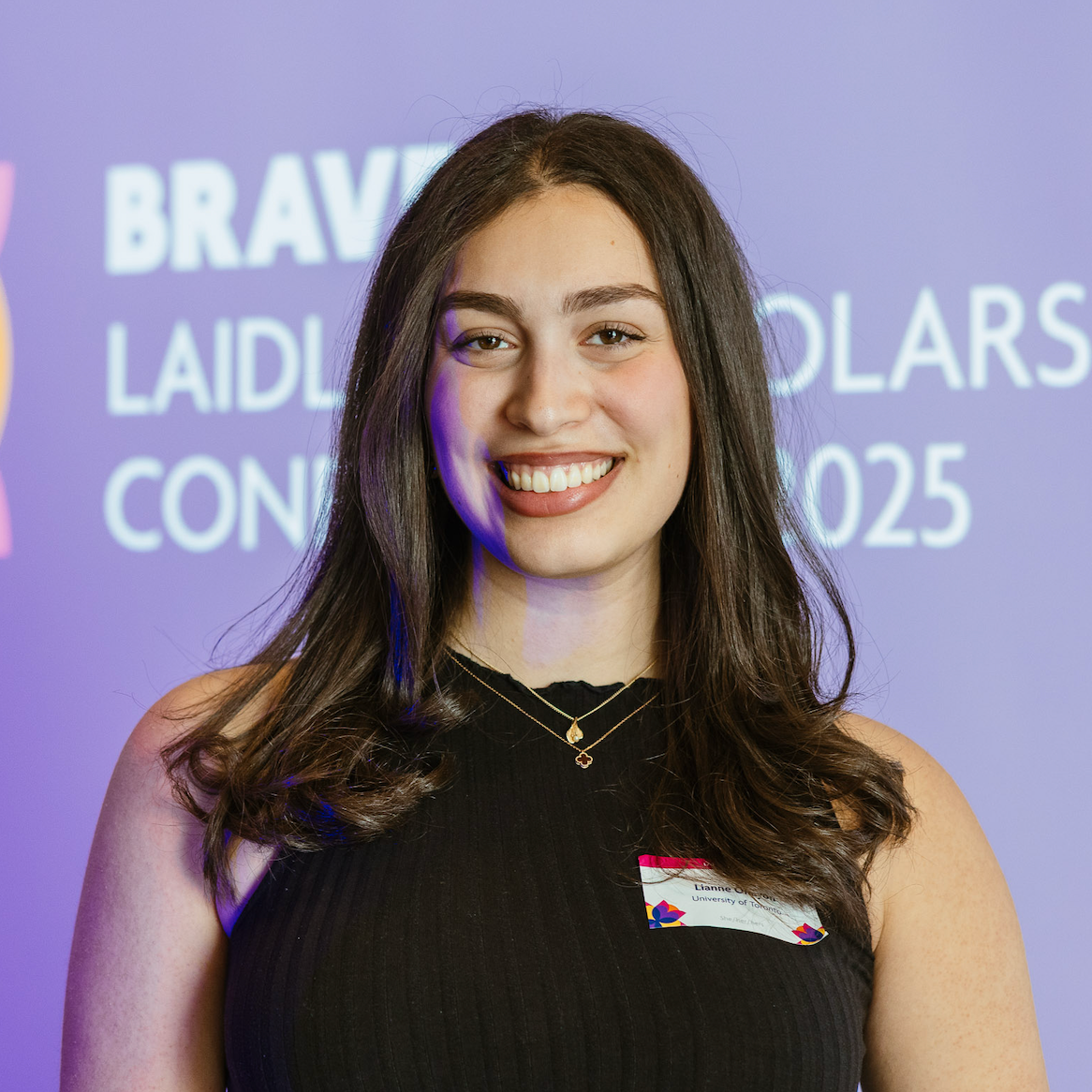
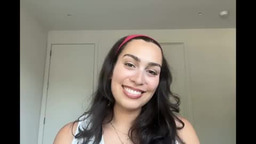
My name is Lianne and I am a rising fourth-year student at the University of Toronto! I am super passionate about public health and related advocacy initiatives, and hope to be a physician-policymaker. Outside of academics, I love playing music, reading, dancing, and traveling!