After fully understanding the scope of the Proximity Care project in Week 2, Week 3 allowed me to begin critically assessing the program and thinking about how it could be optimized moving forward. I was tasked with creating a scoping overview and presentation analyzing the strengths, weaknesses, opportunities, and threats of the different lines of the initiative, with the goal of identifying the most effective pathways for future growth and expansion.
What went well this week was my ability to synthesize the large amount of information I had absorbed over the past two weeks into a more structured analysis of the project. Through reviewing field observations, conversations with researchers and healthcare professionals, and my growing understanding of the Italian healthcare system, I began identifying both the successes of the initiative and areas where coordination or outreach could potentially be strengthened. This process also helped me better appreciate the complexity of scaling healthcare interventions across rural regions of Tuscany.
One challenge this week was narrowing down such a broad and interdisciplinary project into concise and actionable recommendations. Because the initiative spans public health, community engagement, telehealth, and regional healthcare coordination, there were many different perspectives and priorities to consider. Looking back, I think continuing to develop confidence in balancing detail with clarity will help me communicate ideas more effectively in future presentations and analyses.
Working with others this week reinforced the importance of collaboration when evaluating large-scale public health initiatives. Hearing different viewpoints from researchers and team members often shifted how I thought about certain challenges or opportunities within the project. I also realized how valuable constructive discussion can be in refining ideas and identifying practical next steps.
This week taught me that leadership in research and healthcare settings often involves strategic thinking and long-term planning in addition to implementation. Strong leaders not only recognize existing problems, but also think critically about sustainability, adaptability, and how programs can continue evolving to meet community needs over time.
During the second half of my LiA, I hope to continue strengthening my ability to connect field observations with broader systems-level analysis, while contributing ideas that are both realistic and impactful for the future of the Proximity Care project. Ciao!
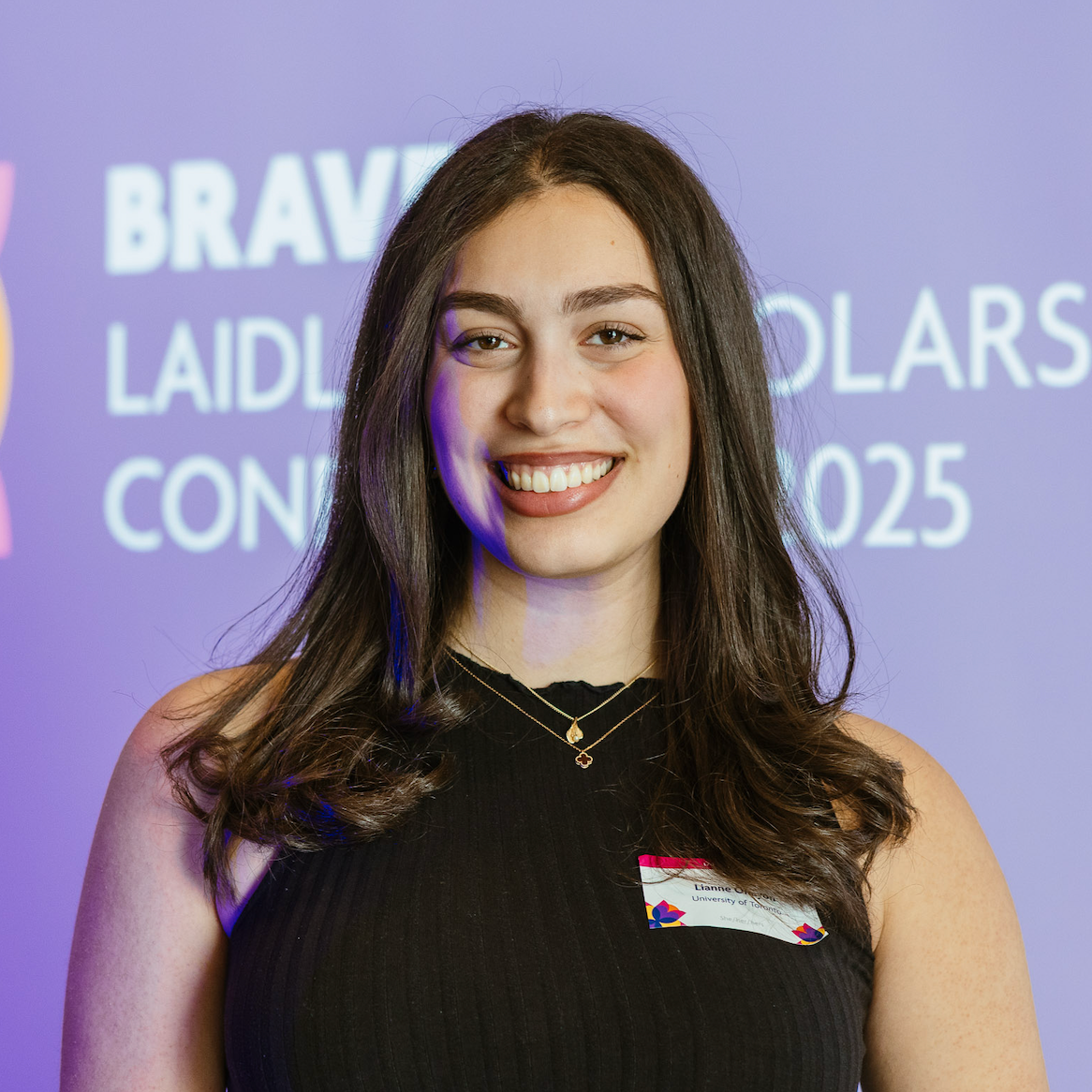
My name is Lianne and I am a rising fourth-year student at the University of Toronto! I am super passionate about public health and related advocacy initiatives, and hope to be a physician-policymaker. Outside of academics, I love playing music, reading, dancing, and traveling!