Week 2 was an intense week of really getting into the full breadth of the Proximity Care project. A seasonal school was running in tandem with my research placement, which gave me a true crash course on the scope of work and the many moving parts involved in improving healthcare access in rural Tuscany.
What went well this week was my deeper immersion into understanding the challenges faced by remote regions in Tuscany. I took several trips into the field, including conversations with mayors and local health officials, an opportunity to see the mobile care van firsthand, a tour of the project’s main collaborative hospital, and exposure to the biorobotics unit focused on telehealth innovation. Throughout the week, I also continued familiarizing myself with the Italian healthcare system, particularly its regional structure, and the ways the Proximity Care project attempts to bridge gaps within such a decentralized system.
One challenge this week continued to be the language barrier, although I feel like I am gradually picking up Italian words and phrases through conversations and field experiences. I have been trying to engage respectfully with local populations as much as possible without overstepping, and moving forward I would like to continue developing stronger communication and local engagement skills during future field visits.
Working with others this week reinforced the importance of open-mindedness, adaptability, and asking questions. Conversations with local community members highlighted how different perspectives, priorities, and lived experiences can shape the kind of impact a healthcare initiative is able to have. Being aware of these perspectives feels critical to creating meaningful and tangible change. It was also inspiring to meet participants in the intensive program coming from many different backgrounds (nurses, social workers, researchers, and undergraduate students) who were all willing to learn and step outside of their comfort zones.
This week also taught me more about leadership in collaborative public health settings. Effective leadership often seemed less about directing others and more about listening, coordinating across disciplines, and creating space for different voices and expertise to contribute.
Looking forward to the week ahead—it’s synthesis time! Ciao!
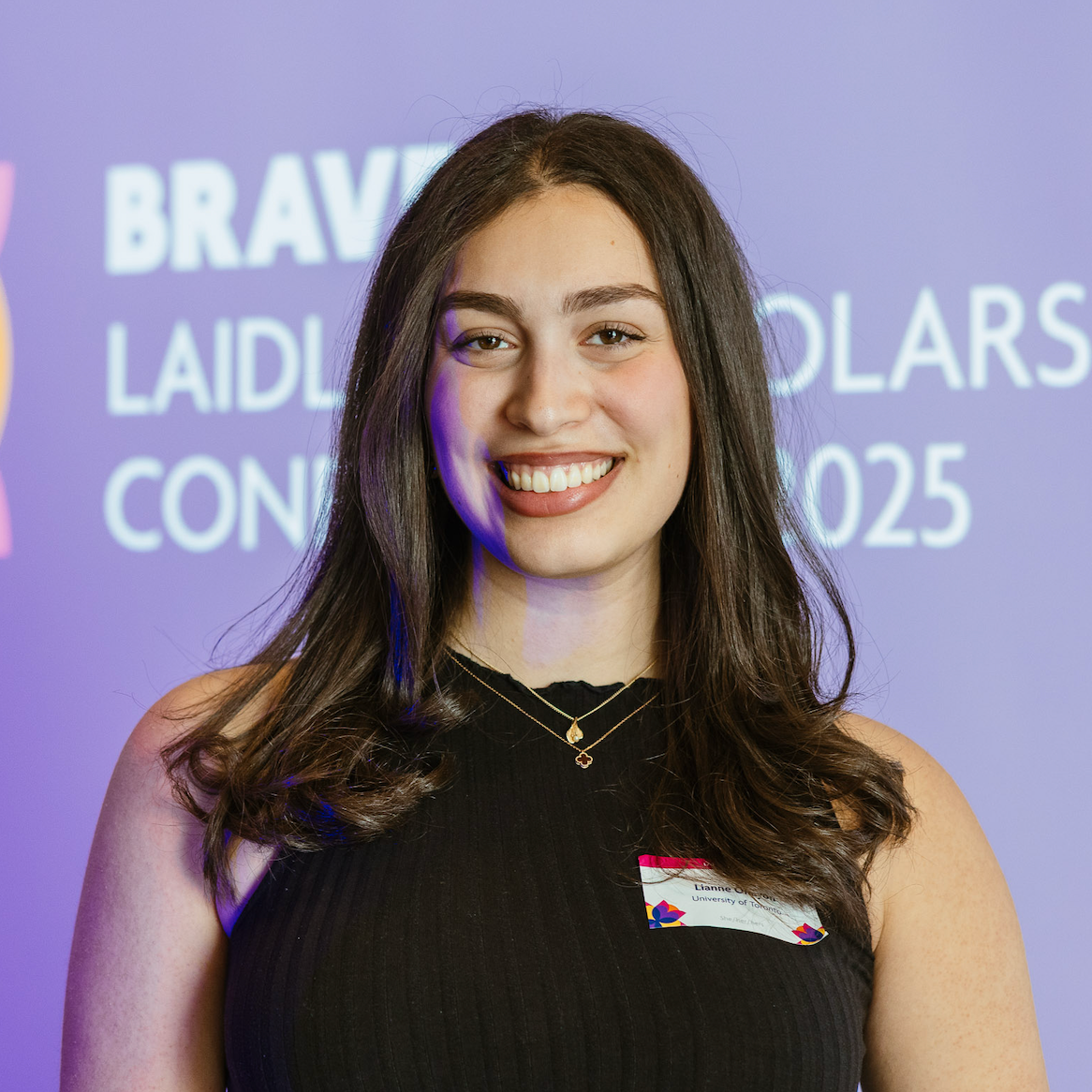
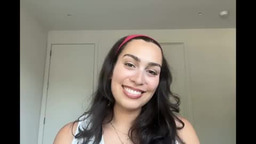
My name is Lianne and I am a rising fourth-year student at the University of Toronto! I am super passionate about public health and related advocacy initiatives, and hope to be a physician-policymaker. Outside of academics, I love playing music, reading, dancing, and traveling!