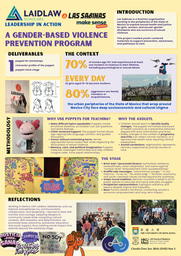
LiA Week 2: Las Sabinas
This week has been extremely insightful, and I felt a clear shift from learning about leadership concepts to applying them in real time. We began with workshops on design thinking and focused exercises to practice ideation. These sessions helped me better understand how to move from an initial concept to a practical idea that can actually serve a community. Instead of thinking only about “what” we want to build, we practiced thinking about “how” and “for whom,” which is especially important when the audience is children.
A key part of our week was that we presented our initial ideas for creating puppets for children aged 6–10, with the goal of teaching about preventative gender violence. This assignment pushed me to think beyond awareness and toward responsibility and agency how children can learn to recognize boundaries, understand that they deserve safety, and know that they can ask for help.
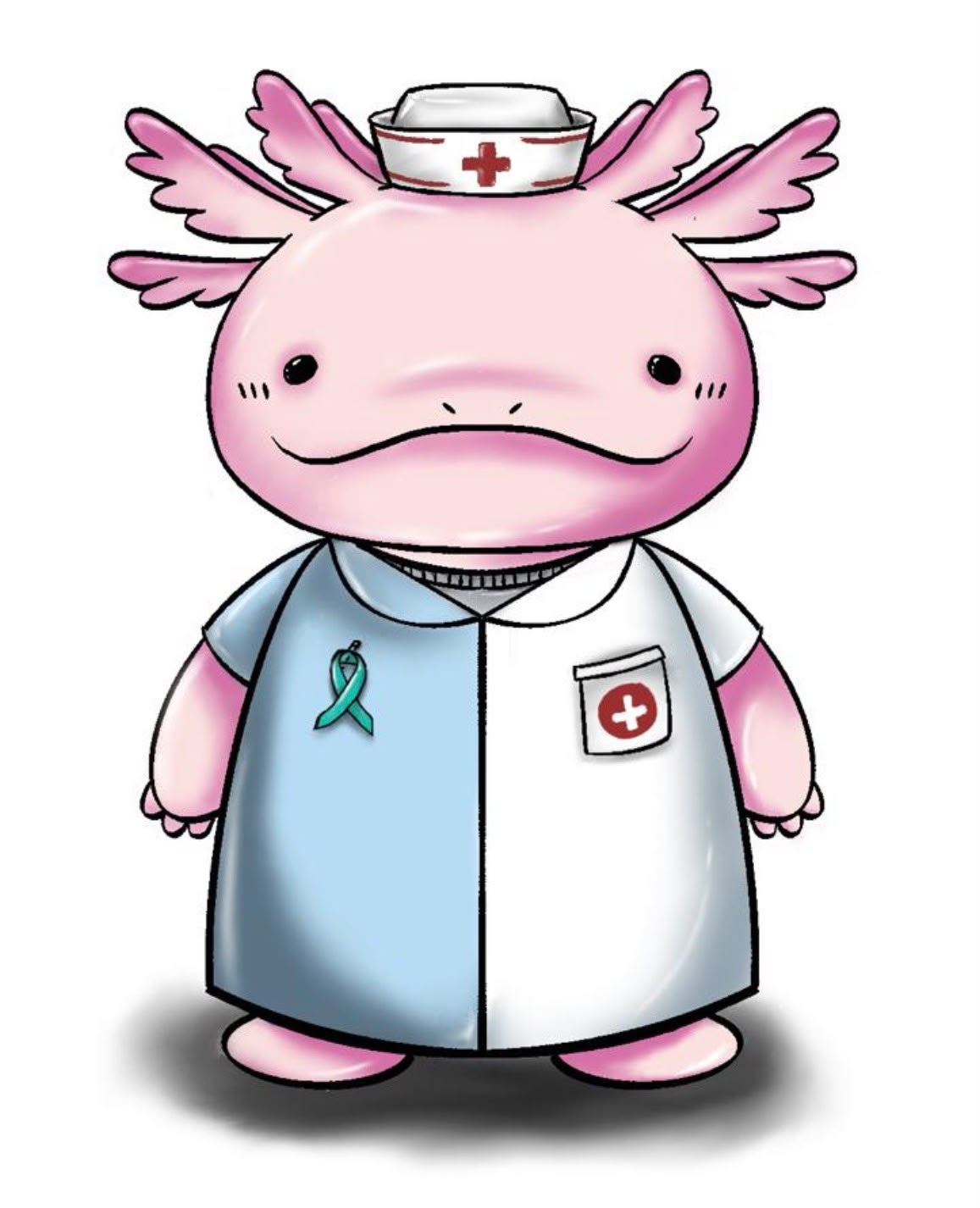
My puppet design is an axolotl nurse, inspired by the axolotl’s ability to regenerate. I chose this character as a symbol of health and survival, because I want the message to feel supportive rather than frightening. The goal of my puppet is to help children develop agency and responsibility, including learning that changes in their bodies might mean different things. I see this as part of prevention because when children have age-appropriate knowledge, they are more likely to feel confident about communicating what they experience and understanding that care and support are available.
To strengthen my design, I also reflected on the puppet approach from last year’s Laidlaw scholars (Emanсi). Seeing how previous groups created meaningful educational tools helped me understand that our work is part of a bigger ongoing effort.
I also completed background research on sexual violence health outcomes in Mexico, and the findings helped me connect prevention education to broader public health realities. I learned that cervical cancer remains a major public health challenge in Mexico, and that HPV plays a significant role in related hospitalizations and deaths. I also learned that adolescents who begin sexual activity early may face higher risk of HPV acquisition and precursor lesions. In addition, I reviewed relevant policy information, including free HPV vaccination initiatives in the State of Mexico and access to free and confidential HIV testing options. Another important insight was how GBV and IPV function as structural drivers of HIV risk among women. Finally, I explored teenage pregnancy trends and how prevention is tied to education, household poverty, and family context, including reference to Mexico’s national strategy for prevention.
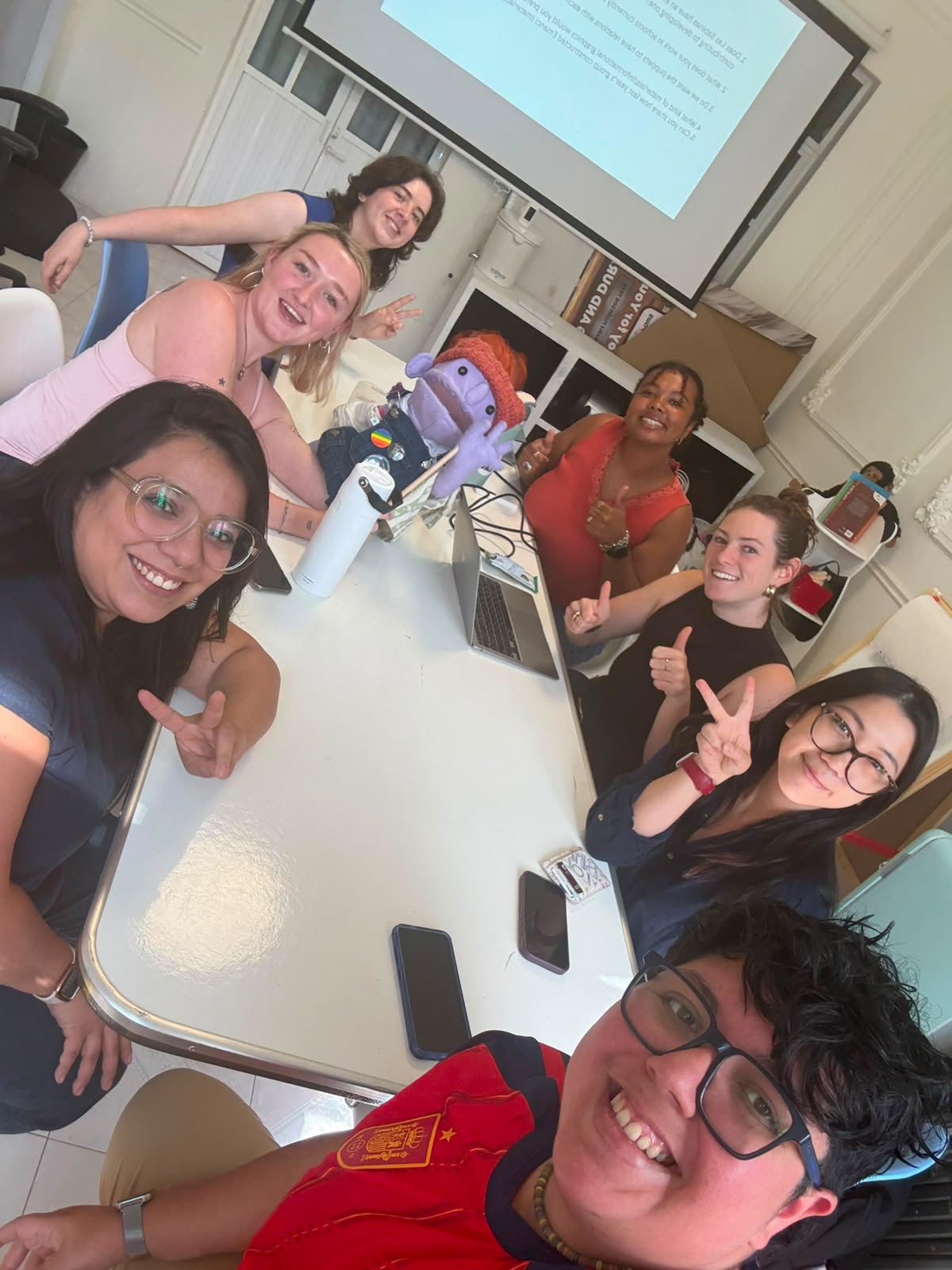
Another highlight of the week was meeting volunteers from Make_Sense who will be helping our group with the project. This taught us a lot about leadership in a collaborative setting. Such as, how to be encouraging, how to communicate effectively, and how to make volunteers feel welcomed and valued. It also helped us think about practical coordination: many volunteers are full-time workers, so we need to arrange schedules around their time and understand that they are contributing because they want to make a meaningful impact, not because they are required to.
At the same time, we encountered challenges. Coordinating additional people into the effort requires careful organization, especially when new ideas emerge. We have to balance different strengths while ensuring that our deliverables stay coherent, accessible for the target age group, and aligned with the prevention goal.

Hii, I'm Claudia, a student at HKU.