LiA Week 1: Introduction

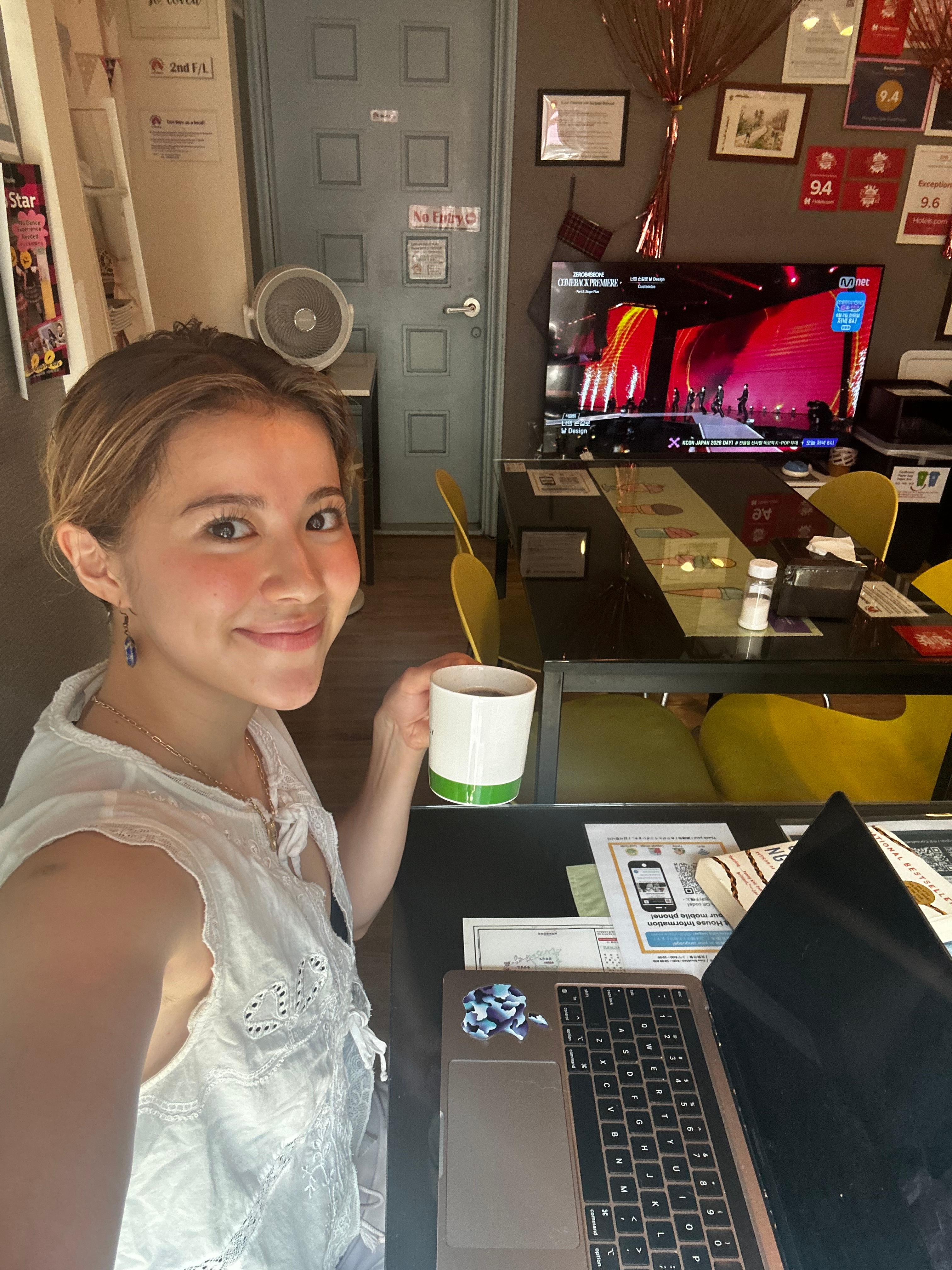
In one week, I will touch down in Chongqing, China, to begin my 4-week LiA collaboration with Green Camel Bell (GCB), a Chinese environmental grassroots nonprofit. I write this post from Seoul, South Korea---I'm spending the week here because there's no direct flight from NYC to Chongqing.
My LiA collaboration will consist of a two-week tour of parks in China’s new National Park system (with my fellow Laidlaw scholar Stella Dull! :), and the opportunity to interview, directly learn from and assist farmers native to those lands on how their livelihoods support environmental conservation efforts. Afterwards, I’ll spend the next two weeks with GCB collecting any remaining interviews with relevant representatives and subjects for a short film I’m making, and editing it together.
**CONTEXT: CHINA’S NATIONAL PARK SYSTEM**
China’s National Park system was first established in 2015 with the "Sanjiangyuan National Park (SNP) as a pilot for China’s new national park system. After this pilot was declared successful, the government established SNP within the first batch of five Chinese national parks” (Asia Times).
China’s park policies have raised human-rights concerns from sources including the Asia Times, who argue the system is a form of “colonial conservation” which surveils and displaces indigenous peoples, including ethnic minorities like Tibetan drokpa (who live on Sanjiangyuan!) under the guise of prioritizing environmental protection.
With GCB, we will be touring one to two national park branches in South-Western Chinese provinces including Chongqing, Gansu, and Sichuan. While the native farmers at the parks we’ll visit aren’t ethnic minorities like the Tibetan pastoralists in Sanjiangyuan, I’ll be able to see firsthand how Chinese policies have created a power dynamic influencing natives’ livelihood and engagement with conservation in ways that may still resemble what has been observed in Tibet.
**WHAT’S MY FILM FOR?**
In connection to my research last summer on how Chinese artists combat censorship through their craft, through my film, I will directly practice and experience how storytelling is a medium employed by grassroots organizations like GCB to indirectly pressure the Chinese government against using environmental conservation policy as an excuse to displace native communities.
Content-wise, I will be documenting how native farmers showcase their lifestyle and culture via ecotourism (even if it means commodifying it a bit), to combat attempted displacement from the parklands they've called home for generations. My film in itself is another layer of art-as-resistance, being positive artistic coverage of their livelihood that can then be used by GCB to advocate for these native farmers in negotiations with the government.
Art and positive cultural exposure of the communities GCB advocates for become strategies of negotiating with a government that otherwise opposes public dissent of its policies (!).
In order to document why indigenous knowledge and livelihood are complimentary–if not essential–to environmental preservation, as well as to investigate whether the National Park policies are a form of “colonial conservation” on native farmers and ethnic minorities, I will be making a documentary short film as I accompany a cohort of American high schoolers on trip to some of these national parks. Alongside Stella, who is co-faciliating the trip with me, we’ll also engage the students in workshops on National Park policy continuities and differences between the US and China.
**POTENTIAL CHALLENGES?**
With regards to challenges I might encounter, I anticipate being challenged by the extent to which my interviews with the native farmers can directly reference or address the colonial indigenous displacement theories that undergird human-rights criticism of China’s National Parks policies.
Part of GCB’s strategy in negotiating with the Chinese government to support indigenous farmers and pastoralists is to avoid direct political criticism, and to instead use cultural mediums (such as the arts and positive documentation of indigenous culture) as a “soft-diplomacy” tactic that showcases the benefits of indigenous practices in protecting the environment so the government supports their continued inhabitance of that land.
Since I am not fluent in Chinese and will have a GCB representative assisting me with live translation during the interviews, and because these interviews will go towards a documentary short for GCB, I am currently figuring out how to phrase my questions in a way that will offer opportunities for the farmers to be honest about their experiences without placing GCB in a vulnerable position with the Chinese government.
**FINAL THOUGHTS**
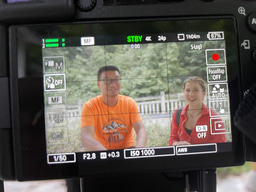
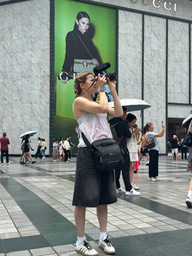
Next steps for me are to (1) finalize interview subjects and potential questions, (2) continue practicing how to use a digital film camera, (3) maybe pre-plan some shots and angles I’ll want to get for the documentary, and (4) put together a brief video presentation I can give to the high schoolers on US-China National Parks. Oh, and (5) brush up on my Chinese…
I'm a current undergrad student at Barnard College pursuing a double-major in Theatre & Human Rights, with a minor in East Asian Studies. I'm often asked why I’m studying such seemingly divergent fields. For me, these subjects go hand in hand: my diplomacy and human rights practice are informed by an empathy uniquely cultivated from my experience in the arts; my acting on theatrical stages is enriched by my understanding of what is happening on the "world stage." Mastering both mediums is my answer to the seemingly unsolveable divisions we face today. My work bridges these fields in an innovative, urgent and radical effort to highlight our shared humanity at a time we need it most.