LiA - Dentistry for the Needy - blog 1/3

Before coming to Malaysia, I had a general idea of what I wanted to gain from my LiA experience. I wanted to learn more about leadership outside a university setting, experience dentistry in a different context, and better understand how access to healthcare can vary between communities.
Arriving in Malaysia meant adjusting to a new environment, culture and way of life. Although this was exciting, it also pushed me outside my usual routine. Simple things such as communication, transport, the climate and navigating unfamiliar places required me to become more independent and adaptable.
I spent the first week learning more about the work of Dentistry for the Needy (DFTN) in preparation for joining their projects. DFTN supports a range of vulnerable groups, including people experiencing homelessness and housing insecurity. Before getting involved, I realised that I had quite a narrow idea of what homelessness looked like. I had assumed that someone experiencing homelessness would usually be unemployed and have nowhere to stay. However, through the people I met and the conversations I had, I learnt that the reality can be much more complex.
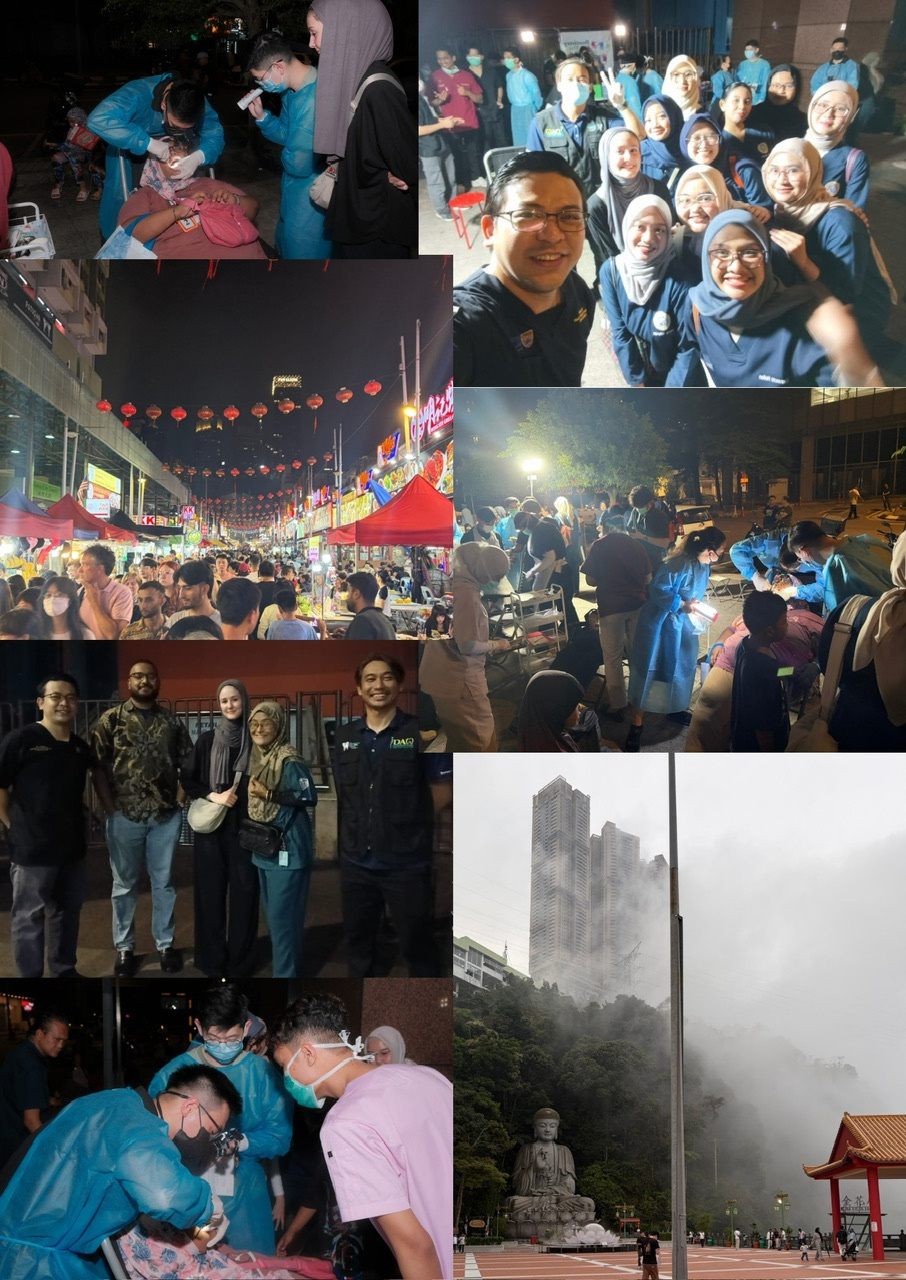
One of the projects was a night clinic held in the deprived area of Chow Kit. Some of the patients being treated were actually in employment but still could not afford stable housing. Instead, they rented very small rooms mainly as somewhere to sleep, while spending much of their time outside or on the streets. This challenged my assumptions and made me think more carefully about how easily we can make judgements about someone’s circumstances without understanding the wider factors affecting their life.
Something that particularly stood out to me was how seriously DFTN took the privacy and dignity of the people they supported. There was a strong emphasis on protecting patients’ identities, especially when photographs or information about the clinics were shared. For some individuals, having their circumstances made public could potentially create difficulties or embarrassment in their workplaces or wider lives. This showed me that providing care is not only about treating someone’s dental needs. It is also about respecting their dignity, privacy and circumstances.
It made me reflect on my own role. As a dental student, it can be easy to focus heavily on developing clinical skills, but this experience reminded me that healthcare involves much more than technical ability. Being approachable, communicating clearly and treating people with respect are equally important. Working in an unfamiliar setting also meant that I had to listen more carefully and avoid assuming that the approaches I was familiar with in the UK would necessarily be the most appropriate in another context.
I got a chance to explore Kuala Lumpur and visit some of its well-known landmarks. And feel in love with the city, it’s people and the food!
(All clinical pictures have been approved and consented)
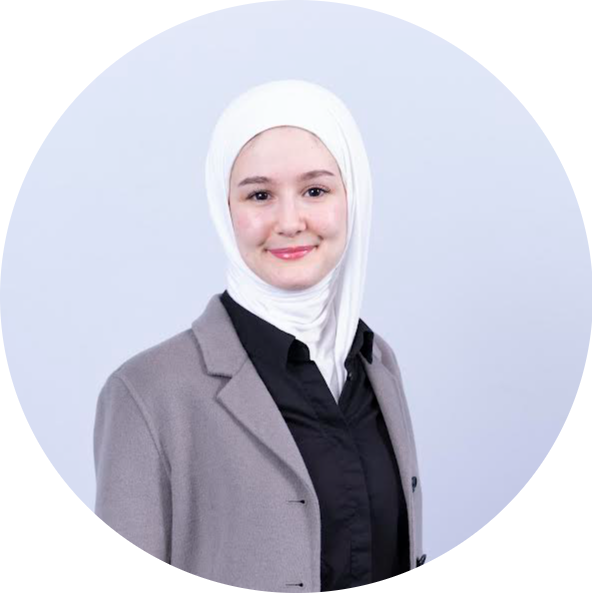
Hello, my name is Yara Alhajji.
I’m a 3rd year dental student at the University of Leeds with a strong interest in public health, paediatric dentistry, and community outreach. As someone with lived experience as a Syrian refugee, I’m deeply passionate about equity in healthcare access and using my platform to give back to underrepresented communities.
Over the past few years, I’ve actively participated in several outreach programmes including OpenWide, Raised in Yorkshire, and Reach for Expense, all aimed at improving dental awareness and education across diverse populations.
I’ve proudly been part of OpenWide for three consecutive years initially as the Primary School Representative, then as President, and currently serving as the Outreach Representative. The society works to bridge the gap between dental professionals and the wider community, delivering workshops for people of all ages. Through the society I’ve initiated a collaboration with Raised in Yorkshire, a long term outreach and research initiative exploring public understanding of dental health and shaping how we engage communities more meaningfully.
Outside of dentistry, I’m an outdoor enthusiast who loves hiking and challenging myself through physical activities. My background and personal journey continue to fuel my drive to advocate for inclusive healthcare and make a positive impact through both clinical practice and community-led research.
Feel free to reach out to me on here or through my email dn23ya@leeds.ac.uk or through my Instagram account!