Laidlaw Reflection Blog Post
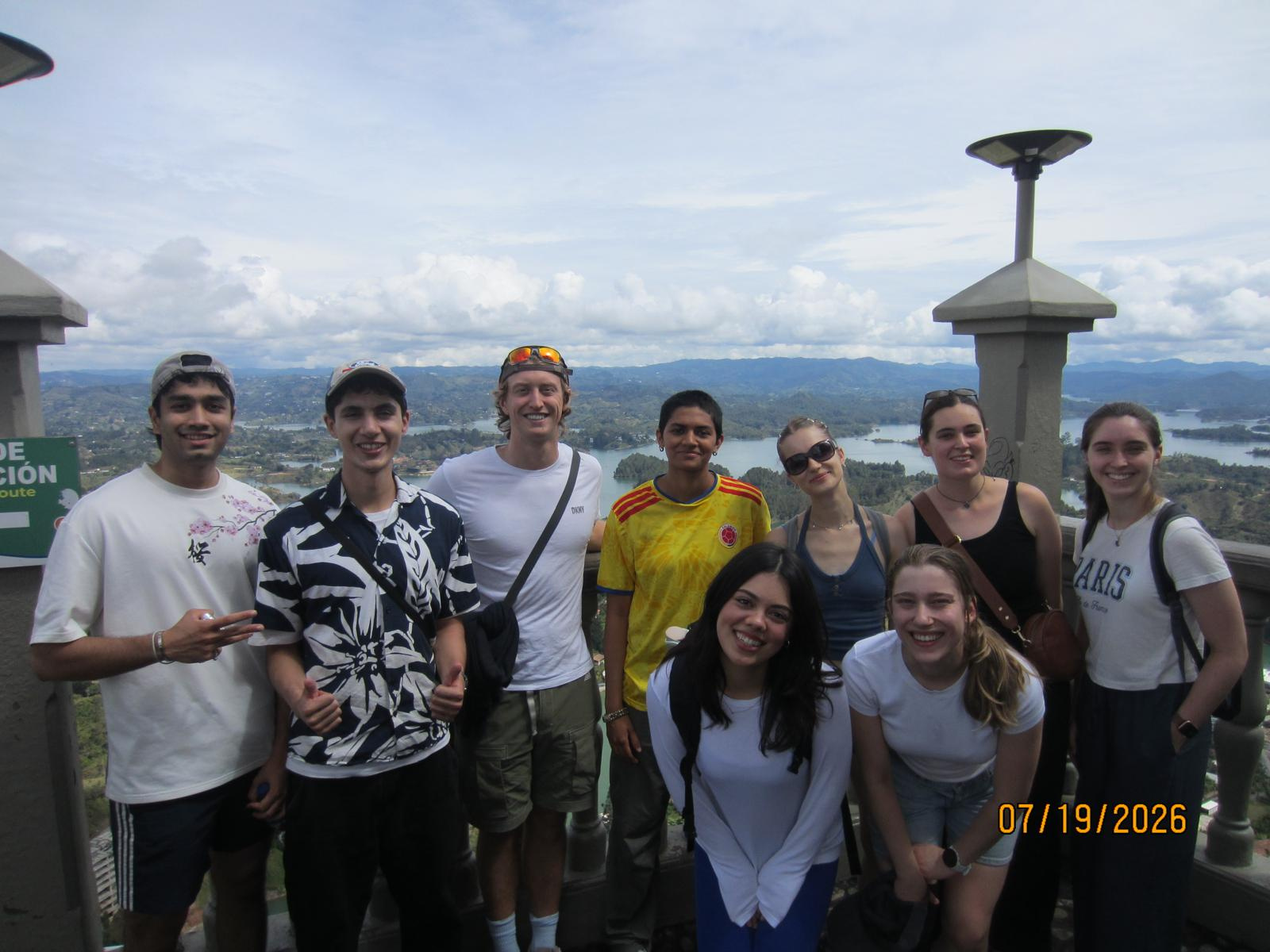
I find it remarkable how different my two Laidlaw summers looked like, not only because last summer I was stuck at King James Library in St Andrews and now I am at the Café Tortoni in Buenos Aires, reflecting upon the six weeks I spent in Medellín, Colombia, but also because of how I approached the programme itself. Last summer, I felt an overwhelming sense of paralysis that prevented me from enjoying the experience, I felt lonely and completely defeated because what I was unable to deliver a research project that was up to the standard I wanted it to be. This summer, it has been the opposite experience, I went into the LiA completely relaxed, knowing next to nothing about my project and expecting it to be completely different from what I had envisioned. I was scared of doing it this way, as I had no way to prepare myself for what could happen, but I did not really have a choice. I strongly believe that being “forced” to do things this way was the main reason why I had so much fun and learnt so much while keeping stress to a minimum. While this change in mindset has a lot to do with growing up, as I was nineteen during my research summer and I am now twenty-one, I think that Laidlaw did help show me that I could grow under far from perfect circumstances.
Looking back at some of the blog posts I wrote last summer, I cannot help but notice the insecurity glaring at me through those posts. The endless archive panic, and the guilt over unproductive days were not fixed because of resilience, but because I noticed that fear was narrowing my vision and that is when I had to learn to trust the process over visible outputs. I remember I had thirty-three pages of notes that I did not feel like I had “earned”, what does that even mean? That summer taught me that it does not matter what I think happened, because I have an anxiety disorder and neurodivergency that work very hard to convince me that nothing is ever good enough, so I have to trust that even if I tell myself that I was not enough, that the experience helped me anyway. All those very difficult moments led me to develop an increased sense of self-awareness and integrity, that I built character in the unglamorous, private moments no one saw, not in a single defining act or in a way that can be described through a polished narrative.
This is where the two summers really diverge, though. If last summer was about learning to sit with discomfort on my own, this summer was about learning to sit with it alongside other people, and somehow that made all the difference. My Leadership in Action project was in collaboration with Make_Sense Americas and Platohedro, a grassroots NGO based in Medellín working with young people through art, community media and social innovation. Going in, I told myself I would embrace flexibility, mostly because I did not have another option. I did not fully understand the local context I was stepping into, nor did I know what the final deliverable would even look like until we were already building it. And yet, because I had already lived through the version of me that let uncertainty spiral into paralysis, I recognised the feeling early enough to choose differently this time.
Every hurdle that came up, whether it was a shift in scope, a miscommunication, a plan that fell apart two days before it was supposed to happen, I tried to treat as something to move through with the team rather than something to fix alone in my head at 2am. That sounds like a small distinction, but it is the entire difference between how I operated last summer and how I work now. Last summer, a hurdle felt like proof I was failing, but not this summer, it was just part of the process. I think that shift is what Laidlaw actually means by capacities, not a fixed skill you acquire and then possess forever, but something you have to keep practising in increasingly uncomfortable rooms, with increasingly high stakes, until it stops feeling like performance and starts feeling like instinct. Adaptability was not something I brought with me to Colombia. It was something I built, hurdle by hurdle, with people who were far more patient with my mistakes than I was.
But capacities alone do not explain why the experience felt so different from a values standpoint. Working with Platohedro, an NGO lead by a founder who has truly lived one million lives, helped me make sense of the concept of being a global citizen. I am still not entirely sure of the nuances of that term, but I know that it has more to do with willing you are to be comfortable with being uncomfortable and learning from that discomfort. Platohedro had its own methods, its own relationships, and its own understanding of how to achieve their goals, but found it difficult time to explain it. My job, then, was to listen first, contribute where genuinely useful and piece together their ideas about the organisation in a way that made sense to them and to the rest of the world. This meant that many of our ouputs where not particularly tangible, and accepting that was difficult, especially for someone who spent an entire summer the year before convinced that her value was tied to what she alone could produce. Medellín quietly corrected that. This summer I was not indispensable and that was the whole point of the programme. It taught me that leadership is more about being useful in service of goals that are not yours to define than being able to perfectly execute your own ideas of success.
I want to keep applying the same instinct I built in Medellín, choosing flexibility over resistance, to whatever comes next, whether that is further research, a job, or some version of leadership I cannot fully picture yet. And I want to keep writing things down honestly, the way I did last summer in that library, even when the honest version is not the polished one, because I now know that the unglamorous, uncertain moments are usually where the actual growth is happening, whether I can see it at the time or not.
Sitting here at Café Tortoni, in the middle of a very mild Argentinian winter, with two years and two very different summers behind me, I do not think Laidlaw handed me or really shaped my leadership style. My leadership style has always been there, and I have always been very aware of my shortcomings and what I needed to work on in order to improve. In a way, I have always known what I know now, but Laidlaw gave me chance after chance to apply it and grow from it, and that was an invaluable set of opportunities that I do not take lightly. I extend my gratitude to Lord Laidlaw for funding such an incredible opportunity, I am very grateful.
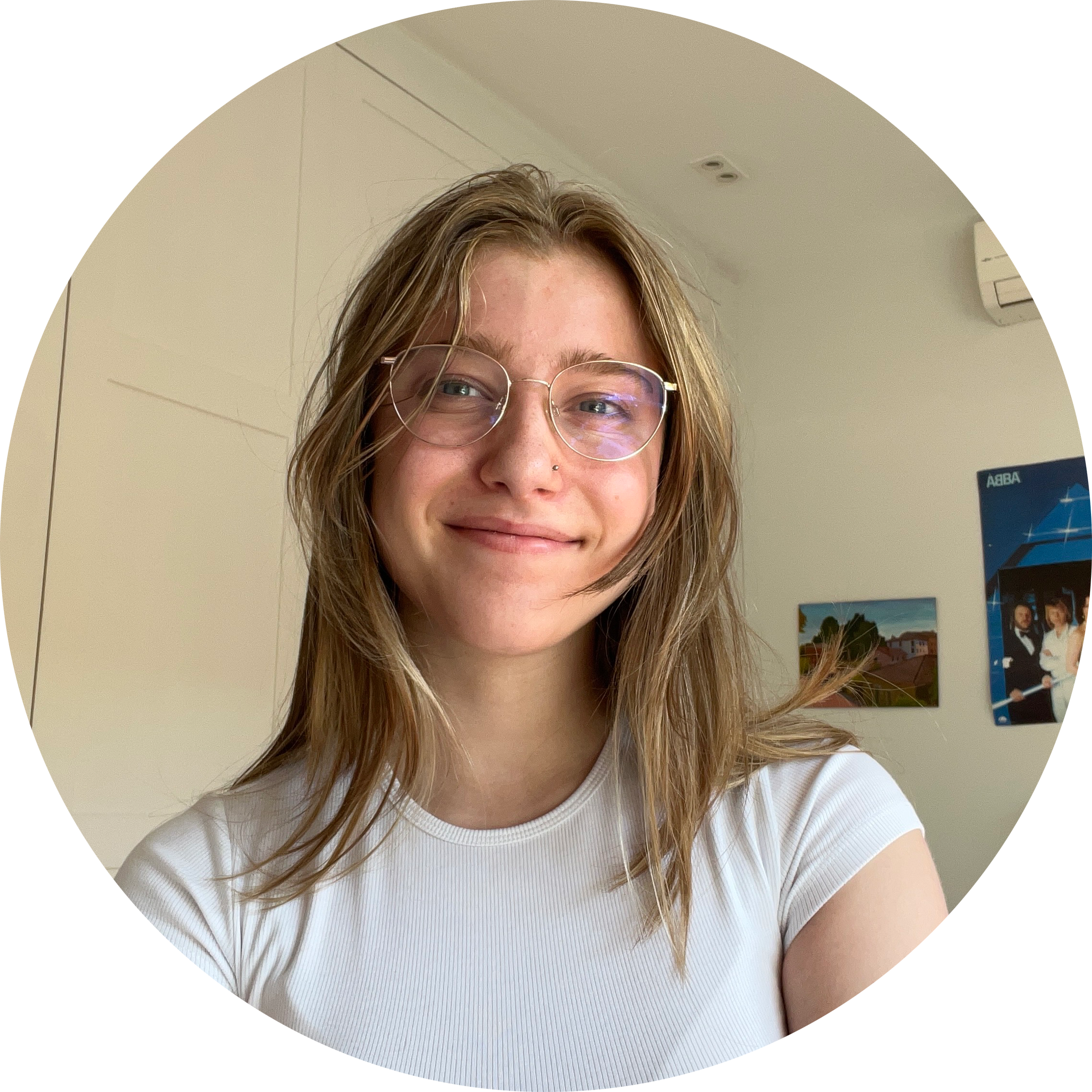
Hello! I'm an incoming third-year History student at the University of St Andrews. I'm from Madrid, Spain, but I moved to Scotland for university.
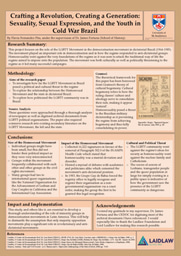
My research project focuses on the impact of the Cold War on sexuality and sexual expression among LGBTQ+ youth in Brazil and the relationship between sexuality and the state in a military dictatorship.