Gradually and then suddenly


When asked how he went bankrupt, Earnest Hemmingway famously stated that the change occurred “Gradually and then suddenly”. This quote highlights how the frameworks and underlying processes of drastic change often seem invisible at first. During my leadership in action project, I became a leader gradually and then suddenly.
Much like Hemmingway, I did not notice the tiny changes in my life which snowballed into a transformation, albeit in a much more positive direction than the transformation Hemmingway experienced.
During the first week of my leadership in action project I felt that I was meticulously laying groundwork: researching, reading, dissecting the ins and outs of communication, but not moving very far. The second week focused on connecting with the team and collecting footage of them discussing their respective roles. During this opening fortnight I was constantly learning: developing skills in communication, organisation and planning that were up until that point subpar at best. As an achievement-focused person, the lack of tangible output terrified me, but I knew that trusting myself was the most important thing, and that the plan I had developed along with my project supervisor and Laidlaw co-ordinator was there for a reason.
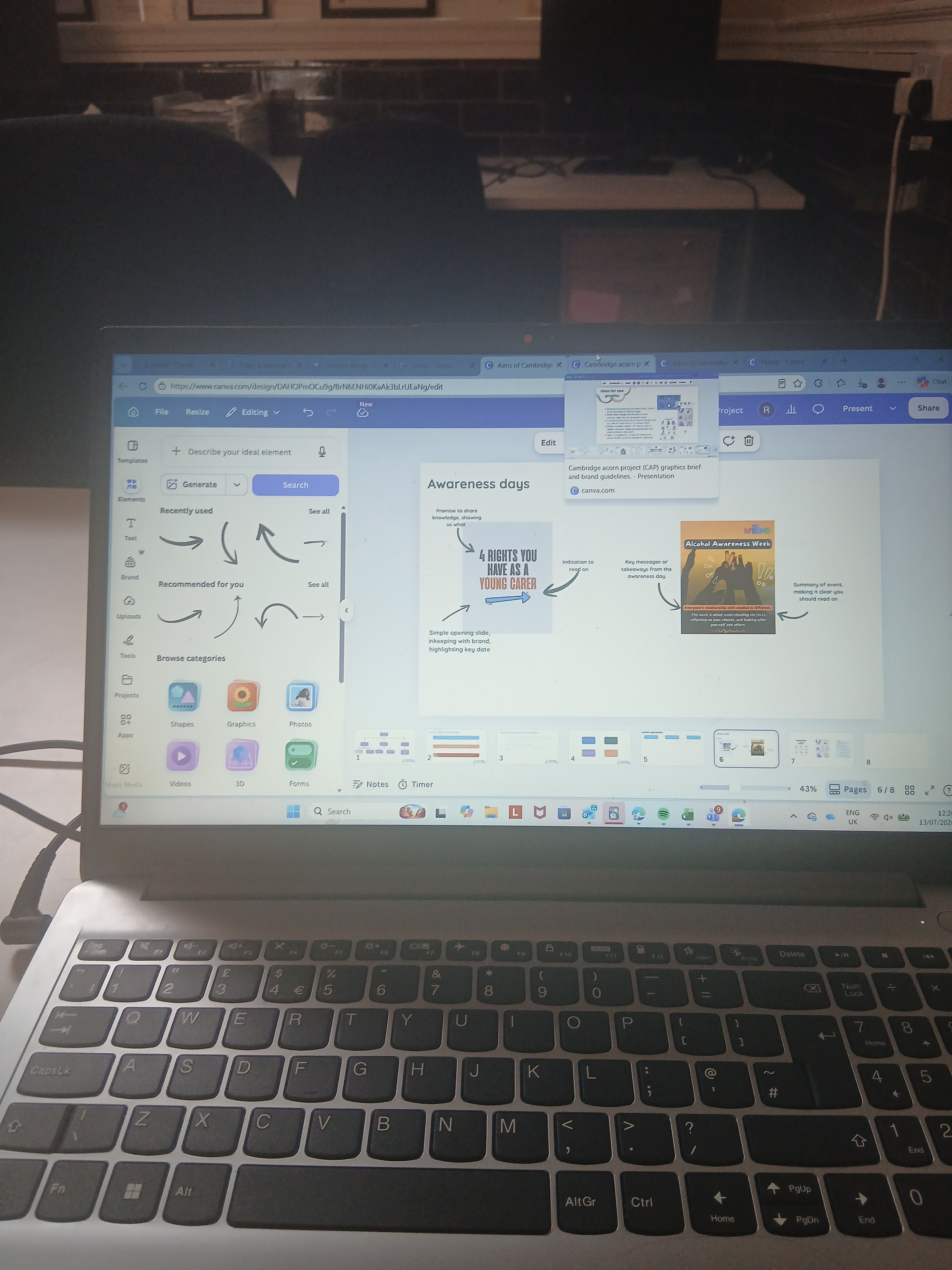
As I entered week three, the pace started to pick up as I finally had video and text content that I was ready to convert into posts. I began to feel the impacts of the soft skills I had developed in the previous two weeks. The planning I had done removed friction when deciding which pieces of content to focus on producing, and the connections I had made with the team meant communicating the impact of their work flowed fluently from the understanding of community-based trauma treatment I had constructed over the first two weeks of my placement.
While the slower pace of my first two weeks had me questioning somewhat if I was truly working as hard as I ought to have been, entering week three confirmed to me something I had been told but not always believed: value is not equal to output. The two weeks I spent preparing were equally as if not more valuable than the faster-paced weeks in which I began creating tangible content outputs. When we focus only on external outputs and neglect to look inwards, we risk discounting the groundwork that forms robust, lasting change. I could have jumped straight into creating content, but it would not have accurately reflected the mission of Cambridge Acorn Project and the people who worked there, nor would it have developed my soft skills, or understanding of mental health and communication.
In retrospect, my grounding period may have been the most transformational period of my project so far, and without it, I wouldn’t have learned from my experiences and would have remained constrained by the same shortcomings that have always plagued me indefinitely.
Things build over time, and it is our responsibility as leaders, communicators, scientists or anyone who wants to make an impact to ensure that the gradual building blocks of our lives are productive, positive and meaningful, ensuring that the sudden transformations we experience as a result are catalysts for progress, not catastrophic backslides.
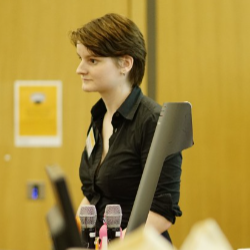
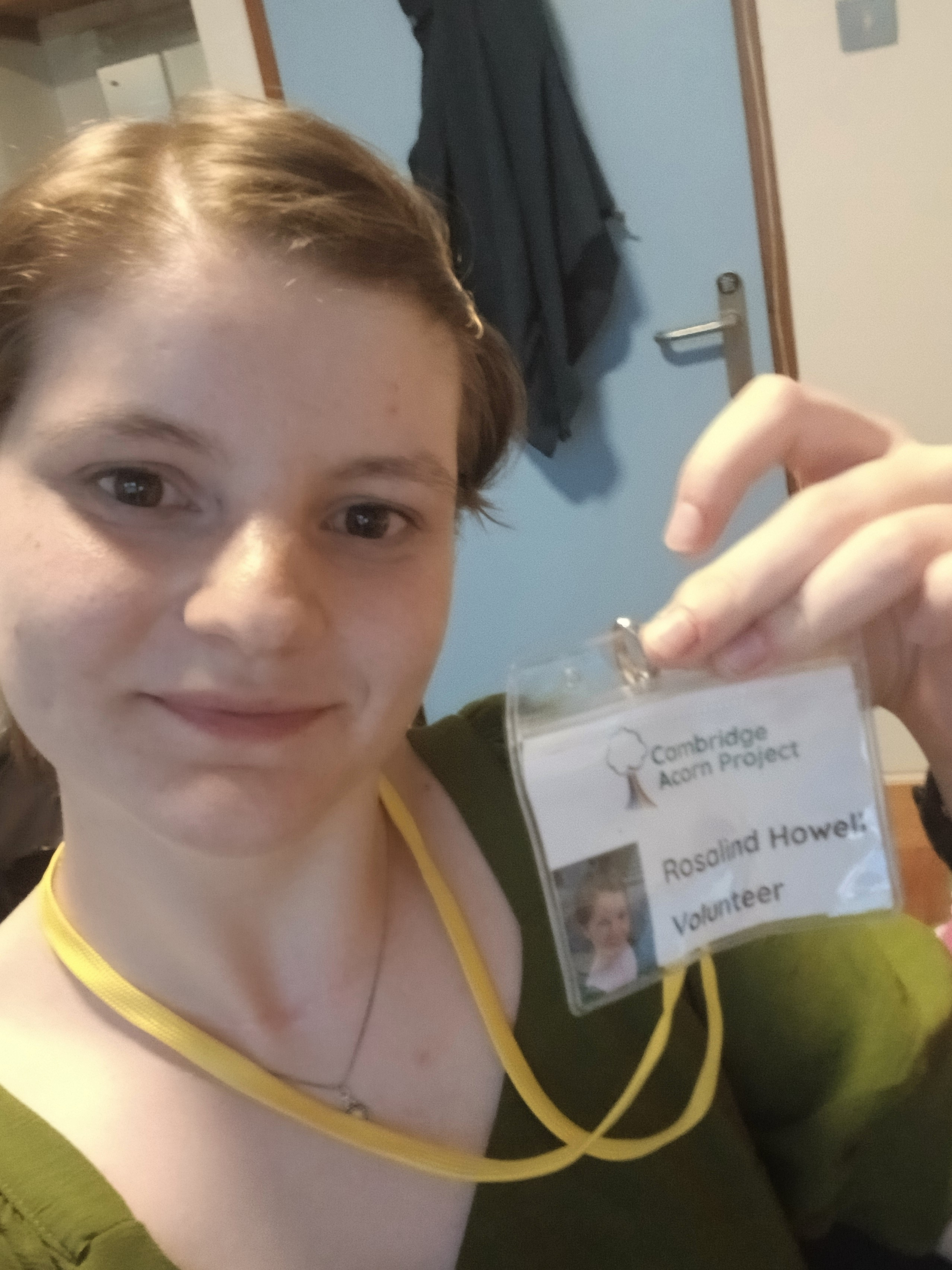
My name is Rosalind and I'm a first year student in psychology at the University of Cambridge. I am particularly interested in the interection between physical and mental health and how psychological and neurological processes can impact somatic functions. Another major interest of mine is the maintenance of mental health recovery, and how post-acute care in communities and systems can support the longevity of recovery and prevent relapse.