From Beneficiary to Bridge-Builder: Closing the Digital Divide
“What is an instance in which you have bridged the digital divide for others ?” was one of the very first questions asked to me by the Boston Design Academy staff members during my interview to conduct my LiA in their structure. Placed abruptly in front of this question, I searched and searched for an answer but nothing came to mind aside from all of the instances where friends, teachers and mentors had taken their time to teach me how to use computers and navigate the internet. I then realised that I had benefitted from the guidance of others, who have effectively bridged the digital divide for me, but that I had no examples of me doing the same for others.
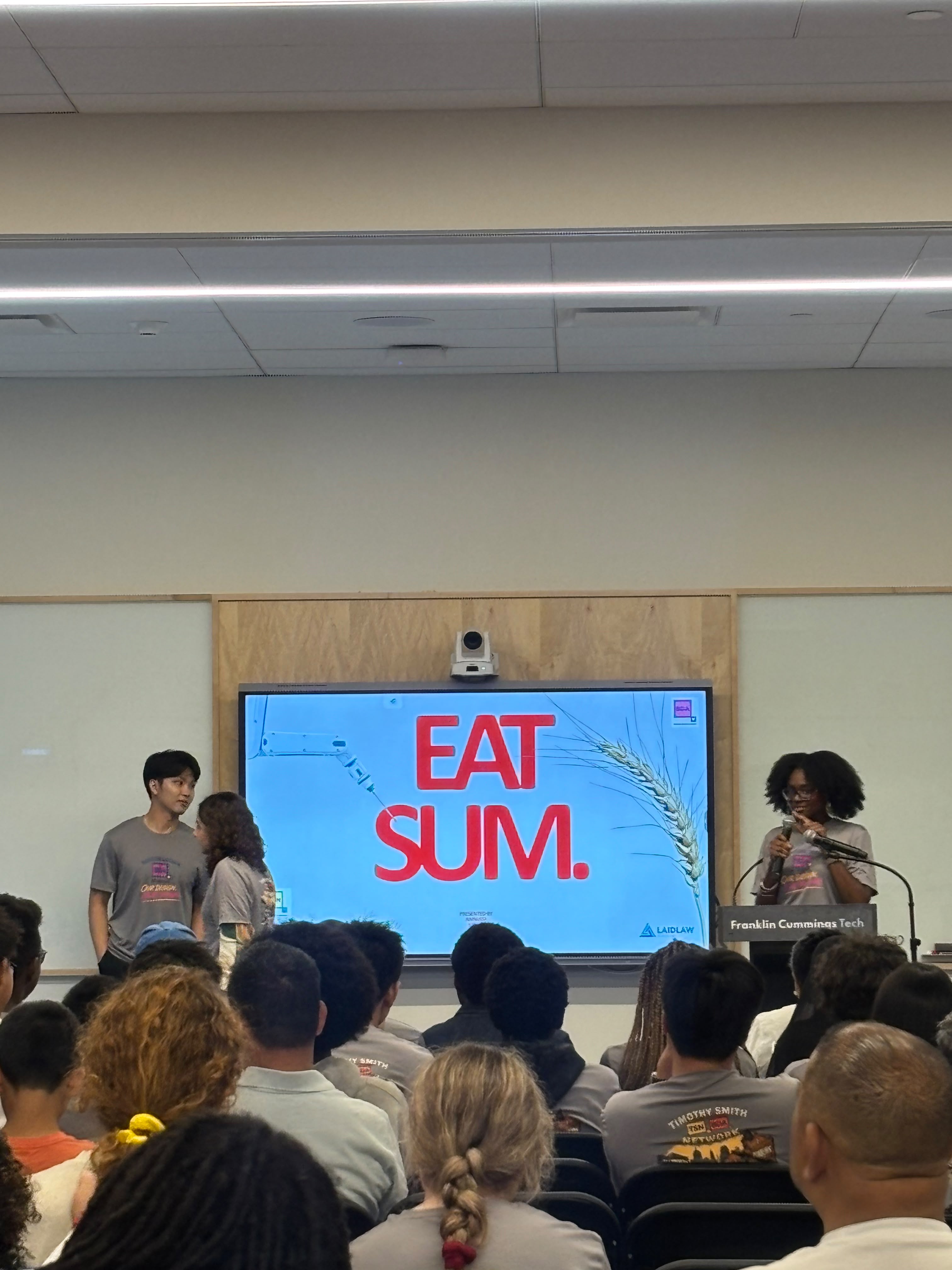
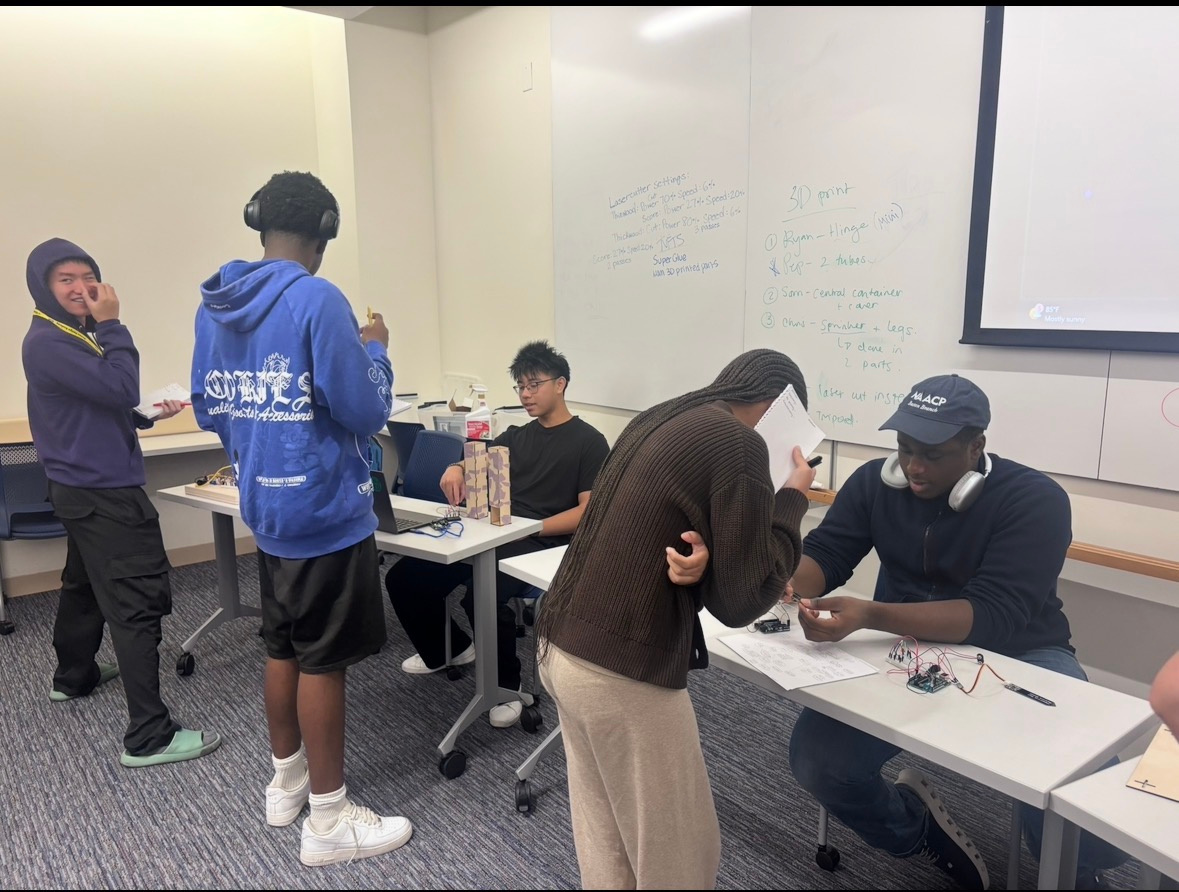
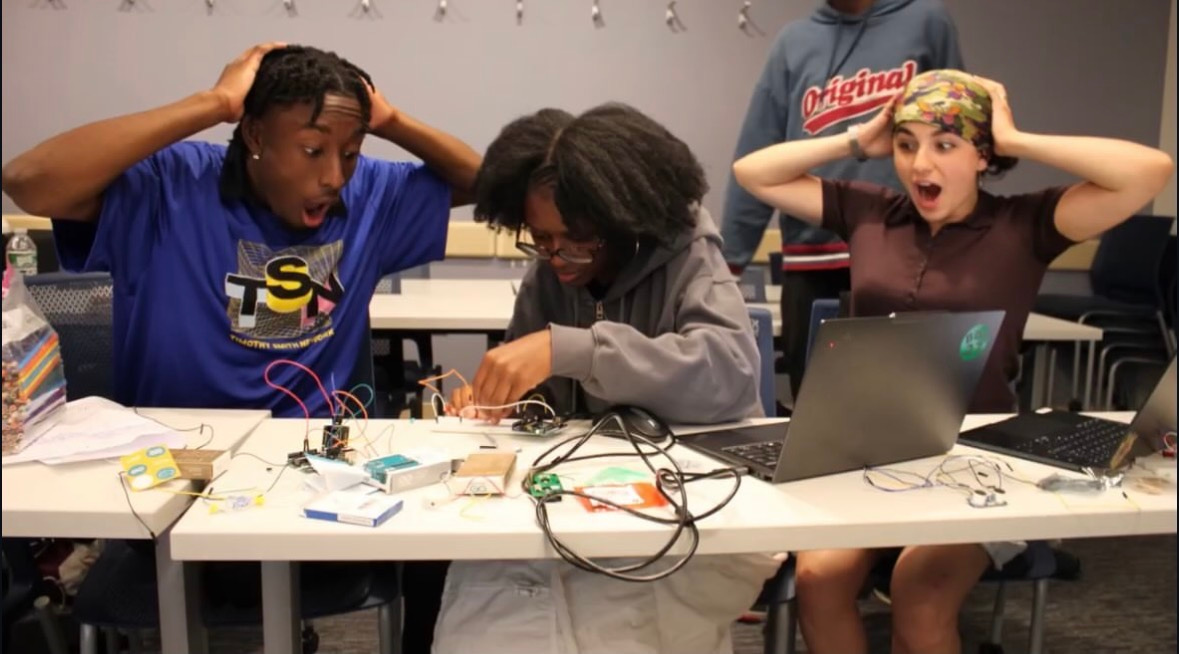
Thanks to the Boston Design Academy taking a chance on me, I can now say that this is no longer the case. Over the 2026 summer, I had the opportunity to join the Elevating Agriculture Technology (EAT) Program, which focused on supporting interns in designing a prototype that served the purpose of indoor gardening. For many interns, it was the first experience using technology to make one of their ideas come to life, thus enabling them to become creators and no longer only users of technology and digital tools.
As the instructor in charge of the Overview and Research module, my role was to shed light on the issues that created unequal food access in certain communities, such as food deserts, and to introduce them to the existing technologies in the field of indoor gardening, that could help to create more secure access to nutritional food.
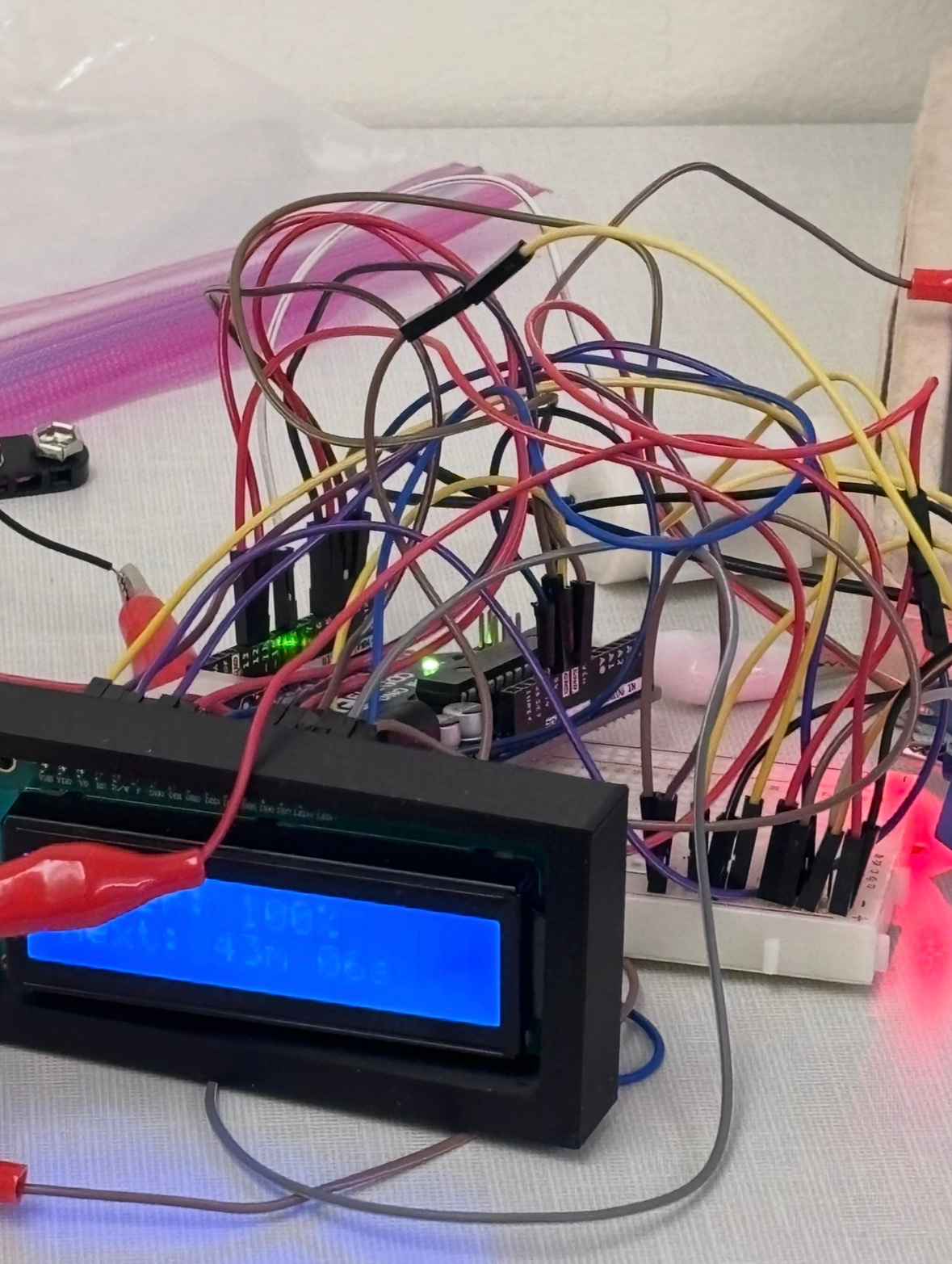
Aside from teaching my own module, I also had the responsibility of supporting my colleagues Kent Ng Zijian and Maria Ramadan in delivering their own respective modules in Computer Aided Design and Circuitry & Programming. To do so, with the support of my colleagues, I taught myself skills in Arduino circuit making, OnShape modelling, 3D Printing and laser cutting, to be able to support interns in their learning process.
The program culminated during the last three weeks, when interns devised their own prototype to improve the experience of indoor gardening for urban and possibly untrained populations. To achieve their goal in time for the showcase, they had to draw into all the research, circuitry, designing and programming aspects that my colleagues and I taught them, as well as rely on our support and guidance to select an idea that would be feasible and useful. Final projects included an aeroponics mist delivery system (Mistical Gardens), a water/insecticide dispenser (6-7 Defense), as well as an extendable solar powered LED lighting system (BriteLite) amongst others.
Aside from the production of a prototype to display during the showcase, our main hopes for the program were to introduce our students to what it means to be an engineer, and provide them with the space and the resources needed to develop the skills to be one. This included an aspect that surprised me : confidence. The entire summer was more about building the students confidence in their abilities than their technical skills, as this was a point on which they progressed very quickly and rather independently, motivated by their desire to achieve and produce something of value to their communities. Because of their young age and their lack of experience in terms of prototyping, many of our students faced issues in terms of self-confidence that made them paralysed in the face of difficulty and doubtful that they would succeed in producing a functional prototype.
To address this issue, I had to work on multiple fronts at the same time : firstly, I had to get them to trust me to have them be comfortable asking for help and opening up about their struggles, secondly, I had to get them to adapt their expectations and to understand that producing a prototype is very different from producing a fully functional and finished product. Lastly, I had to vocalize how proud and appreciative I was of them, and speak up against their attempts to undermine their own abilities.
Through this experience, I realised that one of the most insidious consequences of the existence of the digital divide and more largely any kind of inequity is that it reinforces the belief of the people suffering from it that they deserve to be. It makes them believe that the fact that they are left out is a consequence of a fault of their own, rather than the system.
I can say proudly that this is not the mindset our students left with, they now recognize themselves and each other as competent and deserving of opportunities, and armed with the confidence to seek opportunities for themselves and question systems that are unfair.
As much as I helped to build their confidence, they helped to build mine. I had never been in the position to teach a group of students before, much less students from cultural backgrounds that I knew very little from. It forced me out of my comfort zone to understand where they are coming from and pushed me to be better so that I may put myself to their service, as well as to trust myself so that they could take an example from me and trust themselves.
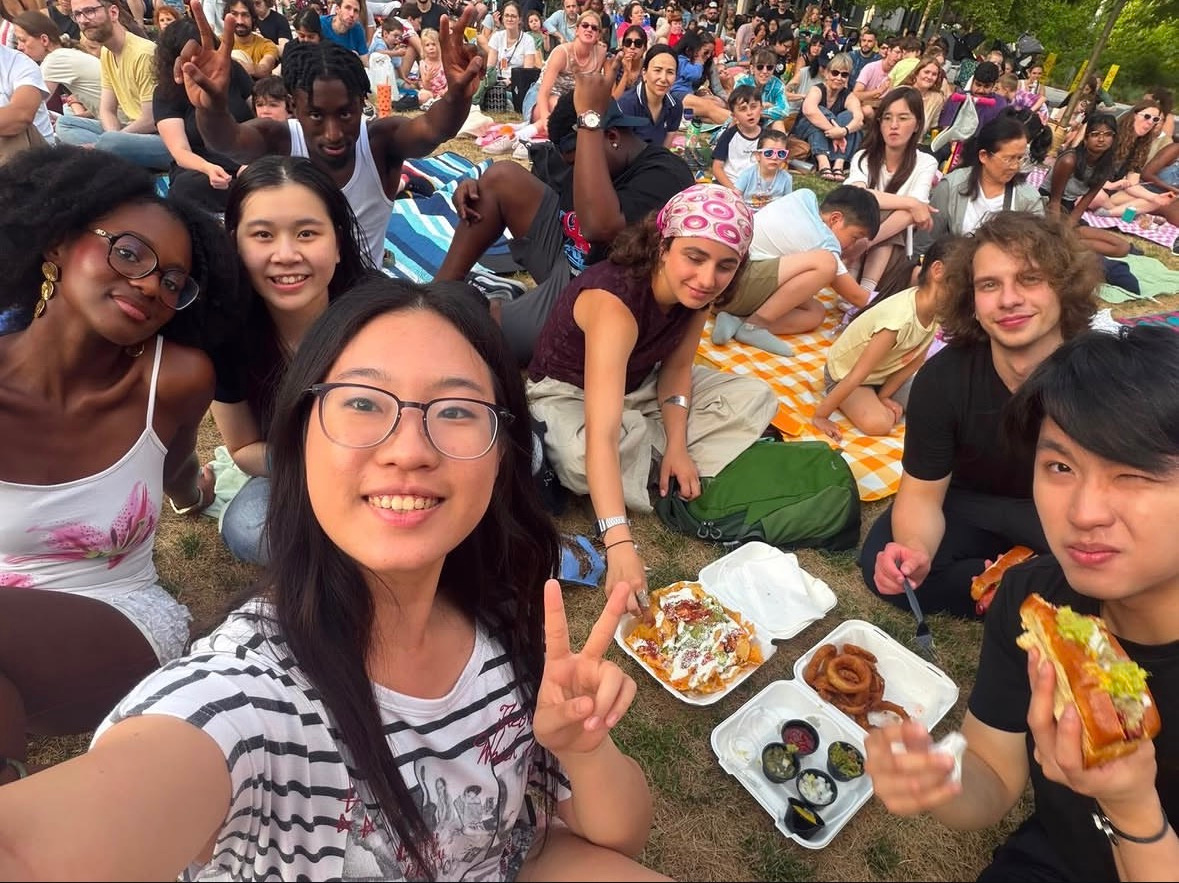
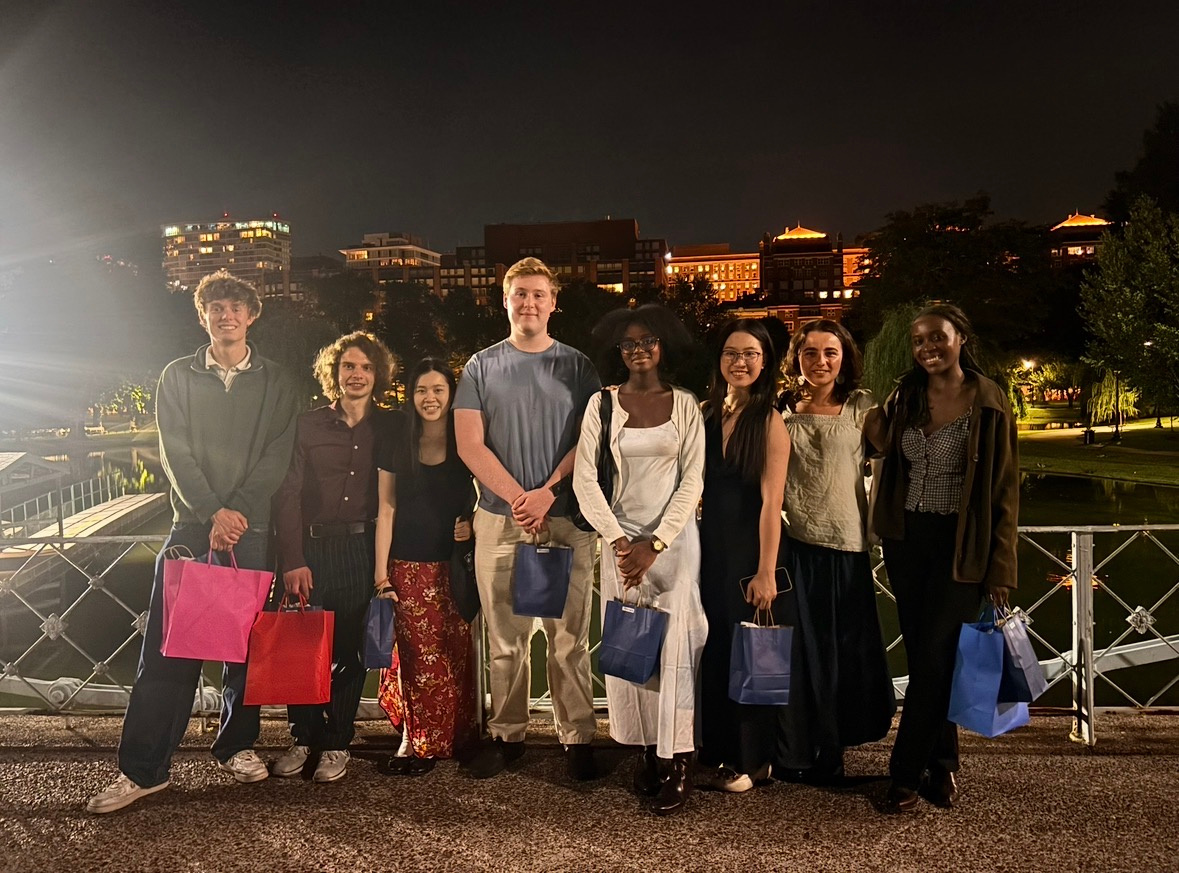
I faced many struggles during this LiA, as at times I felt unprepared, not competent enough, not clear on what the organization expected out of the students and of me but I was lucky enough to be surrounded by students who through it all remained willing to learn and progress, by other scholars with an unending commitment to put themselves in the service of others and support them, by a managing team that at the heart of everything had a vision for a more just future where technology is accessible to all and serves to better the lives of others. I leave my LiA convinced that as human beings, our lives are interwoven into a common fabric. Issues that affect another human being are directly issues that affect me, because we have a responsibility towards one another. We owe each other support, respect and love. Our existence only makes sense relative to the existence of others, as we can see the impact we have had on others mirrored in ourselves. I know I did some good during my LiA because I leave with newfound abilities, confidence and a heart full of love and memories around Boston, that are mirrored from everything I left my students, fellow scholars and managing team with.
I remain eternally thankful for this transformative opportunity, may its effect continue to shine in all of us who partook in it.
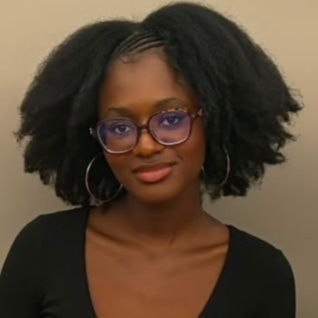
Hi there !
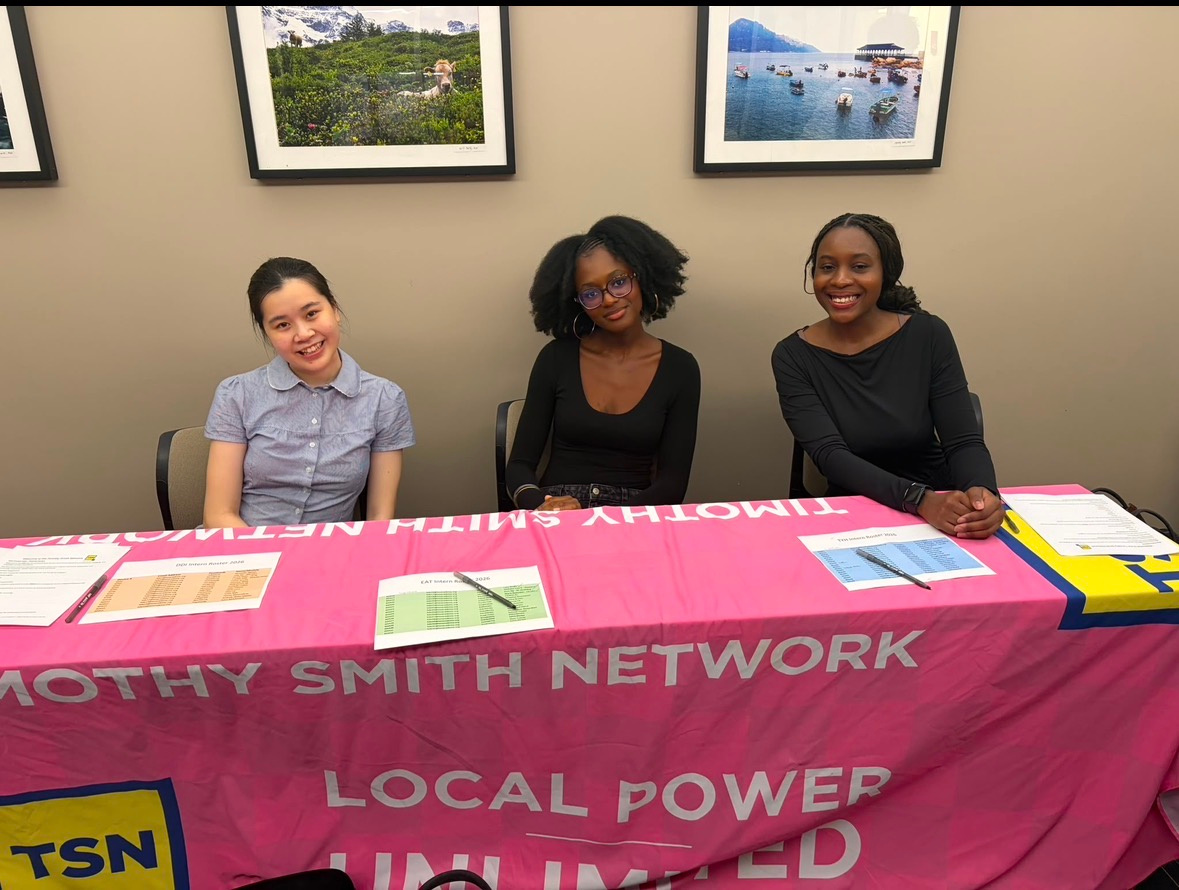
My name is Aminata and I am a third year Life Sciences Engineering Major at EPFL.
I am passionate about harnessing scientific progress to better people’s lives, and I hope to focus my efforts on rehabilitative technologies. I am confident that scientific progress is to be driven by the desire to create meaningful change, and that the Laidlaw experience is a fantastic mixture of both.
My interests include reading, watching roms-coms, and travelling.
Do not hesitate to reach out and/or connect, I'd love to hear from you :)