Field Journal - Week 4 🌎
As I head into the fourth week of my first summer as a Laidlaw Scholar, here are a few points of note following my experience thus far, and some adventures I have gone on:
1. I have coded through half of the Detainee Death Reports (DDRs) with a refined coding system. Reading through so many of these files, I have come across tragic stories of sons, fathers, and grandparents who experienced their end trapped in a punitive cycle of detention. With each file, I encounter a new story told only halfway through with medical jargon and legalese. Stories that raise questions, and likewise deserve answers I am urgently awaiting to deliver. The patterns I have identified just in the coding process alone are devastating, but likewise motivate me to continue this work.
2. It has been a heavy experience, and emotionally taxing to correlate such stories with 1s and 0s, so I have taken to journaling about key decedents whose stories make my heart sink, jaw drop, and urge me to take a pause. The difficulty with this project does not lie necessarily with the quantitative methods I am employing, but with the humanity I am approaching such methods with. Holding space for my experience as a person, not just a researcher as part of the process and not separate from it has been very crucial.
3. I have met with an MD-MPH for clinical perspectives on my coding process which have provided me new perspectives and angles for future study. I have likewise gotten familiar with the platform NVivo for qualitative analysis of certain components of my project.
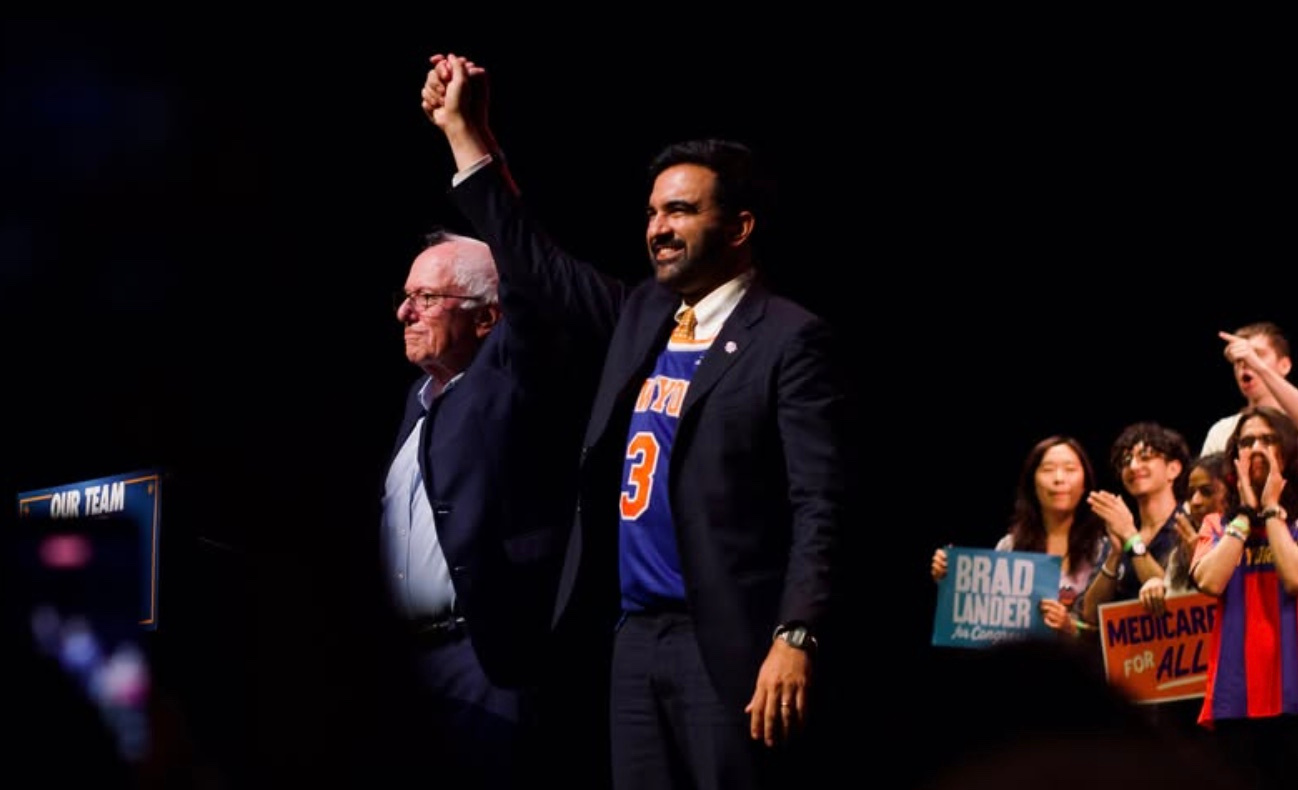
4/5. I took a dance class for the first time in a while, reconnecting with my passion for self-expression. I also attended a few political events including a Get Out the Vote Rally with Mayor Zohran Mamdani and Senator Bernie Sanders (pictured in the header). Politics are everywhere, and I hope to engage that principle to prioritize the applicability of my research.
1. While all Laidlaw Scholars will be presenting their research at the Columbia Undergraduate Research Symposium in the fall, what are the more immediate expectations that you have for your research? Are you writing a paper? Will your research be part of a larger scientific study? Do you hope to produce an annotated bibliography that you reflect on down the line? Is your research now the first phase of a project you’ll continue to work on throughout the year, and/or next summer? Now that we are nearing the one month mark of the program, please write about your expectations for your research.
The most immediate expectation I have for my research as we near the end of the program is to have a completed dataset characterizing the 113 Detainee Death Reports (DDRs) that I have been coding alongside almost 60 variables of interest. Additionally, I am working on generating a few graphs (including a social network map of sorts) utilizing the programming language R with my dataset to not only test the dataset's viability for analysis, but also to identify trends that may be hidden in the many variables I am coding for. This summer's work will serve as a sort of "Phase 1" for a larger study I am planning on pursuing. There are multiple future directions and angles for diving deeper into the DDRs to better tell the stories of these decedents. I hope that the work from this summer will lay the groundwork for interpreting patterns in relation to ICE detention that may be applicable to informing policy in the near future through a public health lens.
2. Why does your research matter? Explain the significance of the question you are investigating, and why you are interested in it.
My research matters because there are immigrant communities nationwide that are terrified of their government. Terrified of the tragedy that comes with being held in ICE detention that exacerbates preexisting medical asymmetries in our undocumented communities. My research investigates patterns through a minority health framework that may arise from the multifaceted life-course nature of detainees who lost their lives in ICE detention. I am looking to characterize such asymmetries with government data to flip the script on the narrative that immigrants are powerless with facts rooted in an understanding that is already echoed in the literature: immigrant health is at risk because of social and structural factors that must be acknowledged. As a Mexican-American who knows of the fear reverberating in our communities, I am moved to use research as a form of advocacy. This work is my first step in building out that vision.
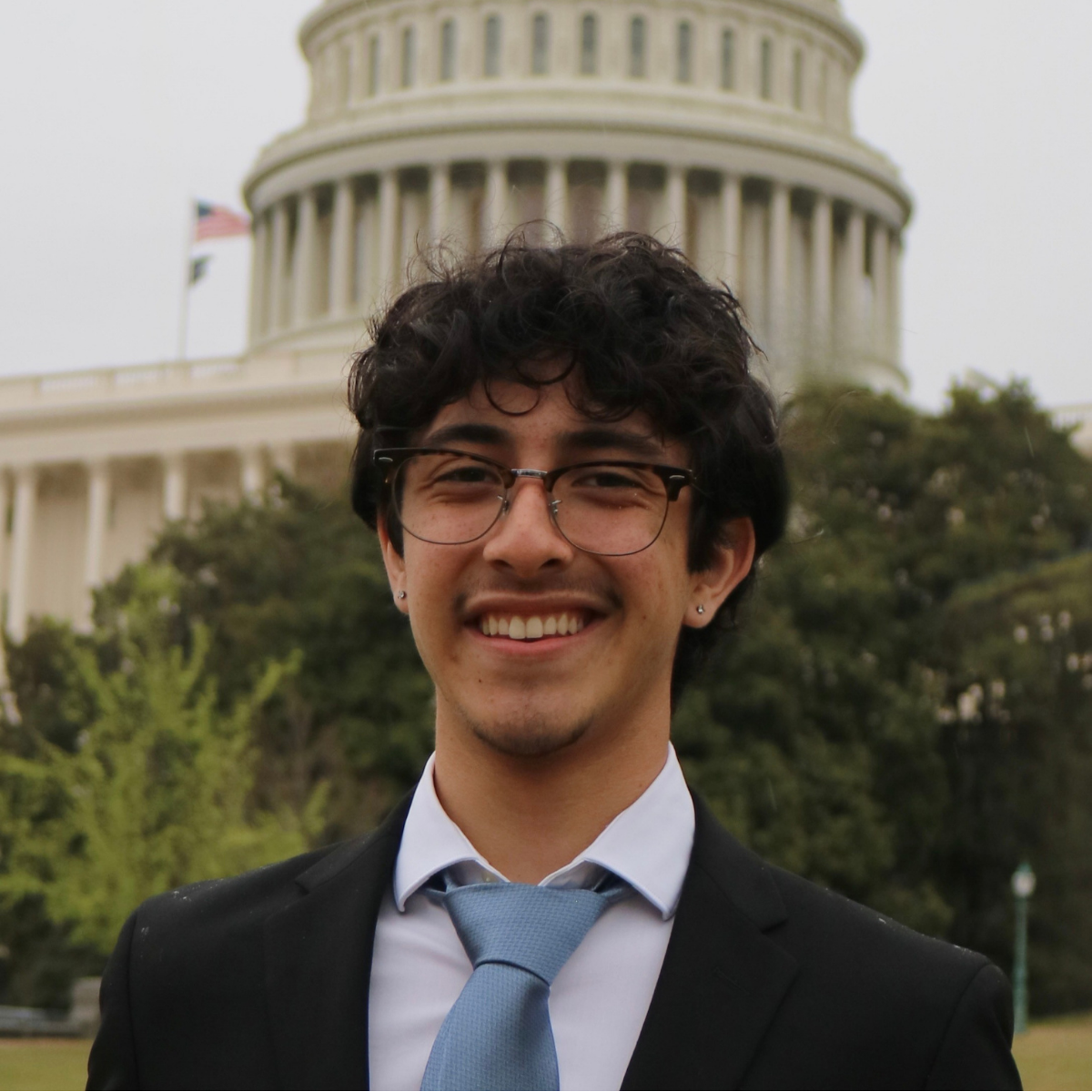
Hello! My name is Christian Rebolledo, a rising sophomore in Columbia College at Columbia University studying Political Science and Medical Humanities with a Special Concentration in Public Health. I am passionate about intersecting the worlds of public health with political advocacy: people are social, and thus political. I am passionate about community building, civic engagement, and building systems for the next generation of leaders across disciplines.
For my first summer as a Laidlaw scholar in the 2026 cohort, I will be characterizing postmortem data from ICE detention centers to identify trends across factors relatd to social determinants of health. I look forward to uncovering the quantitative facets of qualitative reporting currently populating the literature on carceral justice and public health.
![[LiA Poster] The Human Cost of the Green Transition: Indigenous communities and the Critical Minerals Rush in Australia](https://images.zapnito.com/cdn-cgi/image/metadata=copyright,fit=scale-down,format=auto,quality=95,width=256,height=256/https://images.zapnito.com/users/877945/documents/326599/53035ac0-e8bb-4695-bcc0-db0d93e2dad9-med.jpg)