Field Journal: Week 3
- How have the workshops and discussions on leadership this week changed your understanding of what leadership means?
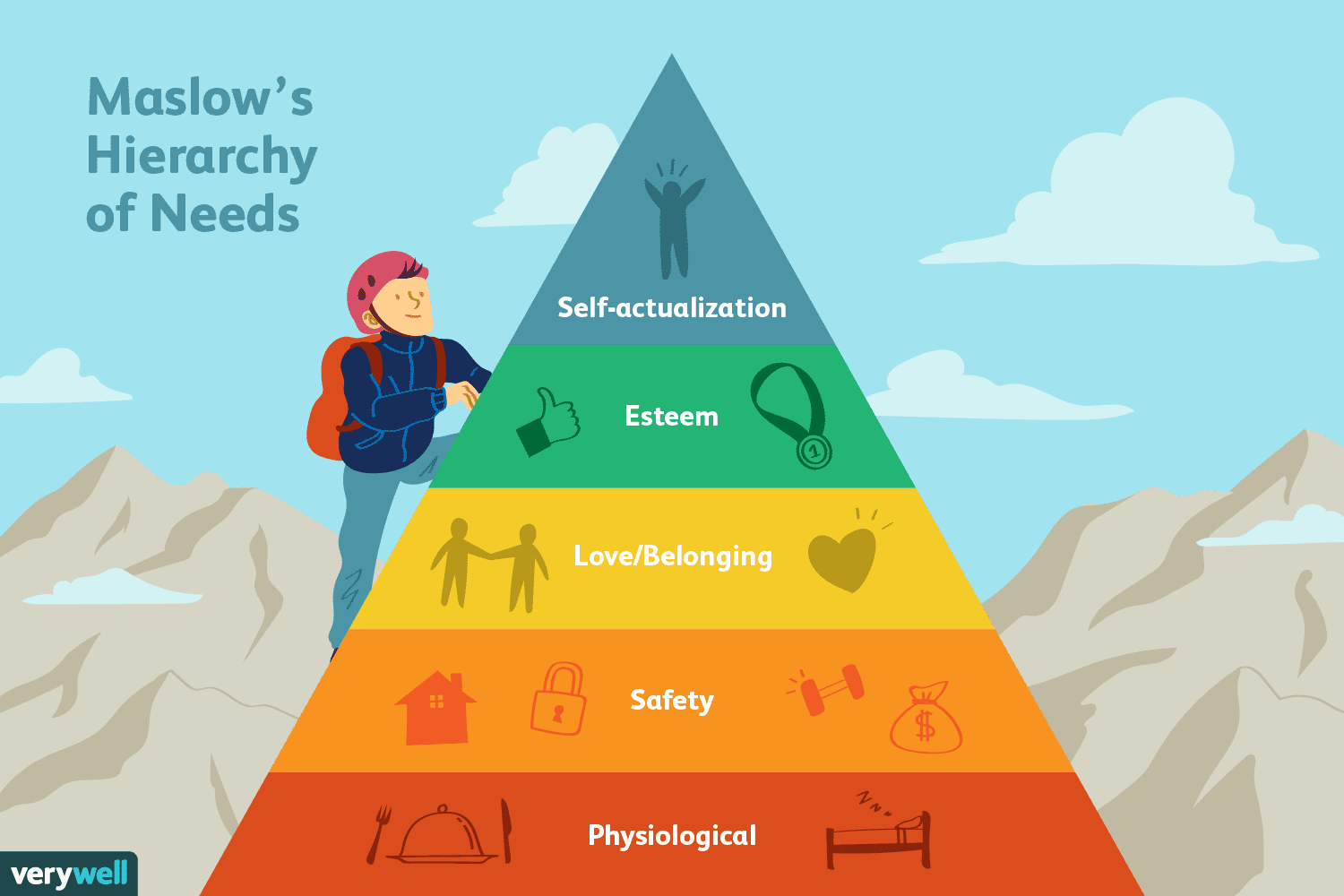
During the leadership workshop, I realized that motives often drive behaviors in ways we can't always see. I already knew that different people want different things, and as a result, need different systems to feel supported, but I had never truly considered what happens when these motives and systems conflict with each other. Ellis' need for processing time and thoughtful work might feel like a hindrance to progress to Rowan, who just wants to get things done fast. With this in mind, I thought more about how I could assess the needs of the groups I lead to better serve us all. This, of course, began with some introspection on my own values, motives, and tendencies, which were quickly revealed with the test we did as a group. With this information, I feel much more empowered to make more equitable and people-centered decisions as a leader.
2. How might you imagine applying one model of leadership during your Laidlaw summer on campus—either within the Laidlaw cohort or beyond this community? While we often associate leadership and leaders with seniority, how might leadership be modeled among individuals who are among the youngest people on campus (i.e. you!)?
One model of leadership I can imagine applying this summer is adaptive leadership. Throughout the workshop, I was struck by the idea that leadership is not always about having the answers, but about helping a group navigate competing needs, values, and challenges. As someone who is still relatively new to many of the spaces I occupy on campus, I do not have the seniority, expertise, or institutional knowledge that some others do. What I do have, however, is the ability to ask questions, listen carefully, and help create conditions where people can contribute their perspectives.
Within the Laidlaw cohort, I hope to practice this by paying attention to moments when people may be approaching a problem from different motivations or assumptions, much like we discussed in the workshop. Rather than trying to push the group toward a quick solution, I want to make space for reflection and conversation so that everyone's needs are considered. Beyond the cohort, I think leadership among younger students can be modeled through initiative and care rather than authority. We may not hold the most formal power on campus, but we can still influence the culture of the communities we are part of by showing up consistently, supporting others, and being willing to take responsibility when something needs to be done. This week reinforced for me that leadership is less about position and more about how we engage with the people around us.