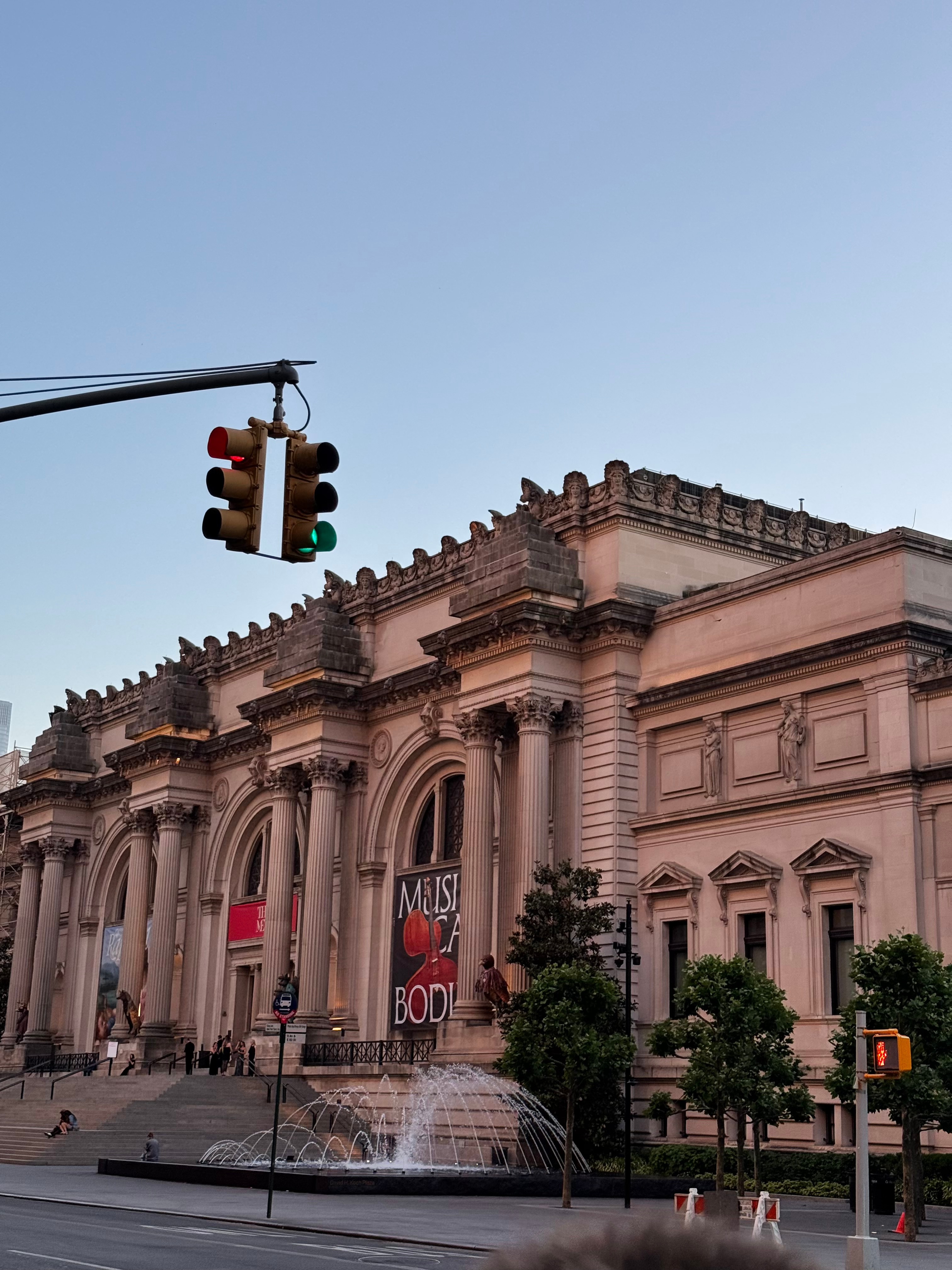
*Cover picture featuring the Met Museum which we passed on our way to watch the Knick's game in Central Park!
- What are some of the ethical issues that you are grappling with in your research? What are some of the ways in which you are responding to these questions?
This past week, I watched my lab mentors sacrifice and harvest the ovaries from about 15 baby mice, each around the size of a sesame seed. I wondered aloud whether they or other lab groups were able to use different organs in the mice in order to repurpose them. The answer was no, as I found out that each lab and individual experiment is so specialized that it is a rare occurrence where mice can be used beyond one purpose -- or organ, for that matter. I thought about how using mice for multiple purposes was deemed inconvenient, as it would require the extra step of coordination between different lab departments. Learning about this made me question how science often takes a precedence over animal welfare, and made me more attentive to the ethical framework surrounding animal research. My initial strategy for dealing with these emotions surrounding both animal research and, in the broader scope of medicine, patient care, was to detach myself from the issues at hand. Yet, I realized that being a true scientist means not just following protocols, but questioning them and examining whether they can be improved.
- As you continue your research, have you considered alternative viewpoints in your investigation? If so, how have these alternative viewpoints enriched or changed your project?
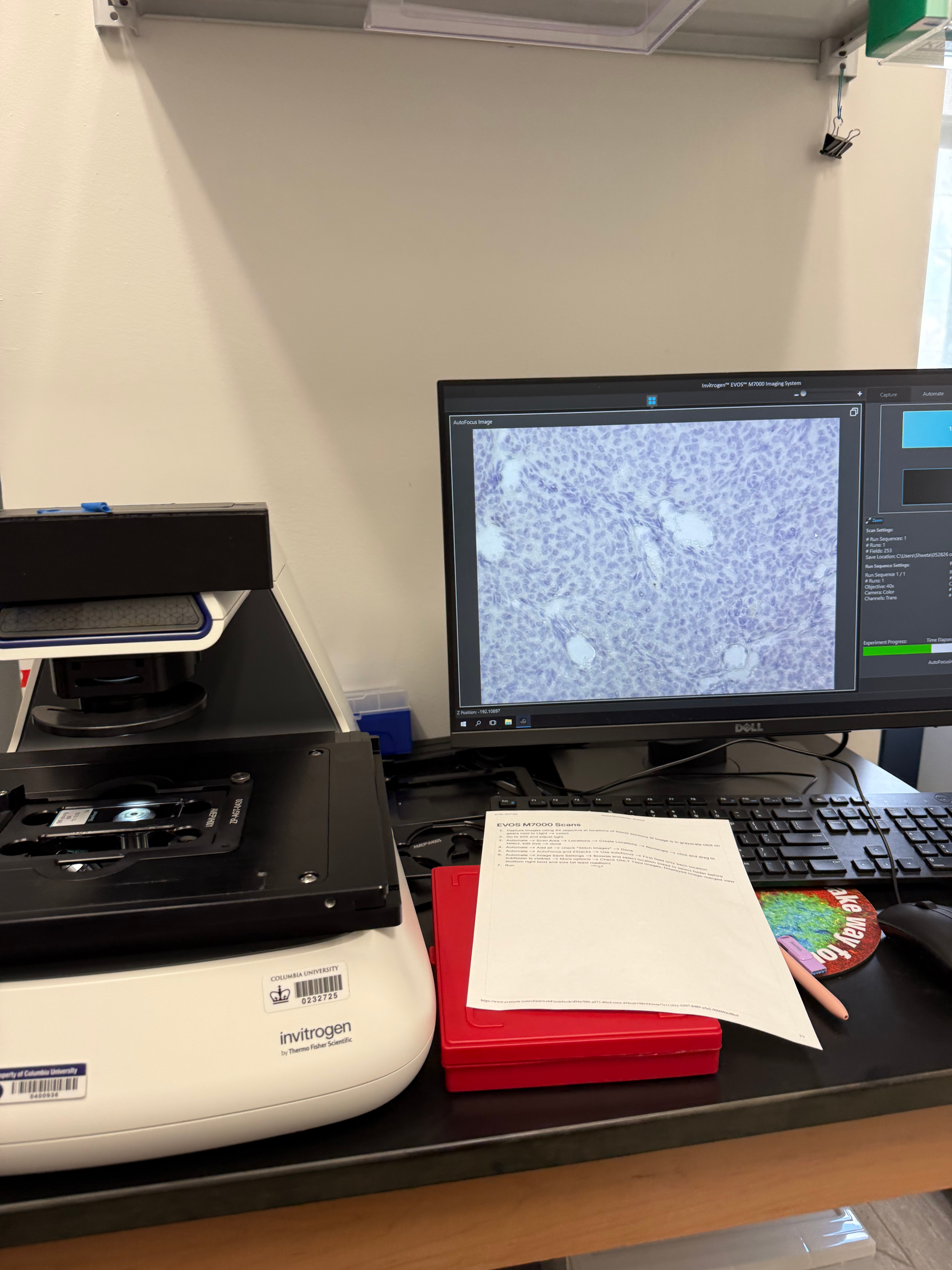
Being in New York over the summer and working full time in the lab means I feel, for the first time in my life, like a true adult. It means I have the freedom to decide my own path, work at whichever pace I decide, and grapple with and solve issues individually. As I have started to embrace this independence, I have also become more attuned to the lifestyles and workflows around me. I see how postdocs and PhDs in the lab acknowledge their mistakes, then fix them, question their own assumptions, and continuously refine failed and even successful experiments. Observing and immersing myself in this culture of self-correction and continuous self improvement has changed the way I approach and acknowledge my ongoing project. Initially, I figured that efficiency was key; on Monday, I had over 30 tissue samples to image, each which take 10-15 minutes. I hoped to run through every image one after another, but after repeatedly running into issues with the machine (blurriness, bad lighting, or debris covering the sample), I shifted my approach and slowed down my work-pace. My lab mentor's meticulous questioning and re-questioning of her methods showed me how lab experiments require not just adequate, but the best possible versions of work. After that realization, I began not just imaging, but experimenting with different microscope scales and resolution qualities to find which would produce the clearest possible images, in order to make imaging analysis as efficient and accurate as possible.
Where does your research take place? Take a photo of the place where your ideas and investigations are taking place, and post it to the Network!
My research is taking place at CUIMC and I also get to do some imaging analysis from home! I spent my day yesterday in Butler but would love to visit some new study spots -- maybe the NY public library or the Natural History Museum!
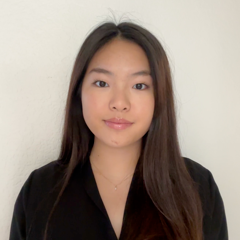
Hello! My name is Lauren Suh and I am a rising sophomore at Columbia University from San Diego, California. I am majoring in Neuroscience and Behavior on the pre-medical track and plan to minor in Music (I play the flute!).
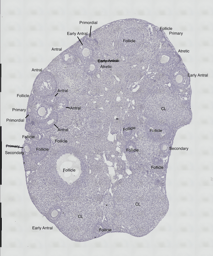
This summer, I will be working at the Columbia University Irving Medical Center under the supervision of Dr. Yousin Suh. My research project delves into ovarian aging, a critical marker of systemic body aging as one of the first organs to exhibit signs of aging. I will be researching whether DNA Helicase B, or HELB, delays or impacts ovarian aging.
I love yoga, running, thrifting, and baking! I am hoping to learn pottery this summer, so please reach out if you would like to join!