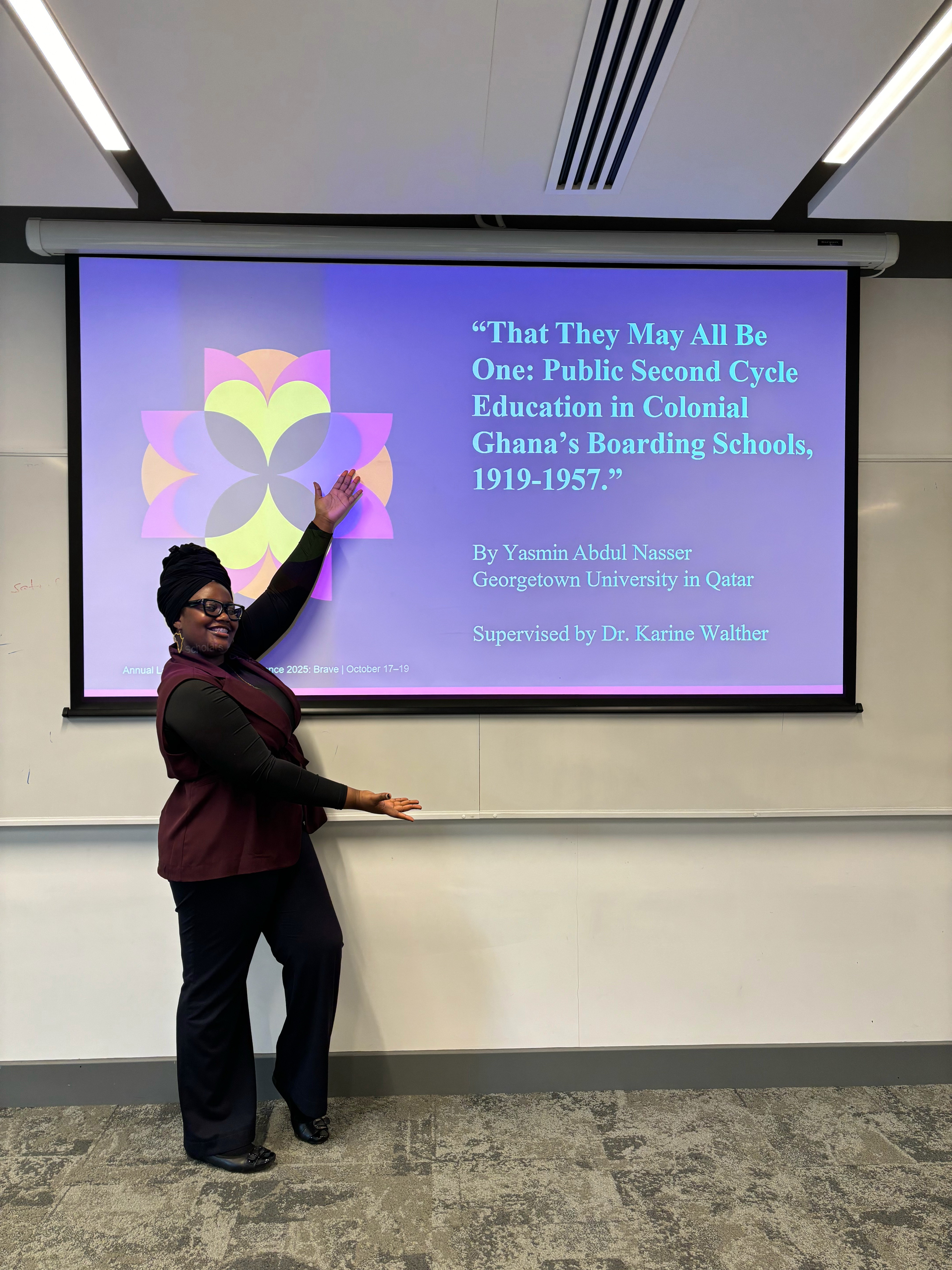
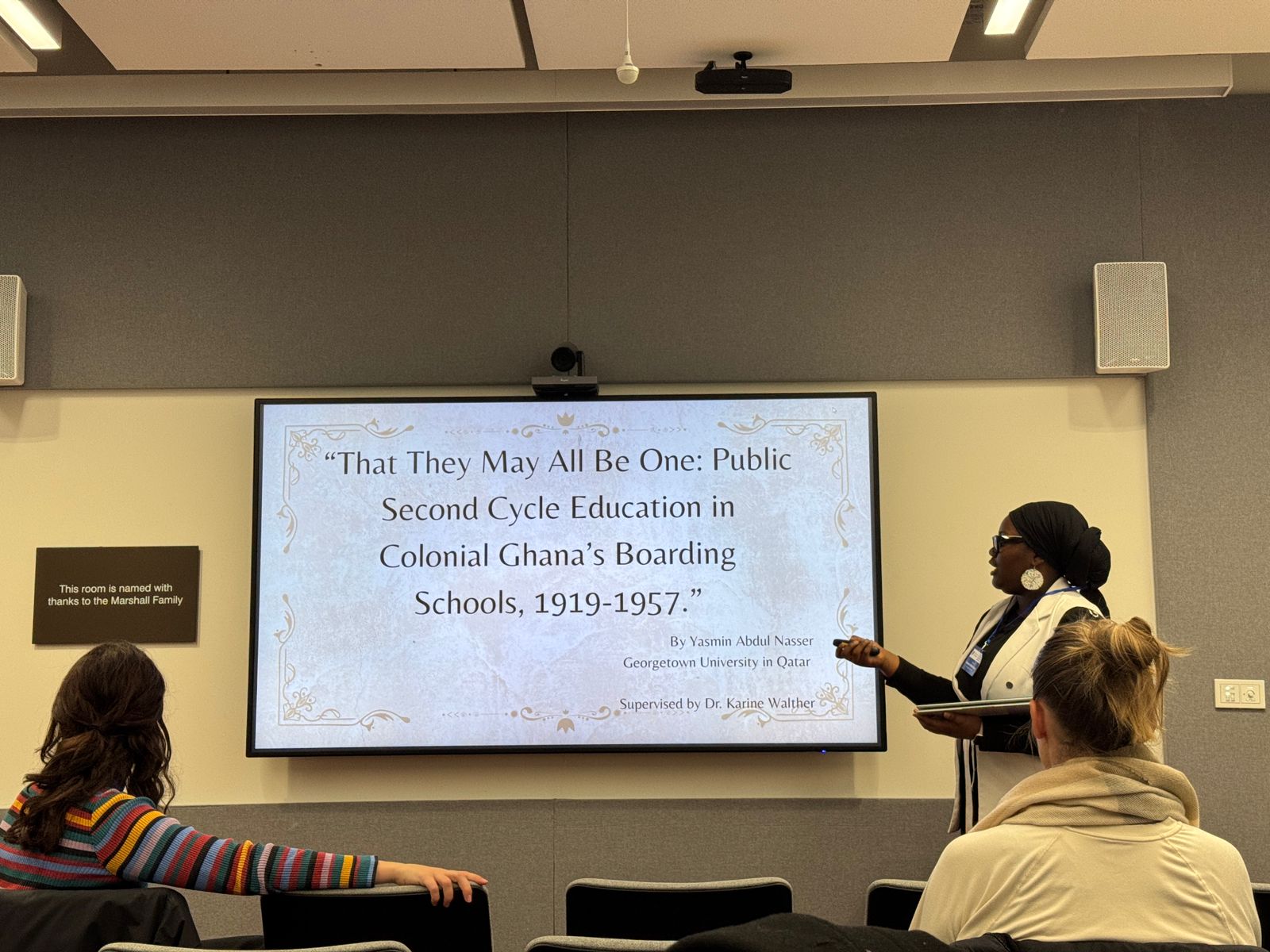
My Laidlaw fellowship experience has been nothing short of delightful and rewarding. I have grown over the two years, from my research summer to my LiA summer. I have met countless people from different universities. It has been a great networking opportunity to learn from one another. My research experience first challenged me to think more critically about how knowledge is produced. My research on public second-cycle education in colonial Ghana required me to engage with archival materials and examine how colonial officials and educators understood education, discipline, and character formation. Achimota School as my case study proved that educational institutions have a historic legacy rooted usually in Empire. Institutions reflect particular ideas about what knowledge matters, what qualities a student should develop, and what society should look like. This encouraged me to become more critical of the sources and assumptions underlying the arguments I encounter, including my own. I had a lot to learn in the Bodleian and Cambridge Libraries
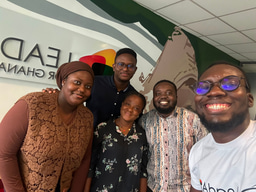
My LiA summer extended this lesson beyond the archive and into contemporary Ghana. At Lead for Ghana, I encountered educational inequality not only as a research topic but as something experienced by educators, students, and communities. Travelling to the Ahafo Region and participating in discussions with headteachers and gender coordinators particularly challenged my assumptions about what educational inequity looks like. This experience reinforced the importance of social and cultural awareness, which had been one of the Laidlaw attributes connected to my original goals.
Going forward, I want my understanding of global citizenship to be reflected in how I work, not only in the issues I choose to study. I will continue to approach communities with humility and resist the assumption that external expertise is automatically more valuable than local knowledge. I also want to remain committed to ethical research by representing people's experiences carefully, acknowledging the limits of my own perspective, and being transparent about the conclusions I draw. In professional settings, I hope to lead through collaboration and to use the opportunities available to me to create space for marginalized people whose experiences are often excluded from decision-making. Ultimately, the Laidlaw fellowship has given me more than research experience or professional exposure. It has given me a clearer sense of responsibility and clarity in the interests I want to pursue.