Buen Vivir, Buen Conocer: Week 1 in Medellin, Colombia
Week 1 in Medellín: Learning to Live Well, Know Together
I came to Medellín expecting a case study; I found a living, breathing classroom. Week 1 of my Leadership‑in‑Action project with Platohedro was deliberately slow and immersive: less “outputs”, more walking, listening, and feeling what it means to live and create in this city.
Meeting Medellín from the sky
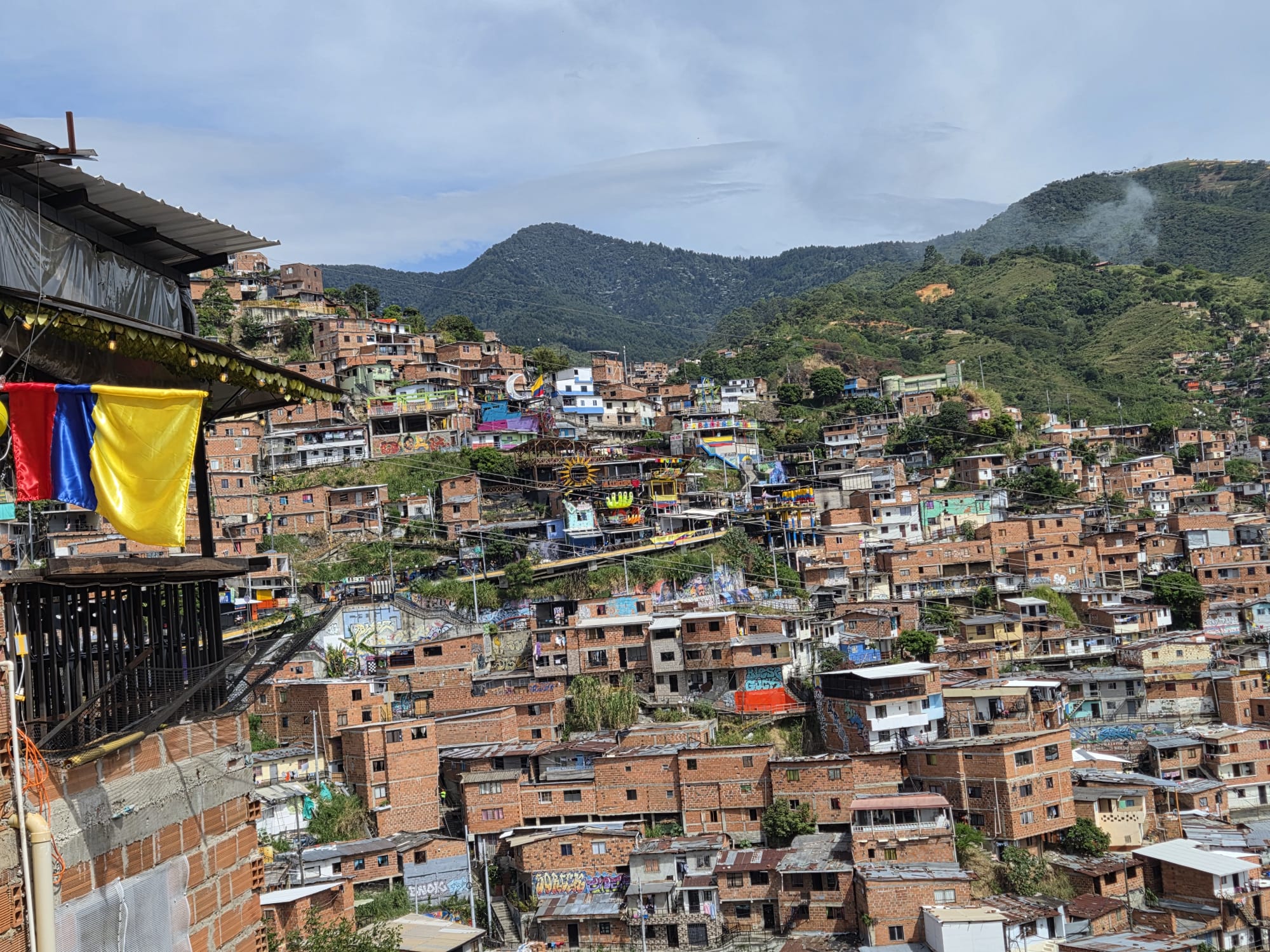
Medellín is the only city in Colombia with an integrated metro system, and people are genuinely proud of it. The trains run through the valley, and then the lines rise into the hills as cable cars, connecting neighbourhoods that were once physically and socially isolated from the centre.
Riding the Metrocable in my first days felt like being briefly invited into the city’s daily choreography: school kids, workers, families with shopping bags – all sharing the same suspended route between mountain and valley. It’s public transport, but also a quiet statement about dignity and access: infrastructure built not just for efficiency, but for equity.
Joy and hardship in the same frame
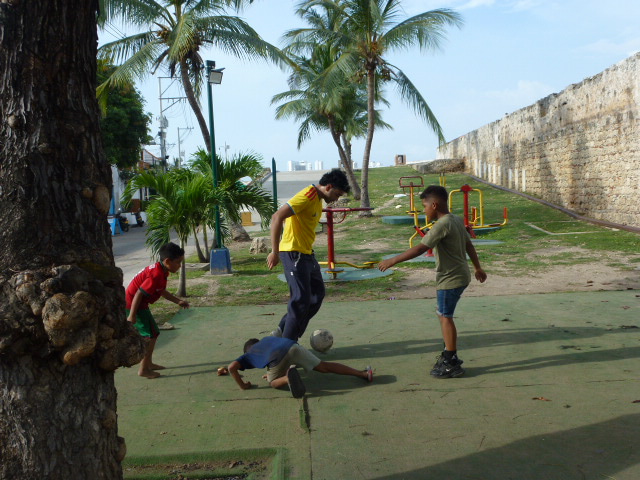
What stayed with me most this week was how joy and hardship coexist. Many of the people I met carry stories of displacement, violence, or economic insecurity; some live in neighbourhoods that have experienced deep structural neglect. Yet the emotional tone was rarely heavy or hopeless.
In conversations and shared meals there was humour, stubborn happiness, and an everyday decision to keep living fully – to work, to love, to make plans, to show up for community events even when conditions are tough. Resilience here isn’t an abstract concept; it looks like neighbours tending gardens, young people rehearsing in small studios, and families choosing to stay engaged in collective projects instead of retreating into survival mode.
First steps inside Platohedro
In this context, Platohedro feels like a micro‑universe of what Medellín and Colombia can be at their best. It is a non‑profit, collaborative creative platform dedicated to artistic experimentation, free culture, and self‑learning, grounded explicitly in the Andean philosophies of Buen Vivir (“living well”) and Buen Conocer (“knowing well”).
Buen Vivir here is not about individual comfort, but about collective wellbeing: reconnecting mind, body, and territory, and nurturing relationships that make life more just and more joyful. Buen Conocer is about open, shared, participatory knowledge – culture libre – where learning is communal, and information is something to be liberated rather than hoarded.
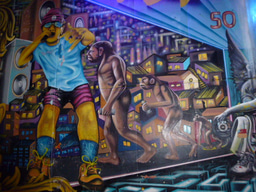
In my first week, I mostly observed my surroundings tried to be aware of the city's hardships and befriended my colleagues and local people: going to the Museum of Antiquoia, participating in the local bazaar, trying local food, watching how people have the will to function with utmost happiness. Platohedro’s walls hold murals, slogans, jokes, and memories; they make it clear that art here is not decoration but a working tool for social transformation and everyday healing.
Immersion as the first “deliverable”
It would have been easy to turn Week 1 into a checklist: X meetings completed, Y documents read, Z stakeholders mapped. Instead, I treated immersion itself as the first deliverable. That meant:
-
Letting conversations run beyond “project talk” into families, histories, and dreams.
-
Walking the neighbourhood with no rigid agenda, noticing informal economies, street music, and how public space is claimed and protected.
-
Observing how Platohedro hosts children, youth, artists, and neighbours with equal seriousness and warmth.
This slower rhythm taught me that any crowdfunding or donor strategy we design has to start from these lived realities: the metro and cable cars as symbols of a city trying to move together; communities balancing immense hardship with everyday joy; an organisation that sees Buen Vivir and Buen Conocer as practical principles, not slogans.