The most junior person in the room: lessons in influence
Preview
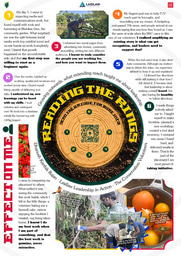
I chose this project because I had been one of Zero Gravity's mentees. In sixth form, two mentors - both LSE Laidlaw Scholars - gave me the confidence to apply to LSE and to this scholarship. Joining the corporate partnerships team meant returning to an organisation I had been a beneficiary of, this time as someone building the programmes.
Over six weeks, I worked on the GSK STEM Mentoring Programme, supported the KPMG and Rolls-Royce cohorts, matched NEET graduates with Kier Group mentors ahead of September applications, and assisted at corporate events with Snap Inc., HSBC and Ashurst Perkins Coie. I also co-hosted a podcast with colleagues from Lloyds Banking Group on graduate versus apprenticeship routes, and built tailored resources the team still uses.
The part I found hardest was learning how to express my views. For the first three weeks, I said almost nothing in team meetings unless prompted. Mid-point feedback telling me to be more proactive changed that. What followed was the most useful stretch of the project: using the presentation approach from one of our Laidlaw training days to present directly to the organisation's founder, and winning the company-wide AI hackathon with an agent I built in Claude Code. My proudest moment was being selected by senior management to sit in a focus group where I was the only person present who had used the platform as a student, and where my experience shaped changes to the platform's design.
The lesson I'd pass on to other scholars is the difference between advising and criticising. As the most junior person in the room, I had to learn to frame what I knew as evidence rather than opinion, and to think about who was best placed to carry an idea and when. Sometimes it worked better to pass on my ideas to someone in my team to express, rather than speaking out myself as the most junior in the room. Ultimately, all that mattered was that the programmes were shaped to better support students.
With thanks to the Zero Gravity team, the Laidlaw Foundation, the LSE Laidlaw team and LSE Careers. My poster is attached, with more behind the QR code. Feel free to get in touch if you have any questions! :)

LSE Laidlaw Scholar & Champion
Hi, I'm Alyssa - an second-year undergrad at the LSE studying Social Policy and Politics! For my Leadership in Action project, I spent the summer at Zero Gravity, a social mobility organisation, leading a STEM mentoring partnership with GSK and matching mentees across a few other corporate programmes. Zero Gravity is the reason I made it into LSE - I was one of their mentees in sixth form, so working on the other side of the platform meant a lot to me. I'm interested in consulting, social mobility and widening access to education. Always happy to chat to anyone thinking about a similar path, or just in general! :)