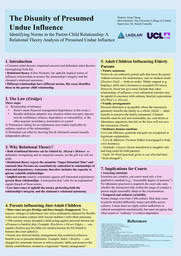
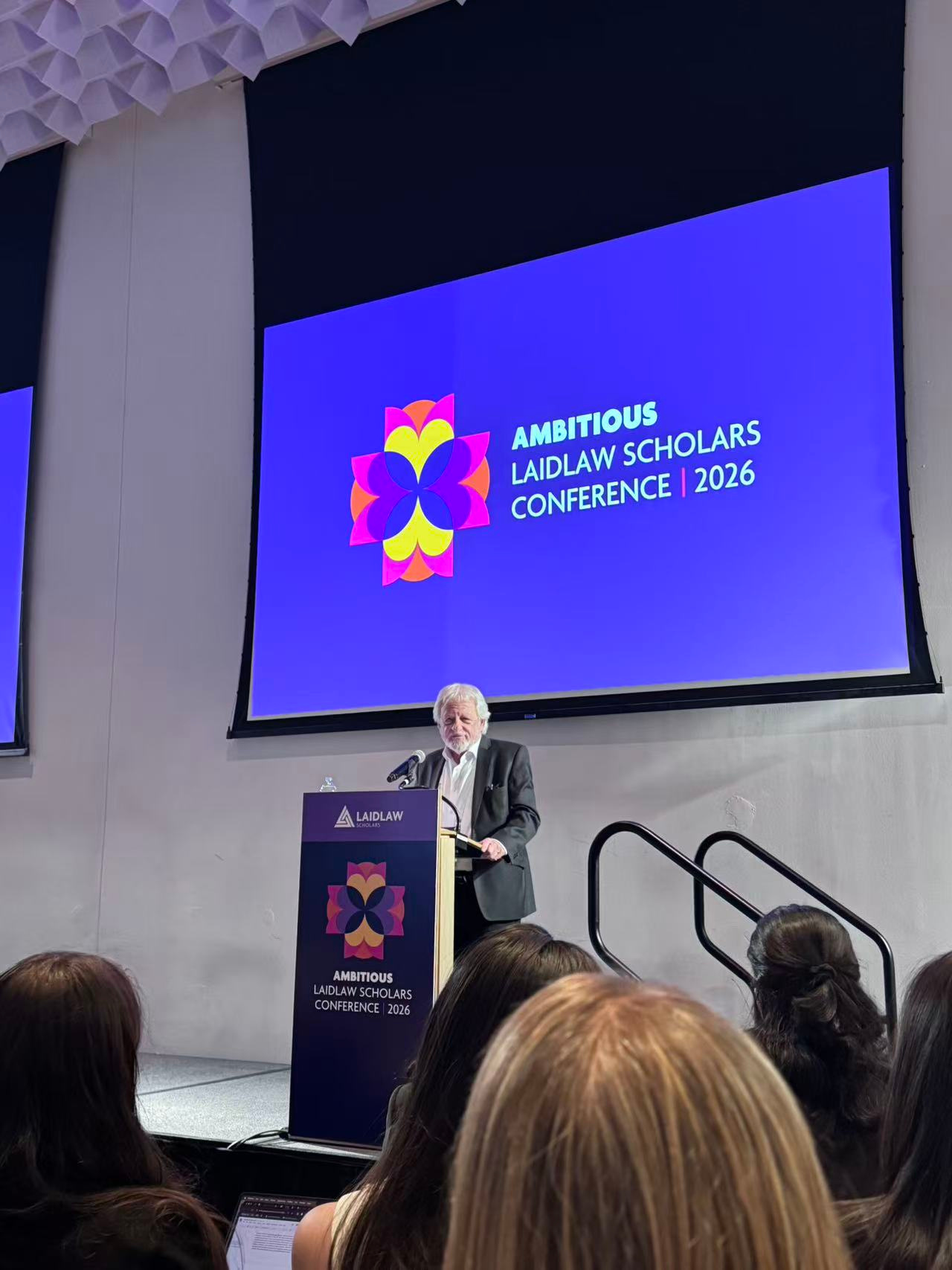
In his keynote at the 2026 Laidlaw Scholars Conference in New York, Professor Stuart Firestein spoke about what scientists can learn from an experiment that fails. A result that upsets a researcher’s expectations can reveal a weakness in the question they started with and suggest a better one. As a law student, I spend much of my time learning to defend a conclusion. What stayed with me about Complicating Ambition was the thought that intellectual ambition also requires a willingness to reopen a question I believe I have settled.
That idea brought into focus something I have been learning throughout the Laidlaw Scholarship. When a group looks to someone for direction, there is a temptation to give a confident answer before the problem is fully understood. I now have more respect for the person who can explain what they know, acknowledge where their judgement is provisional and still help the group decide how to proceed. In the language of Laidlaw’s 3Cs framework, I see that as a matter of character. It takes humility to admit that my understanding is incomplete and resolve to make a decision when some uncertainty will inevitably remain.
The conference also gave me a chance to put some of those ideas into practice. During the Mikva Challenge, my group considered how students could participate more effectively in school administration. We proposed bringing students and teachers together over tiramisu, using an informal conversation to make it easier for students to raise concerns. Our idea was selected as the strongest proposal, and we presented it in a one-minute pitch. The exercise drew on capacities I want to keep developing, particularly the ability to work across different perspectives, agree on a practical proposal and explain it clearly under pressure.
The pitch ended after a minute, but one question has stayed with me. If a student takes the risk of speaking candidly to a teacher, what should the school do in return? I would want students to hear how their suggestions were considered, what changed as a result and why some proposals could not be adopted. That is where Change Maker Values become concrete for me. Inviting people into a decision creates an obligation to take their contributions seriously and account for what follows.

Working alongside Scholars from different educational and cultural backgrounds also made me more attentive to the assumptions I bring from Hong Kong. My legal training leads me to ask who has authority, what rules govern a decision and which procedures are available. Those questions tell me a great deal about how an institution is designed. At the conference, I found myself asking more often how it feels to deal with that institution in practice. An informal invitation to disagree with a teacher, for example, may feel quite different to students depending on what they have learned to expect from people in authority. I have come to understand a global mindset as the habit of asking about those differences before assuming that an idea will work the same way elsewhere.
I want to carry that habit into my legal studies and future practice. When I compare approaches across jurisdictions, I will look at what makes each approach work in its own setting and seek out perspectives that the formal sources may leave out. When I help lead a project, I will ask for input while there is still time for it to influence the decision. I will also explain the reasons for the eventual choice and remain willing to revisit it if the outcome gives us reason to do so.

Firestein’s keynote left me thinking about how often progress begins with a better question. The one I brought home from New York is one I expect to keep asking in my own work: who could help me see this problem differently, and have I given them a real opportunity to do so?