
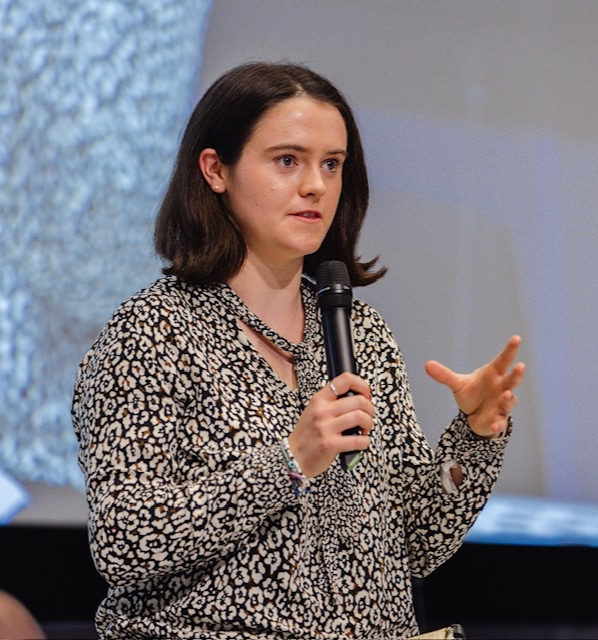
Hello, My name is Anabel O’Hora, I am a Junior Sophister in European Studies at Trinity College Dublin, currently studying at SciencesPo, The Institut d’études politiques de Strasbourg.
My Summer One research was concerned with examining the level of Education for Sustainable Development (ESD) in the native language learning environments of Ireland and India. It was discovered that learning through native languages greatly enhances educational outcomes. Following further research the necessity of creating an ESD toolkit and making it accessible to all those making up our youngest generation was clear. It is hoped that this project may, in a small way, identify a void in the efforts being made to meet the Sustainable Development Goals (SDGs) and attempt to fill this space, with education, optimism and a more sustainable future.
The toolkit shall continue to be developed in the coming year. The toolkit shall first be put in practice in an Irish language learning environment. Following this and potential modifications. It will hopefully be put into practice in the Benegal region of India. Neither Gaeilge (Irish) nor Bengali are official UN languages, and do not receive formal dissemination of educational material. Putting the toolkit into practice in both of these differing learning environments, will pave the way for final examination of the toolkit and its efficacy in native speaking regions. The culmination of this research, toolkit development and in-field application is to create a tested adaptable educational toolkit suitable for worldwide implementation.
I am passionate about sustainability, having been a member of the National Youth Assembly of Ireland and the Children and Young People’s Assembly on Biodiversity Loss, amongst other advocacy groups. I also am an avid member of many choirs, dramatic societies and a committed member of my university rowing team, Dublin University Ladies Boat Club, just a few of the many parts which make up my life. I would love to connect with fellow scholars and alumni. If you would like to discuss research, sustainable development or the future, please get in touch!

Kate Ivanchenko
Student Employability Officer, Laidlaw Programme Coordinator, Trinity College Dublin
I am the Programme Manager for the Laidlaw Scholars Leadership & Research Programme at Trinity College Dublin. Before joining the Careers and Development Service at Trinity College Dublin, I have been looking after a portfolio of open enrolment short executive education courses at Trinity and have over 10 years of experience in admissions, event coordination and higher education management across Ireland, United Kingdom and Ukraine.

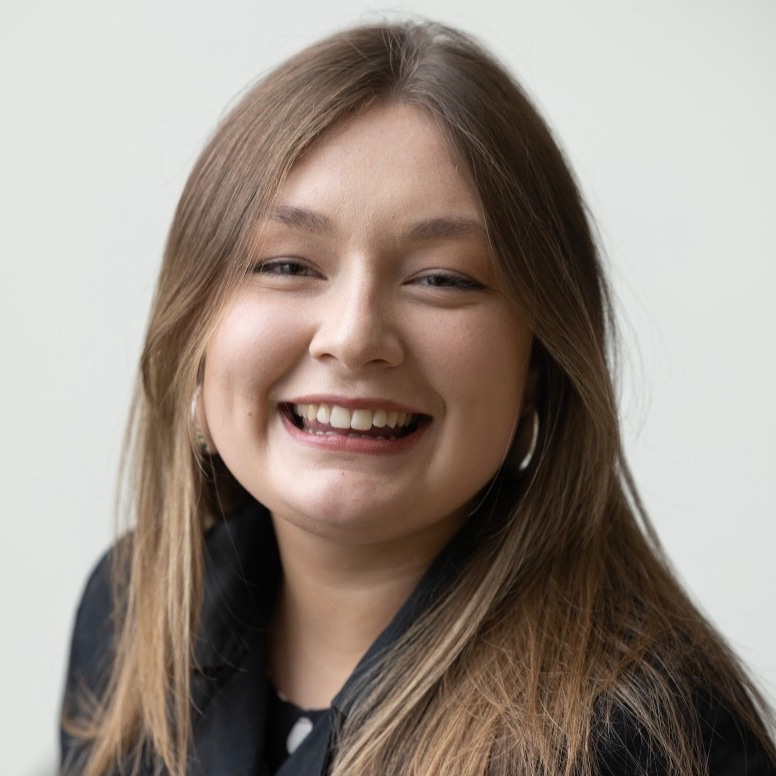
Hello! My name is Lily and I am a 2nd year Psychology student at Trinity College Dublin, and a member of the Laidlaw Leadership and Research Scholars 2026 Cohort.
I'm interested in all things early adversity; who experiences it, what it looks like, how it affects people and what can be done to help those who have lived through it. More specifically, my research project in Summer 1 will focus on Environmental Sensitivity theory in a cohort of Syrian refugee children in Jordan. My goal with this research is to identify whether interventions may uplift children who have experienced adversity, and actually help them to thrive above and beyond their peers!
I am especially interested in connecting with anyone involved in research into early adversity, Environmental Sensitivity theory or any related topics. I would also love to explore volunteering opportunities in this space!
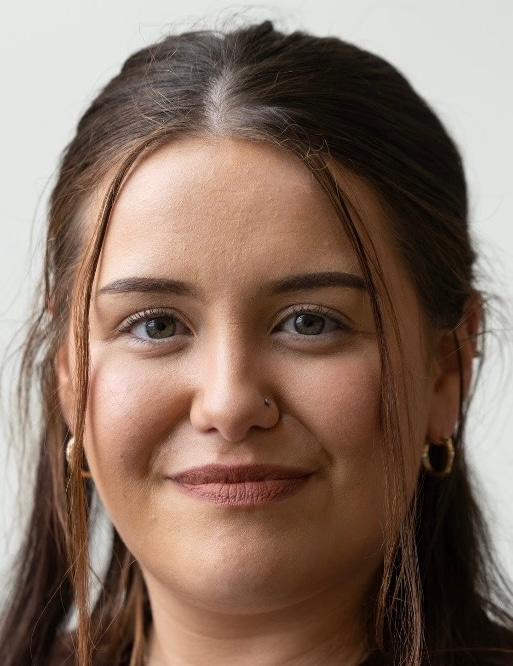
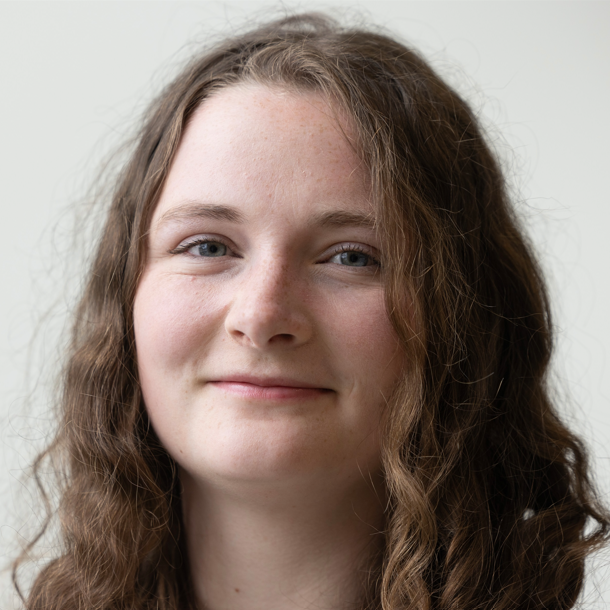
Hello! I'm Sonia, a student of Political Science and Economics at Trinity College Dublin. I'm also a 2026 Laidlaw Scholar.
In research and in everyday life, my main interest is how the traumas of the past affect the wellbeing of people in the present. War, structural discrimination and communal violence rarely conclude at appointed historical end dates, but persist in the daily realities of communities for decades. The impacts are often invisible and difficult to quantify, such as chronic stress, sectarianism and complex national identification.
My Summer 1 research examines the modern-day impacts of Ireland's revolutionary past. In the 1920s, over 275 Irish country houses were burned in conflicts over land, religion, class and politics. I will interview members of the tight-knit rural communities where the burnings occurred. My objective is to understand how that legacy of violence impacts people's sense of belonging.
I hope to connect with fellow Scholars and alumni. Especially if you have an interest in conflict, peacebuilding or memory politics, get in touch!
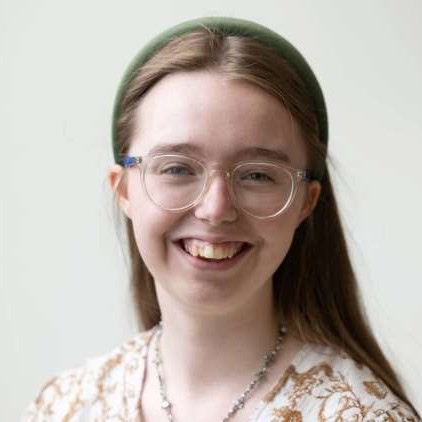
Hi, my name is Sarah McGuire! I am currently studying History and English at Trinity College Dublin and am a member of the 2026 Trinity Laidlaw Scholars cohort.
I am interested in the ways in which literature can be used to construct and convey identity, and in finding ways to interrogate limiting beliefs that influence how we engage with national and cultural identity, gender, and class. With my own background from the North East of Ireland, I believe that it is essential to question the roots of our identities, and more important than ever to push back against exclusionary and arbitrary definitions of who ‘gets’ to identity as Irish.
My Summer 1 research project is entitled ‘This is Your Magazine: Literary Periodicals and Identity in Mid-twentieth century Ireland’, and will focus on short stories published in The Bell Magazine (1940-1954) and what they can tell us about the complexity of Irish identity in this period. This study aims to explore the ways in which people engaged with the literary periodical and short story form as a crucial means of self expression in a period of censorship, and how they wrote back against the dominant ideology which created narrow parameters surrounding the normative portrayal of Irish identity post-partition.
Beyond my research, I love to write short fiction of my own, contribute to college publications as a writer and editor, and read widely on literary, art, and music history.
I would love to connect with fellow scholars, feel free to reach out to discuss research or similar interests!
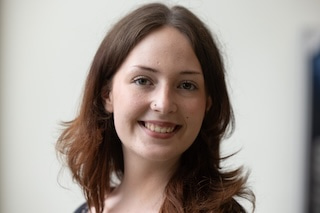
Hello! My name is Lilly Heffernan and I'm a 2026 Laidlaw Scholar from Trinity College Dublin. I'm interested in the way in which human effects on animal behaviour influence their disease spread. 75% of emerging diseases are coming from animals, and I believe that we can manage this in an effective and humane way.
I'm exploring this topic by investigating how artificial light changes how bats use space, and stresses their immune systems. I suspect that artificial light negatively impacts bat immunity, making them more likely to spread disease. This may be a reason we are seeing more human pathogens which originate from bats, such as SARS-CoV-2, and Ebola virus.
I strongly believe that we can curb the spread of these diseases by understanding how our behaviour is affecting our ecosystem. We cannot have healthy humans without healthy animals. This approach targets new pathogens before they spread to humans. If we focus on this angle, we can prevent the inefficient and cruel practice of culling sick animals for our own benefit.
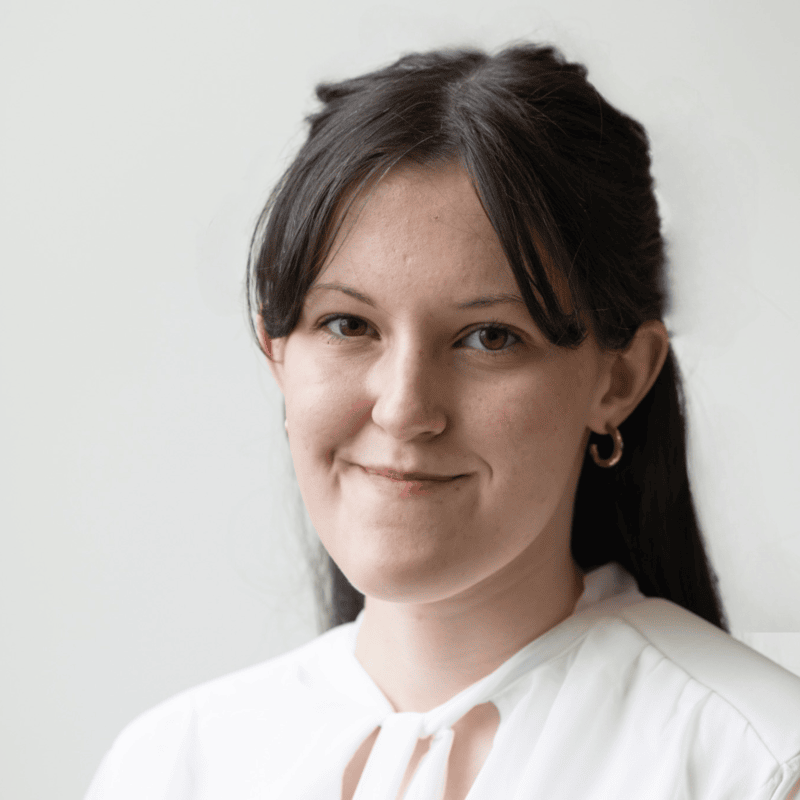
I am a 3rd year Law and German student in Trinity College Dublin.
My research centres on how the criminal justice systems responds to abused women who kill their abusive partners. The defences to a charge of killing are usually provocation, self-defence, and diminished responsibility/insanity. However, feminist legal theorists argue that these defences arise out of a typical male rather than female experience. Victims of domestic abuse who kill typically lack an obvious imminent threat of violence, which is required to use the legal defences, and instead are responding to a cycle of violent behaviour.
I want to understand how these women are treated in criminal justice systems, and how we can improve the law in this area.
I am passionate about improving equality and fair treatment in the legal system, as well as gender studies and criminology. I would love to get in touch if you are interested in any of these areas!

Hello! I'm Crystal, a current third year medical student from Trinity College Dublin, and originally from Yangon, Myanmar. I think physicians are in a unique position where they are entrusted by patients, understand firsthand the shortcomings in patient care, and possess the biomedical knowledge and skills needed to drive meaningful change, placing them at the forefront of cutting-edge research that can directly benefit patient care. I would love to be a physician-scientist one day who can bridge scientific discovery with clinical practice.
My research explores the effects of smoking on innate immunity and Chronic Obstructive Pulmonary Disease (COPD). I am fortunate to be part of a great research lab that allows me to explore my own ideas, design my own experiments, and, most importantly, keep moving forward when things do not go as planned!
I also love cooking and baking -- I am always thinking of what I should have for my next meal!
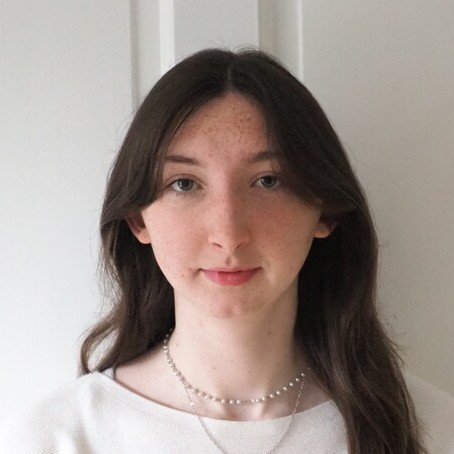
Hello! My name is Anna Halvey, and I am an undergraduate student of Philosophy, Political Science, Economics and Sociology (PPES) at Trinity College Dublin and a member of the Laidlaw Leadership and Research Scholars 2026 cohort.
I am broadly interested in political behaviour, public discourse, and the ways technology shapes how we understand and engage with the world.
As such, my summer research project, Delegated Citizenship in the New Public Sphere, explores the growing role of social media influencers in shaping political understanding and behaviour in an Irish context. Rather than relying primarily on traditional political institutions or mainstream news media, many citizens now engage with digital intermediaries who frame, simplify, and interpret political information on their behalf. Drawing on survey data and semi-structured interviews, I will examine whether Irish citizens are increasingly outsourcing political judgement to these actors, how this shapes political behaviour, and what implications this may have for the public sphere. In light of ongoing policy debates around democratic protection, the era of misinformation, and the rise of populism and post-truth politics, I believe this is a particularly important moment to study how political understanding is formed in digitally mediated environments.
My interests outside academia reflect these themes. I have a history of environmental, gender equality, and mental health activism at a local and national level. I am particularly interested in policy addressing climate (in)justice and the protection of human rights. Beyond this, I love being out in nature, learning about subjects outside my discipline, and trying a different genre of music every week.
Feel free to reach out if you have questions, want to discuss research, or simply chat about your niche interests - I would love to hear from you!
I’m a Speech and Language Therapy student at Trinity College Dublin and a member of the 2026 Laidlaw Scholars cohort. I returned to education as a mature student and single parent after experiencing firsthand the impact that Speech and Language Therapists can have on people’s lives, which inspired me to pursue the profession myself.
My research interests focus on socioeconomic inequality, access to education, inclusion, and student belonging within higher education. Through the Laidlaw Programme, I’m exploring how historically elite institutions such as Trinity engage with class and socioeconomic diversity, and how universities can move beyond widening access towards creating genuinely inclusive environments for students from all backgrounds.
Alongside my studies, I’m involved in student representation work as the Student Parent Officer in the Students’ Union Equality, where I advocate for equity and inclusion for student parents within university life.
Outside of academia, I’m also a DJ (briongloid on instagram and soundcloud x) with a love for garage and jungle music, and a very dedicated bird mother 🐥

Hey! My name is Leah Carroll, I am a current 3rd year student of English Studies at Trinity College Dublin and a member of the 2026 Laidlaw Leadership & Research Scholars cohort. After an unconventional path as an early school-leaver, I found my way to higher education through the Trinity Access Programme’s Foundation Course for Young Adults to pursue my lifelong passion for literature. While curious for all facets of the field, I have keen interest in women’s issues and feminist theory.
My research project, entitled ‘"Girls Who Say Nothing and Wear Black": Women of the Beat Generation’, aims to address an important critical gap by examining the continued marginalisation of women Beat poets despite their acknowledged literary and cultural influence. The study aims to contribute a more equitable understanding of the Beat generation as well as a broader appreciation of their influence outside the United States with particular reference to their importance to contemporary Irish women’s poetry.
Outside my studies and research, I love writing both prose and poetry, working on my own creative projects, going hiking with friends, and indulging in sports such as horse-riding and figure skating.
Please feel free to reach out and connect!
Dia dhuit! My name is Seán Radcliffe and I am an Economics student at Trinity College Dublin. Outside of my studies, I am a political campaigner, pro-Palestine activist, and the Housing Rights Officer of my student union. I love to sing, travel, and have a laugh!
This summer, under the academic supervision of Trinity Fellow and Associate Professor Dr. Davide Romelli, I will be conducting research at Trinity College Dublin on the effects of economic conditions, shocks, and crises on cocaine-related harm and deaths in Ireland between 2004 and 2024;
"Reading Between the White Lines: An Investigation into Cocaine-Related Harm in Ireland During Periods of Economic Change and Crisis, 2004-2024."
Using statistical analysis and interviews with experts, policymakers, and activists, my project aims to challenge damaging assumptions around drug addiction and harm in Ireland, particularly narratives that simplistically link economic growth and employment with reduced harm.
Grateful for this opportunity and excited for what lies ahead.

Hi! My name is Emma and I'm a third year geography student at Trinity College Dublin.
I've been involved in activism for about 5 years now and I'm extremely passionate about education and climate change. My research project will analyse how my university engages with class and socioeconomic status, focusing in particular on progression from post-primary school to higher education.
Hello! My name is Lochlann, and I am a student at Trinity College Dublin and part of the 2026 cohort of Laidlaw Scholars.
My Summer 1 research project focuses on the role of private supplementary tuition (“grinds”) in the academic achievement gap between public and private schools in Ireland. Using quantitative analysis of Irish educational data, I aim to investigate whether access to grinds contributes to differences in examination performance and broader educational inequality.
Through this research, my overarching goal is to contribute to conversations surrounding fairness, access to opportunity and educational policy. By examining how socio-economic advantage may shape educational outcomes, I hope to better understand the structures that influence inequality within education systems.
If you have any questions or would like to connect, please feel free to reach out!
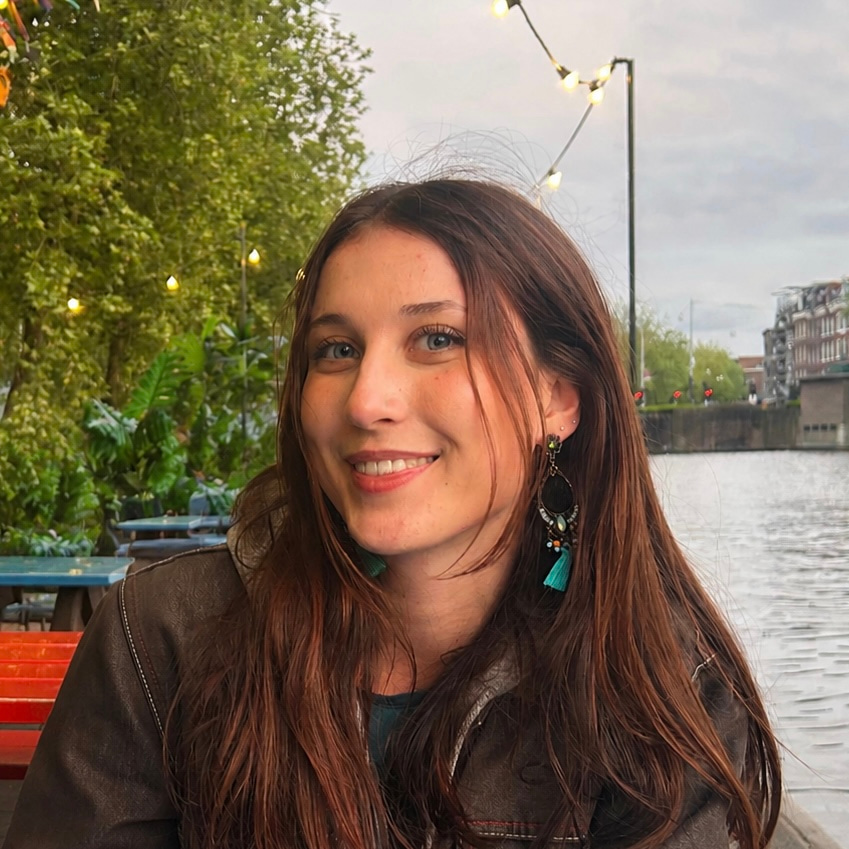
Hi everyone! My name is Anna and I'm part of the 2026 Laidlaw Scholars cohort at Trinity College Dublin, where I study Mathematics with a minor in Statistics.
For my research project, I'll be exploring a question that is becoming more important as AI develops: who is better at predicting the future, humans or algorithms? I'll be comparing forecasts from machine learning models with those from prediction markets, where collective human judgement is turned into live probabilities. After the 2024 US elections, prediction markets rapidly gained attention for correctly predicting the outcome before many traditional forecasts. At the same time, AI is making data-driven forecasting more powerful than ever. Through quantitative analysis, I'm curious to see whether the best predictions come from human insight, algorithmic pattern recognition, or perhaps a combination of both.
More broadly, I am interested in using mathematics to better understand and solve real-world problems like this one. I'm especially drawn to the way it combines logic with creativity, allowing us to approach challenges from different angles and develop efficient and innovative solutions.
Feel free to reach out if you want to discuss research or simply chat!