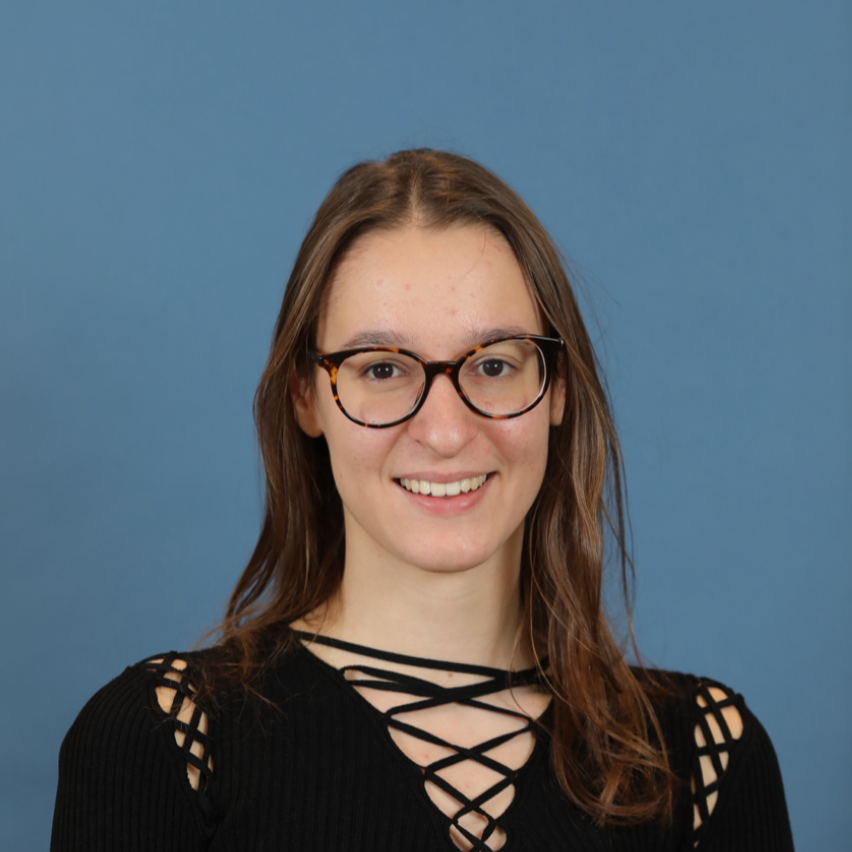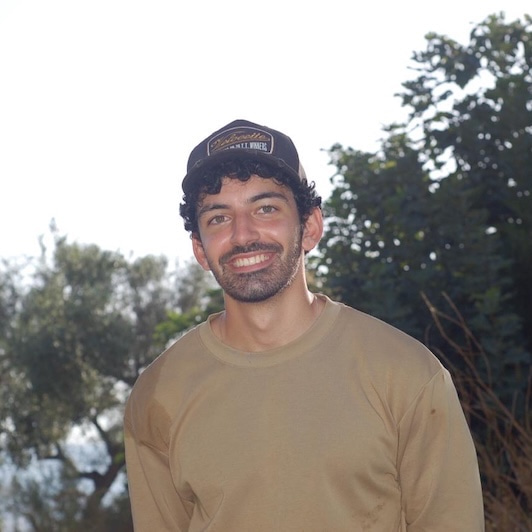

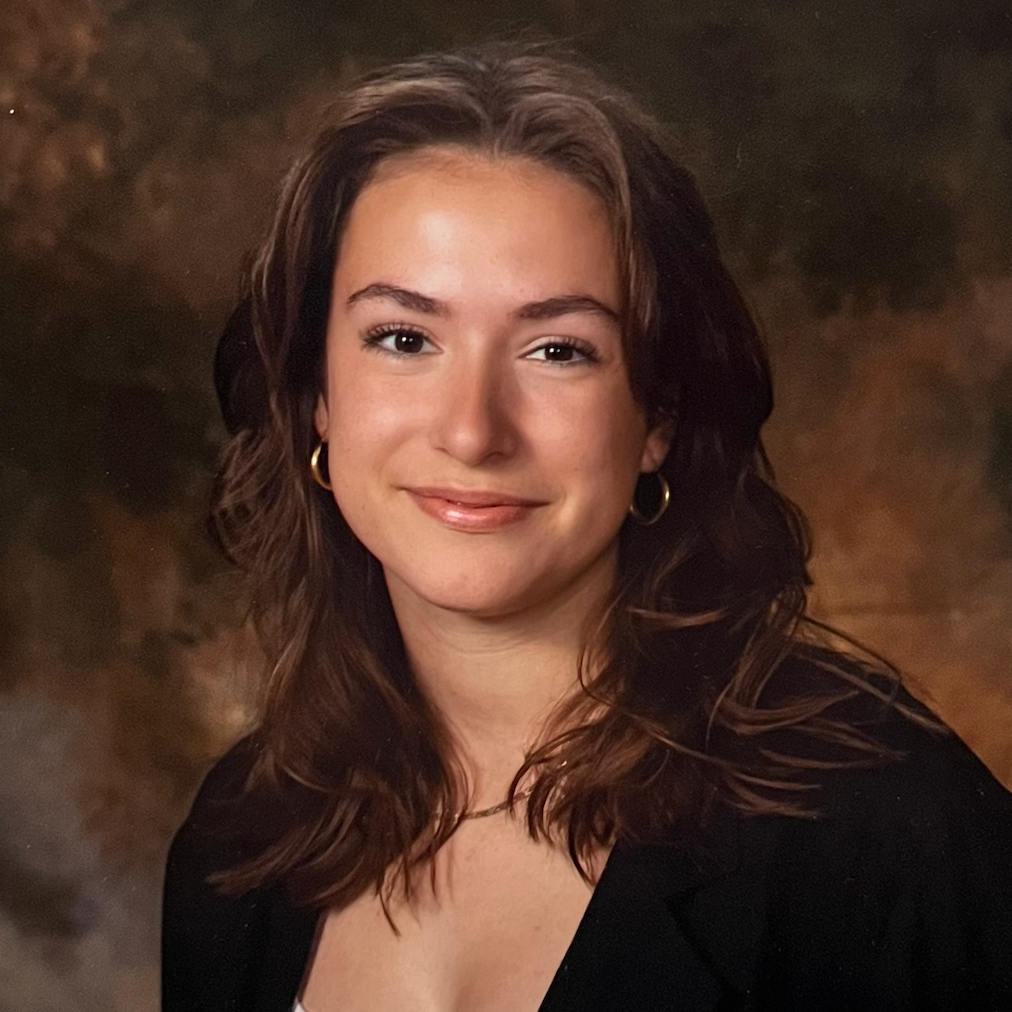
BSc Philosphy, Politics, and Economics undergraduate student at University College London.
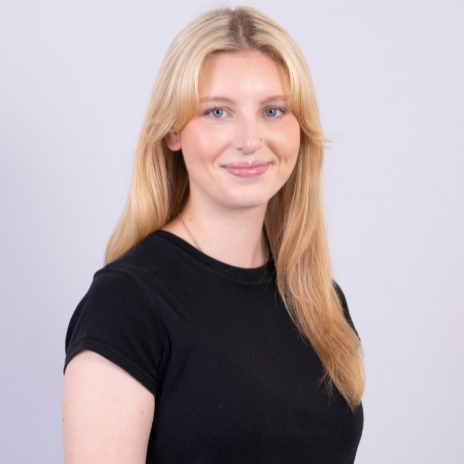
Hi! I'm Emma and I'm a second year undergraduate student at the University of Leeds studying French and Italian.
This summer I will undertake research for the project 'Listening to Feminist Art Histories: Researching and Sharing Voices from the FAMH Oral History Archive'. The Feminist Art Making Histories digital archive consists of interviews with artists, curators, and writers in the UK and Ireland from the 1970s onwards, exploring the relation between feminism and art. My findings will form part of Dr Elspeth Mitchell and the FAMH team's wider work of foregrounding the experiences of women artists in an engaging and accessible way to the public. My interest in intersectional feminism and of the importance of representation drew me towards this project, and I'm looking forward to engaging with feminst art histories with the FAMH.
As a Modern Languages student and a native Welsh speaker, I'm passionate about languages and cross-cultural communication. I'm particularly interested in the way languages shape identities and build communities. Outside of my studies I enjoy reading, running, baking and travelling.
I'm excited to begin my journey of research and leadership as a Laidlaw Scholar as well as connecting with other Scholars across the Global Network!

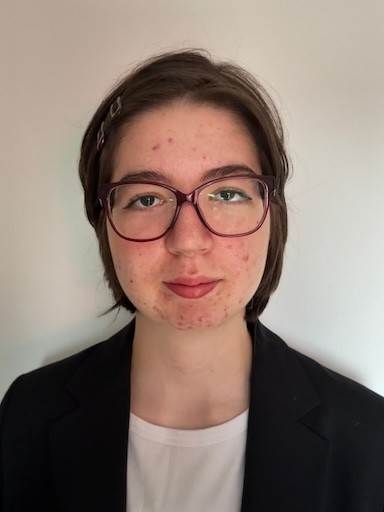
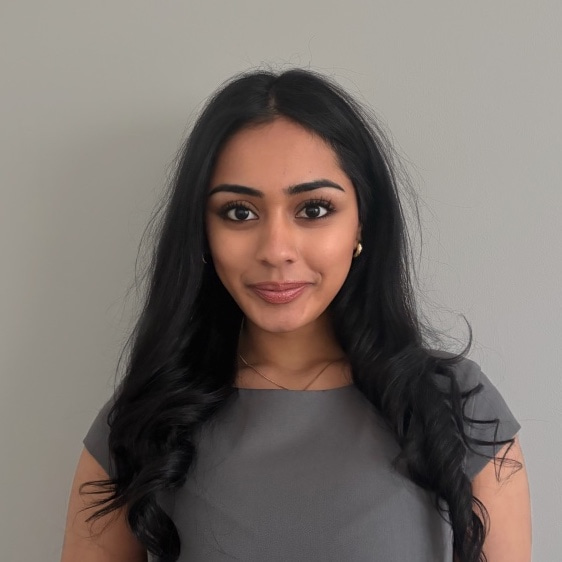
Language is my greatest obsession.
I bring a unique perspective to communication, shaped by years in campaign management, organizational leadership, and brand development--and I believe storytelling sits at the vanguard of translational research.
I'm drawn to what sits beneath the surface--crafting the solution from its past and sharing its story. The throughline connecting sustainability, toxicology, and policy fascinates me.
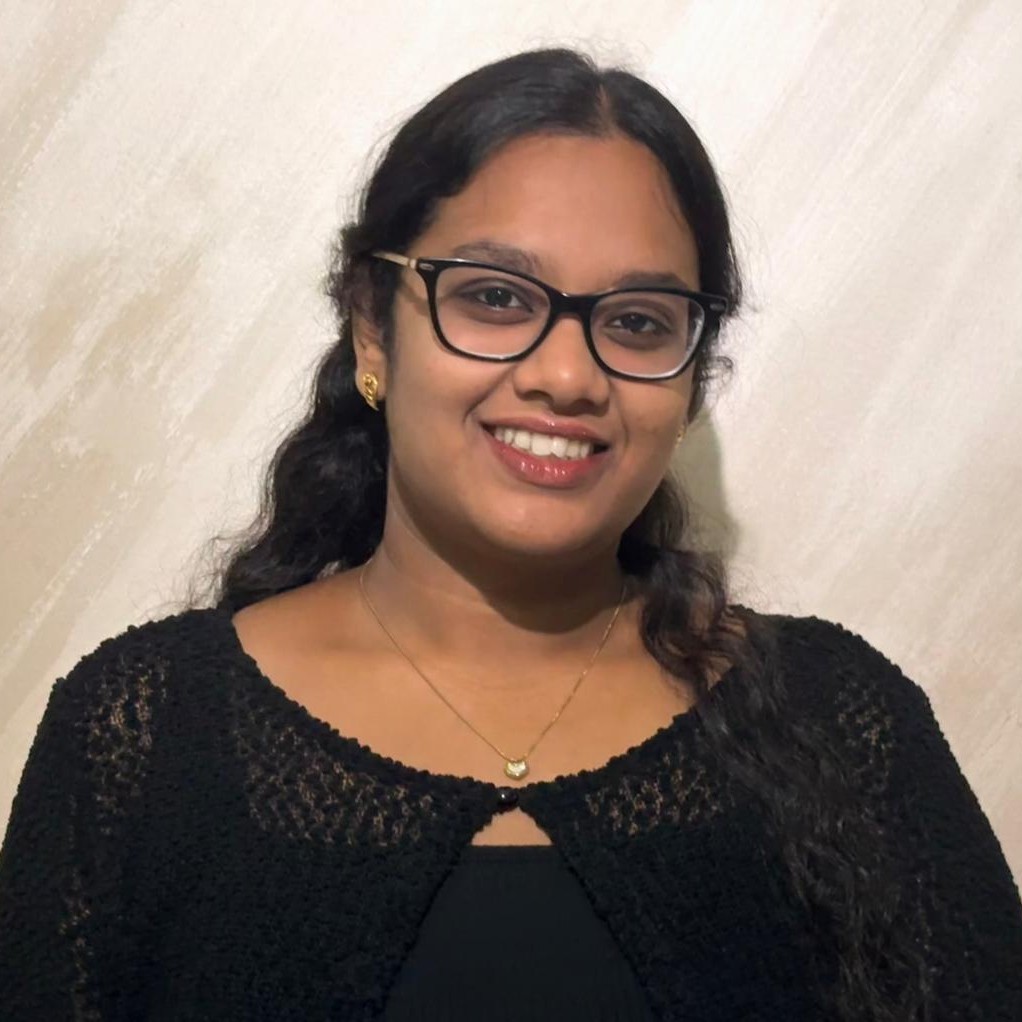
If you're interested in this transdisciplinary white space, storytelling, food, or a good laugh -- you're speaking my language! I'd love to learn yours. 📧: nethra.srimal.25@ucl.ac.uk
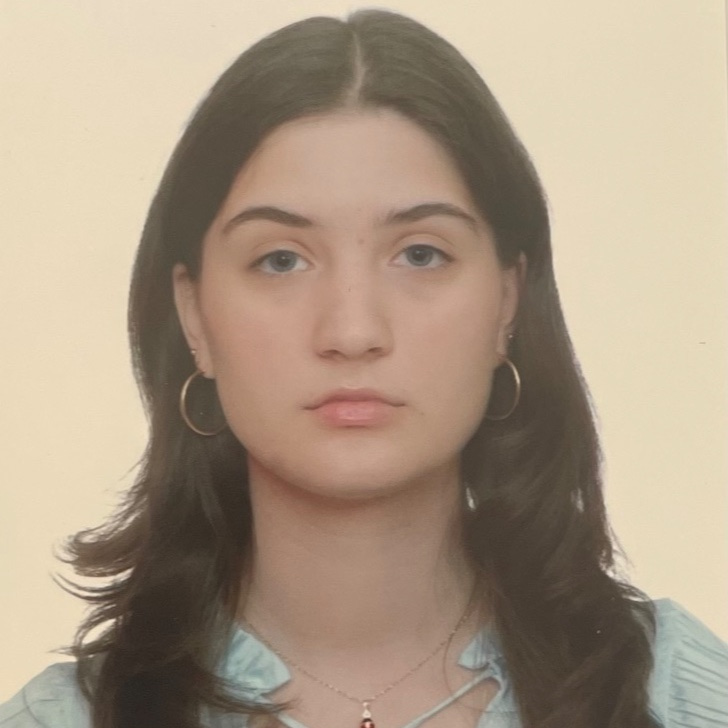
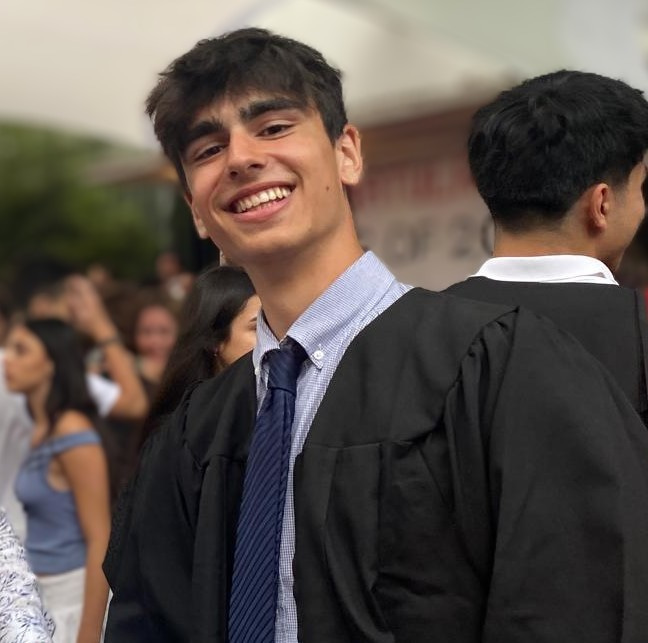
BEng Biochemical Engineering Student at UCL
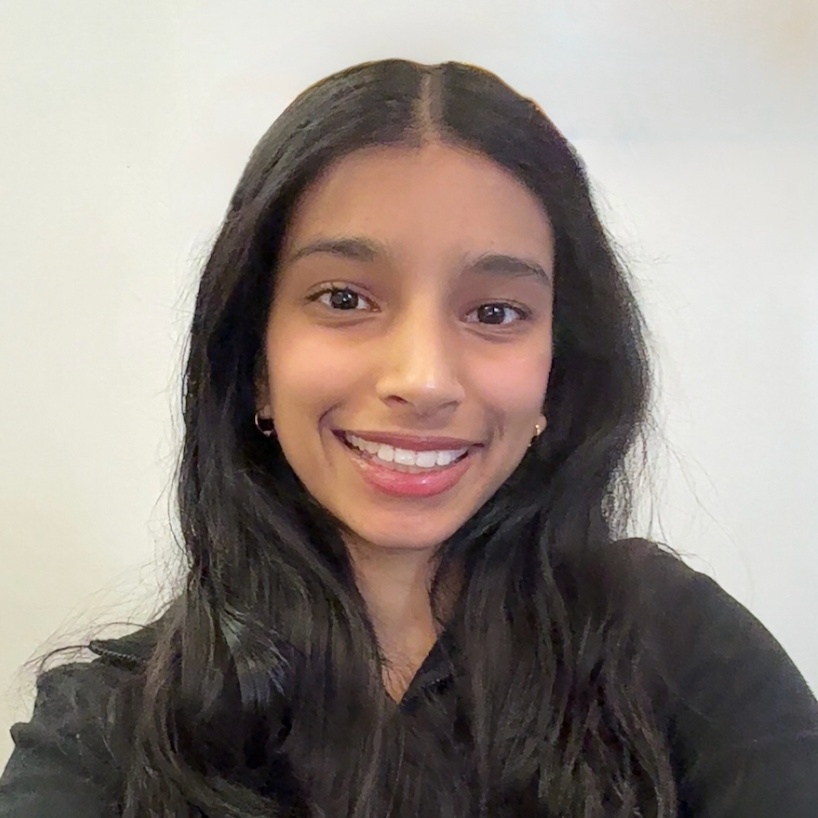

Hello, I'm Niyati! A first year BSc Audiology student at UCL interested in the advancing technology behind cochlear implants and hearing aids.
My research explores how mental states affect movement and how, by understanding states such as Catatonia, we can treat mental disorders more effectively.