What I’m Taking Away from the Laidlaw Scholars Conference
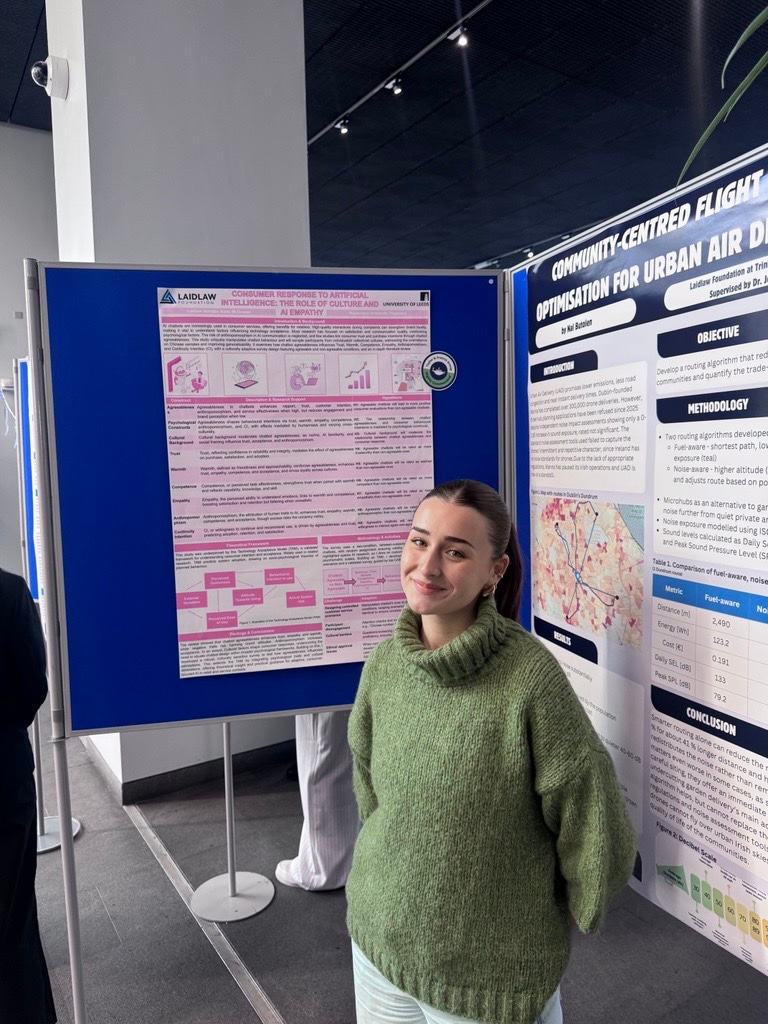
I’ve been thinking about ambition since the conference, and particularly about my own relationship with it.
I would definitely describe myself as an ambitious person. I like having something to work towards, I’m always thinking about what I can do next, and I find it difficult to stay still for very long. There are obviously lots of positives to that, but this weekend made me realise there’s another side to it too: I’m not actually very good at appreciating my achievements once I reach them. I tend to achieve something, feel proud of it for about five minutes, and then immediately start thinking, right, what’s next? The conversations over the weekend made me question that more than I expected.
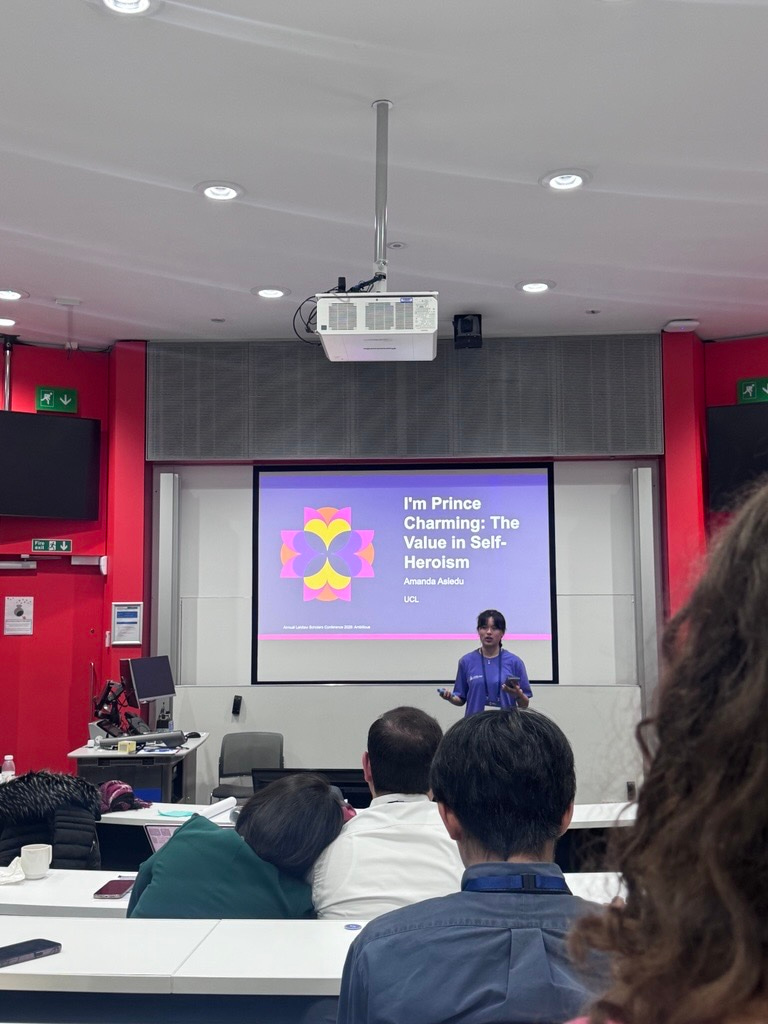
When does ambition stop being a good thing?
I really enjoyed the discussions around the darker side of ambition, particularly Macbeth and the idea of ambition becoming destructive. It made me think about the fact that ambition itself isn't necessarily good or bad. It depends on what you're ambitious for, why you want it and what you're willing to compromise along the way. Zing Tsjeng’s 'Money vs Morals' keynote brought a similar question into the present day, looking at success, billionaires and the relationship between wealth and morality. The session centred on how we succeed ethically in a world that can sometimes seem to reward greed and immorality. Chuck Feeney really stuck with me: despite becoming a billionaire, he gave his entire net worth away during his lifetime, which made me think that ambition doesn’t necessarily have to end once you’ve achieved success, but can instead shift towards what you can do for other people with it. Obviously, my own version of this is on a very different scale to Macbeth or billionaires! But I could still recognise a small part of that mindset in myself. I'm always looking towards the next goal.
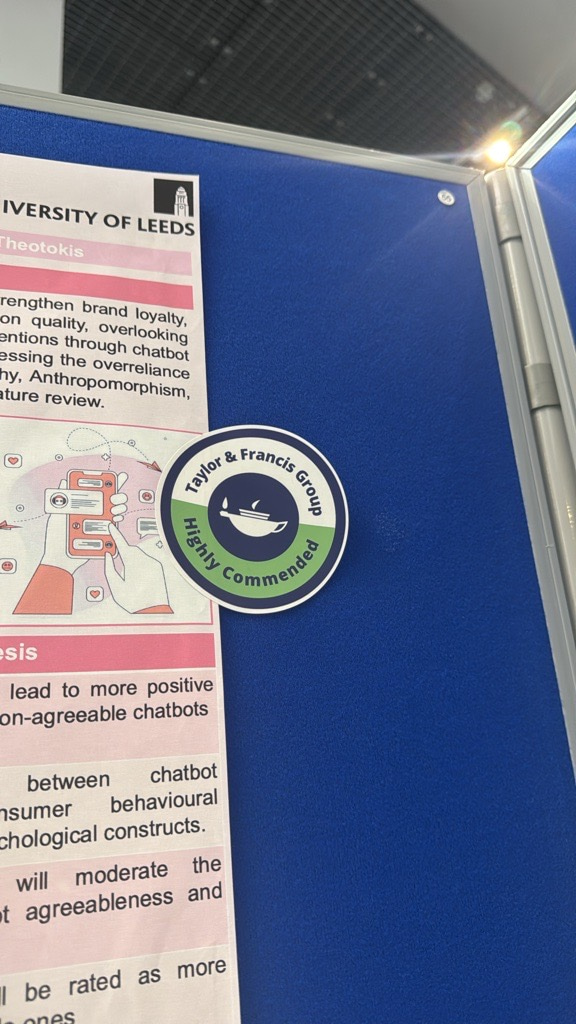
Even having my research poster Highly Commended by Taylor & Francis made me reflect on this. I was genuinely so proud, especially knowing how much work had gone into the research, but I was also just wanting to be selected to be published, not fully appreciating the highly commended. I know myself well enough to know how quickly I can move on from an achievement and start focusing on whatever comes next. I don't think the lesson I took away was that I need to be less ambitious. I like that part of myself. It's pushed me to take opportunities that I probably wouldn't have otherwise. I think I just need to get better at letting myself enjoy where that ambition has already taken me. As well as making the most of the opportunities I DO have, rather than constantly looking for the next.
The people made the weekend
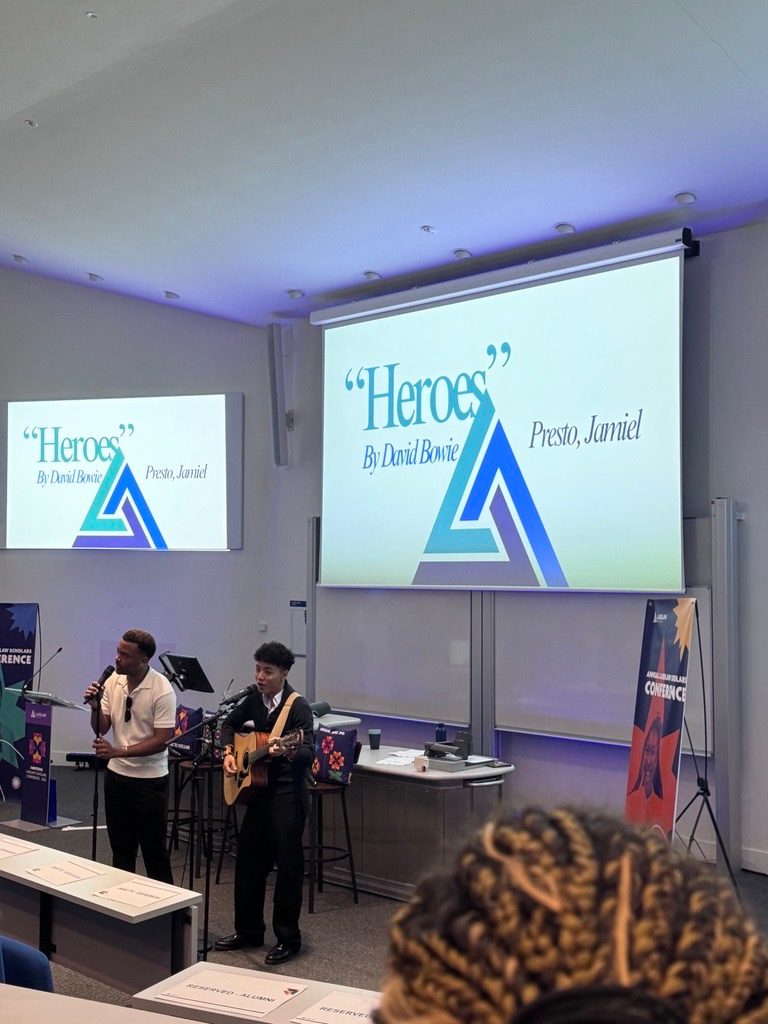
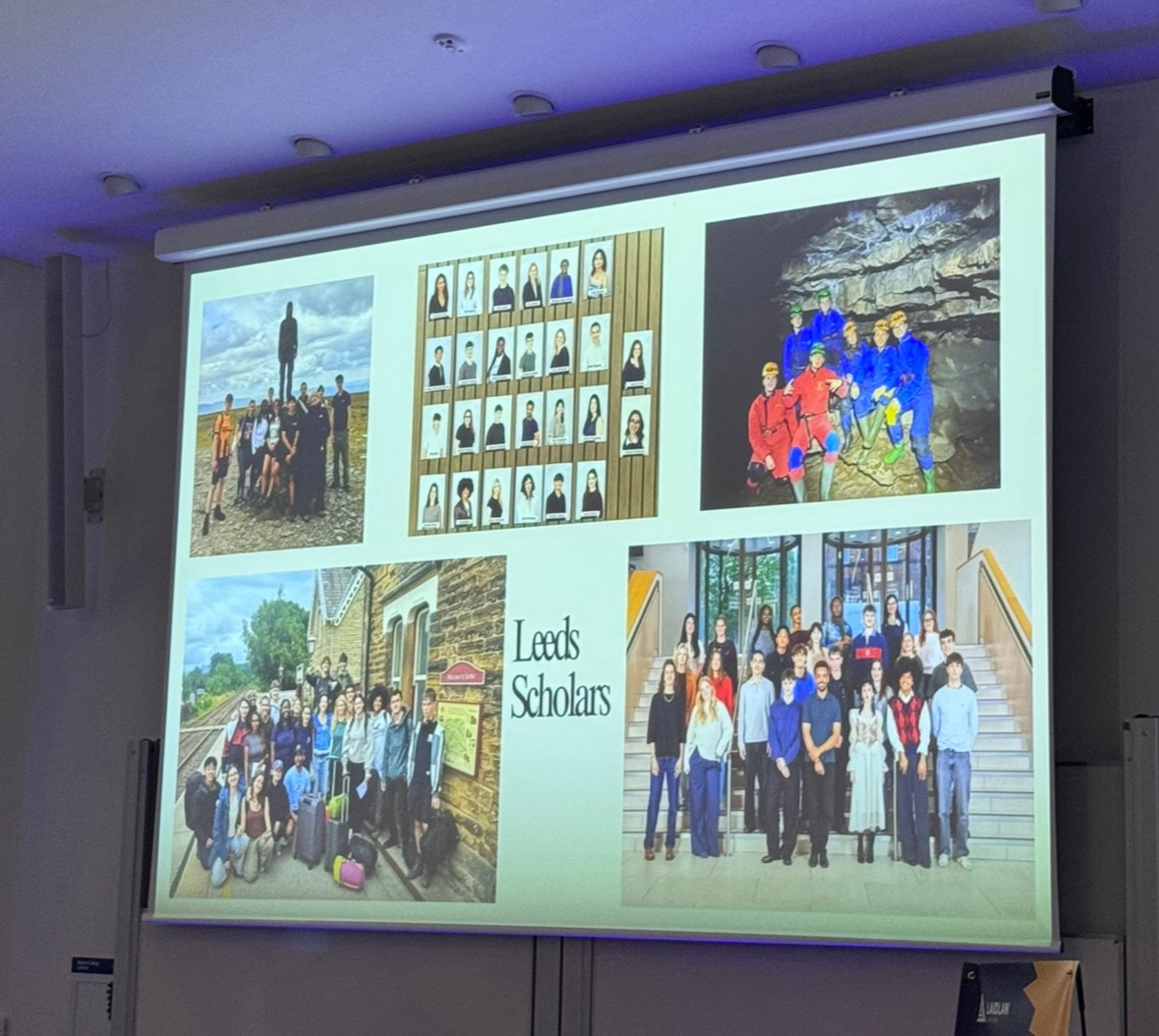
I also came away thinking about how much of my Laidlaw experience has been shaped by other people. I'm part of the 2025 cohort, so it was lovely seeing familiar faces again but also meeting so many new scholars across the network. Honestly, some of my favourite moments were just conversations between sessions. Hearing what people are researching, where their interests have taken them, what they did for LiA and what they're hoping to do next. I think it's easy to focus on the individual parts of being a Laidlaw Scholar, your research, your LiA, your own development, but weekends like this remind me that the network itself is such a big part of the experience.
Thinking ahead to Melbourne
I loved the LiA Campfire Chats. Hearing people's honest reflections on their Leadership in Action experiences was probably one of the parts of the weekend that stayed with me most. Listening to everyone else's experiences made me think differently about what I'm hoping to get from mine. Of course, I'm incredibly excited about going to Melbourne, but I don't want to approach LiA as another thing to complete or another achievement to add to a list, I want to actually be present for it. I want to meet people I wouldn't normally meet, put myself in situations that challenge me, learn from the people around me and come back with a better understanding of myself and how I lead. Hearing everyone's testimonials made me realise that the things I eventually take away from Melbourne might not be the things I expect beforehand. And actually, that's probably the most exciting part.
Maybe ambition also means knowing when to stop and look back
If anything, I left the conference feeling more ambitious, not less. But I think my definition of ambition has shifted slightly. I still want to set big goals. I still want to push myself and say yes to opportunities that scare me a little. I still know that as soon as I achieve one thing, there will probably be another idea somewhere in my head. But I also want to become better at recognising when something I've already achieved is worth stopping for.
The weekend reminded me that ambition needs perspective. Zing Tsjeng’s session made me think about what happens when there is never an “enough”. The conversations around Macbeth showed the extreme of ambition becoming more important than everything around it. And meeting other scholars reminded me that ambition can also be shared, purposeful and incredibly motivating. So I'm trying to take my own advice and actually pause for a second.
I'm proud that my research was Highly Commended. I'm grateful for the people I've met through Laidlaw, both from my own cohort and the new faces I met this weekend. And I'm really excited that the next part of my journey will take me to Melbourne.


Hi, I’m Katie McGowan, a Psychology undergraduate at the University of Leeds and a 2025 Laidlaw Scholar.
My academic interests centre around human behaviour, social influence, and cultural psychology. This summer, I’m researching how cultural background and perceived empathy in artificial intelligence influence consumer trust — a project that brings together my fascination with social psychology and cross-cultural dynamics.
Outside of academia, I’m passionate about women’s rights, youth leadership, and community impact. I’ve volunteered with organisations including Let Me Know (LMK) and Jewish Women’s Aid (JWA), helping to raise awareness around healthy relationships and gender-based violence. I’m also a Holocaust Educational Ambassador, committed to promoting dialogue, reflection, and education around collective memory and human rights.
I currently serve as a School Representative for Psychology, advocating for students and working with staff to ensure that student feedback leads to meaningful change. Leadership, empathy, and representation are values that guide everything I do.
Outside of my academic and voluntary work, I love travel and adventure — I hold an Advanced Open Water Scuba Diving certification, and I’m always looking for new ways to explore both above and below the surface.
I'm especially interested in how research and leadership can create real-world change, and I’m always open to connecting with others who share those goals.


