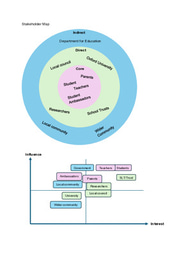
It feels very strange to be this close to ending our Laidlaw Summer Research programme and it feels waayy sooner than it should be. We started this week with an introduction to making our research posters and the future presentation of our posters at a conference! Our team began making our poster and it is coming along quite nicely.
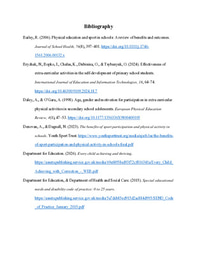
This week we spent a lot of time refining our Group 5 Report and gaining feedback from our Graduate Advisors. Following from last week’s focus on survey responses, we have received one more response and deadlines are approaching fast for our final report, I am wondering what our next steps should be and how we should use the responses we already have in our report. Following on from Ben’s talk from last week, we have been focused on anonymising our data through creating pseudo-names for the schools involved in our study as well as removing information which can be traced back to our participants. Overall, our team is working hard after receiving our endline data and making comparisons between Schools A and B, as well as refining our report and I am sure that we will be able to think of something we can do if we do not receive any more responses.
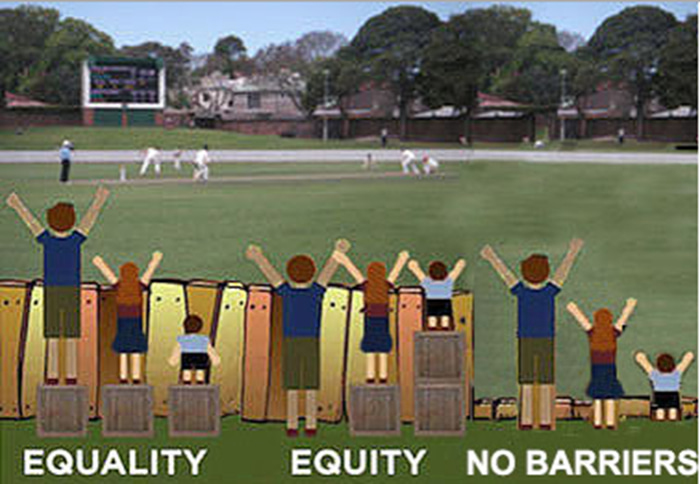
Finally, we had an Oxford Character Project talk on Justice from Ben Margetts and Anjali Sakar. We were prompted to think about the differences between equality and equity, but also what the benefits and potential downsides of removing barriers completely. It really made me reevaluate what justice meant and equality not always being just.
Justice can come about in multiple different ways e.g. through applying standards consistently (equality), allocating support according to people’s needs (equity), through merit – recognising the contributions and accomplishments each individual has inputted and rewarding and supporting them on that and also changing the overall conditions ensuring that everyone is treated fairly and does not have a bad experience. In all of these possible ways, there are some which fit in certain circumstances and some that don’t so it is important to consider what is the best thing to do in a certain situation. We then had a talk from Anjali based on George Orwell’s essay on Shooting an Elephant. She made us rethink our previous decisions, times where we went against our own morals and decided to do something based on other people’s opinions. It reminded me of integrity – a word I have mentioned multiple times in my reflections but this time for a new personal perspective. I think it is quite common for us as people to be swayed by other people’s ideas and opinions of us, as we so desperately want approval. This becomes magnified when we are then seen as leaders and people look up to us and follow our lead. We want to show that we know what we are doing, that we are brave and powerful, not a ‘fool’ like the colonial officer felt because he knew he was surrounded by a group of people. I think all leaders and ‘aspiring’ leaders (aspiring in quotes because I think we are all leaders in our own ways whether we realise it or not), should rethink whether their actions are based on their own passions and morals or of other people and their opinions of what a ‘good’ leader should do.

I am a current Biochemistry Undergraduate at the University of Oxford. I am happily a part of the 2026 Laidlaw Scholar Cohort.
I am very grateful to be a part of this programme where I am able to develop my character and behaviours to become a more ethical leader. I want to also be able to provide a positive impact on the people around me, my community and the world at large in all means possible. I have a particular interest in gender equality and improving women's reproductive health. I am also interested in climate action and protecting our oceans and lands.
As a previous tutor, mentor and being a state-school student, I can attest to seeing the differences in educational attainment between certain regions and demographics. Through the Laidlaw Research programme, I will be able to conduct research on how co-curricular activities can be used to supplement students who are unlikely to consider higher education or have low educational attainment, and improve their wellbeing and ambitions.