This week has been a week focused on methods and methodologies and the community at large. On Monday morning, we received an informative lesson on methods and methodology by Ben. For me, it was an introduction to methodology and the methodology paradigm, I learnt about ontology, epistemology, methodology and axiology – which all sound quite frightening to read at first but are all ways to understand our research question and how the question will align with our data collection and analysis. It was a good introduction as part of group’s research, I was set the task of creating the methods and methodology document (with contributions from Muskaan), which listed all the methods that were used in the Oxford pilot as well as the methodology, which questioned why surveys were chosen and the advantages and disadvantages of the method. Later in the day, we received a talk from the co-founders of the National Strategy Project – Catherine Day and Matthew Rycroft. During Catherine’s talk she gave us a question to think about, ‘What is the difference between leadership and management?’, a question that I am still dwelling on. I think that leadership is a more emotive and motivational role, where more passion, enthusiasm and engagement is needed, whereas management is a more framework focused and a kind of robotic-like approach. I think I view management as more a job or a skill that you need to be a leader rather than a separate attribute. A final note from Catherine was her point on, ‘how we choose to wield power’, with emphasis on choice. With being a leader, are we remaining committed to our passion and how are we using our power of influence to achieve our goals?
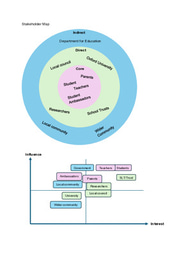
For the rest of the week, my team worked on data analysis and writing out our methods and methodology report. We received feedback on our stakeholder map, which we used to identify the missing stakeholders as well as move on from descriptions of our stakeholders but also evaluations of the stakeholders’ interests and how this may conflict with other stakeholders and the research that our team is doing. We also needed to re-evaluate our understanding of the local authority and its interests in our project and education as well as the Department of Education as these stakeholders hold a large influence on educational policy and how schools operate, which is relevant to our project as we want to determine if the cocurricular sports activity should be implemented around schools nationwide. Another improvement that our team determined to sort out was the quantitative data analysis, our team decided that it would be better to use R rather than Python as it was better for statistical analysis.
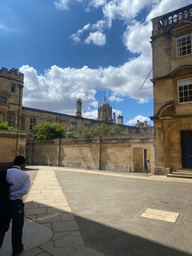
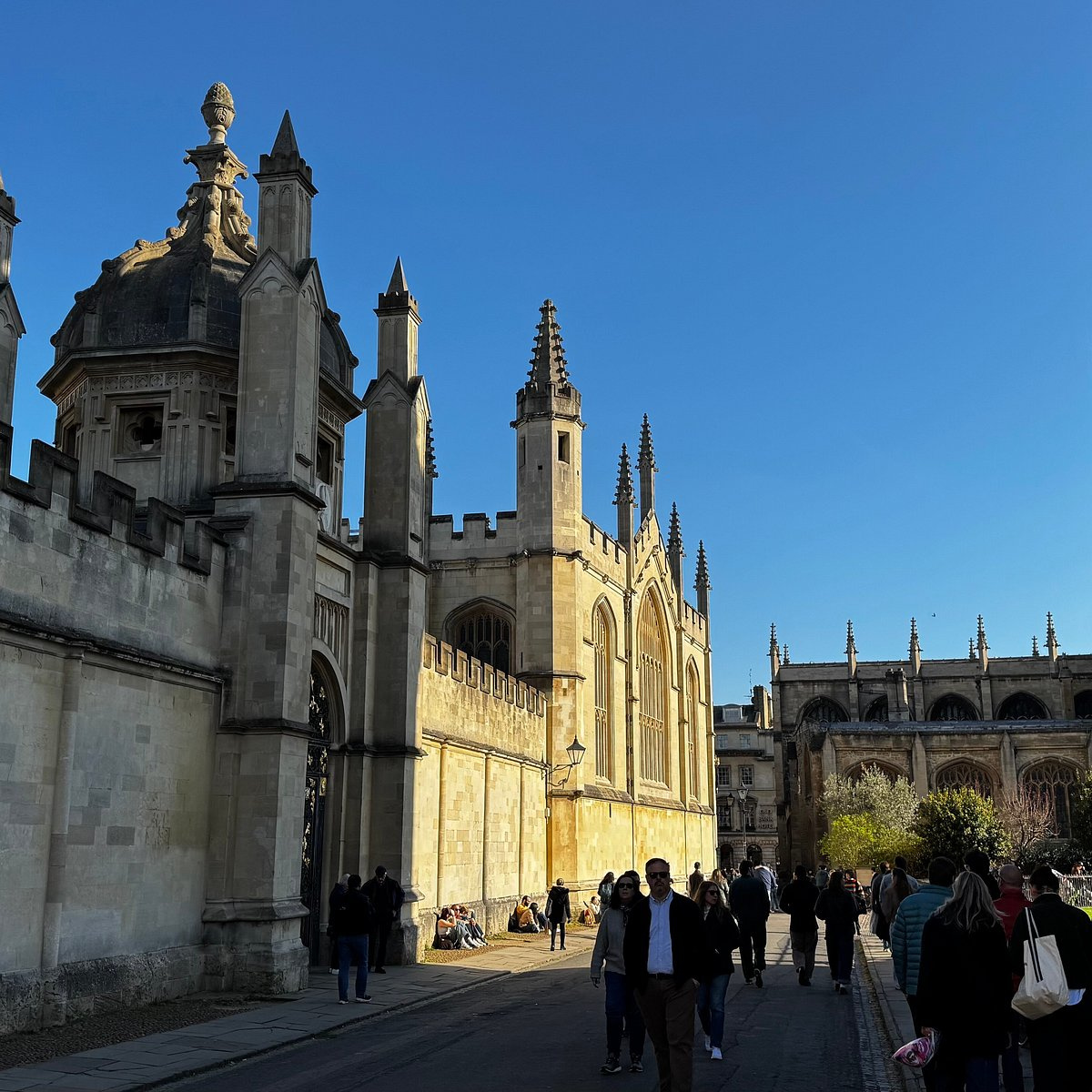
Later in the week, we had an ‘Uncomfortable Oxford’ Tour. This was my favourite part of the week, because it shone light onto the darker parts of Oxford and the Oxford University. In fact, I have been sharing facts with my parents and friends who aren’t from Oxford. It really cemented the Town and Gown divide which we saw on our tour in Blackbird Leys but also how deep the history goes. The violent history between the university and the town is in-built in fortress-like architecture, the access to libraries and the lack of labelled buildings all of which forces Oxford townspeople out rather than in. In modern times, the university has introduced more initiatives to include people who do not study here to visit the university and explore it for themselves, making the university much less elusive and secretive as previously thought. There is so much to learn and uncover from Oxford from a lens which isn’t focused on academia, which I aim to learn more about. Finally, we received a great talk from Alex Betts, who expanded more on the Town Gown divided and inputted his ideas and actions that would make a more inclusive Oxford from the University of Oxford’s perspective. These broke down into 3 sections:
- macro – help to shape Oxford’s economy
- meso – actively partnering with the community
- micro – adapting our everyday interactions to break down inequalities, changing the representation of the different parts of Oxford in the media.
A point that stuck out to me was Betts’ point on the general public’s idea of university. There is a growing discontent with university, with more and more people disagreeing with the importance of university and the degrees which it hands people as not relevant to community or being used to serve the community. I believe that to change people’s perspective on university, we should reframe how we view education and show the positive impact of higher education degrees on the community. For example, I am doing a Biochemistry degree, I am aiming to improve public health and health outcomes and with the knowledge and experience I am gaining through these university affiliated programmes e.g. Laidlaw and what I am studying, I am developing ways to be a leader in this field to make a change. By improving and introducing more volunteering and community focused initiatives at our university, we will be able to show that undergraduates have a lot to offer to our communities. I really enjoyed this week’s focus, as it shows that Oxford is much more than the University, the students and Harry Potter.

I am a current Biochemistry Undergraduate at the University of Oxford. I am happily a part of the 2026 Laidlaw Scholar Cohort.
I am very grateful to be a part of this programme where I am able to develop my character and behaviours to become a more ethical leader. I want to also be able to provide a positive impact on the people around me, my community and the world at large in all means possible. I have a particular interest in gender equality and improving women's reproductive health. I am also interested in climate action and protecting our oceans and lands.
As a previous tutor, mentor and being a state-school student, I can attest to seeing the differences in educational attainment between certain regions and demographics. Through the Laidlaw Research programme, I will be able to conduct research on how co-curricular activities can be used to supplement students who are unlikely to consider higher education or have low educational attainment, and improve their wellbeing and ambitions.