Week 2 Field Journal & Reflection
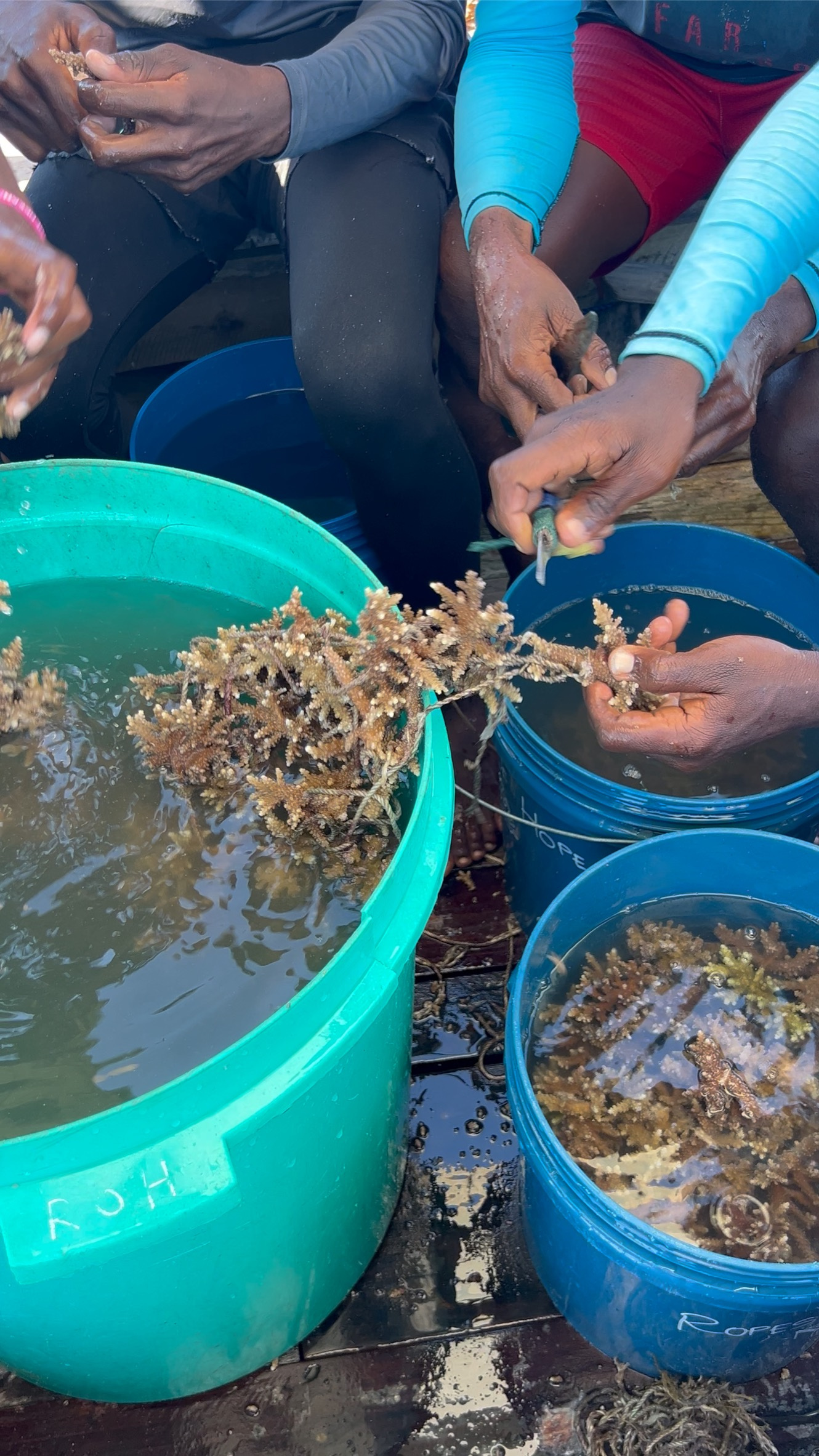
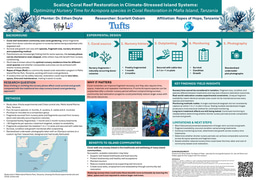
This week felt like a turning point for the project. After 2 weeks of planning, discussions, and preparation, we finally completed the experimental outplanting plot. The first two days were spent collecting fragments, organizing treatments, and setting up the experiment. We worked with five coral species: Acropora humilis, Acropora austeria, Acropora muricata, Acropora valida, and Pocillopora. Each fragment had to be carefully sorted into its treatment group, labeled, and attached in the correct location. It sounds straightforward when written down, but in the water, it required constant attention to detail. A misplaced fragment or mislabeled string could create problems later when it comes time to analyze the data.
By the end of Tuesday, the entire experimental plot was finished. Looking across the site and seeing hundreds of fragments in place was incredibly satisfying. Now that everything is established, the experiment is no longer just in our hands alone. The corals and the environment they now sit in will ultimately determine the outcome of their survival.
The days that followed were spent on quality control. Every part of the plot was checked to ensure fragments were secure and labels were intact. We also cleaned up the site, removing cable tie ends and any leftover materials from the installation process. Restoration projects already face enough challenges from weather, environmental conditions, and stray boat anchors; there is no reason to create additional problems through poor organization.
One thing I have been reminded of repeatedly during this project is that field research involves a lot more problem-solving than people might expect. This week, alongside the underwater work, we began developing a camera stand for future monitoring surveys. Since the project relies on photogrammetry, we need a way to consistently position the camera each time we return to the site. What started as a simple idea quickly became a series of conversations, sketches, and adjustments as we worked out how to build something practical and durable.
Looking back on the week, I think what stands out most is how many small tasks come together to make a restoration project possible. People often picture coral restoration as attaching fragments to a reef, but there is so much work behind the scenes - planning experiments, labeling samples, checking equipment, cleaning sites, and figuring out solutions to unexpected challenges.
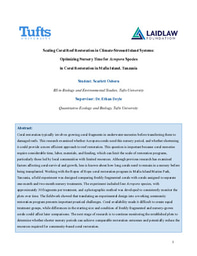
Now that the plot is complete, our focus is shifting to monitoring. Over the next several weeks, we will begin tracking survival, growth, and attachment success. With the tides changing, it makes going out to our field site very difficult. For the first time, it feels like we are in a position to start answering the question that motivated this project in the first place: is the nursery phase really necessary for successful coral gardening, or can some corals be outplanted directly after fragmentation? For now, all we can do is keep monitoring, keep recording data, and see what the reef has to tell us.
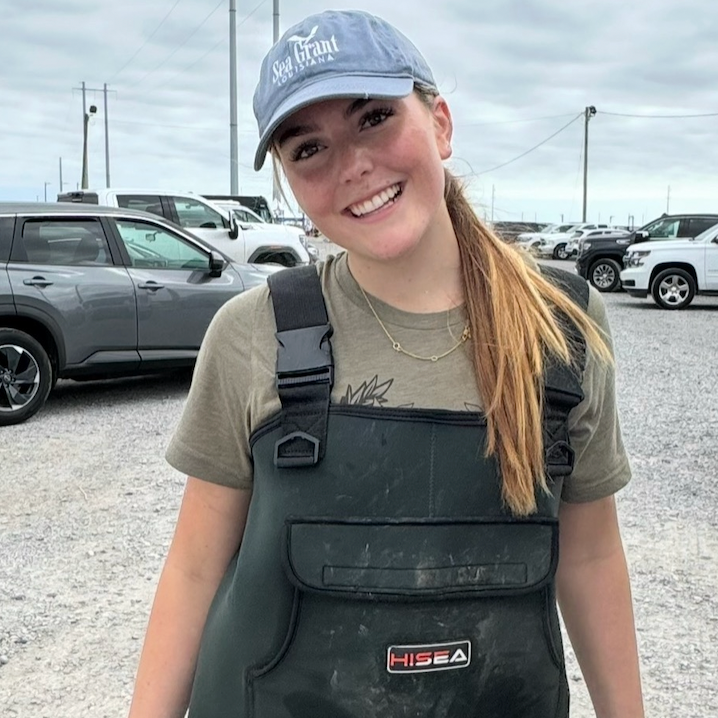
Hi everyone! I am a sophomore at Tufts University in Boston, studying biology and environmental science. I am originally from Cape Town, South Africa, and attended high school in Louisiana. This summer, I am working in Tanzania on a coral restoration project, conducting my own experiment to identify which coral species will be most resilient during this year's El Niño and rising sea temperatures. I will also be exploring how to make the coral gardening process more cost-effective and accessible to coastal East African fishing communities.