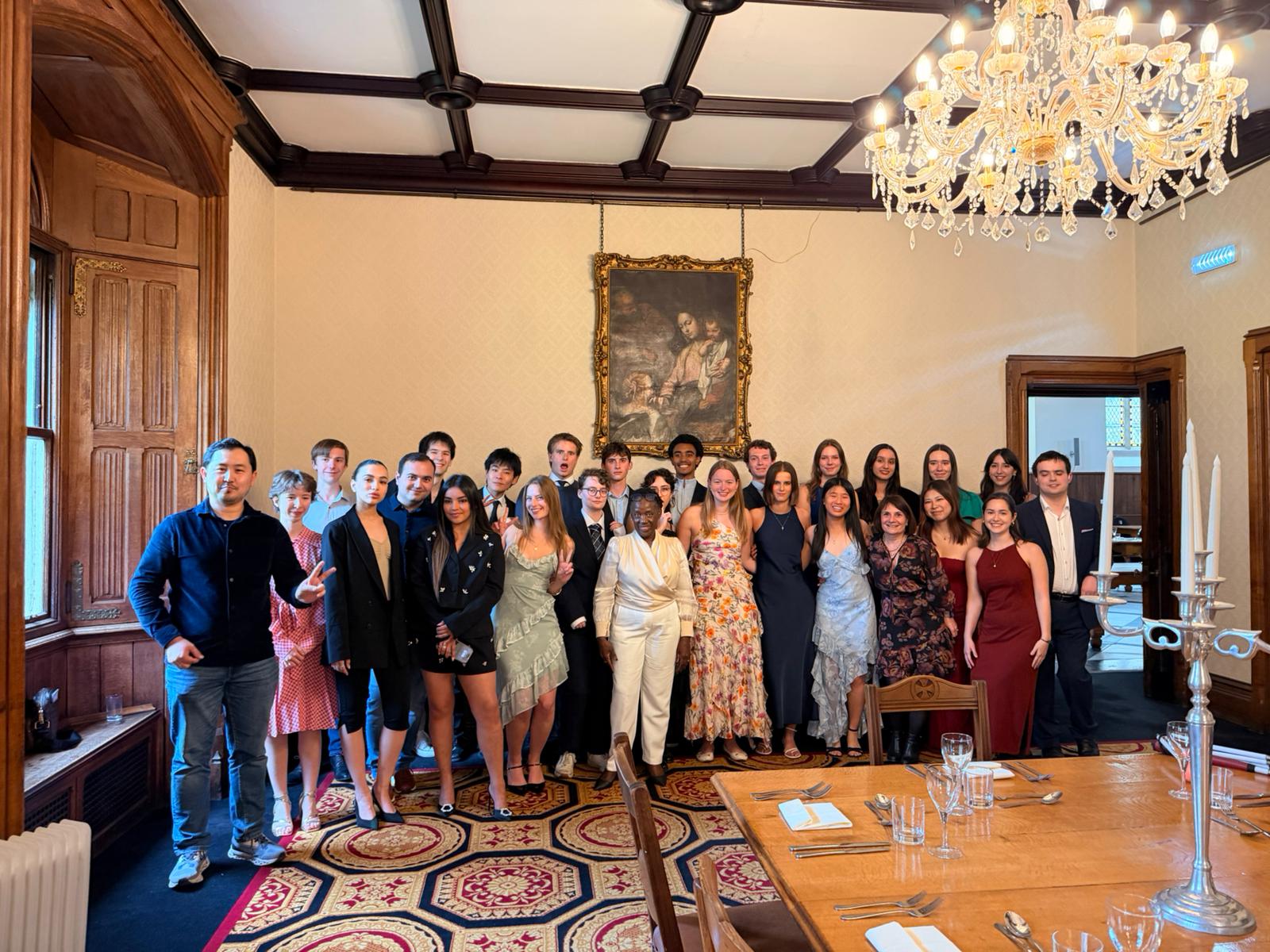
Firstly, I would like to start with a reflection of the leadership training and development sessions. Being able to finally meet the whole Durham Laidlaw 2026 cohort was an honour. Despite being a little nervous at first, through the activities led by Chantelle and visiting speakers, we were able to discuss and identify shared core values and efficiently draft a shared code of conduct, which I believe helped to break the ice. I was pleasantly surprised by how well our cohort was able to come together and communicate under such little time. I would also like to thank Professor Mateta Madiba for visiting and taking the time to share her personal leadership experience and journey to becoming Deputy Vice Chancellor of the University of the Western Cape. Her story highlighted the importance of resilience and community building.
This week, we held our first cohort social, which I helped organise as part of the social committee. From a smooth and efficient planning process to problem-solving and adapting as the night went on due to cloudy weather and bar closure, I believe it was a success. Starting with a little picnic where birthdays were celebrated, followed by a bar crawl, seeing the enthusiasm and getting to know fellow Laidlaw scholars better was the highlight of my night.
Regarding my research, this week I attended an online meeting with my supervisor where we mapped out my starting steps and received ample advice on how to structure my research and report. Despite this, when I sat down to actually begin my reading, I was faced with an overwhelming amount of reading. Whilst excited to delve into an issue that had long piqued my interest, such a diverse range of sources meant I was unsure where to start. Faced with information in two different languages, I decided to take a step back and first organise the different reports, books, and articles I had compiled to read. Breaking them down into different sections and topics, such as those focusing on domestic impacts, international consequences, or broader international relations theories, and whether it was written from an American or Japanese perspective, allowed me to visualise the different aspects that make up my research project.
Next week, I hope to create a plan for the first section of my essay, which focuses on local Japanese voices and opinions of the American military presence. The goal is a comprehensive summary with five to ten references of mostly secondary sources including, polling and survey data.

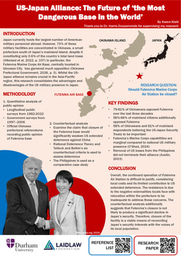
Hi, my name is Karen and I am a first-year Philosophy, Politics and Economics student at Durham University. My research project aims to examine the American and Japanese bilateral relationship through analysing the impacts of US military bases in Okinawa. I am excited to be part of the 2026 Laidlaw cohort!