Training, character development and getting to know my cohort: My reflections on my first two weeks of Laidlaw leadership training.
A few weeks back i officially began my Laidlaw journey, I remeber the excitment and disbelief that the day had finally arrived. I distinctly remember walking out of my interview for the scholarship and then getting the acceptance email in February and thinking 'Laidlaw is ages away!', however how time flies and next thing i know it, I am beginning my two year Laidlaw programme.
The Welcome and Celebration Event
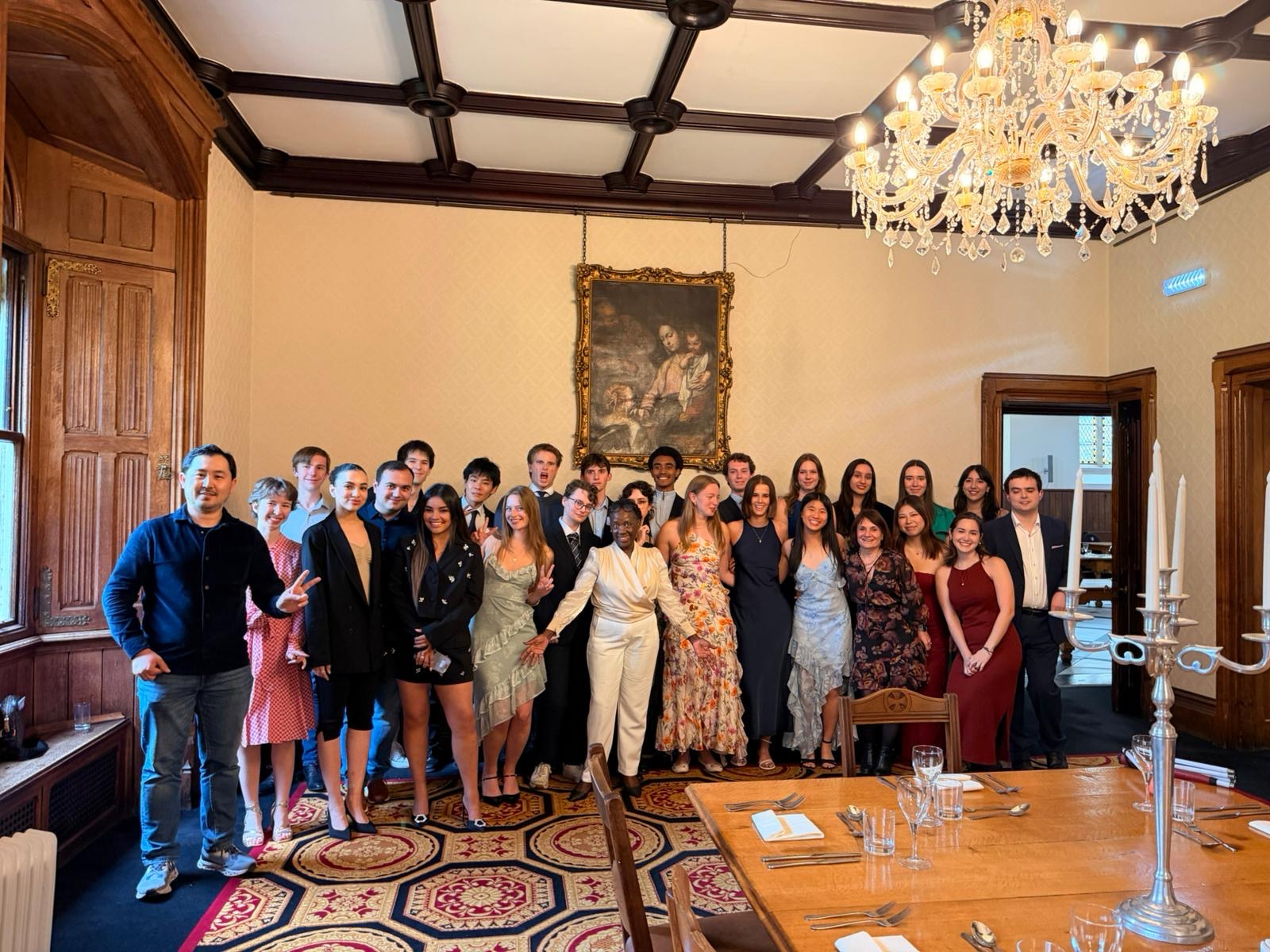
Although attendance at this event was entirely optional and i have to admit when the RSPV form came out, i nearly didn't go due to a prior diary commitment. However I am so grateful i attended the celebration of the 2024 cohort graduating and the beginning of the 2026 cohort.
I found both the panel sessions of scholars discussing the wide range of both research projects and LiAs' they'd completed from cathedral choirs to working with disadvantaged young people in Boston on tech education, it was both inspiring but made me widen my perspectives in terms of what was possible regarding my research and gave me ideas for leadership in action.
Imposter syndrome is something ive continually struggled with over the years, both in the highly competiative university environment but also my prior experiences working in policy and advocacy in the political sector. I had doubts and questions about myself both in terms of why was i selected?, when i look round at these fantastic cohorts of Laidlaw scholars and is my research proposal really impactful and valuable?. These feelings quickly evaporated, both in realising the bredth of research undertaken by Durham Laidlaw scholars but also through the network. The networking session was also invaluable for me, talking with the 2024 cohort about their Laidlaw journey, getting insights and learning from those who have taken this journey before me. And getting to know my peers who i will undoubtedly get to know over the next 2 years.
Induction training & Leadership retreat.
We then started leadership and induction training over the next 2 weeks, that both gave us an overview and essential information that we would need throughout the programme, but involved cohort building, global induction and networking, introduction on leadership and character building and a poster design and research training delivered by Durham Centre for Academic Development.
Theres so much I could talk about regarding my experiences throughout these two weeks, but I'm going to highlight two aspects that stood out in highlighting the importance of Laidlaw's 3Cs; character, capacity and Change Maker Values.
Community
I have to admit that I had made initial assumptions going into the programme that asides from training and the Laidlaw conference, you wouldn't interact much with the Durham Cohort as everyone has independent research projects and LiA ideas. I was simply wrong about this.
Throughout training we quickly organised ourselves into informal roles within our Durham 2026 cohort, from scholars leading on socials, publicity to being the main contacts for the Durham Laidlaw staff to disseminate information amongst the cohort. We also drafted a contract that we would all abide by, both containing individual responsibility in line with programme expectations i.e. punctuality, respectful communication and conduct etc but also wider group pledges to support each other. Either if that's because some of us are struggling with aspects of the programme or someone falls behind in training.
This idea of community, I believe creates more resilient and well rounded leaders, as I've realised first hand the value of being able to bounce research ideas, collaborate, learn from others lived experiences, share personal insights, be accountable to each other or simply just the encouragement and friendliness that I experience engaging with the Durham Cohort.
Equally having a global community albeit I have only had limited engagement so far through brief online networking sessions and the Laidlaw Network, will and already has started to allow me to become a more open minded leader, as I learn from others globally who have unique lived experience, expertise and come from a wide range of cultural and societal backgrounds.
Leadership Retreat
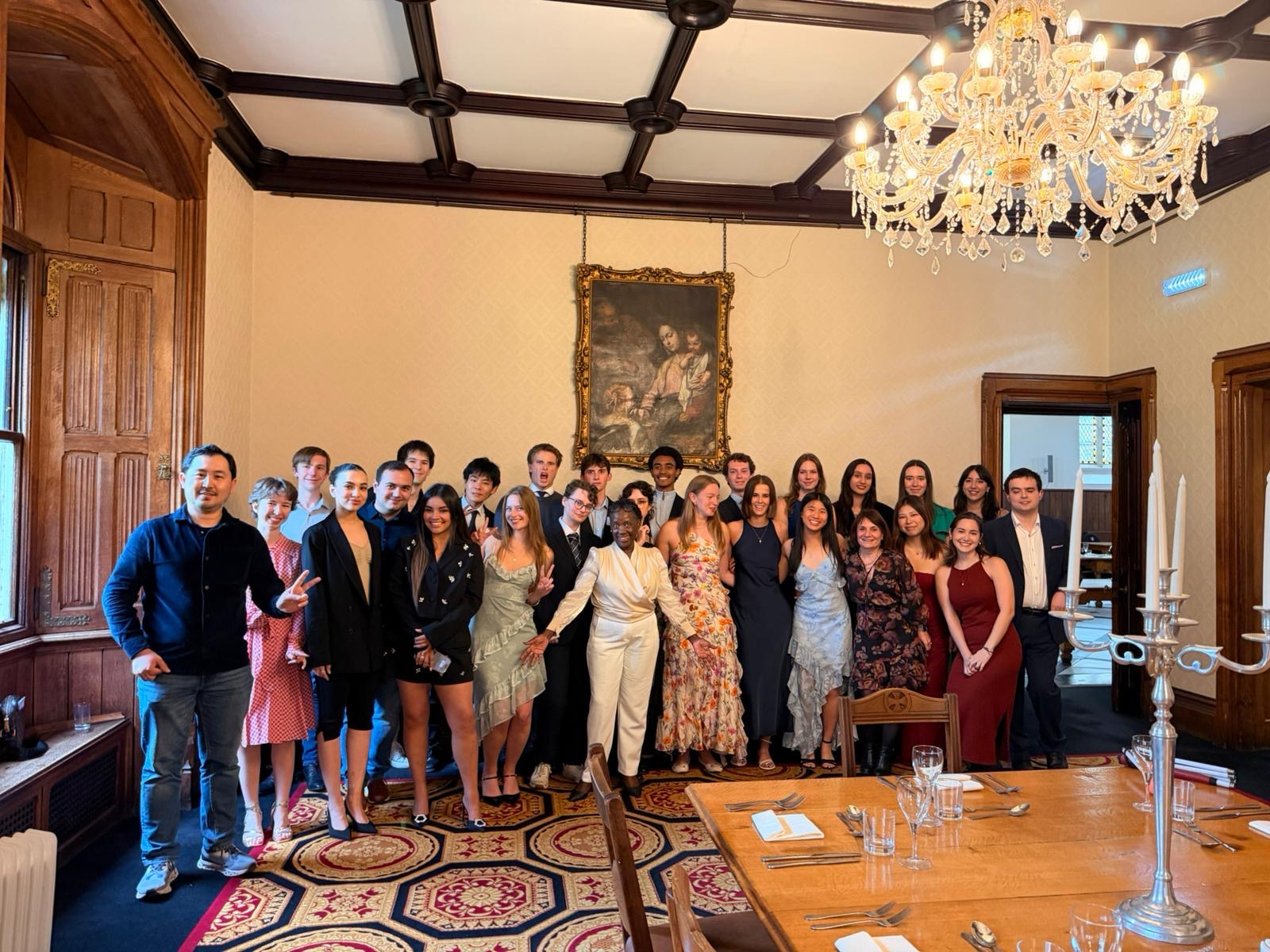
The following week we travelled to Ushaw College in Durham, a former Catholic Seminary for a 2 day intensive leadership workshop. Before we started we had a wonderful tour of the historic buildings and learned about its deep historical significance in the North East of England.
The comprehensive workshop on effective leadership, delivered by a fantastic trainer Guy Richardson and Laidlaw Durham. This was an absolutely fantastic, high energy workshop which challenged me to quickly develop skills in a range of areas from influencing and engaging in dialogue to stakeholder, project and time management that are needed for effective leadership.
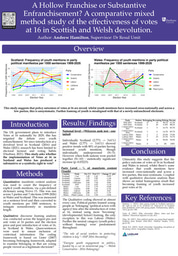
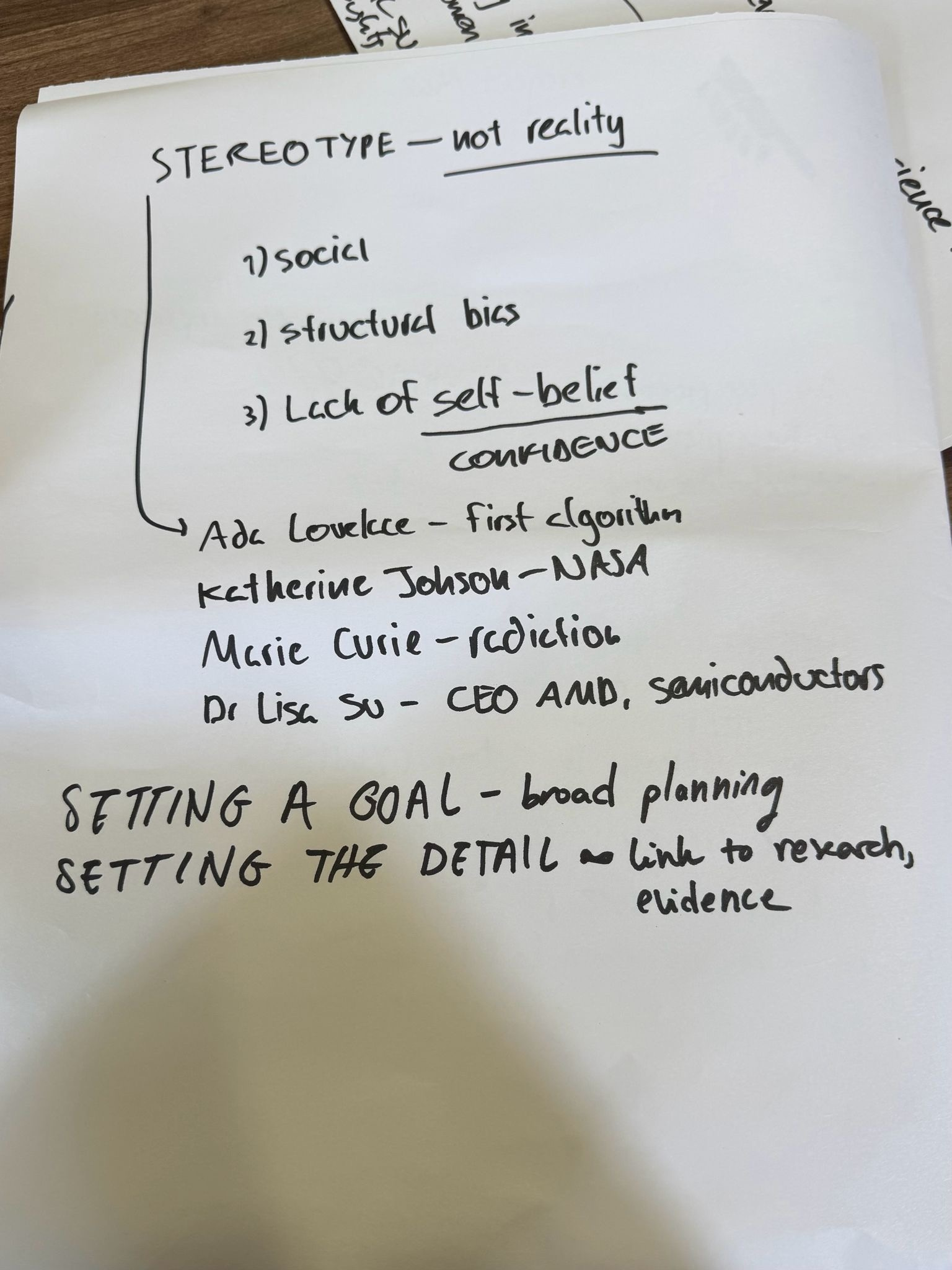
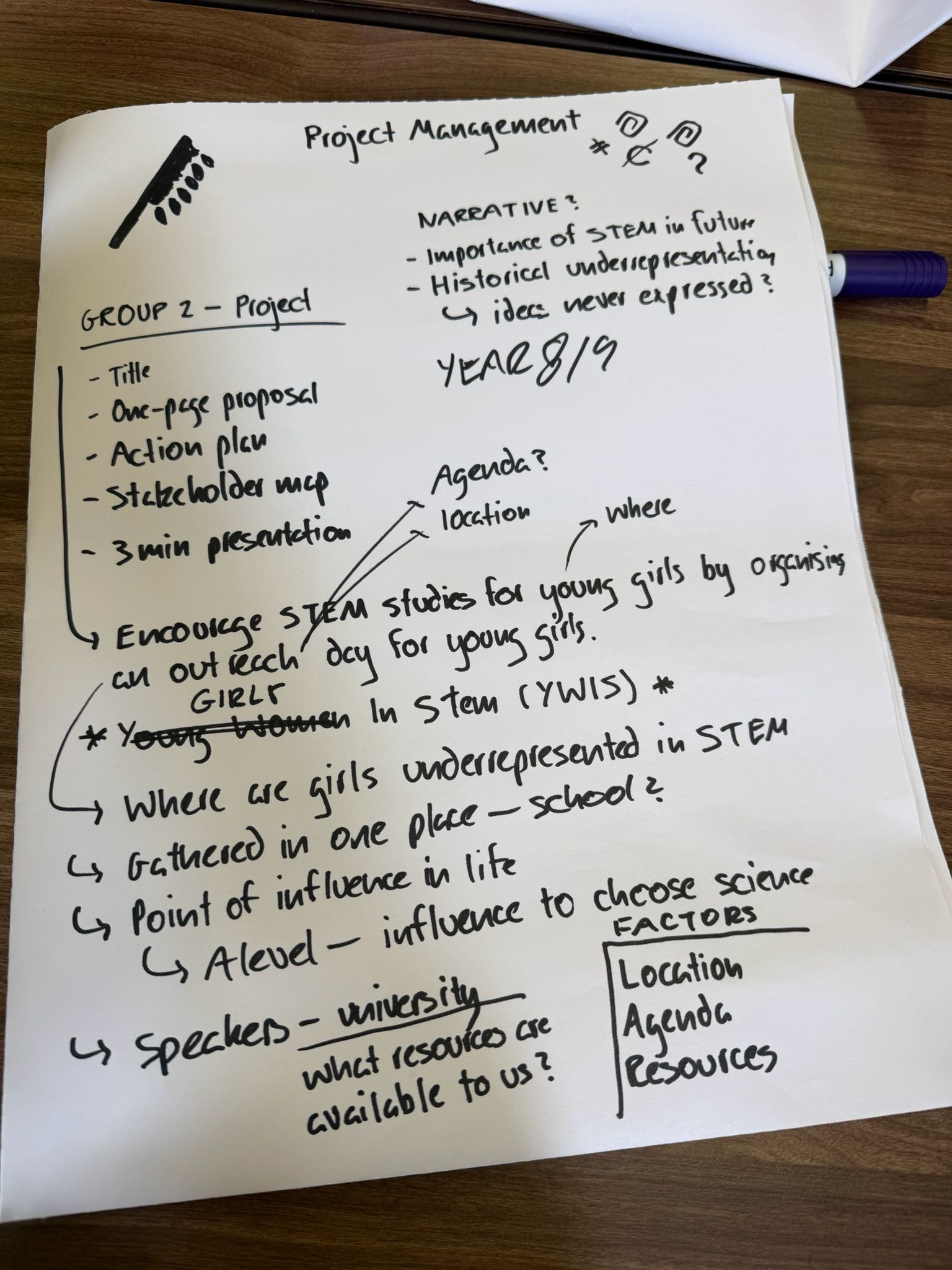
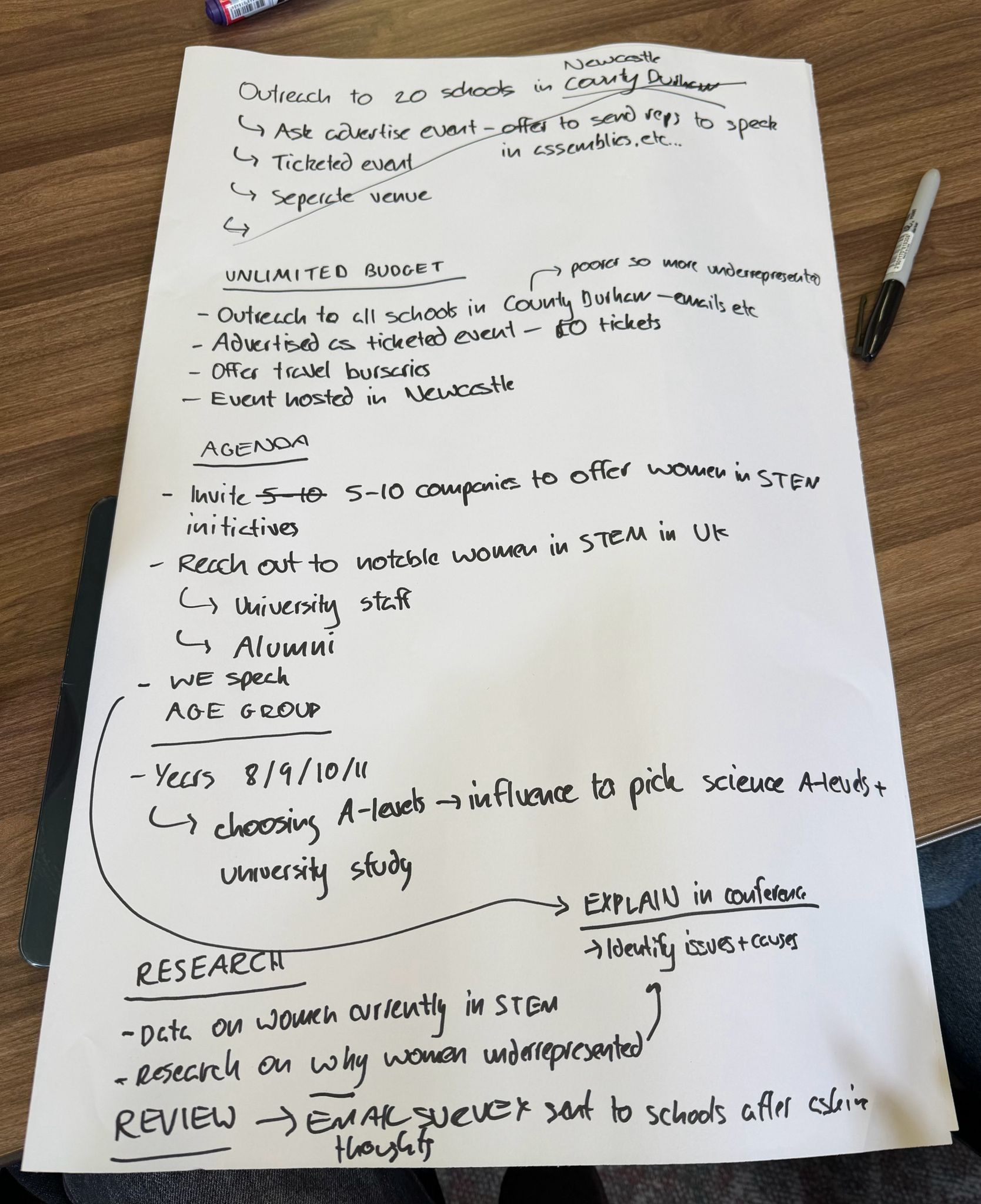
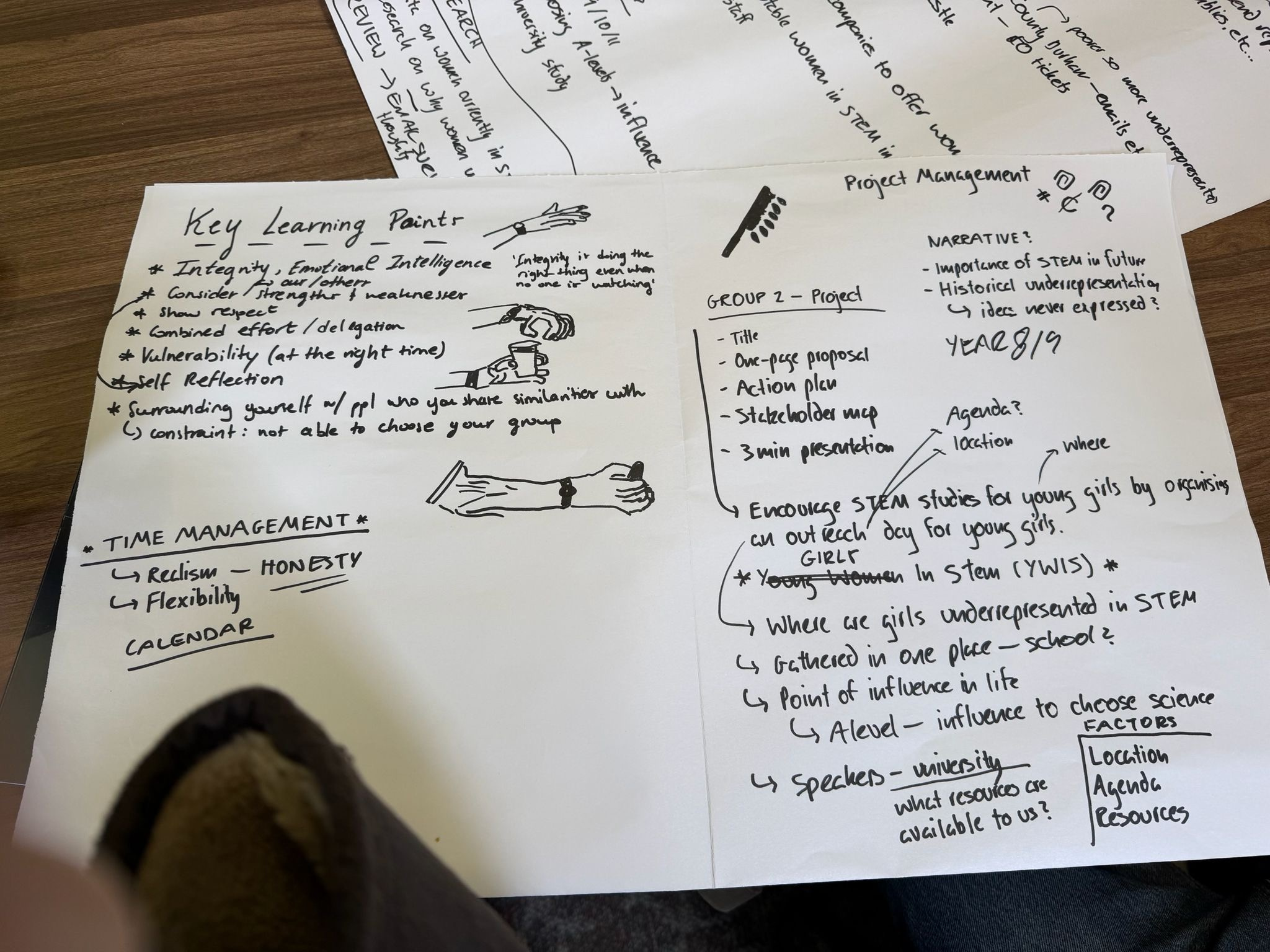
I found this extremely rewarding and invaluable for personal development as a young leader. A highlight for me was working with a group of 3 other scholars on a scenario around addressing the unrepresentative of young woman and girls in STEM. And being led through a multi step process of background research, logistical planning, execution and delegation and reflection, to produce a hypothetical solution. Whilst presenting to the cohort at every stage. (Pictured below is some of the notes we made).
 |
 |
 |
 |
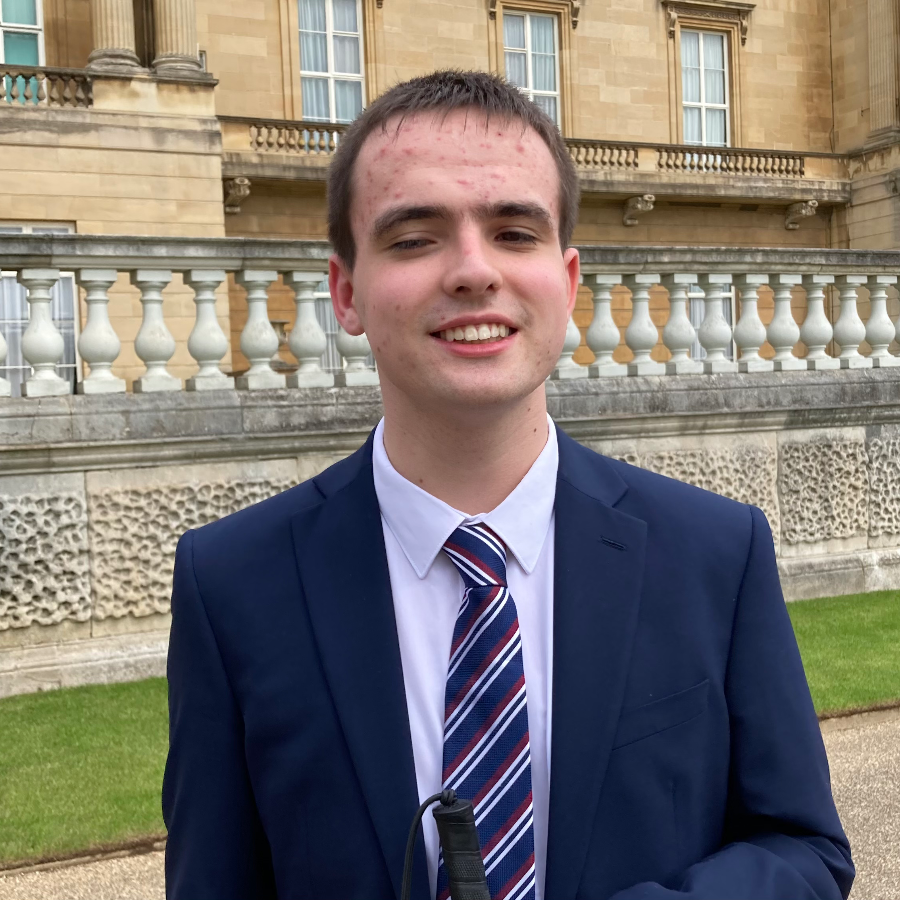
I am Andrew Hamilton, I have a keen interest in both methods of quantitative statistical analysis through R and also through the discipline of comparative politics, in looking at electoral turnout and civic participation in the UK.
My work has included being a co author on a experiential case study on pedagogic practice into how methods of statistical analysis through R, can be made accessible for students with visual impairments.
Millican, A., Toth, F., & Hamilton, A. (2025, December 4). Seeing differently: Making R accessible for visually impaired students through collaborative learning design. National Centre for Research Methods. https://eprints.ncrm.ac.uk/id/eprint/5006/
Further I am an award winning disability rights activist and have a particular interest in disability rights and digital accessibility, work has included lobbied politicians, co-authored a UN report, delivered oral evidence to the UN CRPD committee’s inquiry into the UK government and most recently being invited to give a witness statement to the Covid 19 national enquiry alongside advising an Northern Irish MLA on a disability private members bill.
Through my 4+ years experience of campaigning, I have developed a passion for media, as a tool to spread awareness. I am also passionate about ensuring young people have a voice in matters that affect them.
Lastly I am an active participant in Durham University’s venture scene, having founded an award winning public affairs startup, Just Include, which aims to ensure that everyone has a voice within politics.