Teaching Chinese and Finding a Little Piece of Home in Azerbaijan 🇦🇿🇨🇳
When I first arrived in Baku, Azerbaijan, I knew I would be spending the next four weeks teaching Chinese. What I did not expect was how much I would learn myself — about Azerbaijan, about teaching, and about the people who made those four weeks so memorable.
For four weeks, I worked at one of the largest Chinese academies in Baku, the capital of Azerbaijan. Every day brought a different classroom and a different group of students. I taught learners of different ages and levels, from younger students taking their first steps in Chinese to students who were already seriously preparing for their future studies in China.
Teaching Chinese abroad was a surprisingly rewarding experience. It was fascinating to see students encounter things that I had always taken for granted — Chinese characters, tones, everyday expressions, and even cultural traditions. Sometimes, something as simple as explaining why a Chinese word is used in a particular way would turn into a much longer conversation about Chinese culture and life.
Outside the regular lessons, we also organised activities to make learning Chinese more interactive. One of my favourites was teaching students how to make traditional Chinese knots. Seeing them carefully follow each step, ask questions, and proudly show off their finished knots was a reminder that language learning is about much more than vocabulary and grammar. It is also a way of connecting people with a culture.
One thing that particularly surprised me was just how popular learning Chinese has become in Azerbaijan. I met many students who were not learning Chinese simply as a hobby. Some had very concrete plans to study at a university in China.
The growing interest is closely connected to the increasingly convenient links between Azerbaijan and China, including the visa-free arrangement between the two countries. For many young Azerbaijanis, China is becoming a realistic and attractive destination for higher education, and knowing Chinese can open another door for them.
This made my experience in the classroom feel particularly meaningful. I wasn't simply teaching students how to introduce themselves in Chinese or memorise vocabulary. For some of them, Chinese was part of a much bigger plan for their future.
Of course, the best part of the experience was not just the teaching itself, but the people I met along the way.
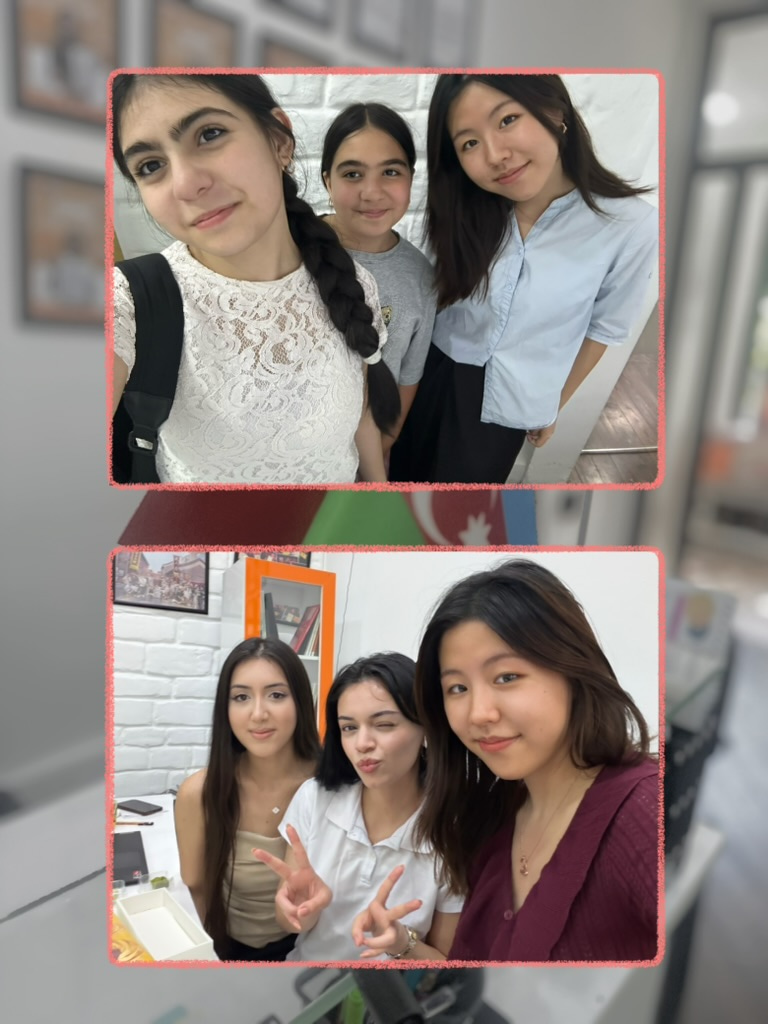
I was lucky to have wonderful colleagues at the academy, and some of them quickly became good friends. Working together every day meant sharing lessons, exchanging stories, figuring out how to deal with unexpected classroom situations, and, eventually, spending time together outside work as well.
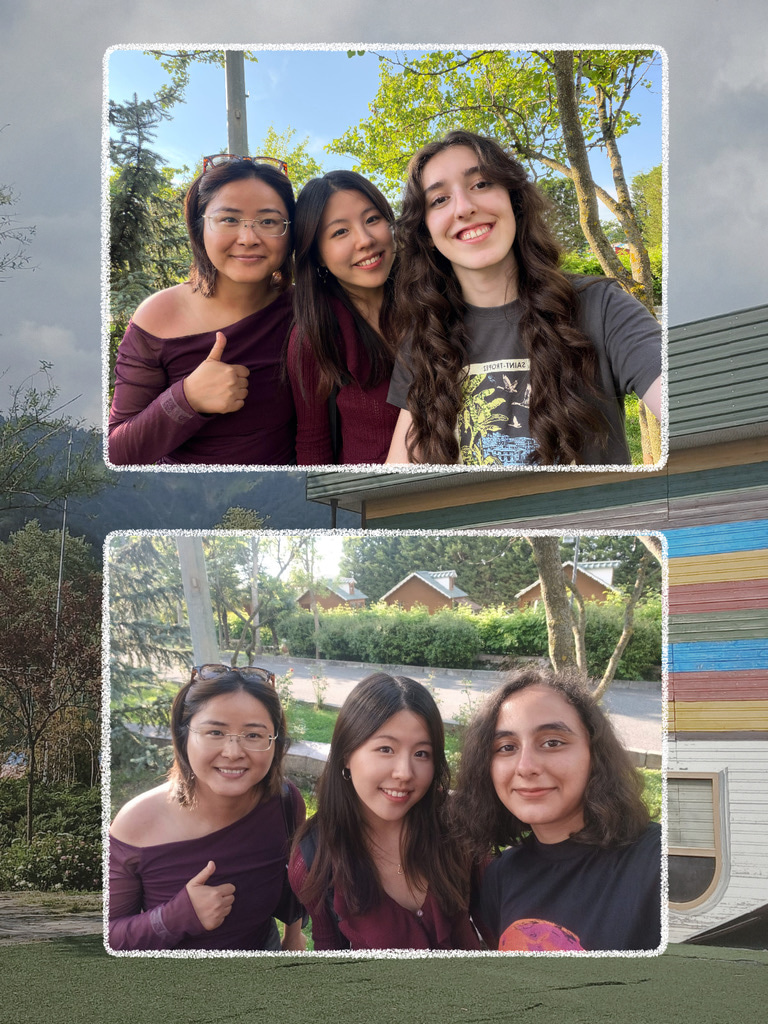
My host family was another huge part of my Azerbaijan experience. They were incredibly kind and welcoming, and I quickly felt much more at home than I had expected to.
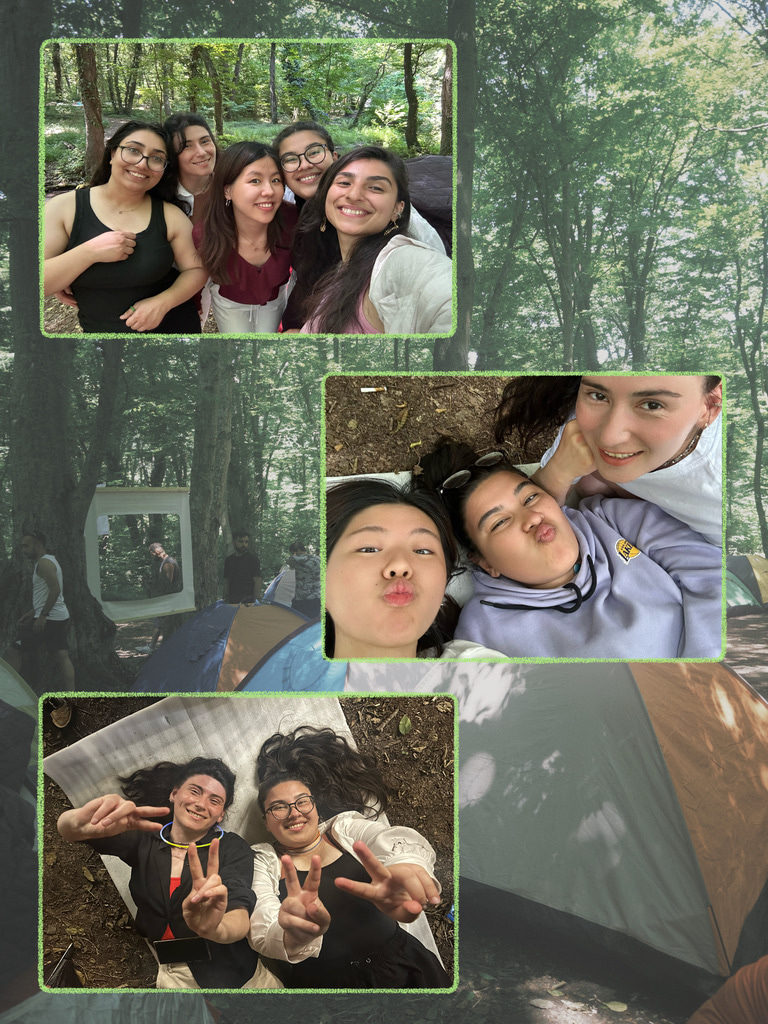
We did much more together than I could have imagined when I first arrived. We went camping in a forest park, spent time outdoors, rode bikes, and even had one of those wonderfully chaotic mornings where we were still partying when the sun was already up. These were the moments that made Azerbaijan feel less like a place I was temporarily visiting and more like a place where I had people I could call friends.
Looking back, four weeks doesn't sound like a very long time. But somehow, a lot can happen in four weeks.
I came to Azerbaijan intending to teach Chinese, but I left with much more than teaching experience. I met students who are dreaming about studying in China, colleagues who became friends, and a host family who made a foreign country feel surprisingly familiar.
Most importantly, I was reminded that language can create connections in places you would never expect. Sitting in a classroom in Baku and hearing Azerbaijani students speak Chinese — sometimes with impressive fluency — was something I will not forget.
I arrived as a volunteer teacher. I left feeling like I had become part of a small, unexpected bridge between two cultures.
And for that, I will always be grateful to Azerbaijan. 🇦🇿❤️🇨🇳