Tea, Typhoons, and Traditions | LiA Week 2
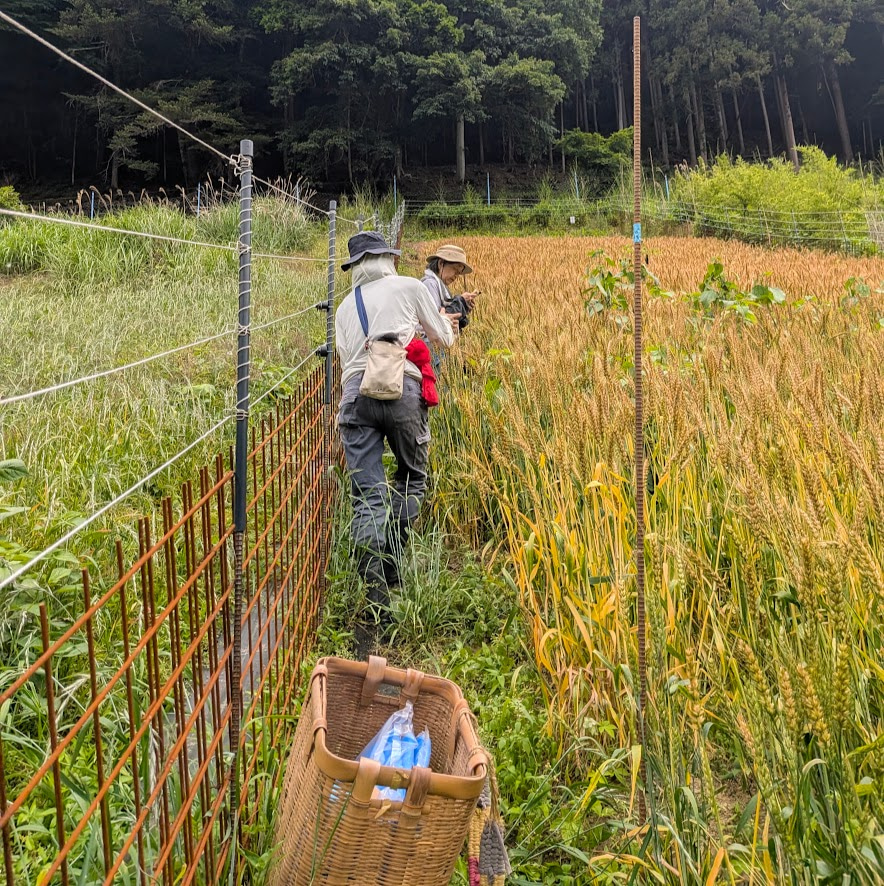
Tending the Crops
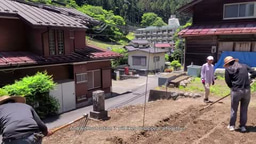
Bear sightings across Japan have become increasingly common in recent years, with the animals venturing into populated areas in search of food. Hinohara is no exception, and so precautions must be taken to protect the fields. One such measure involved placing bags of fermented rice around the crops. The pungent smell is enough to deter bears, helping to keep them away from the farmland.
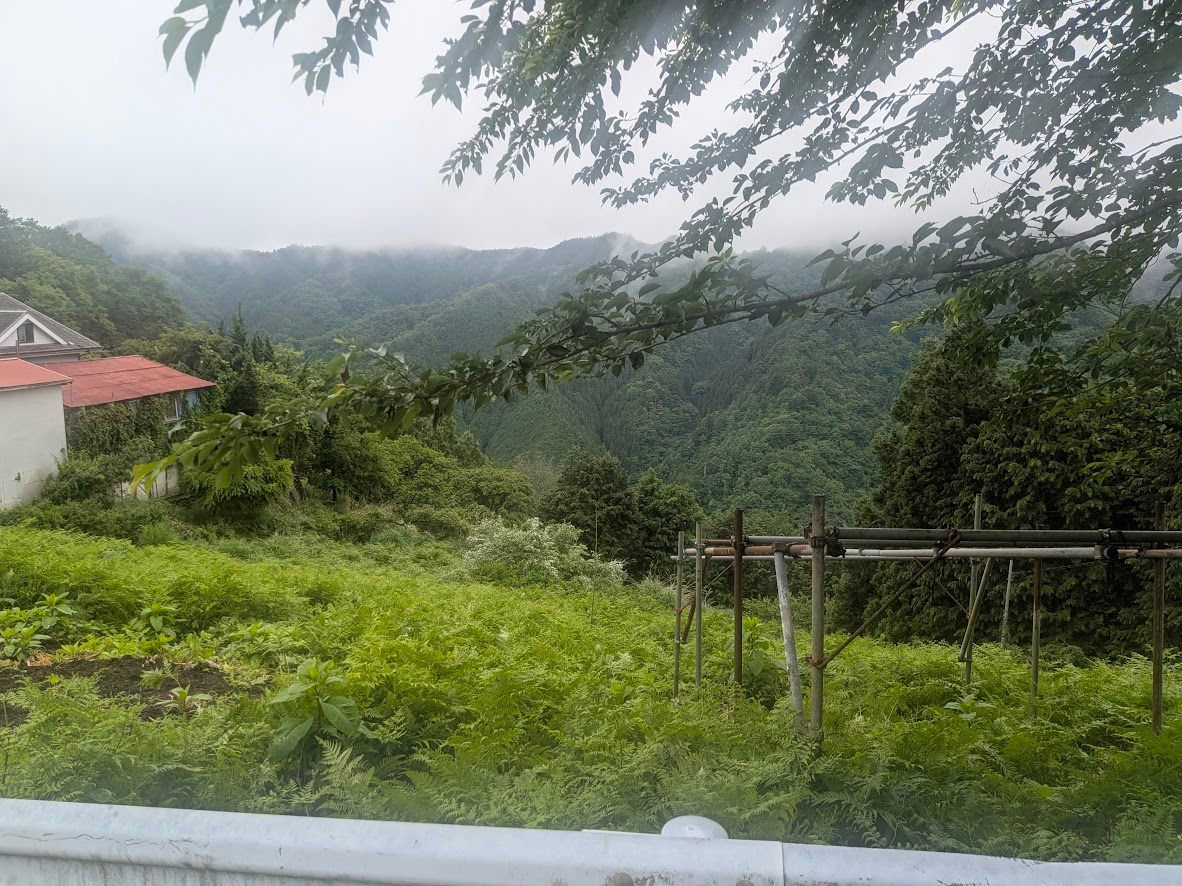
Hinohara is also home to an abundance of other wildlife. Throughout the day, a constant chorus of birdsong echoes through the valley, while Japanese macaques roam freely, often trying to help themselves to crops from the fields. Wild boar and deer are sometimes hunted here, and creatures such as hornets and centipedes ensure that you are alert while working outdoors.
This week also brought my first experience of a typhoon. Fortunately, it proved relatively mild in my area, but it still required careful preparation. We harvested the first wheat of the year earlier than planned to avoid potential damage and used old tree branches to support the barley that was not yet ready for harvest. Thankfully, the storm passed with little impact on the crops.
Making Tea
As part of my project, I have been filming short videos for Satoyama School's social media to help promote the organisation and its work. Tea, particularly green tea, holds an important place in Japanese culture. Beyond being a popular drink, it is often associated with wellbeing and hospitality.
One of the volunteers, who is highly experienced in traditional tea production, led a workshop that I filmed, demonstrating the process from picking fresh leaves to preparing the finished cup. My own attempts provided an excellent example of what not to do, giving me a first-hand appreciation for the skill involved. From selecting the right leaves and heating them carefully, to pressing and rolling them correctly, each stage influences the colour, aroma, and flavour of the final tea far more than I had expected.
Connecting with Locals
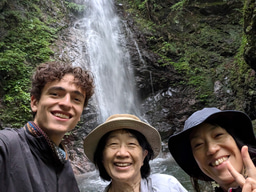
One of the greatest benefits of spending six weeks in a small village is the opportunity to build genuine relationships with the people who live there. This week, I began to feel those connections growing stronger. Although I often stand out as a foreigner, the kindness and generosity of local residents has made me feel increasingly welcome. Many seem genuinely excited to speak with me despite the language barrier, and I am continually grateful for their patience and warmth.
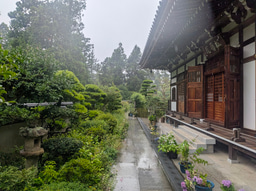
Midway through the week, an elderly resident invited the NPO staff and me to her home for a traditional afternoon tea. Her house was an old Edo-style building filled with tatami mats and centred around an irori, a traditional sunken hearth that had been adapted into a foot warmer beneath the dining table. Over tea, she encouraged me to sample a variety of local delicacies while sharing stories about the area and its traditions.
On my day off, the family I am staying with decided to take me to an onsen, a traditional Japanese hot spring bath. Like many foreign visitors, I found some of the customs unfamiliar at first, including the strict requirement that bathers enter without clothing. However, it quickly became a relaxing experience, helping me recover from the physical demands of the week. More than anything, it served as a reminder of how cultural norms can differ, and how rewarding it can be to step outside of one's comfort zone.
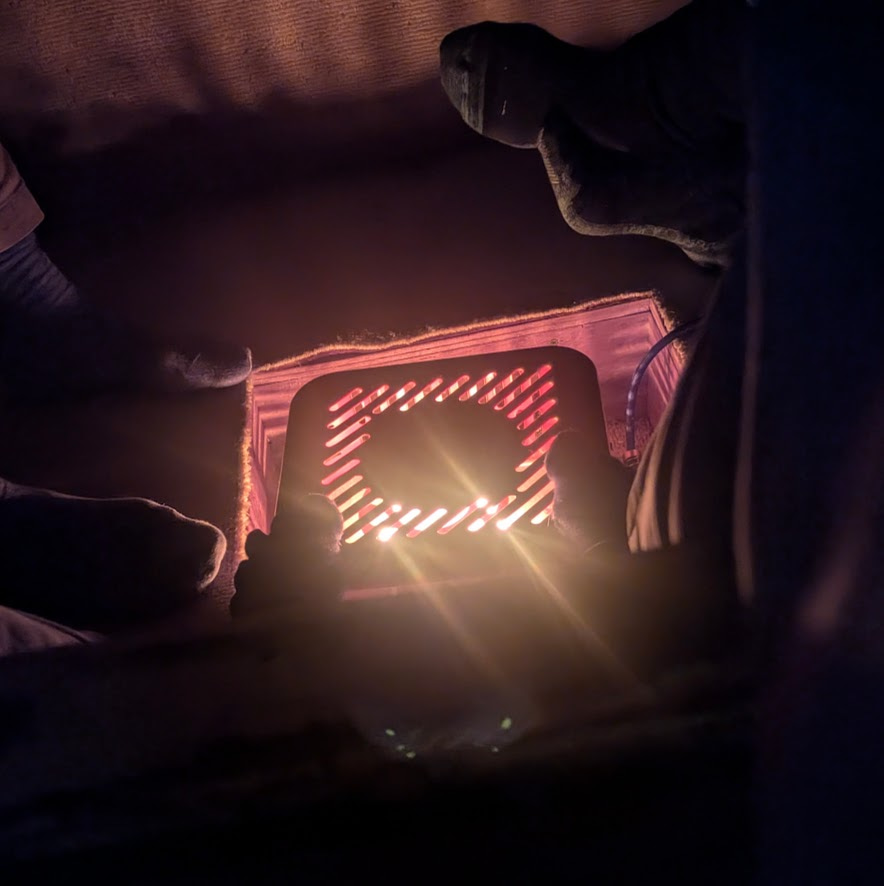
beneath the dining table.

Hello! I am an incoming third year at the University of St Andrews, studying Mathematics.
My summer 1 research focus was on applying Bayesian networks to electroencephalography (EEG) data. My research poster was presented at the 2025 Global Laidlaw Scholars Conference in Durham, where it was selected by Taylor & Francis to be published.
My summer 2 Leadership in Action project is based in Hinohara village, Japan. I am partnering with Satoyama School Tokyo to support their ongoing efforts in learning, preserving, and sharing the traditions of a "satoyama" lifestyle: an old, nature-focused way of living in mountain villages.